
Mindfulness is a powerful tool for kids, helping them find focus, calmness, and discipline. By incorporating simple techniques into their daily lives, we can nurture their growth and emotional well-being. For more insights, check out Mindfulness Practices for Kids: Build Self-Discipline on a Budget.
Understanding Mindfulness for Kids
Definition of Mindfulness
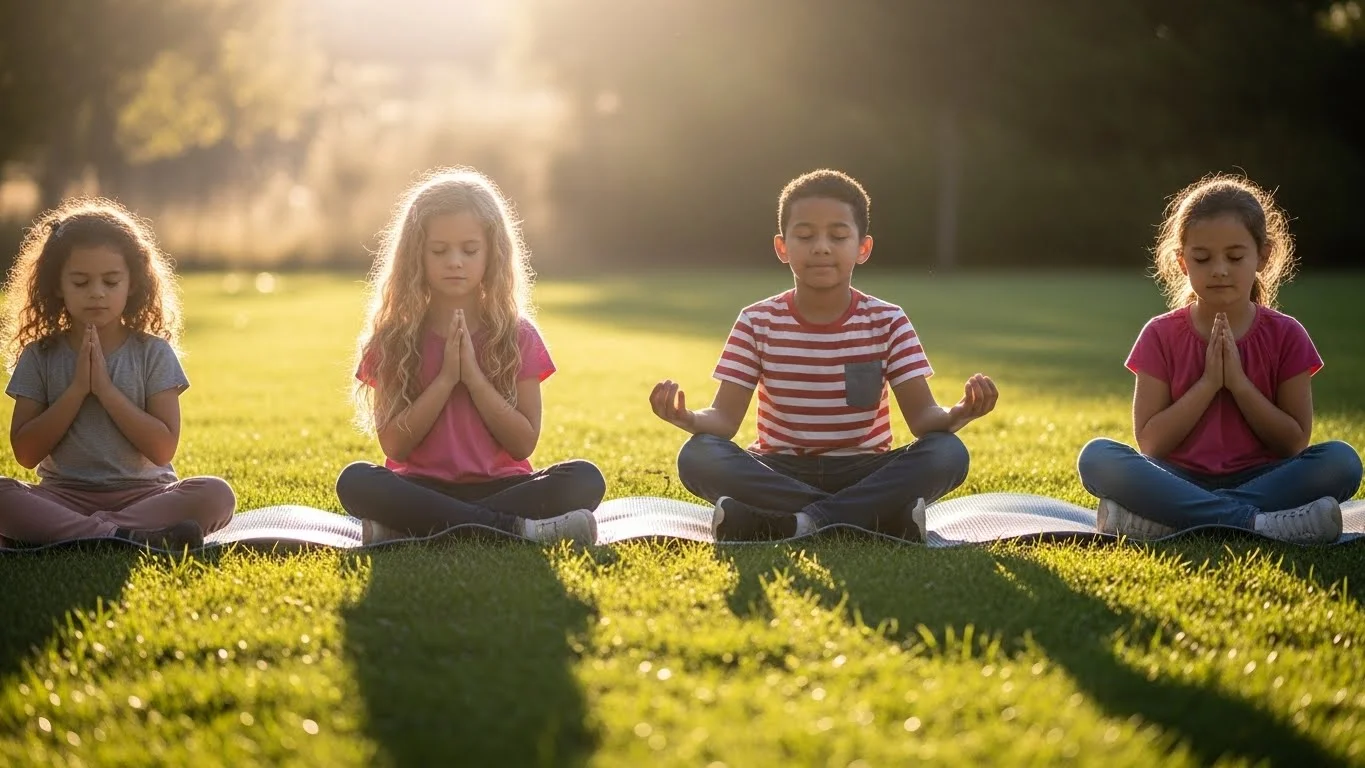
When I first encountered the term mindfulness, I thought it was just another buzzword. But the more I explored, the more I realized that mindfulness means being fully present in the moment. It’s about noticing what we feel, think, and experience without judgment. For kids, this can mean paying attention to their thoughts and feelings, being aware of their surroundings, and engaging with the world around them in a meaningful way.
Importance of Mindfulness in Child Development
In my experience, childhood is a whirlwind of emotions and experiences. Kids are learning and growing at an astonishing rate, facing new challenges daily. Mindfulness equips them with essential tools to navigate this complex world. It encourages emotional regulation, enhances their ability to focus, and fosters resilience. I remember seeing my own children struggle with overwhelming feelings during tough situations. Teaching them mindfulness techniques helped them manage anxiety and cultivate a sense of calm that was truly remarkable.
Benefits of Mindfulness for Discipline
Discipline is often seen as a strict set of rules and consequences, but I believe it can also be about self-control and awareness. Mindfulness plays a significant role in developing these skills. When kids practice mindfulness, they learn to pause before reacting. This moment of reflection can prevent impulsive decisions and help them make more thoughtful choices. I’ve noticed that my kids are more patient and understanding when they practice mindfulness regularly. Instead of reacting out of frustration, they take a breath and think things through, which has greatly improved their ability to follow rules and expectations. For further techniques, you can explore Transform Your Habits: Positive Reinforcement Techniques.
Top 5 Mindfulness Techniques for Kids
1. Deep Breathing Exercises
How to Teach Deep Breathing
One of my favorite techniques to introduce mindfulness to kids is through deep breathing exercises. It’s simple and effective. I often start by having them sit comfortably, close their eyes, and place a hand on their belly. I explain that when we breathe deeply, our belly should rise and fall. We then take a slow breath in through the nose for a count of four, hold it for a count of four, and breathe out through the mouth for a count of six. This rhythmic breathing can really ground them. I remember the first time I did this with my kids; it was like watching a light bulb go off! They felt calmer and more centered almost immediately.
Benefits for Focus and Calmness
Deep breathing does wonders for focus and calmness. I’ve seen how it helps my children not just in moments of stress but also when they need to concentrate, like before a big test or while doing homework. The simple act of slowing down their breath can shift their mindset and improve their attention span. Plus, it teaches them a valuable skill they can use throughout their lives whenever they feel overwhelmed.
2. Mindful Coloring
Materials Needed for Mindful Coloring
Mindful coloring has become one of my go-to activities for fostering mindfulness. All you need are some coloring books or printouts, coloring supplies like crayons or colored pencils, and a quiet space. I love setting up a cozy area where my kids can color without distractions. Sometimes, I’ll join them with my own coloring book, making it a fun family activity.
How Coloring Enhances Concentration
I’ve found that coloring allows kids to express themselves while calming their minds. It’s one of those activities that pulls them into the present moment. As they focus on choosing colors and filling in shapes, they become less aware of outside distractions. I’ve watched my kids get lost in their creativity, which, in turn, helps them develop better concentration. It’s such a joy to see them fully engaged in the process, and often, we talk about what they’re creating, which deepens their mindfulness experience.
3. Guided Visualization
Steps for Effective Guided Visualization
Guided visualization is another technique I love using. It’s like storytelling combined with relaxation. To start, I encourage my kids to find a comfy spot and close their eyes. Then, I guide them to imagine a peaceful place, like a beach or a forest. I describe the sounds, sights, and smells in detail, helping them picture it in their minds. I often include elements like feeling the sun on their skin or hearing the gentle waves. This creates a vivid mental picture that they can escape to whenever they need a moment of calm.
Impact on Imagination and Self-Discipline
This practice has a profound effect on their imagination and self-discipline. I’ve noticed that it not only helps them relax but also enhances their creativity. They’ve become more adept at visualizing their goals and dreams, which I believe fosters self-discipline. When they can picture a positive outcome, they’re more motivated to work toward it. I often hear them say, “I can see myself doing this!” and it warms my heart to see how they connect their mental images to real-life actions.
4. Gratitude Journaling
How to Start a Gratitude Journal
Gratitude journaling has been a game-changer in our household. I introduced it to my kids by giving them each a small notebook and encouraging them to write or draw three things they are grateful for each day. At first, it took some prompting, but as they got the hang of it, I noticed their perspectives began to shift. I often share my own entries, which makes it feel more like a family ritual.
Effects on Positive Thinking and Behavior
The impact of gratitude journaling has been remarkable. I’ve seen how it cultivates a positive mindset in my children. They’re more aware of the good things around them, even on tough days. Instead of focusing on what they lack, they start appreciating the little joys—like a sunny day or a fun time with friends. This shift in perspective not only helps them feel happier but also encourages more positive behavior. I believe that gratitude helps them navigate life with a lighter heart.
5. Mindful Movement (Yoga and Stretching)
Simple Yoga Poses for Kids
Incorporating movement into mindfulness has been another delightful discovery for us. I often practice simple yoga poses with my children, like the Tree Pose or Cat-Cow. These poses are not only fun to do but also help them connect their bodies and minds. We sometimes play a game where we take turns showing different poses, and it turns into a playful competition that keeps everyone engaged.
Benefits of Movement for Self-Regulation
Mindful movement through yoga and stretching has incredible benefits for self-regulation. I’ve seen how it helps my kids release built-up energy and tension. After a short session, they seem calmer and more centered. It’s like they’ve had a reset button! I encourage them to take a few minutes to stretch or do yoga when they feel restless or unfocused, and it has made a significant difference in their ability to self-regulate. It’s a wonderful way to blend physical activity with mindfulness, promoting overall well-being.
Incorporating Mindfulness Techniques into Daily Routines
Morning Routine Ideas
Starting the day with mindfulness can set a positive tone for children. I’ve found that incorporating mindfulness into our morning routine helps my kids approach the day with a calm and focused mindset. One technique that works well for us is a simple morning check-in. After they wake up, we gather in the kitchen over breakfast and take a few moments to talk about what we’re grateful for that day. This practice not only helps them feel connected but also encourages them to appreciate the little things before the day gets busy.
Another idea is to include a short session of stretching or yoga right after waking up. I remember the first time we tried this; my kids initially thought it was silly, but soon they started enjoying the playful aspect of it. We might do some gentle stretches together or even a fun yoga pose, which energizes them and prepares their minds for the challenges ahead. Plus, it’s a great way to bond and share some laughs before the day kicks off!
Mindfulness During Homework Time
Homework can often be a source of stress for kids, and I’ve noticed that incorporating mindfulness during this time can make a huge difference. When my children sit down to do their homework, we start with a few deep breaths together. This helps clear their minds and focuses their attention on the task at hand. I encourage them to take a moment to notice their feelings about the homework: Are they anxious? Confident? This recognition allows them to address those feelings before diving into their assignments.
Another technique I use is the Pomodoro Technique, where they work for 25 minutes and then take a 5-minute break. During those breaks, we might do a quick mindfulness exercise like stretching or simply stepping outside for fresh air. I’ve found that these short breaks help my kids recharge and return to their work with a clearer mind. It’s amazing how much more productive and focused they become when we incorporate mindfulness into their homework routine.
Evening Wind-Down Techniques
As the day winds down, I believe that establishing a calming bedtime routine is essential for my children’s well-being. One of our favorite evening practices is to engage in a few minutes of guided visualization. I often find that it helps them transition from the busyness of the day to a more relaxed state. We might imagine floating on a cloud or walking through a serene garden, and I guide them to focus on the details of their peaceful place. It’s a lovely way to help them unwind and prepare for sleep.
Additionally, we’ve introduced a nightly gratitude practice where we each share one thing we appreciated about the day. This simple act not only helps them reflect positively but also fosters a sense of connection between us. I’ve noticed that when they express gratitude before bed, they tend to sleep better and wake up in a more cheerful mood. It’s a gentle reminder to end the day with warmth and appreciation.
Common Challenges and Solutions
Resistance to Mindfulness Practices
When we first started exploring mindfulness, I encountered some resistance from my kids. They would roll their eyes or claim they were “too busy” to sit still. I remember feeling frustrated, but I quickly learned that forcing mindfulness practices wouldn’t work. Instead, I decided to make it more engaging and fun. We turned mindfulness exercises into games or challenges. For instance, during our deep breathing exercises, we pretend to blow up a balloon, which added a playful twist that got them excited about participating. Finding creative ways to introduce these practices made a world of difference.
Short Attention Spans and How to Manage Them
Another challenge I faced was my kids’ short attention spans. I realized that sticking to long mindfulness sessions wasn’t practical for them. Instead, I started with just a few minutes of practice and gradually increased the time as they became more comfortable. I’ve found that mixing different techniques keeps them engaged; for instance, we might do a couple of minutes of deep breathing followed by a few minutes of mindful movement. This variety not only holds their attention but also makes mindfulness feel less like a chore and more like an adventure.
Parental Involvement in Mindfulness
Being actively involved in mindfulness practices has been crucial for my kids’ engagement. I’ve learned that modeling mindfulness for them is just as important as the techniques themselves. When they see me taking a moment to breathe deeply or express gratitude, they are more inclined to join in. I often share my own experiences, like how I use mindfulness to calm my mind after a long day. This openness creates a shared space for us to explore mindfulness together, making it a family practice rather than a solitary task. I believe that our collective journey towards mindfulness strengthens our bond and enhances the overall experience for everyone involved.
Resources for Parents and Educators
Books on Mindfulness for Children
One of the best ways I’ve found to introduce mindfulness to my kids is through books. There are some fantastic resources out there that cater specifically to children. For instance, “The Calm Book” by Paul Wilson is a beautifully illustrated book that explains mindfulness in an engaging way. I read it aloud to my kids, and it sparked some wonderful discussions. Another favorite of ours is “Mindful Monkey, Happy Panda” by Lauren Alderfer. This story is not only captivating but also teaches kids valuable lessons about mindfulness through the adventures of its charming characters. I believe that reading these books together not only builds their understanding but also strengthens our bond as we explore the concepts together.
Apps and Online Tools for Mindfulness Practice
In our tech-savvy world, I’ve found some excellent apps that make mindfulness fun for kids. One that we love is “Headspace for Kids.” It offers guided meditations tailored specifically for children, which makes it easy for them to engage with mindfulness. The stories and themes are relatable, and I’ve noticed my kids eagerly look forward to their daily sessions. Another great option is “Smiling Mind,” which provides mindfulness programs designed for different age groups. These tools are user-friendly and provide a great way for kids to practice mindfulness independently, which I think is empowering for them.
Workshops and Classes for Kids
If you’re looking for a more structured approach, I highly recommend checking out local workshops or classes focused on mindfulness for children. We recently attended a weekend mindfulness retreat that was tailored for families. It was an eye-opening experience! The kids participated in various activities like mindful walking, yoga, and even art projects centered around mindfulness. Not only did they learn new skills, but they also met other kids who were interested in mindfulness, which made it feel less isolating. I believe these types of experiences can enhance their understanding and make mindfulness feel more accessible and exciting.
Final Thoughts
Mindfulness has become more than just a set of techniques in our family; it’s a way of life that has transformed how we interact with ourselves and each other. I’ve seen firsthand how these practices can cultivate a sense of calm, focus, and resilience in my kids. As we integrate mindfulness into our daily routines, I feel like we’re not just teaching them skills but also nurturing their emotional intelligence and connection to the world around them. I encourage other parents to explore mindfulness with their children; it can be a beautiful journey of discovery that benefits the whole family. Together, let’s embrace this adventure and help our kids grow into mindful, compassionate individuals.
Frequently Asked Questions
What is mindfulness for kids?
Mindfulness for kids means being fully present in the moment, noticing their thoughts and feelings, and engaging with their surroundings without judgment.
Why is mindfulness important for child development?
Mindfulness equips children with essential tools to navigate their emotions and experiences, encourages emotional regulation, enhances focus, and fosters resilience.
How does mindfulness help with discipline in children?
Mindfulness helps children develop self-control and awareness, allowing them to pause before reacting, which can prevent impulsive decisions and promote thoughtful choices.
What are some mindfulness techniques for kids?
Some effective mindfulness techniques for kids include deep breathing exercises, mindful coloring, guided visualization, gratitude journaling, and mindful movement (like yoga and stretching).
How can I teach deep breathing to my child?
To teach deep breathing, have your child sit comfortably, close their eyes, and place a hand on their belly. Instruct them to breathe in through the nose for a count of four, hold for four, and breathe out through the mouth for six.
What materials do I need for mindful coloring?
For mindful coloring, you need coloring books or printouts, coloring supplies like crayons or colored pencils, and a quiet space for distraction-free coloring.
What is guided visualization and how can it benefit kids?
Guided visualization involves helping children imagine a peaceful place through detailed descriptions, enhancing their relaxation, imagination, and self-discipline.
How can gratitude journaling impact children?
Gratitude journaling helps children cultivate a positive mindset by encouraging them to notice and appreciate the good things in their lives, fostering happier behaviors and attitudes.
What are some strategies for incorporating mindfulness into daily routines?
Incorporate mindfulness into daily routines by starting the day with gratitude, practicing deep breathing before homework, and engaging in calming activities like guided visualization before bed.
How can parents get involved in their children’s mindfulness practices?
Parents can model mindfulness by practicing techniques themselves, sharing experiences, and participating in mindfulness activities together, creating a shared journey towards mindfulness.