
Traveling with a newborn can be both exciting and daunting. Ensuring your little one sleeps safely on the go is crucial for their wellbeing and your peace of mind. Read Interesting article: How to Ensure Safe Sleep While Traveling with Infants
Understanding Safe Sleep for Newborns
The Importance of Safe Sleep Practices
As a new parent, I found myself overwhelmed by the sheer amount of advice out there on how to keep my baby safe while sleeping. I quickly learned that safe sleep practices are not just recommendations; they are essential for reducing the risk of Sudden Infant Death Syndrome (SIDS) and other sleep-related dangers. We all want our babies to have a restful night, but safety must come first. Establishing these practices early on lays the foundation for healthy sleep habits, not just at home but also when we’re out and about. Backpacking with Newborns: Safe Sleep Practices Explained offers additional insights into this topic.
Common Risks of Unsafe Sleep Environments
Unsafe sleep environments can include anything from soft bedding to sleeping on a couch or armchair. I remember hearing stories from friends about close calls where their babies rolled into gaps between cushions or got tangled in blankets. It was alarming! The risks are real: suffocation, overheating, and falls are just a few dangers that can arise from unsafe sleeping conditions. Knowing these risks helped me stay vigilant, especially when traveling. Being aware of these dangers is the first step towards creating a safe sleeping environment for our little ones.
Top 5 Safe Sleeping Practices for Newborns
1. Choose the Right Sleep Surface
The sleep surface is one of the most critical aspects of safe sleep for newborns. I quickly discovered that not all surfaces are created equal. A firm mattress is key; it helps reduce the risk of suffocation and allows for better airflow. I remember the first time I put my baby down on a firm crib mattress—it felt like a small victory knowing I was doing something so important for their safety.
Firm Mattresses vs. Soft Bedding
Soft bedding might look cozy, but it’s a no-go for newborns. I learned that soft mattresses, pillows, and even plush toys can create a suffocation hazard. Instead, I invested in a crib with a firm mattress and used fitted sheets that are snugly tucked in. This way, I knew my baby was safe and comfortable, without the fear of rolling into something soft. It just made sense to create a firm, flat surface that would support their developing bodies.
Portable Cribs and Bassinets
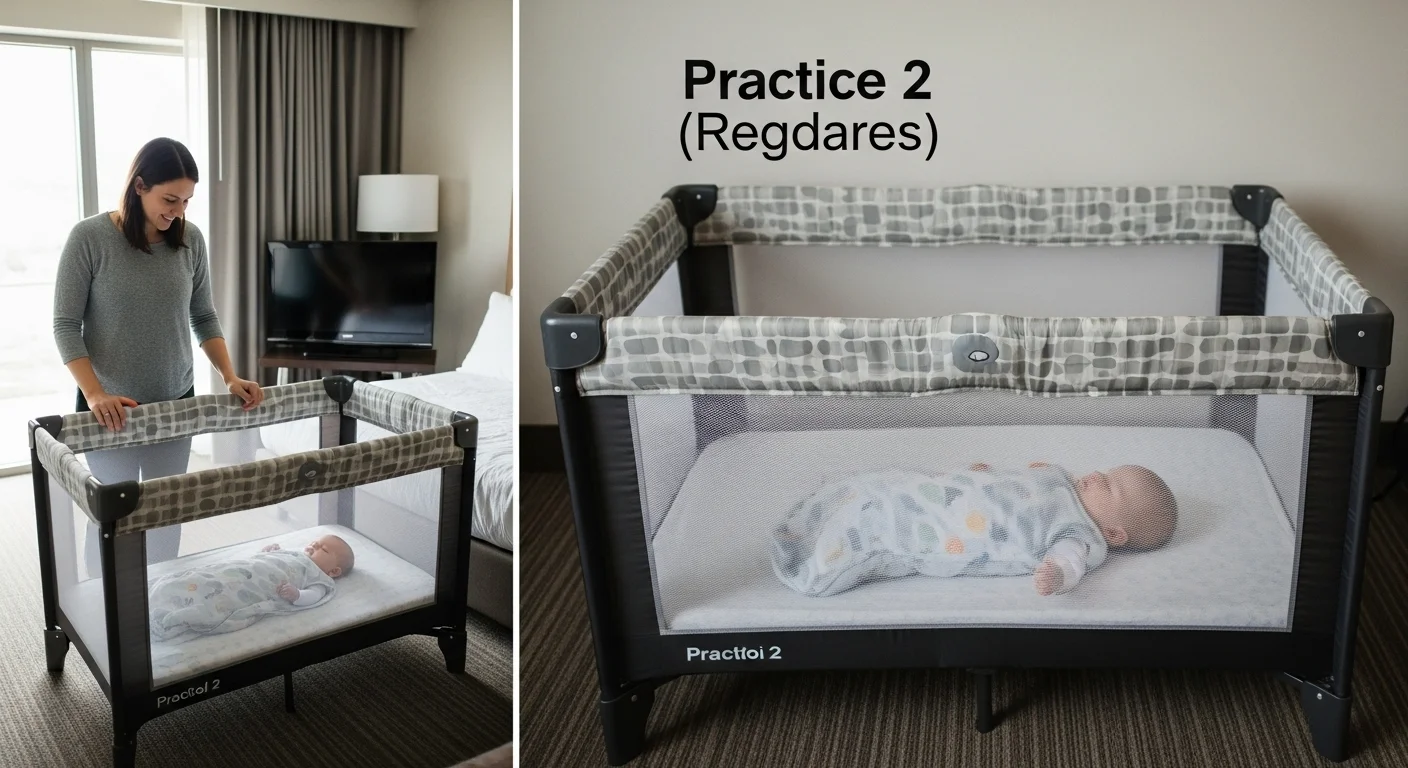
When we travel, I always opt for portable cribs or bassinets that meet safety standards. I remember the first time we took a road trip, and I packed a portable crib. It was compact, easy to set up, and provided a familiar sleeping surface for my baby. When choosing one, I make sure it has a sturdy frame and is free from any embellishments that could pose a risk. Knowing I had a safe sleep space for my baby on the road brought me such peace of mind.
2. Maintain a Safe Sleep Position
Every time I put my baby down to sleep, I made it a point to place them on their back. This simple action can significantly reduce the risk of SIDS. It became a habit I never strayed from, even when we were outside our home environment.
Back Sleeping Benefits
Back sleeping is the safest position for newborns, as it allows for the best airflow and reduces the chances of them getting into a dangerous position during the night. I remember reading about how this practice has been linked to a decrease in SIDS. Knowing that something so simple could protect my baby made me feel empowered as a parent.
Avoiding Stomach and Side Sleeping
Stomach and side sleeping can be risky for newborns, as these positions can lead to breathing difficulties. I would often hear my friends discussing how they were tempted to let their babies sleep on their stomachs for the sake of comfort or cuter photos. But I always stuck to the guidelines, reminding myself that safety comes first, even if it meant losing out on those adorable sleeping pictures.
3. Keep the Sleep Environment Clear
One of the first things I learned was to keep the sleep area free from any extra items. I remember the panic I felt when I saw a friend’s baby sleeping with a stuffed animal. It made me realize how easy it is to overlook safety in the excitement of having a new baby.
Removing Pillows, Toys, and Blankets
Pillows, toys, and loose blankets can create a suffocation hazard. I made it a rule to only use a fitted sheet on the mattress. In our case, we learned that keeping the sleep space clear of distractions not only enhances safety but also helps teach our child to settle down for sleep without unnecessary stimulation.
Using Sleep Sacks Instead of Loose Bedding
Instead of using blankets, I found sleep sacks to be a fantastic alternative. They keep my baby warm and snug without the risk of covering their face. I was relieved to find a variety of sleep sacks available, making it easy to choose one that suited our needs. Plus, they were easy to pack for travel, so I never had to worry about bringing unsafe blankets along.
Top 5 Safe Sleeping Practices for Newborns
4. Monitor Room Temperature
One aspect of safe sleep that I didn’t initially consider was the temperature of the room. I learned that keeping the room at a comfortable temperature is crucial for ensuring that our baby sleeps safely. I remember the first time I checked the thermometer in the nursery; it was an eye-opener! A room that is too hot or too cold can lead to discomfort, which can affect sleep quality and safety.
Ideal Temperature for Newborns
The ideal room temperature for newborns is typically between 68°F to 72°F (20°C to 22°C). I found that using a room thermometer was a great way to monitor this. It also helped me avoid the guesswork when dressing my baby for sleep. When we traveled, I made it a point to check the temperature in hotel rooms or rental homes to ensure it stayed within that comfortable range. I’d often adjust the thermostat or open a window if needed, just to keep things cozy for my little one.
Signs of Overheating
Overheating is a serious concern for babies, and I learned to watch for signs that my baby might be too warm. I would check the back of their neck or their chest; if they felt sweaty or very warm, it was a red flag. I remember one night, I had to change my baby’s sleep sack to a lighter one because they felt too warm. Keeping an eye on these little signs helped me feel more in control and ensured our baby had a safe sleep environment, no matter where we were.
5. Ensure Consistent Sleep Routine
Establishing a consistent sleep routine was another game changer for us. I discovered that babies thrive on routines, and having a predictable pattern helped signal bedtime. I remember the first few nights we tried a simple routine of bath time, followed by a lullaby and some quiet cuddles. It worked wonders for our baby’s sleep quality, even when we were on the go.
Establishing a Sleep Schedule on the Go
When traveling, I made it a priority to stick to our baby’s sleep schedule as much as possible. I found that even a small routine, like reading a book or singing a song before sleep, was comforting. I recall being in a hotel room, dimming the lights, and reading a favorite bedtime story. It helped create a familiar atmosphere, making it easier for my baby to settle down, even in an unfamiliar place.
Tips for Creating a Familiar Sleep Environment
To make each sleeping environment feel more familiar, I used a few tricks I learned along the way. For starters, I always packed my baby’s favorite sleep sack and a small, soft blanket that they associated with sleep. I also brought along a portable white noise machine, which helped drown out unfamiliar sounds and created a soothing background noise. I remember how much calmer my baby seemed when we used the white noise; it was like a little slice of home wherever we went. By keeping these elements consistent, I felt like I was giving my baby the best chance for a good night’s sleep, no matter where we were.
Travel Considerations for Safe Sleep
Choosing Baby-Friendly Accommodations
When planning our travels, I quickly realized the importance of choosing baby-friendly accommodations. I always looked for places that offered cribs or pack-and-plays as part of their amenities. I remember staying in a charming bed and breakfast and asking about their baby gear. They were more than accommodating, providing a crib that met safety standards, which eased my mind immensely.
Transporting Safe Sleep Gear
Transporting safe sleep gear became part of our travel routine. I invested in a lightweight, portable crib that was easy to pack and set up. I remember feeling proud of how quickly I could assemble it—within minutes, our baby had a safe sleeping space! Ensuring that we had the right gear not only made our travels smoother but also helped maintain safe sleep practices while away from home. Safe Sleep Solutions for Budget Backpacking Parents is a great resource for this topic.
Resources for Parents
Recommended Products for Safe Sleep
As I dove deeper into the world of safe sleep, I came across a wealth of products that made my journey a lot easier. I realized that having the right gear not only enhanced safety but also provided peace of mind during our travels. Here are some products I found particularly helpful:
- Crib Mattresses: I invested in a high-quality, firm crib mattress that met safety standards. There are many great options available, and I always looked for certifications like GREENGUARD Gold which indicates low emissions of volatile organic compounds (VOCs).
- Portable Cribs: A portable crib or play yard became our best travel companion. I chose one that was lightweight and easy to set up, ensuring safety without the hassle. I remember how relieved I felt knowing we had a familiar sleeping space for my baby.
- Sleep Sacks: These became a staple in our sleep routine. They offered warmth without the risk of loose bedding. I loved how many different styles and materials were available, so I could choose one that’s breathable for warmer climates or cozier for cooler settings.
- Room Thermometers: A simple room thermometer helped me monitor the sleeping environment. I remember feeling secure knowing I could easily check if the temperature was just right for my baby.
- White Noise Machines: A portable white noise machine was an absolute lifesaver. It created a soothing background noise that helped drown out unfamiliar sounds, making it easier for my baby to drift off to sleep.
These products not only enhanced safety but also made our travels more manageable. I always recommend doing a bit of research and reading reviews to find what works for your family.
Expert Organizations and Guidelines
Staying informed about safe sleep practices was essential for me, so I turned to trusted organizations for guidance. I found several resources invaluable in my journey:
- The American Academy of Pediatrics (AAP): This organization provides comprehensive guidelines on safe sleep practices for infants. Their recommendations helped shape my understanding of the safest ways for my baby to sleep.
- Safe to Sleep Campaign: This initiative aims to educate parents about reducing the risk of SIDS. I found their materials particularly helpful when discussing safe sleep habits with family and friends.
- Centers for Disease Control and Prevention (CDC): The CDC offers excellent information on sleep safety, including statistics and prevention strategies. I often referred to their website when I had questions.
- Local Health Departments: Many local health departments provide resources and workshops on safe sleep. I remember attending one where I gained valuable insights and met other parents who shared their experiences.
Having reliable sources at my fingertips made it easier to navigate the overwhelming amount of information out there. I always felt more confident as a parent knowing I had the backing of these expert organizations.
Final Thoughts
Looking back on my experience with safe sleep for my newborn, it’s incredible how much I learned in such a short amount of time. I remember feeling overwhelmed at the start, trying to absorb all the information while balancing the joys and challenges of being a new parent. But the journey towards ensuring safe sleep became one of the most rewarding aspects of parenting. It gave me a sense of empowerment and confidence, knowing I was doing everything possible to protect my little one.
Traveling with a baby doesn’t have to be a source of anxiety. By applying the safe sleep practices I learned, I felt more equipped to handle any situation. I remember the first road trip we took; I was nervous about how our baby would adjust to sleeping in a different environment. However, sticking to our routine and using familiar items, like their favorite sleep sack, made all the difference. There was something so comforting about seeing my baby peacefully sleep in a portable crib, knowing I had created a safe space for them wherever we went.
As parents, we all want to ensure our children grow up healthy and happy. Emphasizing safe sleep practices not only helps our infants thrive but also fosters a sense of security for us as parents. We become more attuned to our child’s needs, and as we learn and adapt, we share that knowledge with other parents. I found that discussing safe sleep with my friends and family not only helped them but also reinforced my commitment to these practices.
It’s essential to stay informed and be proactive in creating safe sleep environments, especially as our little ones grow and their needs change. Keeping an eye on new recommendations and products can help us navigate this ever-evolving journey of parenthood. I frequently found myself reading articles, watching videos, and even attending workshops to learn more about safe sleep practices. The more I educated myself, the more confident I felt in my abilities as a parent.
In the end, I believe that every parent can create a safe sleep environment with a little research and preparation. My hope is that by sharing my experiences, others will feel inspired to prioritize safe sleep for their newborns. No matter how busy life gets, taking the time to ensure our babies have safe, restful sleep should always be a top priority. It’s a small investment of time and effort that pays off with the peace of mind we all need as parents.
So, as you embark on your own parenting journey, remember that you’re not alone. We’re all in this together, and with a bit of diligence, we can provide our little ones with the safest and most loving environments possible. Here’s to many peaceful nights ahead for us and our babies!
Frequently Asked Questions
What are safe sleep practices for newborns?
Safe sleep practices for newborns include choosing the right sleep surface, maintaining a safe sleep position, keeping the sleep environment clear, monitoring room temperature, and ensuring a consistent sleep routine.
Why is a firm mattress important for newborns?
A firm mattress is crucial for newborns as it helps reduce the risk of suffocation and allows for better airflow, ensuring a safer sleep environment.
What is the safest sleep position for a newborn?
The safest sleep position for a newborn is on their back. This position allows for the best airflow and reduces the chances of SIDS.
How can parents avoid suffocation hazards in a newborn’s sleep environment?
Parents can avoid suffocation hazards by removing pillows, toys, and loose blankets from the sleep area and using only a fitted sheet on the mattress.
What is the ideal room temperature for a newborn’s sleep?
The ideal room temperature for newborns is typically between 68°F to 72°F (20°C to 22°C).
What signs indicate that a newborn might be overheating?
Signs of overheating in a newborn include feeling sweaty, particularly in the back of the neck or chest. If a baby feels very warm, it may indicate that they are too hot.
How can parents maintain a consistent sleep routine while traveling?
Parents can maintain a consistent sleep routine while traveling by sticking to their baby’s sleep schedule as much as possible and incorporating familiar elements, such as a favorite sleep sack or a bedtime story.
What types of products are recommended for safe sleep?
Recommended products for safe sleep include firm crib mattresses, portable cribs or play yards, sleep sacks, room thermometers, and white noise machines.
Which organizations provide guidelines on safe sleep practices?
Organizations that provide guidelines on safe sleep practices include the American Academy of Pediatrics (AAP), the Safe to Sleep Campaign, the Centers for Disease Control and Prevention (CDC), and local health departments.
How can parents create a safe sleeping environment for their newborns while on the go?
Parents can create a safe sleeping environment for their newborns while traveling by choosing baby-friendly accommodations, transporting safe sleep gear, and ensuring their baby’s sleep surface meets safety standards.