
As we step into 2024, the landscape of children’s education is rapidly evolving, particularly in the realm of STEM. From artificial intelligence to sustainability, these trends are shaping how kids learn and prepare for the future. Read Interesting article: Unlocking Rights: Advocacy Strategies for Special Needs Parents
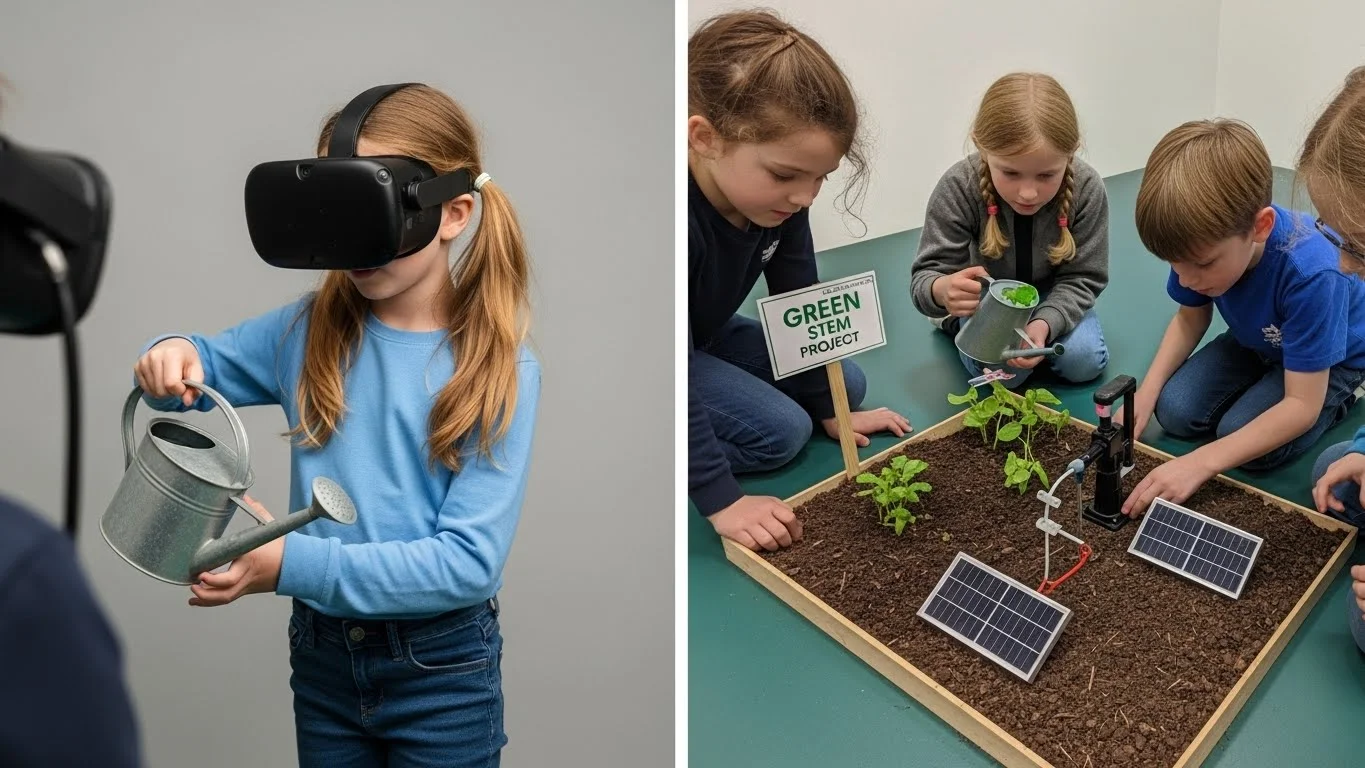
Overview of STEM Education in 2024
Definition of STEM
STEM stands for Science, Technology, Engineering, and Mathematics. It encompasses a wide range of disciplines that are crucial for understanding and engaging with the world around us. I’ve always found STEM fascinating because it encourages curiosity and problem-solving skills. In schools today, STEM isn’t just a subject; it’s an integrated approach to learning that fosters creativity and innovation.
Importance of STEM in Modern Education
In my experience, the importance of STEM education can’t be overstated. It equips children with critical thinking and analytical skills necessary for the challenges they will face in their futures. As technology advances and the job market evolves, having a strong foundation in STEM subjects can open numerous doors. I believe that by focusing on STEM, we are not just preparing kids for careers in science and technology, but we are also nurturing well-rounded individuals who can approach problems with a logical mindset and creativity.
Current Landscape of Children’s Education
The current landscape of children’s education in 2024 is a mix of traditional teaching methods and innovative approaches. I’ve noticed that many schools are increasingly integrating technology into their curricula, which makes learning more engaging for children. Online resources, interactive tools, and collaborative projects are becoming common in classrooms. We’re also seeing a shift towards including more real-world applications in lessons, which helps students understand the relevance of their studies. From my observations, educators are excited about these changes, as they see how they can inspire and motivate students.
Trend 1: Integration of Artificial Intelligence in Learning
AI-Powered Learning Platforms
Artificial intelligence is transforming education in ways I never thought possible. AI-powered learning platforms are becoming integral in classrooms. These tools adapt to a child’s unique learning pace and style, making education more personalized than ever. I remember seeing my niece use an AI platform that adjusted its difficulty based on her responses. It was amazing to see how quickly she grasped concepts without feeling overwhelmed. This kind of technology can provide instant feedback, helping students learn from their mistakes in real time.
Personalized Learning Experiences
Personalized learning experiences are a game-changer. I’ve spoken to parents who have seen their children’s confidence grow as they engage with material tailored just for them. No two learners are the same, and AI helps bridge that gap. It can analyze a student’s strengths and weaknesses, suggesting resources and activities that cater to their individual needs. In my opinion, this kind of targeted learning helps children feel more invested in their education, which is vital for long-term success. Read Interesting article: Packable Lunchbox Recipes That Won’t Break the Bank
AI Tutors and Assistants
AI tutors and assistants are also making waves in education. They can provide extra help outside of the classroom, which I find particularly beneficial for busy families. Imagine a child struggling with math at home. Instead of waiting until the next day at school, they can turn to an AI assistant for immediate guidance. I’ve seen kids thrive with this kind of support, as it allows them to learn at their own pace without the pressure of feeling judged. The future of learning looks bright with AI stepping in as a reliable partner for students and educators alike.
Trend 2: Emphasis on Coding and Computational Thinking
Early Coding Programs in Schools
As I reflect on the importance of coding in today’s world, I realize how crucial it is for children to learn these skills early on. Many schools are introducing coding programs at a young age, and I think this is fantastic. It empowers kids to understand the technology they interact with daily. I’ve watched my nephew engage with coding games, and it’s incredible to see how quickly he picks up concepts that once seemed daunting to many of us adults. These programs make coding fun and accessible, ensuring that children build confidence in their abilities.
Robotics and Coding Clubs
Robotics and coding clubs are another exciting development I’ve noticed. These clubs provide children with hands-on experiences that encourage teamwork and creativity. Kids work together to build projects, and I’ve seen firsthand how this collaboration fosters a sense of community among them. I remember attending a showcase where students demonstrated their robots, and the pride on their faces was unforgettable. They weren’t just learning to code; they were learning to think critically and collaborate effectively.
Resources for Parents and Educators
For parents and educators, the abundance of resources available is heartening. Online platforms, workshops, and community programs are popping up everywhere. I often recommend websites that offer free coding tutorials or apps that turn learning into an interactive game. It’s gratifying to see parents get involved in their children’s coding journey, making it a shared experience. Together, we can create a generation that is not only tech-savvy but also equipped to tackle future challenges with confidence. Read Interesting article: Affordable Gluten-Free Food Options While Traveling Abroad
Trend 3: Hands-On Learning Through Maker Spaces
What are Maker Spaces?
Maker spaces are creative, collaborative environments where kids can come together to design, build, and experiment. I remember visiting a local maker space with my friends, and it felt like stepping into a world of endless possibilities. These spaces are equipped with tools like 3D printers, robotics kits, and craft supplies, encouraging students to bring their ideas to life. For me, the appeal of maker spaces lies in their emphasis on creativity and collaboration. They give children the freedom to explore their interests in a hands-on way, which is something that traditional classrooms can sometimes lack.
Benefits of Hands-On Learning
Hands-on learning has always resonated with me. It’s one thing to read about a concept in a textbook, but it’s entirely different to experience it firsthand. In my view, maker spaces provide that crucial experience. They allow children to engage with STEM concepts practically, which helps cement their understanding. I’ve seen kids develop problem-solving skills as they face challenges while creating projects. They learn to iterate, to fail, and to try again, which I believe is one of the most valuable lessons they can take away from their education. This type of learning fosters resilience and encourages a growth mindset, which is essential in today’s fast-paced world.
Examples of Successful Maker Space Programs
There are numerous inspiring examples of successful maker space programs in schools across the country. For instance, I recently learned about a middle school in my area that transformed an unused classroom into a vibrant maker space. Students can now participate in after-school programs where they collaborate on projects ranging from coding games to building robots. I’ve heard from parents who say their children come home buzzing with excitement, eager to share what they’ve created. This enthusiasm is contagious, and it’s a reminder of how impactful hands-on learning can be. Another example is a high school that partnered with a local university to create a maker space focused on sustainability. Students work on projects that address real-world environmental issues, reinforcing the idea that their learning can have a positive impact on the world.
Trend 4: Focus on Environmental Science and Sustainability
Curriculum Changes to Include Sustainability
As I look around, it’s clear that the focus on environmental science and sustainability is becoming more pronounced in education. Schools are beginning to integrate sustainability into their curricula, and I think it’s about time. I’ve watched as science classes have shifted to include topics like renewable energy, conservation, and climate change. It’s inspiring to see students not only learning about these critical issues but also discussing how they can make a difference. I believe this awareness equips kids with the knowledge they need to take action in their own lives, fostering a sense of responsibility for the planet.
Outdoor Learning and Nature-Based Education
Outdoor learning is another area that has caught my attention. I remember my own school days when we would occasionally have outdoor science classes, but now it seems like more schools are embracing nature-based education as a regular part of their curriculum. I’ve seen programs where students learn about ecosystems right in their own backyards, getting their hands dirty and engaging with the natural world. This kind of experiential learning helps children develop a deeper appreciation for the environment. I feel that it not only enhances their understanding of complex scientific concepts but also nurtures a lifelong love for nature.
Partnerships with Environmental Organizations
Many schools are also forming partnerships with environmental organizations to bolster their sustainability efforts. I’ve come across several local schools collaborating with nonprofits to create programs that teach students about conservation. These partnerships provide resources, expert speakers, and hands-on projects that enrich the learning experience. In my opinion, these collaborations are vital; they connect students with real-world applications of what they learn in the classroom. I remember hearing about a school that participated in a tree-planting initiative, and the pride the students felt in contributing to their community was heartwarming.
Trend 5: Collaborative Learning and Team Projects
The Role of Group Work in STEM
Collaborative learning is becoming an integral part of STEM education. I’ve always enjoyed working with others, and I think it’s fascinating to see how group work enhances the learning process. In my experience, when students collaborate on projects, they not only share ideas but also learn from each other’s strengths. This teamwork helps build communication skills and fosters a sense of community. I remember working on a science project in high school where we had to design a bridge using limited materials. It amazed me how much we learned from each other during that process, and those skills have stuck with me throughout my life.
Project-Based Learning Initiatives
Project-based learning initiatives are an excellent way to implement collaborative learning. Many schools are incorporating projects that require teamwork and critical thinking. I’ve observed students engaging in real-world problems, such as designing solutions for their school’s recycling program or creating apps to help their community. These initiatives spark creativity and innovation, turning students into active participants in their education. I believe that this kind of experiential learning not only deepens their understanding of STEM concepts but also prepares them for collaborative work environments in their future careers.
Tools and Technologies for Collaboration
Technology plays a crucial role in facilitating collaboration. I’ve seen how tools like Google Classroom and various project management apps help students communicate and work together more effectively. These platforms allow for seamless sharing of ideas and resources, which is essential for any successful team project. From my perspective, using technology in this way not only enhances the learning experience but also equips students with skills they will need in the modern workplace. I find it exciting to think about how these collaborative tools will continue to evolve and shape the way students learn together.
Future Implications of STEM Trends
Preparing Students for Future Careers
As I think about the future implications of the current trends in STEM education, it becomes clear that we are setting our children up for success in careers that may not even exist yet. The rapid advancement of technology and the increasing importance of STEM skills in various fields can’t be ignored. I’ve seen firsthand how students who engage in these trends are more adaptable and ready to tackle challenges. For instance, as industries evolve, jobs in fields like artificial intelligence, renewable energy, and biotechnology are on the rise. By equipping kids with the skills they need today, we are essentially future-proofing their careers.
In my opinion, the emphasis on problem-solving, critical thinking, and collaboration prepares students for a workforce that values innovation. I’ve talked to many educators who believe that fostering these skills now will help students navigate the complexities of the job market later. It’s exciting to envision a generation of workers who are not only experts in their fields but also capable of thinking creatively to solve unprecedented problems.
The Role of Educators in Adapting to Trends
Educators play a pivotal role in shaping how these trends will influence the future of STEM education. I’ve noticed that many teachers are eager to embrace new teaching methods and technologies, but they need support and resources to do so effectively. I remember attending a workshop where teachers shared their experiences with integrating AI and coding into their classes. Their enthusiasm was infectious, and it highlighted the importance of professional development in this ever-evolving landscape.
From my perspective, it’s essential for schools to provide ongoing training for educators, allowing them to stay updated on the latest trends and tools. I believe that when teachers feel empowered and equipped, they can inspire their students in incredible ways. For example, I’ve seen teachers utilize maker spaces to create hands-on projects that not only engage students but also relate to real-world problems. This kind of innovative teaching can spark a love for learning that lasts a lifetime.
Potential Challenges and Solutions
While the future of STEM education looks promising, I’ve also noticed several challenges that need to be addressed. One major concern is access to resources. Not all schools have the same level of funding or access to technology, which can create disparities in learning opportunities. I’ve heard from parents and educators who are frustrated that some students miss out on important experiences due to budget constraints.
In my view, it’s crucial for communities to come together to support STEM initiatives. Local partnerships with businesses, nonprofits, and universities can provide valuable resources and expertise. I’ve seen successful collaborations where companies sponsor coding camps or supply equipment for maker spaces, making a significant difference in students’ experiences. I believe that if we work together, we can bridge the gap and ensure that all students have access to quality STEM education.
Another challenge is keeping up with the rapid pace of technological change. I often wonder how educators can stay ahead of the curve while managing their existing curricula. This is where collaboration among teachers can be incredibly beneficial. By sharing resources, lesson plans, and strategies, educators can support one another in adapting to new trends without feeling overwhelmed. I’ve witnessed some inspiring examples of teacher communities that thrive on collective learning, and it’s heartening to see the impact they have on their students.
Ultimately, I believe that by addressing these challenges head-on, we can create a more equitable and effective STEM educational landscape. The future is bright, and I’m excited to see how these trends will shape the next generation of learners. Together, we can ensure that every child has the opportunity to thrive in a world where STEM skills are more critical than ever.
Final Thoughts
Reflecting on the current trends in STEM education, I feel a sense of optimism about where we are headed. It’s exhilarating to witness schools embracing innovative approaches that not only captivate students’ interests but also equip them with essential skills for the future. I believe that by integrating elements like artificial intelligence, coding, and hands-on learning, we are cultivating an environment where creativity and critical thinking thrive.
As we advance, it’s vital to keep the focus on collaboration and community efforts in education. From my experience, when schools partner with local organizations and businesses, the resources and opportunities available to students expand significantly. I’ve seen firsthand how these partnerships can lead to exciting projects that enhance the learning experience and make education relevant to real-world issues. It’s fascinating to think about the impact of these collaborations on student engagement and motivation.
Moreover, as we push for a curriculum that prioritizes sustainability and environmental science, I am hopeful that today’s students will become tomorrow’s stewards of the planet. Their education is becoming increasingly intertwined with the realities of climate change and environmental responsibility, which I think is crucial. When children learn about sustainability, they not only gain knowledge but also develop a mindset that can lead to meaningful change in their communities.
I also appreciate the attention being given to educators themselves. It’s clear that when teachers are supported—through professional development, resources, and collaboration—they can bring transformative ideas into the classroom. I’ve been inspired by the passion of many educators who are dedicated to learning new methods and sharing insights with their peers. This spirit of collaboration among teachers can create a ripple effect that benefits students tremendously.
While the challenges ahead, such as resource disparities and rapid technological changes, are real, I believe we can tackle them together. Communities, educators, and families must unite to ensure that every child has access to quality STEM education, regardless of their background. By fostering an inclusive environment that encourages exploration and growth, we can help ignite a lifelong passion for learning in our children.
Ultimately, as we navigate this exciting landscape of educational reform, I’m reminded of the incredible potential within each student. The skills they gain today will shape not only their futures but also the future of our world. It’s an exciting time to be involved in education, and I’m grateful to witness this evolution. Together, we can inspire the next generation of innovators, problem-solvers, and changemakers.
Frequently Asked Questions
What does STEM stand for?
STEM stands for Science, Technology, Engineering, and Mathematics. It encompasses a wide range of disciplines crucial for understanding and engaging with the world.
Why is STEM education important in modern education?
STEM education equips children with critical thinking and analytical skills necessary for future challenges, opens numerous career doors, and nurtures well-rounded individuals who can approach problems creatively.
How are traditional and innovative teaching methods being integrated in 2024?
The current landscape of education in 2024 combines traditional teaching with innovative methods, integrating technology into curricula, utilizing online resources, and emphasizing real-world applications in lessons.
What role does artificial intelligence play in children’s education?
AI is transforming education by providing personalized learning experiences through AI-powered platforms, which adapt to a child’s learning pace and style, and offer instant feedback to enhance understanding.
What are maker spaces?
Maker spaces are creative, collaborative environments where kids can design, build, and experiment with tools like 3D printers and robotics kits, fostering creativity and hands-on learning.
How does hands-on learning benefit students?
Hands-on learning allows children to engage practically with STEM concepts, developing problem-solving skills and resilience as they learn through trial and error in a supportive environment.
What is the focus of environmental science and sustainability in education?
Schools are increasingly integrating sustainability into their curricula, covering topics like renewable energy and conservation, and fostering a sense of responsibility for the planet among students.
How is collaborative learning implemented in STEM education?
Collaborative learning is emphasized through group projects that enhance communication skills and foster a sense of community, enabling students to learn from each other while solving real-world problems.
What challenges does STEM education face?
Challenges include disparities in access to resources and keeping up with rapid technological changes. Collaborative efforts among communities, educators, and families are essential to address these issues.
What is the future implication of current STEM trends?
The trends in STEM education are preparing students for future careers by equipping them with essential skills like problem-solving, critical thinking, and collaboration, making them adaptable to an evolving job market.