
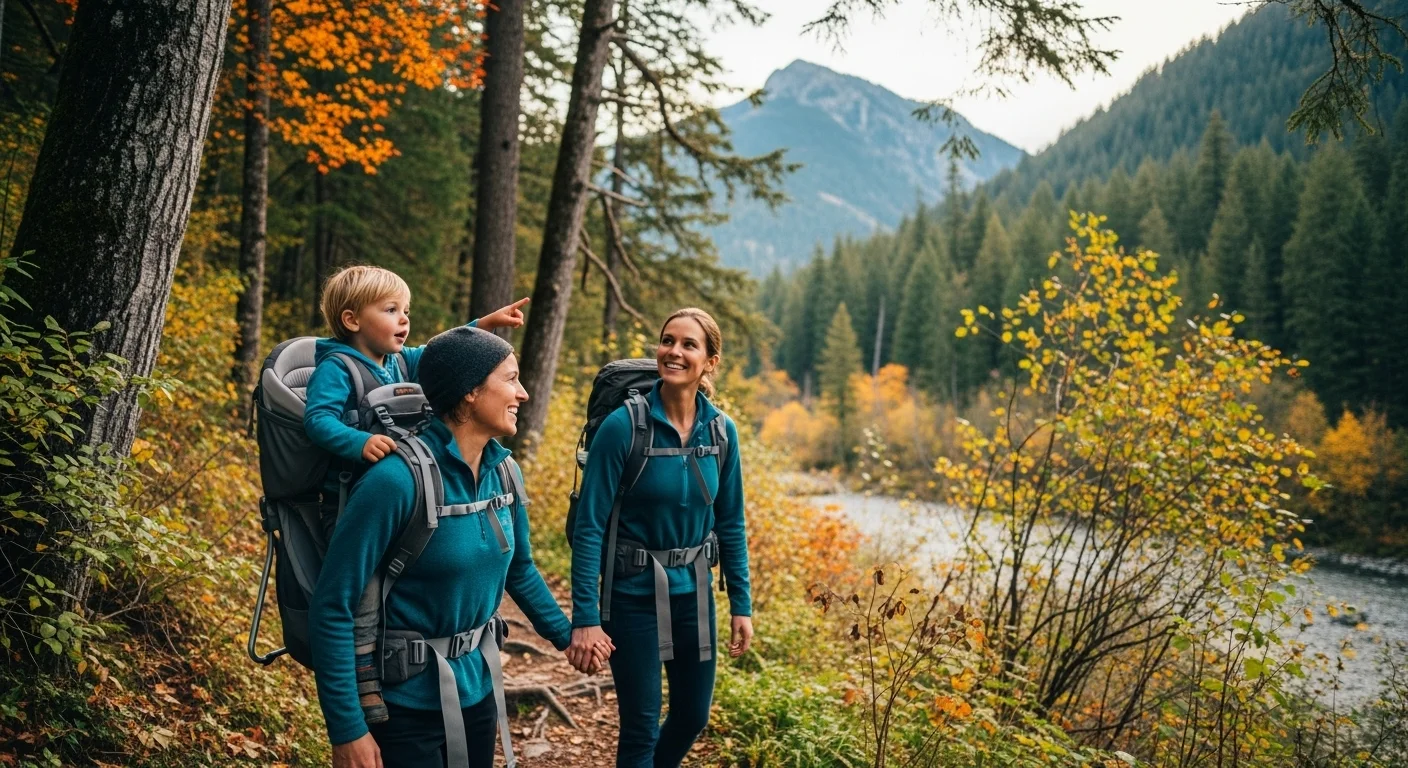
Backpacking with toddlers can be a magical experience that sparks curiosity and enhances memory skills. Exploring the great outdoors together not only creates lasting memories but also aids in your child’s cognitive development. Let’s dive into how these adventures can make a difference!
Understanding the Importance of Memory Skills in Toddlers
When I first became a parent, I was amazed at how quickly my toddler learned new things. It felt like every day was filled with discoveries and surprises. I quickly realized that memory skills play a significant role in this process. For toddlers, memory skills are crucial for their overall development, influencing how they learn, communicate, and interact with the world around them. Understanding this importance helped me shape our family activities, especially our outdoor adventures.
How Memory Skills Develop in Early Childhood
From my observations, toddlers start developing memory skills very early. They begin with simple recognition, such as remembering familiar faces or favorite toys. As they grow, their memory expands to include events and experiences. One of the most exciting parts of this development is how memory can be enhanced through experiences. I’ve noticed that when my child encounters new environments or challenges, their ability to recall and connect information improves significantly. This progression is essential as it lays the foundation for learning in later years.
Research shows that toddlers benefit from active engagement with their surroundings. For instance, I remember taking my little one to a local park where we observed squirrels, birds, and different trees. This hands-on experience made it easier for my child to remember names and characteristics of these objects. The more they can touch, see, and explore, the stronger their memory becomes. This is why backpacking can be such a powerful tool for enhancing memory skills. Boost Your Toddler’s Memory: Fun Backpacking Tips!
The Role of Outdoor Experiences in Cognitive Development
Outdoor experiences provide a unique setting for toddlers to learn and grow. I’ve always believed that nature is one of the best classrooms. When we venture out on backpacking trips, we immerse ourselves in a world filled with sights, sounds, and scents that are simply not available indoors. Each hike presents opportunities for learning—whether it’s identifying animal tracks or listening to the rustling of leaves. I’ve seen my toddler’s curiosity ignite as they ask questions and make connections between what they observe and what they already know.
Moreover, outdoor experiences promote problem-solving and critical thinking skills. I recall a time when we climbed a small hill, and my child faced the challenge of navigating around some rocks. This moment taught them to assess their surroundings, make decisions, and overcome obstacles. Such experiences are invaluable for cognitive development, as they encourage toddlers to think independently and recall information to apply it in real-time situations.
Benefits of Backpacking Adventures for Toddlers
Backpacking is more than just a fun activity; it’s a treasure trove of benefits for toddlers. In my experience, each hike we take seems to bring a new set of skills and memories, enriching our family bond and my child’s growth.
Enhancing Cognitive Skills through Exploration
Exploration is at the heart of backpacking. Every trail we embark on reveals new landscapes, wildlife, and plants. This constant exposure to new stimuli enhances cognitive skills. As my toddler learns to recognize different trees or spots a deer in the distance, they are not just having fun; they’re actively engaging their memory. I often see my child excitedly recounting stories about our hikes, demonstrating their recollection of details—something I cherish as a parent.
Physical Activity and Its Impact on Learning
Backpacking is also a fantastic way to get physical activity, which is essential for a toddler’s overall health. I’ve observed that when my child is physically active, they seem to be more alert and receptive to learning. The interplay between physical activity and cognitive function is well-documented. As we hike and explore, my child’s energy levels remain high, allowing them to absorb information more effectively. It’s a win-win situation, where we both enjoy the adventure while nurturing growth.
Social Interaction and Communication Skills
Backpacking adventures also offer opportunities for social interaction. Whether it’s with family members or fellow hikers, these experiences provide a platform for toddlers to practice their communication skills. I remember a hiking trip where my child made friends with another young explorer. They shared stories, pointed out interesting sights, and even played games along the way. Watching them interact and communicate was heartwarming. It made me realize that these experiences foster not only memory skills but also social development.
In my journey as a parent, I’ve discovered that engaging in outdoor activities like backpacking significantly enhances toddler memory skills. As we’ve explored nature together, we’ve not only created beautiful memories but also laid a strong foundation for cognitive growth. I can’t wait to share more about our favorite backpacking destinations and activities that further enhance these skills in our next section! Read Interesting article: Essential Baby Safety Gear for Backpacking Adventures
Top Backpacking Destinations for Families with Toddlers
As I’ve ventured into the world of backpacking with my toddler, I’ve discovered some incredible destinations that are perfect for families. These places offer not only breathtaking scenery but also trails that are manageable and enjoyable for little ones. I love how each location has its unique charm, making our adventures both exciting and educational.
National Parks
Yosemite National Park
Yosemite National Park holds a special place in my heart. The towering granite cliffs, stunning waterfalls, and beautiful meadows create a magical backdrop for any family adventure. One of the easiest and most rewarding trails for toddlers is the Mirror Lake Trail. It’s a flat, approximately 2-mile round trip that leads to a serene lake reflecting the majestic mountains. I remember my little one marveling at the reflections, pointing excitedly at the ducks and other wildlife. The park also offers ranger-led programs that provide stories and activities tailored for young children, making the experience even more memorable.
Yellowstone National Park
Yellowstone National Park is another fantastic destination for families. With its geothermal wonders and diverse wildlife, there’s no shortage of things to see and do. The Fountain Paint Pot Trail is a relatively easy 0.5-mile loop that showcases bubbling mud pots and colorful hot springs. I found that the vibrant colors and unique features captured my child’s attention and sparked endless questions. Plus, spotting bison or elk along the way added an extra thrill to our hike. The park’s visitor centers often have family-friendly exhibits that encourage exploration and learning.
State Parks
Great Smoky Mountains National Park
The Great Smoky Mountains National Park is a treasure trove of natural beauty and adventure. I particularly love the Laurel Falls Trail, which is a gentle 2.6-mile round trip to one of the park’s most picturesque waterfalls. The sound of rushing water brings a sense of wonder, and my toddler loved splashing in the shallow pools at the base of the falls. The park offers numerous short and easy trails, making it a great place for families to explore together. We often took breaks to observe the beautiful wildflowers and wildlife, turning our hikes into mini nature lessons.
Redwood National and State Parks
Walking among the towering redwoods feels like stepping into another world. Redwood National and State Parks have several toddler-friendly trails, but the Lady Bird Johnson Grove Trail is a favorite of mine. This easy 1-mile loop winds through a majestic forest of ancient trees. I can still picture my child looking up in awe, trying to capture the enormity of the redwoods in their little mind. It was a fantastic opportunity to discuss the importance of these trees and their role in the ecosystem, bringing a sense of environmental awareness to our adventure.
Scenic Trails
Appalachian Trail (Family-Friendly Sections)
The Appalachian Trail is known for its stunning scenery and length, but there are several sections that are perfect for families with toddlers. I found the section around the Shenandoah National Park particularly enjoyable. The relatively flat terrain and well-marked trails made it easy to navigate. We hiked the Stony Man Trail, which is just about a mile long and offers panoramic views at the summit. The sense of accomplishment my child felt after reaching the top was wonderful to see. The park also has picnic areas, which allowed us to take a break and enjoy lunch surrounded by nature.
Pacific Crest Trail (Accessible Sections)
The Pacific Crest Trail has numerous accessible sections that can accommodate families hiking with toddlers. One memorable area is the section near Lake Tahoe. We hiked a short segment of the trail that meandered along the shoreline, providing stunning views of the lake. I remember my toddler excitedly searching for interesting rocks and watching boats glide across the water. The gentle slopes and shaded areas made it a comfortable hike, and we often stopped to enjoy snacks and take in the scenery. This approach made the hike feel less like a chore and more like an adventure.
Choosing the right destination can significantly enhance our backpacking experience with toddlers. Each of these locations offers unique opportunities for exploration and learning, ensuring that our family adventures are filled with joy and discovery. As we set out on these trails, I felt a growing connection not only with nature but also with my child, creating cherished memories that I know will last a lifetime. In the next section, I’m excited to share some engaging activities that we can do during our backpacking trips to further nurture memory skills!
Activities to Enhance Memory Skills During Backpacking
One of the most enjoyable parts of backpacking with toddlers is finding creative ways to engage their minds while exploring nature. I’ve discovered that incorporating fun activities during our hikes not only boosts my child’s memory skills but also makes the experience more enriching for both of us. Here are a few activities I’ve tried that have worked wonders for us!
Nature Scavenger Hunts
Nature scavenger hunts are a fantastic way to encourage exploration and observation. Before heading out, I like to prepare a simple list of items to find on our hike, such as specific leaves, rocks, or signs of wildlife. I remember one particular hike where we set out to find different types of leaves. My toddler was so excited, running around trying to identify each one! This activity not only kept them engaged but also reinforced their memory by associating the names of plants with their shapes and colors.
To make it even more memorable, we sometimes take photos of each item we find. Later, we look back at the pictures together, discussing each one. This reinforces their learning while creating a visual memory that they can recall long after our trip. Scavenger hunts can also be adapted to include sounds—like a bird’s call or the rustling of leaves—which adds another layer of sensory learning.
Storytelling and Nature Journals
Storytelling is a powerful tool for memory enhancement, and I’ve found that combining it with nature can spark my child’s imagination. After a day of hiking, we often sit down together to share stories about our adventures. I encourage my toddler to tell their version of the day’s events, which helps them practice recalling details while fostering their storytelling abilities.
We also keep a nature journal where we draw pictures and write (or I write while they dictate) about our experiences. I remember a day when we spotted a family of deer. My child was so inspired that they drew the deer in our journal and narrated a little story about them. This not only reinforces their memory of that encounter but also builds their creative skills. Looking back at our journal entries has become a delightful way for us to reminisce and strengthen the memories we’ve created.
Memory Games and Songs
Incorporating games and songs into our backpacking trips has been another effective way to enhance memory skills. I often play simple memory games while we hike. For example, I might start by saying, “I went on a hike and saw a squirrel.” My toddler then adds something they saw, like, “I went on a hike and saw a squirrel and a butterfly.” We take turns adding to the list, which not only exercises their memory but also makes us laugh along the way.
We also love to sing songs while we hike. There’s something about the rhythm and repetition of songs that helps reinforce learning. I’ve noticed that singing nature-related songs or even creating silly tunes about our surroundings can boost my child’s enthusiasm. Songs about animals or plants help them remember the names and characteristics of what we’ve seen, making our hikes more enjoyable and educational.
These activities have transformed our backpacking trips into interactive learning experiences that enhance my child’s memory skills while deepening our connection with nature. I’ve found that the more engaged we are, the richer our experiences become. As we continue to explore together, I can’t wait to share some essential safety tips that have made our adventures more enjoyable and worry-free! Read Interesting article: Backpacking with Toddlers: Boosting Cognitive Skills on a Budget
Safety Tips for Backpacking with Toddlers
Choosing the Right Gear
When I first started backpacking with my toddler, I quickly realized that having the right gear can make all the difference. I remember spending hours researching and testing various items to ensure our hikes would be safe and enjoyable. For toddlers, comfort and safety are paramount. I found that a well-fitted child carrier is essential, especially for longer treks. It not only allows my little one to enjoy the view but also gives me peace of mind knowing they’re secure. There are so many options available, from framed carriers to soft-structured ones, and I recommend trying them in-store to find the best fit for both you and your child.
In addition to carriers, having the right clothing is crucial. I learned the hard way that layering is key, as weather can change quickly in the outdoors. I often dress my child in moisture-wicking fabrics and always pack an extra layer. Sturdy shoes are also a must; toddlers can be surprisingly nimble, but they need proper footwear to avoid slips and falls. I remember one hike when my child slipped on a rocky path, and having good shoes prevented any serious mishaps. It’s comforting to know that we’re prepared for whatever nature throws our way.
Staying Hydrated and Nourished
Keeping my toddler hydrated and nourished during our hikes has been a learning experience. I’ve found that it’s easy to forget to drink water when we’re busy exploring, but I make it a point to stop regularly to hydrate. I often carry a lightweight hydration pack with a straw, which my child loves to use. It encourages them to drink more often without the hassle of stopping to dig through my backpack.
Snacks are another vital part of our hiking routine. I’ve learned that packing nutritious, energy-boosting snacks keeps my toddler happy and energized. Some of our favorites include trail mix, fruit, and granola bars. I remember one hike where I packed slices of apple and peanut butter, and it turned into a delightful picnic stop. These little breaks for hydration and snacks not only keep us fueled but also create a fun, relaxed atmosphere during our adventure.
First Aid Essentials for Families
No matter how careful we are, sometimes scrapes and bumps are part of outdoor adventures. I always pack a small first aid kit when we go backpacking. It includes basics like band-aids, antiseptic wipes, and insect bite cream. I remember a time when my toddler took a tumble and scraped their knee. Having that first aid kit handy allowed us to clean the wound and get back to enjoying our hike in no time. I also recommend learning basic first aid skills; knowing how to handle minor injuries can make you feel more confident and prepared for any situation.
Planning Your Backpacking Adventure
When to Go: Seasonal Considerations
Timing our backpacking trips has been a crucial factor in ensuring a successful outing. I’ve discovered that spring and fall are often the best times for hiking with toddlers. The weather tends to be milder, and the scenery is stunning with blooming flowers in spring and vibrant fall foliage. I remember our first fall hike when the leaves were a mix of reds and oranges; it was like stepping into a painting! In summer, the heat can be intense, so I try to plan shorter hikes during the cooler parts of the day.
How to Choose Family-Friendly Trails
Choosing the right trail has been a game-changer in our hiking adventures. I always look for trails that are well-maintained, with gentle terrain and clear markers. I’ve found that shorter loop trails are perfect, as they allow for a sense of accomplishment without overwhelming my toddler. Websites and apps that focus on family-friendly hikes have been incredibly helpful. I remember finding a trail online that was rated easy, and it turned out to be perfect for my little one—great scenery and manageable distance.
Creating a Packing List for Toddlers
Creating a packing list specific to my toddler has been one of the most beneficial practices I’ve adopted. It ensures we don’t forget essential items. I typically include their favorite snacks, extra clothing, sunblock, and a toy or two for downtime. I remember on one trip, I forgot my toddler’s favorite stuffed animal, which made for a very long hike! Now, I make our packing list together, which gives my child a sense of ownership and excitement about our adventure.
Encouraging a Love for Nature and Learning
Integrating Educational Activities into Your Trip
One of the joys of backpacking is the opportunity to weave learning into our adventures. I love to turn our hikes into educational experiences by discussing the flora and fauna we encounter. I’ve taken to using simple apps to identify plants and animals, which gets my toddler engaged and curious. I remember pointing out a unique flower and using the app to learn its name and characteristics. This not only enriches our knowledge but also fosters a deeper connection to nature.
Promoting Curiosity and Exploration in Nature
Encouraging curiosity has been a priority during our hikes. I often ask open-ended questions that prompt my toddler to explore and think critically. Phrases like “What do you think lives in that hole?” or “How does that tree feel?” have sparked some great conversations. I’ve seen my child become more observant and engaged in their surroundings through this practice. Fostering their natural curiosity enhances their learning experience, making our time in nature even more meaningful.
Final Thoughts
Backpacking with toddlers has become one of the most rewarding experiences of my parenting journey. Through these outdoor adventures, I’ve witnessed my child’s growth in memory skills, cognitive development, and a love for nature. It’s been a joy to see how exploring the great outdoors together creates deep connections and lasting memories. I truly believe that these moments in nature are invaluable, as they lay the groundwork for a lifetime of curiosity and learning. As we continue to embark on new adventures, I look forward to the discoveries and memories that await us on the trails.
Frequently Asked Questions
What are the benefits of backpacking with toddlers?
Backpacking with toddlers enhances memory skills, promotes cognitive development, and creates lasting family memories. It also encourages physical activity, social interaction, and communication skills.
How do memory skills develop in toddlers?
Toddlers start developing memory skills early by recognizing familiar faces and toys. As they grow, their memory expands to include events and experiences, which can be enhanced through active engagement with their surroundings.
What role do outdoor experiences play in a toddler’s cognitive development?
Outdoor experiences provide unique learning opportunities that stimulate curiosity and critical thinking. They encourage problem-solving as toddlers navigate their environment and make connections between observations and prior knowledge.
What activities can enhance memory skills during backpacking trips?
Activities such as nature scavenger hunts, storytelling, and memory games can enhance memory skills. These activities engage toddlers’ minds and reinforce their learning while exploring nature.
What are some recommended backpacking destinations for families with toddlers?
Recommended destinations include Yosemite National Park, Yellowstone National Park, Great Smoky Mountains National Park, and Redwood National and State Parks, all of which offer toddler-friendly trails and educational opportunities.
What safety tips should parents consider when backpacking with toddlers?
Parents should choose the right gear, ensure proper hydration and nutrition, pack a first aid kit, and dress toddlers in suitable clothing for the weather to ensure a safe and enjoyable hiking experience.
When is the best time to go backpacking with toddlers?
Spring and fall are often the best times for hiking with toddlers due to milder weather and beautiful scenery. Summer hikes should be planned for cooler parts of the day to avoid heat.
How can parents encourage curiosity and exploration in nature?
Parents can promote curiosity by asking open-ended questions, discussing the flora and fauna encountered, and using apps to identify plants and animals, which engages toddlers and deepens their connection to nature.
What should be included in a packing list for toddlers during a backpacking trip?
A packing list for toddlers should include favorite snacks, extra clothing, sunblock, a first aid kit, and a toy or two for downtime. Involving toddlers in creating the list can enhance their excitement about the adventure.
How does physical activity impact learning in toddlers during backpacking?
Physical activity is essential for a toddler’s overall health and enhances cognitive function. When toddlers are active, they tend to be more alert and receptive to learning, making hikes both fun and educational.