
Traveling with kids can be a fantastic way to help them learn essential social skills. Budget-friendly destinations not only keep costs low but also provide unique experiences that encourage interaction and growth. Read Interesting article: Memory Development: Best Budget Travel Destinations for Kids
Understanding the Importance of Social Skills for Kids
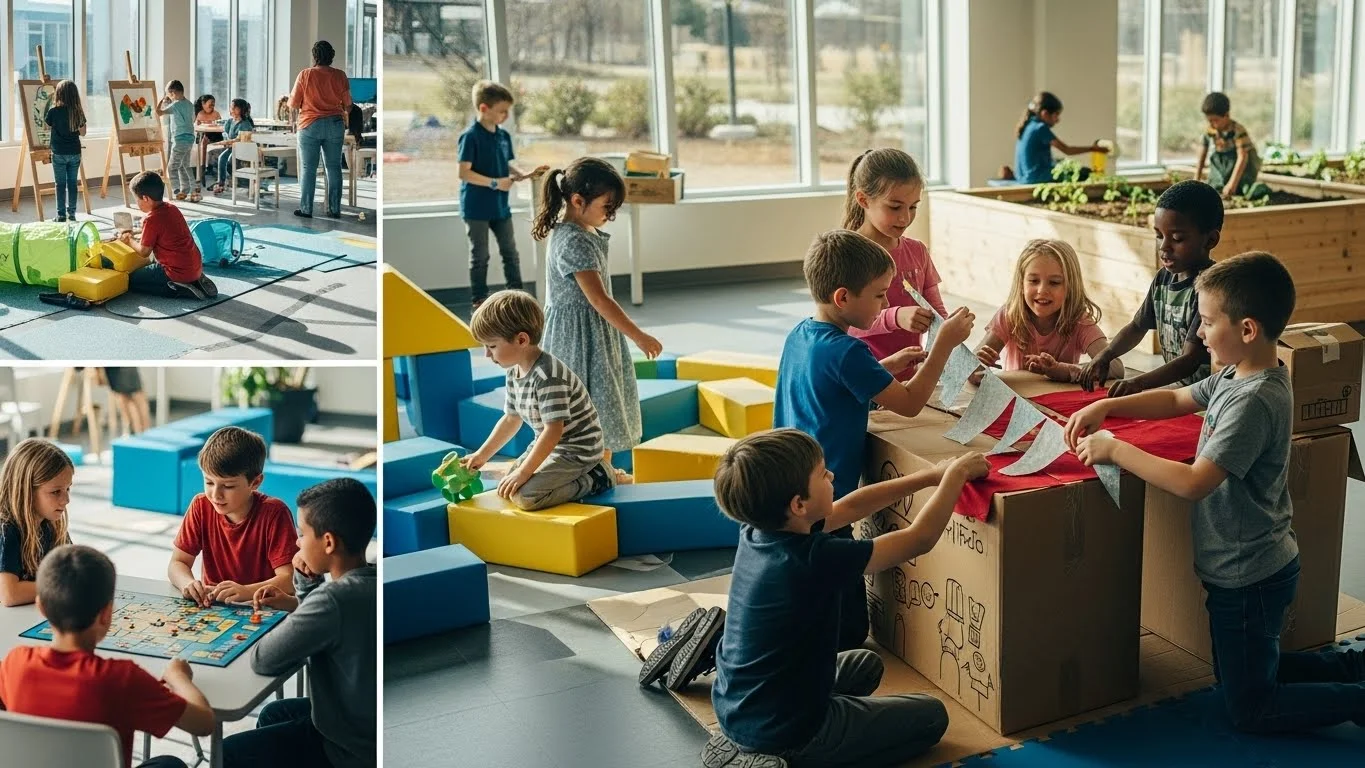
When I think about my children growing up, I realize how vital it is for them to develop strong social skills. These skills are not just about making friends; they shape how kids interact, understand others, and navigate the world around them. As parents, we often focus on academics, but fostering social skills is equally important.
What are Social Skills?
Social skills encompass a range of behaviors that allow individuals to communicate effectively, build relationships, and function well in society. For kids, these skills might include sharing toys, taking turns, showing empathy, and being able to engage in conversation. I remember my own childhood, where playing with friends taught me lessons that no classroom could. Each interaction helped me understand the feelings of others and how to express my own.
Why are Social Skills Important for Children?
Social skills are crucial for several reasons. They help kids build friendships, navigate conflicts, and collaborate with peers. I’ve seen firsthand how children with strong social skills tend to have higher self-esteem and lower levels of anxiety. They are more likely to succeed in school and beyond, as they can communicate their needs and work well in teams. It’s a bit like planting seeds: the more we nurture their social skills, the more they blossom into healthy relationships and opportunities later in life.
How Travel Can Enhance Social Skills
Traveling opens up a world of experiences that are vibrant and full of lessons. I believe that stepping outside of our comfort zone is one of the best ways to learn. When we travel, kids encounter new people, cultures, and situations that challenge them to communicate and adapt. I recall a family trip we took to a small town where my children had to interact with local vendors, ask for directions, and even make new friends at a park. These experiences helped them practice their social skills in real-life scenarios, and I noticed a significant boost in their confidence afterward. Moreover, travel often requires teamwork and problem-solving, both of which are key components of social skills development. Read Interesting article: Backpacking with Kids: Fun Ways to Boost Social Skills
Criteria for Selecting Budget Destinations
As we plan trips, I’ve found that keeping a few criteria in mind can make a big difference. Finding budget-friendly places is essential, but so is ensuring that the destination offers opportunities for learning and connection. Here are the criteria I consider when choosing our family adventures.
Affordability and Value
Affordability is a given when traveling on a budget, but I also look for value. Sometimes, staying at a less expensive location can lead to unexpected adventures. For instance, I’ve discovered that local community events or festivals often have low entrance fees, yet they offer rich experiences. I think it’s important to research and find places that allow us to stretch our dollars while providing memorable moments for the kids.
Accessibility and Safety
Safety is always my top priority. When traveling with kids, I ensure that the destinations we choose are safe and accessible. I usually check online reviews and local resources to gauge the safety of an area. It gives me peace of mind knowing that my children are in a secure environment where they can explore freely and interact with others.
Opportunities for Interaction and Learning
Lastly, I look for places that encourage interaction and learning. Parks, community centers, and educational farms are among my favorites because they provide structured activities that promote social skills. I’ve seen my kids thrive in environments where they can work together with others on projects or share experiences. It’s these moments that create lasting memories and valuable lessons.
As we continue through this journey of discovering top budget destinations for kids to learn social skills, I’m excited to share specific places that have made a significant difference for us. Each destination has its unique charm and opportunities for growth, making our travels not just adventures but also enriching experiences that shape our children’s futures.
Top Budget Destinations for Kids to Learn Social Skills
1. National Parks
Examples: Yellowstone, Yosemite
When I think about family bonding time, national parks are always at the top of my list. Places like Yellowstone and Yosemite offer breathtaking scenery, but they also create the perfect backdrop for my kids to develop social skills. I remember the first time we hiked in Yosemite; my children were not only awed by the towering trees and stunning waterfalls but also had the chance to meet other families on the trails. This led to spontaneous conversations, shared experiences, and even a group picnic we all enjoyed together.
Activities: Group hiking, camping
Group hiking or camping in these parks encourages teamwork and communication. I love how my kids have to work together to navigate trails, set up tents, or even cook meals over a campfire. These experiences teach them about collaboration and compromise, which are crucial social skills. Plus, the natural setting makes it easier for them to engage with each other and with other families they meet along the way.
2. Community Centers
Examples: Local art or science museums
Community centers are often underappreciated gems. I’ve found that local art or science museums can be incredibly engaging for kids. These places usually have interactive exhibits that not only captivate my children’s attention but also spark conversations with other kids. For instance, during a recent visit to a science exhibit, my kids teamed up with another family to solve a puzzle. It was heartwarming to see them work together, sharing ideas and learning from each other.
Activities: Workshops, classes
Many community centers offer workshops or classes aimed at kids. I’ve signed my kids up for everything from pottery to coding. These classes encourage interaction with peers, helping them to develop their social skills in a structured environment. I believe that learning alongside others builds confidence and teaches them how to relate to their peers while having fun.
3. Summer Camps
Types: Nature camps, sports camps
Summer camps hold a special place in my heart. I’ve seen how they can transform kids in just a few weeks. Nature camps and sports camps are particularly effective because they immerse children in teamwork and collaboration. My son attended a nature camp last summer, where he spent his days exploring the outdoors and making friends. I noticed how his ability to communicate and cooperate with others blossomed during that time.
Activities: Team-building exercises
Team-building exercises are integral to summer camps. I remember one day, my daughter came home excited about a scavenger hunt they did in teams. She told me how they had to brainstorm, assign roles, and work together to complete tasks. It was a fantastic way for her to practice leadership skills and learn to value the contributions of others. These experiences are not only fun but also critical for developing social skills in a supportive setting.
4. City Parks and Recreation Areas
Examples: Local parks, playgrounds
City parks and recreation areas are perfect for spontaneous fun and socializing. We often head to our local park, where my kids can meet other children to play games or just hang out. I’ve seen how a simple game of tag can lead to new friendships and shared laughter. The informal nature of city parks allows kids to explore social dynamics freely.
Activities: Group games, picnics
Organizing group games or picnics can further enhance these experiences. I’ve hosted potluck picnics where my kids invite friends and their families. This not only fosters social interaction but also teaches my kids about sharing and hospitality. Watching them take the initiative to organize activities has made me realize how much they’ve grown in their social skills.
5. Educational Farms
Examples: Local farms with educational programs
Visiting educational farms is another favorite of ours. It’s a fun way for kids to learn about agriculture while interacting with others. At our local farm, my children have participated in workshops where they learned about animal care and farming practices. I’ve found that these hands-on experiences allow them to connect with both the animals and other kids.
Activities: Animal care, farm chores
Activities like feeding animals or helping with farm chores encourage responsibility and teamwork. I’ll never forget the day my daughter helped a group of kids to lead a goat for a demonstration. They communicated clearly and worked together, which really highlighted their growing social skills. It’s an experience that stays with them long after the visit.
6. Cultural Festivals
Examples: Local fairs, food festivals
Cultural festivals are a beautiful way to expose kids to diversity and community spirit. I’ve taken my family to various local fairs and food festivals, where we’ve explored different cultures through food, music, and art. The vibrant atmosphere encourages interaction, and I’ve seen my kids approach others to ask questions or try new foods.
Activities: Cultural exchanges, performances
Participating in cultural exchanges or performances promotes understanding and empathy. At one festival, my children joined a dance workshop, where they learned traditional dances alongside other kids. It was a rewarding experience that fostered connection and respect for different cultures, showing them how to appreciate diversity while developing their social skills.
Activities and Experiences That Foster Social Skills
Role-Playing and Interactive Games
One of my favorite ways to help my kids develop social skills is through role-playing and interactive games. I remember when we first tried this at home; I set up a little scenario where my kids acted as different characters in a store. They practiced greeting customers, taking orders, and even handling money. It was so much fun to watch them take turns and negotiate roles. Role-playing not only enhances their communication skills but also encourages empathy as they learn to see things from someone else’s perspective. These playful activities can easily be incorporated into our travels—for instance, during a trip to a local market, we can create a game where they have to negotiate prices or ask vendors questions. This adds an element of excitement to their learning experience while helping them practice their social skills in a real-world setting. Read Interesting article: Travel Tips for Teaching Kids Social Skills on the Go
Team Sports and Group Activities
Team sports have always been a fantastic way for my children to bond with peers while learning essential social skills. I’ve seen how playing soccer or basketball together teaches them about teamwork, sportsmanship, and communication. When my son joined a local soccer team, I noticed he became more confident in speaking up during games and learned to support his teammates. The camaraderie that comes from working towards a common goal creates lasting friendships and fosters a sense of belonging. Moreover, these activities often involve kids from different backgrounds, which helps them appreciate diversity and develop compassion for others. I recommend looking for local leagues or community sports programs wherever we travel; it’s a great way for my kids to meet new friends and practice their social skills in a supportive environment.
Community Service Opportunities
Engaging in community service has been incredibly rewarding for us as a family. Volunteering together not only provides a chance to give back but also allows my children to interact with people of all ages and backgrounds. I remember when we participated in a beach clean-up; not only did we help the environment, but the kids also had the opportunity to work alongside other volunteers. They learned to communicate their ideas and collaborate with others to accomplish a shared goal. I’ve found that these experiences nurture empathy and foster a sense of responsibility in my children. By encouraging them to contribute to their community, we cultivate social skills that extend beyond our family and into the larger world.
Workshops and Skill-Building Classes
Workshops and skill-building classes are another fantastic avenue for my kids to enhance their social skills. I’ve enrolled them in various programs, from art classes to coding boot camps. Each class provides a unique setting for them to learn alongside peers, encouraging them to engage and express themselves. For example, during a pottery class, I noticed my daughter collaborating with another child to share ideas about their projects. It’s amazing how these structured environments promote interaction and help kids build friendships while learning a new skill. I believe that workshops not only boost their confidence but also provide them with the tools to communicate effectively with others. Whenever we travel, I look for local classes or workshops that could ignite my children’s interests and allow them to connect with new friends.
Tips for Parents: Making the Most of Budget Travel
Planning and Budgeting for Family Trips
Planning a budget-friendly trip can feel daunting, but I’ve learned that with a little creativity and organization, it can be a rewarding experience. I usually start by setting a budget that includes accommodation, meals, activities, and transportation. Then, I research destinations that fit our budget while offering enriching experiences. For instance, I’ve discovered that traveling during the off-peak season not only saves money but also allows us to enjoy popular attractions without the crowds. I also look for family deals or discounts on activities and accommodations. By involving my kids in the planning process, they feel more invested in the trip, and it often leads to discussions about what they hope to learn and experience. This collaborative approach makes the journey more exciting for all of us!
Encouraging Interaction with Other Kids
As we travel, I make a conscious effort to encourage my kids to interact with others. I often remind them to be open to making new friends, whether at a park, during an activity, or even at a restaurant. I’ve noticed that simple things like starting a conversation or asking someone to join in a game can lead to wonderful friendships. I’ll often suggest they initiate play by inviting other kids to join in on a game of tag or sharing a toy. This not only builds their confidence but also helps them practice essential social skills like initiating conversations and showing interest in others. I believe that these interactions are invaluable, and they often lead to unforgettable memories for my children.
Choosing Accommodations That Promote Socialization
The type of accommodation we choose can significantly impact our experience. I’ve found that staying in family-friendly hotels, hostels, or vacation rentals with communal areas encourages socialization among guests. For example, when we stayed at a family-oriented hostel during our last trip, my kids quickly made friends with other travelers in the common area. They spent hours playing games and sharing stories, which reinforced their social skills in a relaxed setting. I also look for accommodations that offer group activities or family events, as these opportunities promote interaction and create lasting memories. By strategically selecting where we stay, we can enhance our travel experience while fostering connections for my kids.
Frequently Asked Questions
What are social skills and why are they important for kids?
Social skills encompass a range of behaviors that allow individuals to communicate effectively, build relationships, and function well in society. For kids, these skills include sharing toys, taking turns, showing empathy, and engaging in conversation. They are important because they help kids build friendships, navigate conflicts, and collaborate with peers, leading to higher self-esteem and lower anxiety.
How can traveling enhance children’s social skills?
Traveling exposes kids to new people, cultures, and situations, which challenges them to communicate and adapt. Experiences such as interacting with local vendors or meeting other families during trips help them practice their social skills in real-life scenarios, boosting their confidence and teaching teamwork and problem-solving.
What criteria should I consider when selecting budget destinations for family travel?
When selecting budget destinations, consider affordability and value, accessibility and safety, and opportunities for interaction and learning. Look for places that offer enriching experiences while being safe and budget-friendly.
What types of activities can help develop social skills in kids while traveling?
Activities that foster social skills include group hiking, camping, workshops, team-building exercises, and participating in cultural exchanges. Engaging in these activities allows kids to work together, communicate, and learn from one another in a supportive environment.
What are some recommended budget destinations for kids to learn social skills?
Some recommended budget destinations include national parks, community centers, summer camps, city parks, educational farms, and cultural festivals. Each offers unique opportunities for interaction and learning.
How can role-playing and interactive games help children develop social skills?
Role-playing and interactive games help children enhance their communication skills and encourage empathy by allowing them to see things from different perspectives. These activities promote negotiation and cooperation among peers.
Why are team sports beneficial for children’s social skills?
Team sports teach kids about teamwork, sportsmanship, and communication. They foster friendships and a sense of belonging while helping children appreciate diversity through interactions with peers from different backgrounds.
How can community service opportunities contribute to social skills development?
Engaging in community service allows children to interact with people of various ages and backgrounds, nurturing empathy and responsibility. These experiences encourage collaboration and communication as they work towards a shared goal.
What tips can parents follow to make the most of budget travel?
Parents can plan and budget effectively by setting a clear budget, researching destinations, involving kids in the planning process, encouraging interactions with other children, and choosing accommodations that promote socialization.
How can parents encourage their kids to interact with others while traveling?
Parents can encourage interaction by reminding their kids to be open to making new friends, initiating conversations, and inviting others to join in games. Simple actions can lead to wonderful friendships and valuable social skills practice.