
Traveling with family can be a wonderful adventure, but it’s essential to keep electrical safety in mind. From charging devices to using unfamiliar outlets, understanding electrical safety measures is crucial for a worry-free trip. Read Interesting article: Essential Electrical Safety Tips for Family Travel
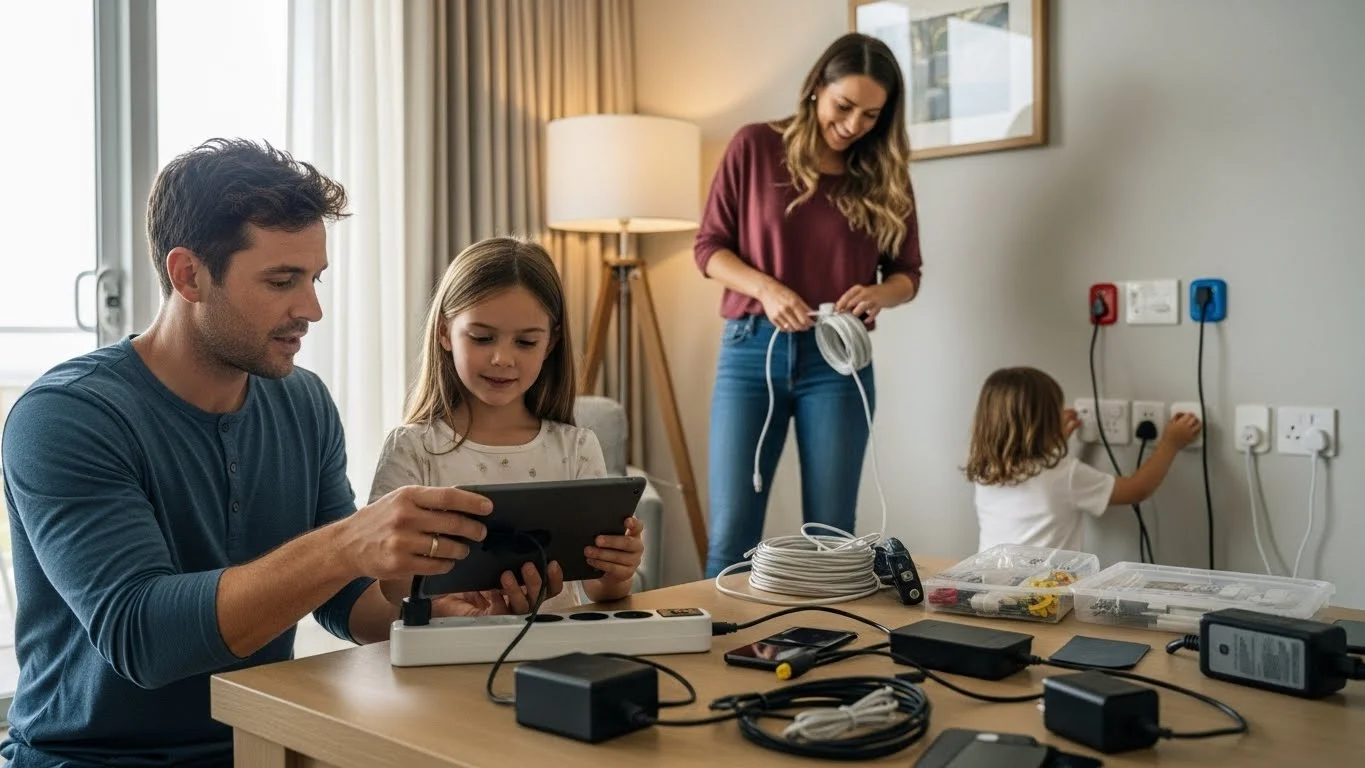
Understanding Electrical Safety While Traveling
The Importance of Electrical Safety for Families
When my family decided to take a road trip across the country, I realized that we needed to be aware of electrical safety, especially with kids in tow. We often think about packing snacks and entertainment for the drive, but ensuring our electrical devices and appliances are safe was just as important. Electrical safety isn’t just a hassle-free checklist; it’s about protecting everyone. I learned that being proactive could prevent accidents and make our travels smoother.
As families, we rely heavily on technology. Whether it’s for navigation, communication, or entertainment, our devices are essential. However, with this reliance comes the responsibility to ensure that we use them safely. I remember a time when my phone charger malfunctioned in a hotel, and it really drove home the point that electrical safety is a must. Protecting our family from electrical hazards means being informed and prepared. For more insights, check out Childproofing Your Home: Electrical Safety Must-Knows.
Common Electrical Hazards on the Road
As we hit the road, I started to think about the various electrical hazards we might encounter. One of the most common dangers is overloading circuits, especially in older hotels or rental properties. I’ve seen firsthand how too many devices plugged into one outlet can cause a circuit to trip. It’s annoying, but more importantly, it can pose a fire hazard. I always made sure to check how many devices we’d be using and to spread them out instead of crowding them into one outlet.
Another hazard is the risk of using the wrong type of power adapter. I remember traveling internationally and discovering that different countries have different voltage standards. This was a game-changer for us. Using a device with the wrong voltage can damage it or even cause an electrical shock. So, I quickly learned to research the voltage requirements for the countries we visited.
Wiring issues are also something to be cautious about. When staying in rentals, I’ve noticed some properties don’t have up-to-date wiring. Loose outlets or frayed cords can lead to serious problems. I’ve learned to inspect the electrical setup when we arrive, just to be safe.
Pre-Travel Electrical Safety Preparations
Inspecting Electrical Devices Before Travel
Before we pack our bags, I always make it a point to inspect our electrical devices. This means checking for any frayed cords, broken plugs, or signs of wear and tear. Last year, I noticed that my daughter’s tablet charger was starting to look a bit worn out. I decided to replace it before our trip to avoid any issues while we were away. Safety first, right? I recommend making a checklist of all the devices you plan to bring along. This way, you can ensure that everything is in good condition before you leave.
Understanding Voltage and Plug Types by Country
When traveling abroad, understanding the voltage and plug types is crucial. I remember my first trip to Europe when I packed all my chargers, only to find out that they didn’t fit the outlets. It was a huge hassle! I learned to research the specific plug types and voltage requirements of the countries we visit. Most countries have their own standards, and it’s essential to know whether you need a simple plug adapter or a voltage converter as well.
Choosing the Right Power Adapter
Choosing the right power adapter can be a game-changer for traveling families. I’ve found that universal travel adapters are incredibly useful because they can work in multiple countries. When I bought one for our last trip, it allowed me to charge all our devices without worrying about compatibility. I recommend investing in a good-quality universal adapter that has USB ports as well. This way, we can charge multiple devices at once without overloading a single outlet.
Also, keep in mind that some adapters are not designed for high-wattage devices like hair dryers or curling irons. I learned this the hard way when my hair dryer blew a fuse in our hotel room. Now, I always double-check the wattage before plugging in any high-power devices.
Electrical Safety Measures in Accommodation
Assessing Electrical Outlets and Wiring
When we arrive at a new place, whether it’s a hotel or a rental house, I make it a habit to assess the electrical outlets and wiring before unpacking. I remember one time we stayed in a charming little cabin that looked great, but upon inspection, I noticed the outlets were a bit loose. I felt uneasy plugging in our devices, worrying about potential hazards. So, I decided to mention it to the property owner, who quickly sent someone to fix the issue. I realized that it’s better to be proactive than to take risks. Checking outlets for any signs of wear or damage gives me peace of mind that our devices—and our family—are safe.
Identifying Potential Hazards in Rental Properties
Rental properties can be a bit of a mixed bag when it comes to electrical safety. I’ve had my fair share of experiences where I had to carefully assess the environment. Loose cords, exposed wires, and even overloaded power strips can pose serious risks. During one of our trips, I found a power strip that looked like it had been through the wringer—frayed edges and a burnt smell. I immediately unplugged it and replaced it with a spare I had brought along. I think it’s essential for families to be vigilant and not just assume that everything is safe because it’s provided by the host. If something feels off, it’s worth addressing it. I always encourage others to trust their instincts and report any hazards they find.
Using Surge Protectors for Sensitive Devices
I can’t stress enough how important surge protectors are when traveling. With all the devices we bring along—like laptops, tablets, and phones—a sudden surge could damage them. On our last trip, I made sure to pack a compact surge protector that could handle multiple devices at once. It gave me comfort knowing that we were protected against unexpected voltage spikes, especially in older accommodations. I’ve also learned that it’s smart to use surge protectors in places with unreliable electricity, as it can save my devices from potential disaster. Plus, having a surge protector allows me to charge several items simultaneously without overloading an outlet, which is a win-win for everyone in the family!
Safe Use of Electrical Devices While Traveling
Charging Devices Safely in Public Spaces
Charging devices while on the go can be quite a challenge, especially in public spaces like airports or cafes. I remember a time when I was so focused on finding an available outlet that I didn’t realize I was sitting next to someone who was using a sketchy-looking power strip. I felt a bit uneasy, knowing that I was plugging my phone into something potentially unsafe. Now, I always look for reputable charging stations and avoid using public outlets that seem questionable. I recommend keeping a portable charger handy; it’s a lifesaver when I can’t find a safe outlet. Plus, it allows my family and me to charge our devices more securely without the worry of unexpected hazards.
Using Extension Cords and Power Strips Wisely
While extension cords and power strips can be handy, I’ve learned that they need to be used wisely. I remember bringing an extension cord during one trip and then realizing that I had plugged in way too many devices. It was a cramped spot, and I could almost feel the electricity in the air—definitely not a good sign! Now, I try to limit the number of devices on one cord and never use an extension cord with a high-wattage appliance. I also make sure to choose cords rated for the number of devices we need to charge, keeping safety at the forefront of my mind.
Keeping Cords and Chargers Organized and Tangle-Free
One of my ongoing struggles has been dealing with tangled cords and chargers. I can’t tell you how many times I’ve fished through my bag, only to find a jumbled mess! To combat this, I’ve started using cable organizers and pouches. It keeps everything neat and makes it easier to find what I need without hassle. Not only does this organization save time, but it also reduces the risk of wear and tear on the cords. I find that having designated spots for each device’s charger helps ensure we’re always ready to go when it’s time to hit the road again.
Teaching Kids About Electrical Safety
Age-Appropriate Electrical Safety Tips
One of the best lessons I’ve learned as a parent is the importance of teaching kids about electrical safety at a young age. For my children, I’ve made it a fun activity to talk about safe and unsafe electrical practices. For instance, I explain why they should never touch outlets or play with cords. We’ve created little games where they identify safe and unsafe practices around the house and when we travel. I think making it engaging helps them remember these important lessons. Plus, I love seeing their faces light up when they get it right!
Recognizing Electrical Hazards Together
When we travel, I like to turn our experiences into a learning opportunity for my kids. We walk around our accommodations and point out potential electrical hazards together. I remember during one vacation, we spotted an old, frayed electrical cord in our rental. I used that moment to explain why it’s crucial to stay away from anything that looks dangerous. I want my kids to be aware of their surroundings and feel empowered to speak up if they notice something unsafe, whether at home or on the road.
Emergency Protocols: What to Do in Case of an Electrical Incident
Having a plan in case of an electrical incident is something I prioritize for our family. I’ve sat down with my kids to discuss what steps to take if they ever come across an electrical shock or fire. We’ve practiced the basics, like how to call for help and where to find the emergency numbers of our travel destinations. I believe that being prepared can reduce panic during a stressful situation. Knowing that my kids are informed gives me a sense of relief, and I feel confident they can handle potential emergencies with a clear head.
Emergency Electrical Safety Measures for Families
Creating an Emergency Contact List
One of the first things I do before any trip is create an emergency contact list. I make sure to include important numbers, such as local emergency services, our accommodation’s contact information, and even the nearest hospital. It’s a simple step, but it can make a huge difference in a crisis. I have our list saved on my phone and a printed copy tucked away in our travel documents, just in case. I encourage my family to familiarize themselves with it so they know who to contact if something goes wrong.
Knowing How to Shut Off Power in Different Settings
Understanding how to shut off power is a crucial skill, especially when traveling. I’ve made it a point to educate my kids about circuit breakers in our home, and I’ve also shown them how to locate the breaker box in places we stay. Knowing how to cut off power in an emergency can prevent further damage or danger. I feel more at ease knowing they have this knowledge, and we’ve even practiced it a few times during our travels.
First Aid for Electrical Shock: Basic Steps
Though it’s an uncomfortable topic, I believe every family should know the basics of first aid for electrical shocks. I’ve taken the time to learn how to respond in such situations and teach my kids what to do if someone gets shocked. We’ve talked about not touching the victim until the power source is turned off and calling for help immediately. I think that being prepared for worst-case scenarios can help ease some of the worry that comes with traveling, especially when kids are involved. Knowing we have a plan helps me feel more secure on our adventures.
Resources for Electrical Safety While Traveling
Recommended Apps for Electrical Safety and Outlets
In our tech-driven world, I’ve found several apps that make electrical safety a lot easier while we’re traveling. I particularly like apps that help identify outlet types and voltage requirements based on location. They come in handy when I’m in a pinch, ensuring I have the right adapters and voltage converters. I also keep an app on my phone that gives tips for electrical safety, reminding me of best practices on the road. Having these resources at my fingertips allows me to travel with confidence.
Websites and Organizations Focused on Electrical Safety
There are also many websites and organizations dedicated to electrical safety that I often refer to. The National Fire Protection Association (NFPA) and the Consumer Product Safety Commission (CPSC) offer valuable resources and guidelines. I’ve taken time to explore their content, and I feel more informed about electrical safety after doing so. These resources can help families like ours stay safe while traveling and at home. I always recommend checking them out before embarking on any journey—it could make all the difference!
Understanding Electrical Safety While Traveling
Understanding Voltage and Plug Types by Country
When planning our travels, I always make it a priority to understand the voltage and plug types of the countries we are visiting. I remember the first time my family and I went to Japan. I had packed all our chargers, confident that we would be able to charge our devices, only to find that the outlets were completely different from what we were used to back home. It was a frustrating experience, but it taught me the importance of doing my homework before heading out on a trip.
Every country has its own voltage standards, and knowing whether you need a simple plug adapter or a voltage converter can save a lot of headaches. I make it a habit of checking resources like the World Standards, which outline the voltage and plug types for each country. By doing this research ahead of time, I can ensure that every device we bring along, from laptops to hair straighteners, will work safely in our new environment.
Choosing the Right Power Adapter
One of the best investments we’ve made for our family travels is a good-quality universal power adapter. When I first bought one, it felt like a game-changer. I could charge all our devices without the constant worry of compatibility issues. I remember on one trip, we had three different devices needing charging at the same time, and my universal adapter allowed us to plug them all in. I highly recommend looking for adapters that come with multiple USB ports, as they simplify the charging process. It keeps everything organized and ready to go.
However, I’ve also learned the hard way that not all adapters are created equal. Some adapters aren’t designed for high-wattage devices, like hair dryers, so I always double-check the wattage limitations before plugging anything in. This little precaution has saved me from the embarrassment of blowing a fuse in a hotel room more than once!
Electrical Safety Measures in Accommodation
Assessing Electrical Outlets and Wiring
Upon arriving at our accommodations, I make it a point to assess the electrical outlets and wiring before unpacking. This practice has become second nature to me. I recall one time we stayed at a quaint bed and breakfast that boasted vintage charm but had some concerning wiring issues. I noticed that the outlets were loose, and some had visible wear. It gave me a sinking feeling, but I realized it was better to address it immediately rather than risk using them later. I calmly spoke to the owner, who was grateful for my feedback, and they quickly arranged for repairs.
This experience reminded me that it’s essential to check outlets for any signs of damage or wear. A quick inspection can provide peace of mind and prevent potential hazards. Now, I always recommend this to fellow travelers—don’t take anything for granted when it comes to electrical safety!
Identifying Potential Hazards in Rental Properties
When staying in rental properties, I’ve discovered that it’s crucial to be vigilant about electrical safety. On one particular trip, I found a power strip with frayed edges and a burnt smell. My instincts kicked in, and I unplugged it right away. Instead of just assuming everything was safe because it was provided by the host, I took the responsibility to ensure our environment was secure. It’s taught me that being proactive is key.
I encourage families to have a quick look around and identify any potential hazards. Check for loose cords, exposed wiring, or overloaded outlets. If something seems off, don’t hesitate to report it to the owner or management. I believe that trusting your gut and staying alert can go a long way in keeping everyone safe during your travels.
Using Surge Protectors for Sensitive Devices
Surge protectors have become essential for our family during travels. With all the devices we carry—laptops, tablets, phones—a sudden surge in electricity can wreak havoc. On our last vacation, I made sure to pack a compact surge protector that could accommodate multiple devices. It gave me peace of mind knowing that our gadgets were protected against unexpected voltage spikes, especially in older accommodations where the electrical systems may not be up to par.
I’ve also discovered that using surge protectors in locations with unreliable electricity is a smart move. It not only shields our devices from potential disaster but also allows us to charge several items at once without overloading a single outlet. It’s a small investment that pays off in comfort and safety throughout our travels!
Safe Use of Electrical Devices While Traveling
Charging Devices Safely in Public Spaces
While traveling, I’ve learned that charging devices in public spaces can be a bit tricky. Airports and cafes are convenient, but I always stay cautious. I remember a time when I sat near a suspicious-looking power strip in an airport. It made me realize the importance of being selective about where I charge my devices. Now, I prioritize looking for reputable charging stations and avoid outlets that seem questionable.
I also recommend keeping a portable charger handy. It’s a lifesaver when I can’t find a safe outlet, and it means my family and I can charge our devices securely without the worry of unexpected hazards. It’s become a staple in my travel bag, providing that extra layer of comfort when we’re on the go.
Using Extension Cords and Power Strips Wisely
Extension cords and power strips can be lifesavers, but I’ve learned that they need to be used wisely. I remember a trip where I brought along an extension cord and ended up plugging in way too many devices. It created a tense atmosphere, as I could almost feel the electricity crackling! From that moment on, I decided to limit the number of devices on one cord and never use an extension cord with high-wattage appliances. Ensuring safety while charging is a top priority for me and my family.
Keeping Cords and Chargers Organized and Tangle-Free
One thing I used to struggle with constantly was tangled cords and chargers. It was always a hassle digging through my bag to find what I needed. To tackle this issue, I started using cable organizers and pouches. It keeps everything neat, making it easier to find and reducing the risk of wear and tear on the cords. I love having designated spots for each device’s charger, so we’re always ready to go as soon as it’s time to hit the road again.
Frequently Asked Questions
Why is electrical safety important for families while traveling?
Electrical safety is crucial for families while traveling because it helps protect everyone from potential hazards associated with electrical devices and appliances. Being proactive can prevent accidents and ensure a smoother travel experience.
What are common electrical hazards families might encounter on the road?
Common electrical hazards include overloading circuits in older hotels or rental properties, using the wrong type of power adapter which can damage devices, and dealing with wiring issues such as loose outlets or frayed cords.
How should families prepare their electrical devices before traveling?
Families should inspect their electrical devices for any frayed cords, broken plugs, or signs of wear and tear. Creating a checklist of all devices to ensure they are in good condition before leaving is also recommended.
What should travelers know about voltage and plug types in different countries?
Travelers should research the voltage and plug types specific to the countries they are visiting. This knowledge is essential to determine whether they need a simple plug adapter or a voltage converter to safely charge their devices.
How can families choose the right power adapter for their travels?
Choosing a good-quality universal travel adapter is beneficial as it can work in multiple countries. It’s also wise to look for adapters with USB ports to charge several devices simultaneously while avoiding overloads.
What steps should families take to assess electrical safety in their accommodations?
Upon arrival, families should inspect electrical outlets and wiring for any signs of damage or wear. If any issues are found, they should address them with the property owner to ensure safety before unpacking.
Why are surge protectors important when traveling with electronic devices?
Surge protectors are important because they protect sensitive devices from unexpected voltage spikes, especially in older accommodations. They also allow multiple devices to be charged simultaneously without overloading an outlet.
What precautions should be taken when charging devices in public spaces?
When charging devices in public spaces, it’s important to look for reputable charging stations and avoid questionable outlets. Keeping a portable charger handy is also recommended for secure charging when safe outlets are unavailable.
How can families keep their cords and chargers organized while traveling?
Using cable organizers and pouches can help keep cords and chargers neat, making it easier to find what’s needed. Designating specific spots for each device’s charger also reduces wear and tear and saves time.
What should families teach their children about electrical safety?
Families should educate their children about safe and unsafe electrical practices, recognize electrical hazards together, and discuss emergency protocols in case of electrical incidents. Engaging kids in these discussions helps them remember important safety lessons.