
Traveling can be an exhilarating adventure, but it also comes with its share of risks. Having the right first aid gear can make all the difference between a minor mishap and a major setback on your journey. Read Interesting article: Essential First Aid Tips for Backpacking Adventures
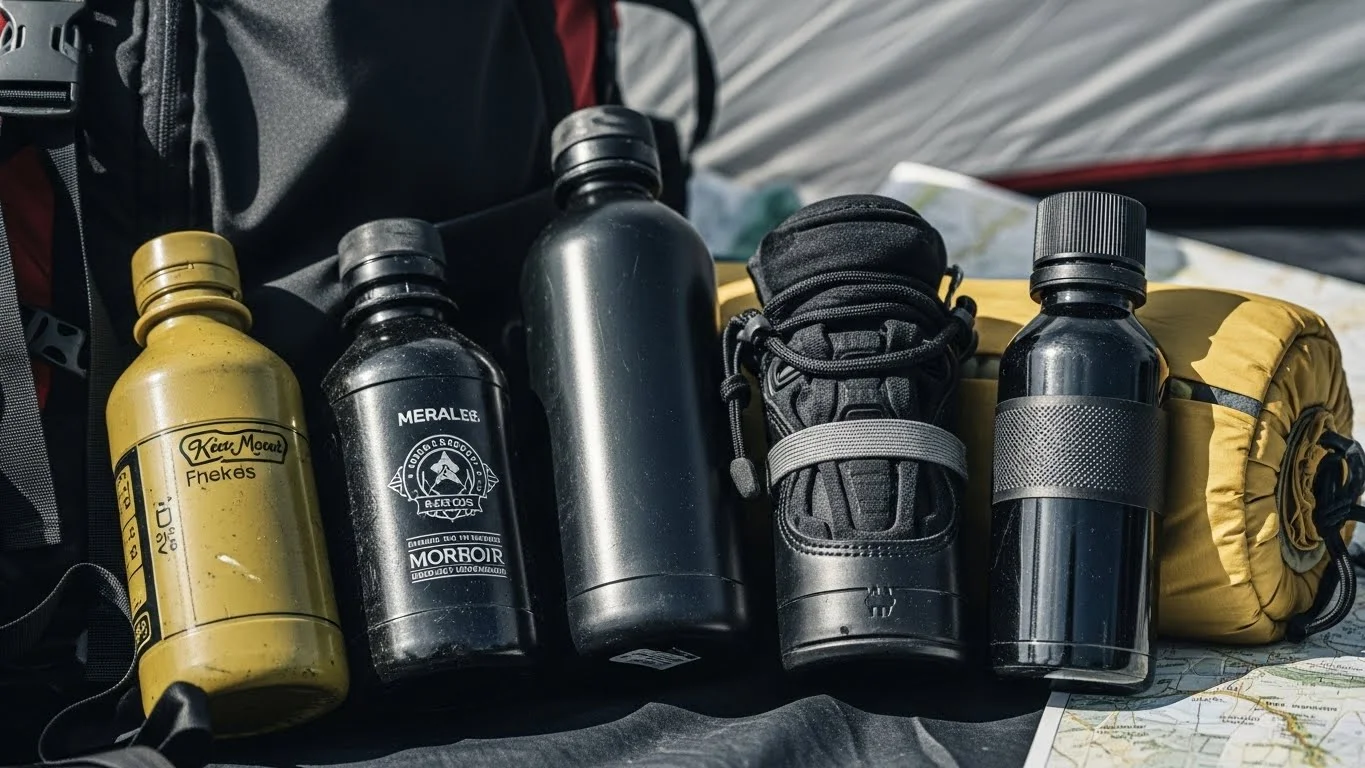
Understanding First Aid Essentials for Travelers
Importance of First Aid Gear While Traveling
When I first started backpacking, I didn’t think much about first aid gear. I figured I could just buy some over-the-counter medicine if needed. However, after a few trips and some unfortunate incidents, I quickly realized how vital it is to have a well-stocked first aid kit. Being prepared gives me peace of mind and allows me to focus on enjoying my travels rather than worrying about what might happen if I get hurt or sick. I believe that having first aid gear is just as crucial as packing my clothes and travel documents. For a deeper understanding of first aid, check out the Backpacker’s Guide to First Aid for Sports Injuries.
Common Travel-Related Injuries and Illnesses
During my travels, I’ve encountered a variety of bumps and bruises. Some of the most common travel-related injuries include cuts and scrapes from hiking, insect bites, and even minor burns from cooking. I’ve also seen travelers dealing with stomach issues due to food that their bodies weren’t used to. It’s important to be ready for these situations because they can happen when you least expect them. Knowing that I have the right gear to handle these issues has made my trips much more enjoyable.
Key Components of a First Aid Kit
Adhesive Bandages and Dressings
One of the first things I always pack is adhesive bandages. They are essential for treating minor cuts and scrapes. I remember one trip where I accidentally scraped my knee while exploring some rocky terrain. Having a few various sizes of band-aids on hand made it easy to cover the wound and keep it clean. I recommend selecting a kit that includes both fabric and waterproof options to ensure they stay put no matter what activities you’re doing.
Antiseptic Wipes and Creams
Alongside bandages, antiseptic wipes and creams are crucial for cleaning wounds. I once got a small cut that I didn’t treat right away, and it got infected. Since then, I always carry antiseptic wipes to clean any cuts before covering them up. They help prevent infections and keep the area clean, allowing for faster healing. I’ve found that having a small bottle of antiseptic cream is also handy for larger wounds.
Gauze Pads and Medical Tape
For larger injuries, gauze pads and medical tape are indispensable. On one memorable hike, a friend tripped and fell, resulting in a nasty scrape on her arm. We quickly used gauze pads to cover the wound and medical tape to secure them. It was a relief to know that we had the right supplies on hand to manage a situation that could have ruined our day. I always recommend packing a few different sizes of gauze pads for versatility.
Pain Relievers and Anti-Inflammatory Medications
No one wants to deal with headaches or muscle pain while traveling. I always carry a small bottle of pain relievers and anti-inflammatory medications. I’ve found that they can be a lifesaver after a long day of hiking or when adjusting to a new climate. Whether it’s a headache, sore muscles, or a mild fever, having these medications on hand means I can quickly address any discomfort and keep enjoying my trip.
Allergy Medications and Antihistamines
Allergies can strike at the most inconvenient times. I learned this the hard way when I had an allergic reaction to something I ate during a trip. Thanks to some antihistamines I had packed, I was able to manage the situation without needing to find a pharmacy. I recommend including both regular antihistamines and those that are drowsy in your kit, as you never know when they might come in handy.
Burn Treatments and Cold Packs
Burns can happen easily while cooking or even from sun exposure. I always make sure to have a burn treatment gel in my kit. On one camping trip, I accidentally touched a hot pot and was grateful to have burn cream on hand to soothe the pain. Additionally, cold packs can be effective for minor injuries and are great for reducing inflammation. I’ve found that the instant cold packs are particularly handy since they don’t require any freezing ahead of time.
Thermometer and First Aid Manual
Lastly, I include a digital thermometer in my kit. It helps me keep track of any fever when I’m feeling unwell. A first aid manual is also a great resource, especially if you’re not entirely confident about how to handle certain injuries. I’ve flipped through mine a few times in a pinch, and it’s reassuring to have clear instructions on what to do in various situations.
Top Budget-Friendly First Aid Kits for Backpackers
Compact Kits for Lightweight Packing
When I’m out on the trails, every ounce counts. I remember the first time I tried to pack light for a multi-day hike; I packed way too much and ended up regretting it. That’s why I’ve come to appreciate compact first aid kits that fit easily into my backpack without weighing me down. These kits usually contain the essentials, like band-aids, antiseptic wipes, and pain relievers, all neatly organized in a small pouch. One of my favorites is a kit that includes a carabiner, making it easy to clip onto my pack for quick access. It’s a relief to know that I have what I need without bulkiness getting in the way of my adventure.
Travel-Sized First Aid Kits
Travel-sized first aid kits are another fantastic option I’ve found. They are designed specifically for travelers and often come with a variety of supplies tailored for minor injuries. These kits are not only compact but are usually packed with just the right amount of supplies for short trips. I recall a weekend getaway where I brought along a travel-sized kit. It had everything I needed for minor scrapes, and it fit perfectly in my toiletry bag. It’s great to have a kit that’s easy to pack and doesn’t take up much space while still being fully equipped for any bumps along the way.
Customizable Kits for Specific Destinations
Customizable first aid kits are a game changer for those of us who travel to different environments. I like to tailor my kits based on where I’m headed. For instance, if I’m going to a tropical location, I’ll make sure to pack extra insect bite relief and sunburn treatment. On a recent trip to the mountains, I added extra supplies for altitude sickness and blister prevention. Having the flexibility to adjust my kit based on my destination has made a big difference in my travel experience. It’s all about being prepared for what I might encounter.
Best Value Kits Under $30
Finding a high-quality first aid kit without breaking the bank is possible. I’ve come across several great options priced under $30 that don’t skimp on essentials. One kit I picked up was a comprehensive set that included all the basics plus extra items like a whistle and emergency blanket. It gave me peace of mind knowing I had more than just the bare minimum. I often suggest checking online reviews before purchasing since they can offer insights into what other travelers found useful. These budget-friendly kits have been lifesavers for me on many occasions, proving that I don’t need to spend a fortune to stay prepared. Don’t forget to also consider Protecting Young Athletes: Best Safety Gear for Sports when planning your travels.
DIY First Aid Kits: Cost-Effective Alternatives
Essential Items to Include in a DIY Kit
Creating my own first aid kit was one of the most rewarding experiences I’ve had as a traveler. I was able to select items that specifically catered to my needs, which made me feel more in control. Some essential items I always include are adhesive bandages, antiseptic wipes, gauze pads, and pain relievers. I also add a few personal items like my preferred allergy medication and a small emergency blanket. It’s satisfying to know that I can build a kit that feels tailored to my travel style and preferences.
Tips for Assembling Your Own First Aid Kit
Assembling a DIY first aid kit can be a fun project. I recommend starting with a sturdy, waterproof bag to keep everything organized and safe from the elements. I found that using small zip-lock bags within the larger kit helps keep smaller items sorted. It’s also wise to check expiration dates regularly, especially for medications. I like to review my kit before every trip, ensuring everything is stocked and ready to go. This little routine has turned into a nice pre-trip ritual for me.
How to Personalize Your Kit Based on Activities
Personalizing my first aid kit based on the activities I plan to do has been a game changer. For example, if I’m going on a long hike, I’ll add blister pads and extra gauze. If my itinerary includes swimming, I’ll include waterproof bandages. I even carry additional supplies for any sports activities, like a small elastic bandage for sprains. Tailoring my kit means I’m well-prepared for whatever comes my way, ensuring I can focus on having fun instead of worrying about potential injuries.
Special Considerations for Hiking and Outdoor Travel
Essential Gear for Outdoor Adventures
When I hike, I’ve learned that my first aid kit isn’t the only essential gear I need. I also pack items like a multi-tool, which can be invaluable for various situations, from cutting gauze to opening a bottle of water. A headlamp or flashlight is crucial too, especially if I find myself out longer than planned. I can’t tell you how many times I’ve had to navigate my way back in the dark! Having the right gear makes all the difference in ensuring a safe and enjoyable outdoor adventure.
Dealing with Insect Bites and Stings
Insect bites can be a real nuisance while traveling, especially in warmer climates. I’ve found that carrying a small bottle of hydrocortisone cream helps relieve itching. I also keep an insect bite relief pen handy; it’s easy to use and fits well in my kit. I remember one instance where I was swarmed by mosquitoes while camping, and having these remedies on hand turned an uncomfortable situation into just a slight annoyance. Prevention is key, so I also bring insect repellent and wear long sleeves when I can.
Handling Cuts and Scrapes in the Wilderness
In the outdoors, cuts and scrapes are almost inevitable. I’ve learned to be quick to act when something happens. After cleaning a wound with antiseptic wipes, I ensure to cover it thoroughly with a bandage to keep dirt and bacteria out. I’ve also discovered that keeping a small tube of antibiotic ointment in my kit is incredibly useful to apply before dressing a wound. This simple step has helped speed up healing and prevent infections, allowing me to continue enjoying my adventures with minimal interruptions.
Travel Safety Tips to Complement Your First Aid Gear
Researching Healthcare Resources at Your Destination
Before heading out on my adventures, I always take some time to research healthcare resources at my destination. Knowing where the nearest hospital or clinic is can be incredibly reassuring if something goes wrong. I remember traveling to a remote area where I had to look up the closest medical facilities. It turned out there was a small clinic just a few miles away, which calmed my nerves. I recommend doing this research ahead of time and noting down contact numbers and addresses in case of emergencies. This way, I’m not scrambling to find help when every second counts.
Maintaining Hygiene to Prevent Illness
Staying healthy while traveling is something I prioritize, and maintaining hygiene plays a huge role in that. I’ve learned that simple practices like washing my hands regularly and using hand sanitizer can prevent a lot of issues, especially when I’m in places where clean water isn’t readily available. On one trip, I got a stomach bug that could have been avoided if I had been more diligent about hygiene. Now, I always carry hand sanitizer and disinfecting wipes in my pack. I also try to avoid street food in areas where food safety might be questionable. By being mindful of hygiene, I can focus on enjoying my travels without worrying about getting sick.
Emergency Contact Information and Local Laws
Having a list of emergency contact information is another crucial aspect of travel safety that I’ve learned to prioritize. I make sure to have the contact details of my country’s embassy or consulate, local emergency services, and a trusted friend or family member back home. I even store these numbers in my phone and write them down in my travel journal. Additionally, it’s vital to familiarize myself with local laws and customs. For instance, I once found myself in a situation where I didn’t know the local regulations regarding medication. Thankfully, I had done my homework and avoided any potential legal troubles. Understanding these aspects not only keeps me safe but also enriches my travel experience.
Where to Buy First Aid Gear on a Budget
Online Retailers for Affordable Options
When it comes to buying first aid gear, I’ve found that online retailers often have the best deals. Websites like Amazon offer a wide variety of kits and supplies at competitive prices. I usually take the time to compare different options and read reviews to ensure I’m getting quality products. I remember finding a well-rated first aid kit on sale that came with extra supplies I hadn’t thought to include before. Online shopping also allows me to explore specialty stores that focus on outdoor and travel gear, which can offer unique items that I wouldn’t find elsewhere.
Local Pharmacies and Outdoor Stores
While online shopping is convenient, I also love checking out local pharmacies and outdoor stores for first aid gear. I’ve discovered some hidden gems in my community where they stock high-quality items at reasonable prices. Plus, visiting these stores allows me to ask staff for recommendations based on my specific travel needs. On one occasion, I found a small outdoor shop that carried a fantastic selection of travel-sized first aid supplies that perfectly suited my backpacking trips. I recommend taking a little time to explore local options; you never know what great finds you might come across.
Comparing Prices: Finding the Best Deals
Price comparison is a must for me, especially when trying to stick to a budget. I often use apps that allow me to scan product barcodes to compare prices across different stores. This strategy has saved me money more times than I can count. I also keep an eye out for seasonal sales, especially before summer and holiday travel seasons when many retailers offer discounts. In my experience, it pays off to be patient and look for sales or promotions, ensuring I get the best deal without compromising on quality. This way, I can equip myself for my travels without feeling guilty about overspending.
Frequently Asked Questions
Why is it important to have first aid gear while traveling?
Having first aid gear while traveling provides peace of mind and allows travelers to focus on enjoying their trip rather than worrying about potential injuries or illnesses. It is as crucial as packing clothes and travel documents.
What are some common travel-related injuries I should be prepared for?
Common travel-related injuries include cuts and scrapes from hiking, insect bites, minor burns from cooking, and stomach issues due to unfamiliar food. Being prepared for these situations can enhance the travel experience.
What should I include in a basic first aid kit for traveling?
A basic first aid kit should include adhesive bandages, antiseptic wipes and creams, gauze pads, medical tape, pain relievers, allergy medications, burn treatments, cold packs, a thermometer, and a first aid manual.
What types of first aid kits are best for backpackers?
Backpackers should consider compact kits for lightweight packing, travel-sized first aid kits for short trips, customizable kits for specific destinations, and budget-friendly kits priced under $30 that include essential items.
How can I create a DIY first aid kit?
To create a DIY first aid kit, start with a sturdy, waterproof bag and include essential items like adhesive bandages, antiseptic wipes, gauze pads, pain relievers, and personal medications. Regularly check expiration dates and customize the kit based on planned activities.
What special considerations should I have for hiking and outdoor travel?
For hiking and outdoor travel, it is important to pack additional gear like a multi-tool and a flashlight. Also, prepare for insect bites by carrying relief cream and insect repellent, and be ready to handle cuts and scrapes quickly with antiseptic wipes and bandages.
How can I maintain hygiene while traveling to prevent illness?
Maintaining hygiene while traveling can be achieved by washing hands regularly, using hand sanitizer, and being cautious about food safety. Avoiding street food in questionable areas also helps reduce the risk of illness.
What emergency contact information should I have while traveling?
Travelers should have contact details for their country’s embassy or consulate, local emergency services, and a trusted friend or family member. It’s also advised to familiarize oneself with local laws and customs to avoid potential issues.
Where can I buy affordable first aid gear?
Affordable first aid gear can be found through online retailers like Amazon, local pharmacies, and outdoor stores. It’s beneficial to compare prices and check for seasonal sales to find the best deals.
How can I compare prices to find the best deals on first aid supplies?
To find the best deals on first aid supplies, use apps to scan product barcodes for price comparisons, look out for seasonal sales, and take the time to check various stores both online and locally.