
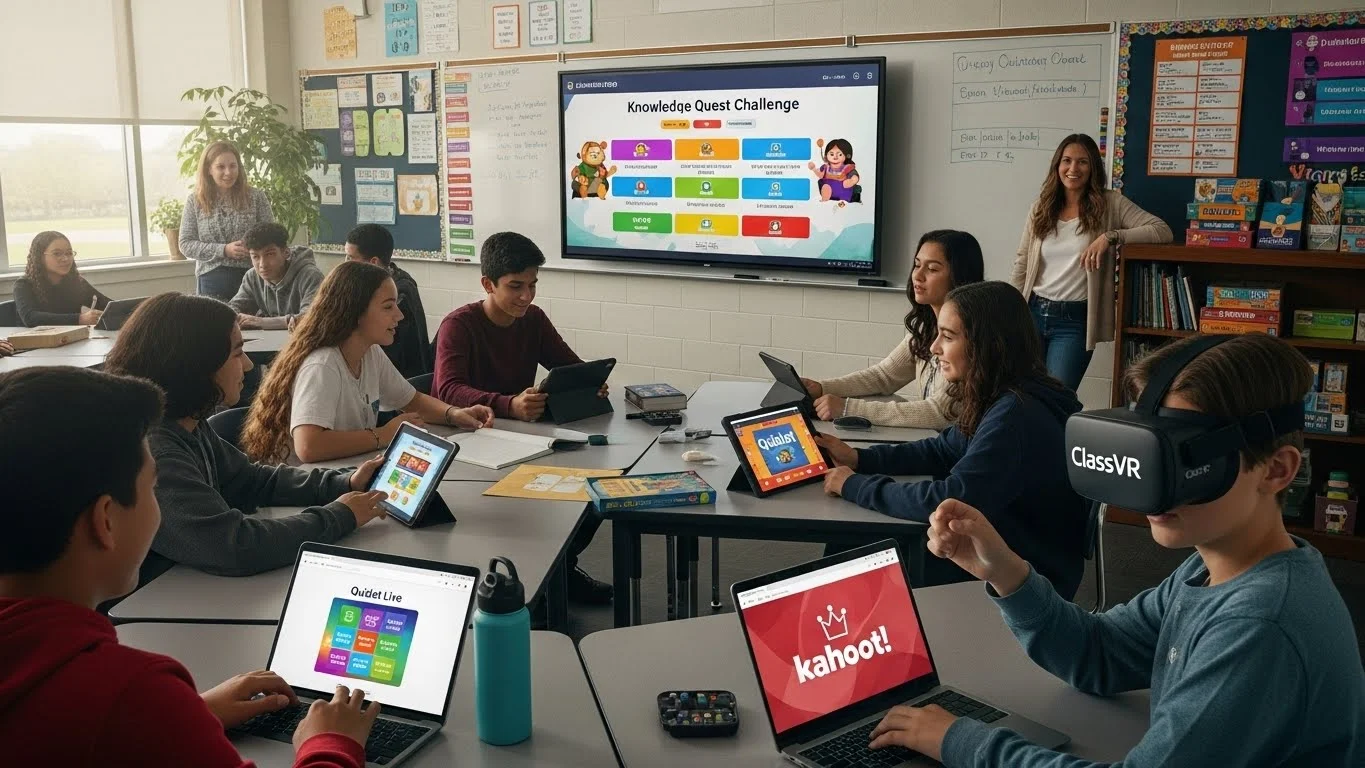
Gamification is transforming education in exciting ways, making learning more engaging and interactive for students. Let’s dive into what gamification means and how it can elevate student engagement in classrooms. Read Interesting article: Unlock Learning: How Gamification Transforms Education Today
Understanding Gamification in Education
Definition of Gamification
Gamification, in essence, is the application of game-design elements in non-game contexts. In education, it typically refers to incorporating game-like features—such as points, badges, or leaderboards—into the learning process. I first encountered the concept while researching innovative teaching methods, and it really opened my eyes to how games can motivate students. Instead of traditional methods that often lead to disengagement, gamification taps into our natural instincts for competition and achievement, making learning a more dynamic experience.
Benefits of Gamification for Student Engagement
When I began integrating gamification into my teaching, I noticed a significant shift in my students’ enthusiasm towards learning. Here are some benefits I observed:
- Increased Motivation: Gamification fosters a sense of achievement. When students earn points or badges, it boosts their motivation. I’ve seen students who typically struggled with subjects suddenly find a spark of interest.
- Enhanced Learning Experience: The interactive nature of gamified learning makes it more enjoyable. I remember one class where we used a quiz game; the excitement in the room was palpable as students competed to answer correctly.
- Immediate Feedback: Gamification tools often provide instant feedback. This immediacy helps students understand their mistakes right away and learn from them, which I found crucial in promoting growth.
- Social Interaction: Gamified environments often promote collaboration and communication among students. I noticed that students who typically kept to themselves became more engaged when working in teams to achieve a common goal.
Key Principles of Gamification
Through my experience, I learned that effective gamification relies on several key principles:
- Clear Objectives: It’s important that students understand what they’re working towards. When I set clear objectives, I noticed they were more focused and driven.
- Progress Tracking: Visual progress indicators such as progress bars or dashboards can motivate students by showing how far they’ve come. I once used a leaderboard, and the friendly competition among students kept them engaged.
- Levels and Challenges: Introducing levels or challenges can make learning feel more like an adventure. I often created tiered challenges that allowed students to advance at their own pace, which catered to various skill levels.
As I delved deeper, I realized that gamification isn’t just about the games themselves but about creating a holistic learning environment where students feel empowered and excited to learn.
Essential Features of Effective Gamification Tools
User-Friendly Interface
When I first started using gamification tools, I quickly realized how crucial a user-friendly interface is. If a tool is difficult to navigate, both students and teachers can lose interest. I recommend choosing tools that are intuitive and have a clean design so that students can focus on learning rather than figuring out how to use the tool itself.
Customization Options
Every classroom is different, and what works for one group may not work for another. I found that tools allowing for customization—like modifying game themes, levels, or rewards—made a big difference in engagement. When I could tailor the experience to fit my students’ interests, their participation soared. Read Interesting article: Top Digital Learning Tools for Budget Backpackers
Analytics and Reporting
Having access to analytics was a game-changer for me. It helped me track student performance and engagement levels. I could see which areas my students excelled in and where they struggled, allowing me to adjust my teaching strategies accordingly. The insights gained from these analytics were invaluable.
Integration with Learning Management Systems (LMS)
Lastly, I discovered the importance of having gamification tools that integrate smoothly with existing LMS platforms. When I started using tools that could easily connect with our LMS, it saved me so much time and effort. It allowed for seamless tracking of student progress and made it easier for me to manage assignments and feedback in one place.
As I continue my journey in incorporating gamification into education, I’m constantly amazed at how these tools can transform not just the learning experience but also the classroom dynamic. The excitement and energy that come with gamified learning are truly unmatched, and I can’t wait to explore more of these tools in the next sections.
Top Gamification Tools for Engaging Students
Kahoot!
I can’t talk about gamification without mentioning Kahoot!. This tool has become a staple in classrooms everywhere, and for good reason. I remember the first time I used it; the energy in the room was electric. Kahoot! allows teachers to create fun quizzes that students can answer using their devices. The competitive aspect really gets the adrenaline pumping, and I’ve seen even the shyest students come alive as they race to answer questions correctly. Plus, the instant feedback keeps everyone on their toes, making learning not only fun but also effective.
Classcraft
Classcraft takes gamification to a whole new level by turning the classroom into an interactive adventure. I remember implementing it in my class and seeing students step into their unique character roles. They could earn experience points for good behavior, teamwork, and academic achievements, which added an extra layer of motivation. Watching students collaborate to defeat “monsters” or complete quests made me realize how powerful role-playing can be in education. It’s like turning learning into a video game, and it works beautifully.
Quizizz
Quizizz is another tool I absolutely love. It’s similar to Kahoot!, but with a twist. Students can complete quizzes at their own pace, which I found helpful for different learning styles. One time, I had a group of students who were really struggling; they were able to take their time with Quizizz without the pressure of a timer, which helped them engage with the material more deeply. Plus, the fun memes that pop up after each question always make everyone laugh, creating a relaxed atmosphere where learning can thrive.
Nearpod
Nearpod combines gamification with interactive lessons, which I found incredibly effective. I love how it allows me to incorporate quizzes, polls, and even virtual reality experiences directly into my lessons. One lesson I taught on ecosystems became a memorable experience when we explored a rainforest through a VR tour. The students were mesmerized, and I could see their curiosity ignite. Nearpod has been a fantastic way to make lessons more immersive and engaging.
Edmodo
Edmodo is another tool that’s great for gamifying the classroom. While it’s primarily a learning management system, it has features that foster engagement through quizzes and assignments that students can complete for points. I’ve used Edmodo to create challenges and learning badges, which my students loved. It helped create a community feeling in the class, where students supported each other in achieving their goals. The social aspect of Edmodo really enhances the learning experience.
Badger Maps
For those who want to incorporate gamification into teaching more outside-the-box subjects like geography, Badger Maps is a gem. It allows students to engage with geographical data in a fun way, helping them understand mapping and spatial reasoning. I had my students create their own maps for a project, and they had so much fun customizing their routes and points of interest. The creativity they expressed was astounding!
Flipgrid
Flipgrid is a fantastic platform for fostering student voice and engagement. With Flipgrid, students create short videos to respond to prompts, and I’ve found it to be an excellent way to assess understanding in a fun, interactive way. When I first introduced it, I was amazed to see students who were usually hesitant to speak up in class shine in their videos. The ability to watch and respond to each other’s videos adds a layer of community and connection that is so crucial in education.
GameSalad
Lastly, GameSalad is a unique tool that allows students to create their own games. I remember when I introduced it in a project where students had to design a game about a historical event. The enthusiasm was contagious! They had to think critically about their topics while also engaging their creativity. Seeing my students work collaboratively to bring their ideas to life was incredibly rewarding. GameSalad empowers students to take control of their learning in a way that few other tools do.
These tools have transformed how I approach teaching, making it more dynamic and engaging for my students. Each of them brings something unique to the table, and I love discovering new ways to incorporate them into our learning journey. The excitement they generate is something I cherish, and I can’t wait to see how these tools evolve in the future! Read Interesting article: Affordable STEM Learning Tools for Young Explorers
How to Choose the Right Gamification Tool
Assessing Your Educational Objectives
Choosing the right gamification tool starts with understanding your educational objectives. I remember when I first set out to integrate gamification into my classroom; I had to think carefully about what I wanted to achieve. Was my goal to increase student engagement, improve knowledge retention, or promote collaboration? By clearly defining my objectives, I could select tools that aligned with my teaching goals. For instance, if my aim was to enhance collaboration, I’d gravitate toward tools like Classcraft, which encourages teamwork and communication among students.
Understanding Your Student Demographics
Next, it’s important to consider the demographics of your students. I found that different age groups and learning styles respond uniquely to various gamification strategies. For example, younger students might thrive with colorful, vibrant tools that incorporate simple game mechanics, while older students may prefer more complex challenges that allow for deeper engagement. When I first introduced Quizizz, I noticed that my younger students loved the fun graphics and memes, while my older students appreciated the self-paced quizzes. Getting to know your students’ preferences can really guide you in selecting the most effective tools.
Budget Considerations
Budget is another vital factor to consider when choosing a gamification tool. I’ve been in situations where I had to weigh the costs versus the benefits. Some tools offer free versions with limited features, while others require a subscription for full access. I remember using Kahoot! in its free version at first, and as our needs grew, we transitioned to the premium version to unlock additional features. There’s a balance to strike between affordability and functionality, so I recommend keeping an eye on any budget constraints while exploring your options.
Trial and Feedback from Students
Before fully committing to a gamification tool, I’ve found it incredibly helpful to conduct trials. I often introduced a new tool in a few lessons to gauge how my students responded. Their feedback was invaluable. For example, when I tried out Flipgrid, I asked my students what they liked and how they felt about the platform. Their enthusiasm helped me decide to use it more frequently. Allowing students to provide input not only makes them feel valued, but it also helps you choose a tool that resonates with them.
Implementing Gamification in the Classroom
Setting Clear Goals and Objectives
Once I’ve chosen a gamification tool, the next step is to set clear goals and objectives. I believe it’s essential for both students and teachers to know what they’re aiming for. When I implemented Classcraft, I outlined specific goals for team collaboration and individual achievements. This clarity kept everyone focused and motivated throughout the learning process. I found that when students understand the purpose behind the game elements, they are more likely to engage wholeheartedly.
Creating a Competitive Environment
Creating a competitive environment can also enhance the gamification experience. I remember when I set up a leaderboard using Kahoot!; it really ignited a sense of friendly competition in my classroom. Students were excited to see their names move up the ranks, and it encouraged them to put in extra effort. However, I always made sure to emphasize that the goal was to learn and grow, rather than just winning. Striking this balance is key to maintaining a positive atmosphere.
Encouraging Collaboration Among Students
While competition can be motivating, collaboration is equally important in a gamified classroom. I’ve seen firsthand how tools like Classcraft foster teamwork. Students often worked together to defeat challenges and achieve goals, which not only helped them learn from each other but also built a strong classroom community. Encouraging collaboration creates a more inclusive environment and allows students to feel supported as they navigate the learning process.
Providing Continuous Feedback and Rewards
Continuous feedback is a significant component of effective gamification. I’ve learned that providing immediate feedback through tools helps students understand their progress and areas for improvement. When I used Quizizz, I appreciated how students could see their scores right after each question, allowing them to reflect on their understanding instantly. Additionally, recognizing achievements through rewards—like badges or shoutouts—can be a powerful motivator. I always made it a point to celebrate small victories to keep the momentum going.
Measuring the Effectiveness of Gamification
Key Performance Indicators (KPIs) for Gamification
To truly understand the impact of gamification, I realized it was essential to measure its effectiveness. I began identifying key performance indicators (KPIs) related to student engagement, academic performance, and collaboration. For instance, I tracked attendance rates, participation levels, and test scores before and after implementing gamified strategies. This data helped me see what worked and what didn’t, allowing me to refine my approach over time.
Gathering Student Feedback and Insights
Student feedback has always been a crucial aspect of my teaching. After implementing gamified tools, I encouraged my students to share their thoughts through surveys or informal discussions. I loved hearing their insights about which elements they enjoyed most and what they found challenging. This feedback loop not only helps me improve my teaching techniques but also empowers students by giving them a voice in their learning process.
Adjusting Strategies Based on Data Analysis
Using the data I gathered, I could make informed adjustments to my gamification strategies. For example, I noticed that some students thrived on competition while others felt overwhelmed. By analyzing this data, I tailored my approach to create a more inclusive experience. I started incorporating more collaborative tasks for those who needed less pressure, while still maintaining competitive elements for those who found motivation in that environment. It’s all about finding the right balance that meets the diverse needs of my students.
Challenges of Gamification in Education
Potential Overemphasis on Competition
While competition can be a great motivator, I’ve learned that it can also create challenges in the classroom. I remember a situation where the leaderboard I set up for Kahoot! caused some students to feel discouraged when they fell behind their peers. It made me realize that while some students thrive in competitive environments, others can feel overwhelmed or demotivated. I think it’s crucial to strike a balance by ensuring that competition doesn’t overshadow collaboration and individual growth. I’ve started incorporating more collaborative games alongside competitive ones, which has helped create a more inclusive atmosphere for everyone.
Technology Accessibility Issues
Another challenge I faced was technology accessibility. Not all students have equal access to devices or high-speed internet, which can create a divide in engagement. I remember one semester when we relied heavily on online gamification tools, and a few students struggled to participate fully. To address this, I began to offer alternative ways for students to engage, such as offline assignments or group work where they could collaborate without relying solely on technology. It’s essential to keep in mind that gamification should enhance learning for all students, regardless of their access to technology.
Maintaining Engagement Over Time
Once I got my students excited about gamification, I quickly realized that keeping that enthusiasm alive can be a challenge. Over time, the novelty can wear off, and students might lose interest. I’ve found that regularly refreshing the gamification elements—like introducing new challenges or rotating tools—has helped maintain their interest. For example, after a few weeks of using Quizizz, I switched to a different tool, like Nearpod, which brought back their excitement and curiosity. Keeping things fresh and dynamic is key to sustaining engagement in the long run.
Future Trends in Gamification for Education
Integration of Virtual and Augmented Reality
As I look to the future, I’m especially excited about the integration of virtual and augmented reality (VR/AR) in gamification. I’ve seen how immersive experiences can captivate students’ attention, and I believe it’s the next big leap in education. Imagine students exploring ancient civilizations through a VR experience or navigating complex scientific concepts with AR overlays! The potential to enhance learning with these technologies is incredible, and I can’t wait to see how they’ll be incorporated into gamified learning environments.
Artificial Intelligence in Gamification Tools
Artificial intelligence (AI) is another area that I think will revolutionize gamification in education. Personalized learning experiences powered by AI could adapt to individual student needs, making gamified content even more engaging and effective. I’ve already seen some tools beginning to incorporate AI features, and it’s exciting to think about how they could tailor challenges and feedback to each student’s unique progress. This level of customization could lead to even greater motivation and achievement.
Personalized Learning Experiences
Finally, I believe that the future of gamification will focus more heavily on personalized learning experiences. Each student has their own learning style, and gamification can be a powerful way to cater to those preferences. As I’ve experimented with various tools, I’ve seen how differentiating tasks and challenges based on students’ interests can lead to deeper engagement. I look forward to more innovative approaches that allow for personalized pathways in gamified learning, helping every student find their unique way to succeed.
Final Thoughts
Gamification has truly transformed my approach to teaching and has made learning an adventure for my students. However, it’s important to navigate the challenges thoughtfully while embracing the exciting potential of future trends. I believe that with the right balance of competition, collaboration, and technology, we can create engaging, dynamic classrooms that inspire students to learn and grow. As we continue to explore and innovate in the realm of gamification, I feel optimistic about the future of education and the endless possibilities it holds for enriching the learning experience for every student.
Frequently Asked Questions
What is gamification in education?
Gamification is the application of game-design elements in non-game contexts, particularly in education. It involves incorporating game-like features such as points, badges, or leaderboards into the learning process to make it more engaging and interactive for students.
What are the benefits of gamification for student engagement?
Gamification increases motivation, enhances the learning experience, provides immediate feedback, and promotes social interaction among students. It fosters a sense of achievement, makes learning enjoyable, allows for instant understanding of mistakes, and encourages collaboration.
What are the key principles of effective gamification?
Effective gamification relies on clear objectives, progress tracking, and levels and challenges. Setting clear goals helps students stay focused, while visual indicators motivate them by showing progress. Introducing levels and challenges makes learning feel like an adventure.
What features should effective gamification tools have?
Effective gamification tools should have a user-friendly interface, customization options, analytics and reporting capabilities, and seamless integration with Learning Management Systems (LMS). These features enhance engagement and allow for tailored learning experiences.
Can you name some popular gamification tools for education?
Popular gamification tools include Kahoot!, Classcraft, Quizizz, Nearpod, Edmodo, Badger Maps, Flipgrid, and GameSalad. Each tool offers unique features that enhance student engagement and learning experiences.
How should one choose the right gamification tool?
Choosing the right gamification tool involves assessing educational objectives, understanding student demographics, considering budget constraints, and conducting trials to gather student feedback. This ensures the selected tool aligns with teaching goals and student needs.
What is the importance of setting clear goals and objectives in gamification?
Setting clear goals and objectives is essential as it helps both students and teachers understand what they aim to achieve. This clarity keeps everyone focused and motivated, leading to more effective engagement in the learning process.
How can competition and collaboration be balanced in a gamified classroom?
While competition can motivate students, it’s important to also promote collaboration. Incorporating collaborative games alongside competitive elements can create an inclusive environment, allowing all students to feel supported in their learning journey.
What are some challenges of implementing gamification in education?
Challenges include potential overemphasis on competition, technology accessibility issues, and maintaining engagement over time. It’s crucial to balance competition with collaboration and provide alternative engagement methods for students without access to technology.
What future trends are expected in gamification for education?
Future trends in gamification for education include the integration of virtual and augmented reality, the use of artificial intelligence for personalized learning experiences, and a greater focus on catering to individual student learning styles to enhance engagement.