
Pregnancy can be a beautiful journey, but it often comes with emotional ups and downs. Understanding how to nurture our emotional well-being during this time is crucial for both mothers and their babies. This includes being aware of hormonal changes in pregnancy, which can affect emotions significantly.
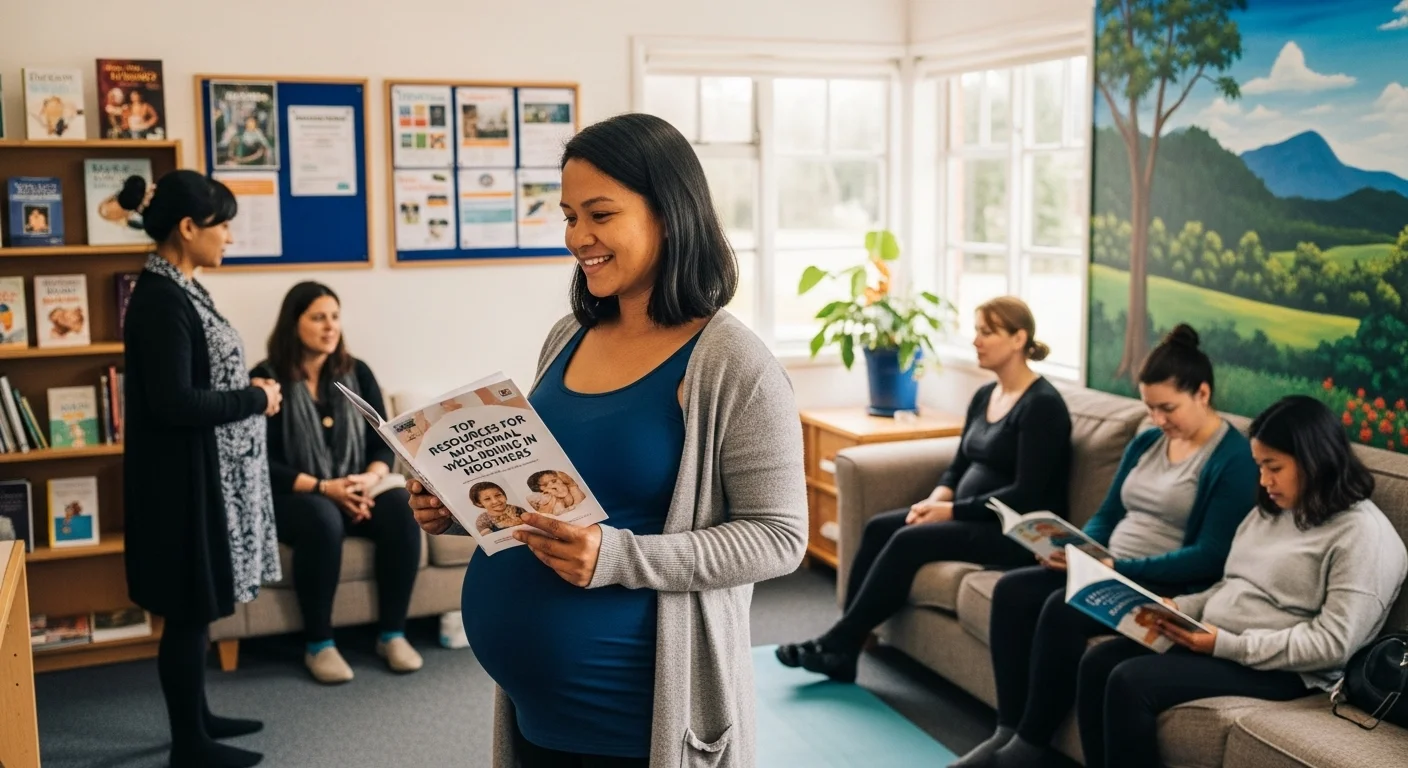
Understanding Emotional Well-Being During Pregnancy
The Importance of Emotional Well-Being for Expecting Mothers
When I first found out I was pregnant, there was a rush of excitement, mixed with a whirlwind of emotions. I quickly realized that my emotional well-being was just as important as my physical health. Studies show that emotional well-being during pregnancy can significantly impact both the mother and the baby. A healthy emotional state helps to reduce stress, which is essential for the development of the fetus. I remember reading about how stress hormones could affect the baby’s growth, and that motivated me to prioritize my emotional health. It’s about creating a nurturing environment for the little one growing inside us.
Common Emotional Challenges Faced by Expecting Mothers
As I navigated through my pregnancy, I noticed many common emotional challenges that I and other expectant mothers faced. Mood swings, anxiety, and even depression can creep in, often due to hormonal changes, physical discomfort, and the overwhelming nature of preparing for a new life. Understanding hormonal shifts was crucial for me, as I found myself feeling anxious about everything from labor to parenting. It’s perfectly normal, but acknowledging these feelings is vital. Many women may also experience feelings of isolation, especially if they don’t have a solid support system in place. I learned that it was okay to reach out and share these feelings with friends or family, which often made a huge difference.
Signs of Emotional Distress in Pregnancy
Recognizing the signs of emotional distress can be tough, especially when you’re inundated with advice and expectations. I remember feeling irritable and overwhelmed at times, and it took me a while to understand that these were signs of emotional distress. Common signs include excessive worry, persistent sadness, changes in appetite, and withdrawal from social interactions. If you find yourself feeling these emotions frequently, it might be worth exploring them further. I found that journaling my feelings helped me identify patterns and triggers, which could lead to more open conversations with my healthcare provider.
In my experience, it’s crucial to listen to your body and mind. If you notice that your emotional challenges persist or worsen, don’t hesitate to seek professional help. Being proactive about our mental health sets a positive tone for our journey into motherhood. I’ve learned that prioritizing our emotional well-being is not just beneficial for us; it’s also essential for our baby’s health and future development.
Top Resources for Emotional Support
Support Groups for Expecting Mothers
One of the best things I discovered during my pregnancy was the value of support groups. I found that sharing experiences with other expecting mothers created a sense of community that was incredibly comforting. These groups can be found through local hospitals, community centers, or even online. They provide a safe space to discuss feelings, fears, and joys of pregnancy. I remember attending a weekly meeting where we could openly talk about our struggles and triumphs. It felt uplifting to know I wasn’t alone in my journey. If you’re considering joining a support group, I recommend looking for ones that resonate with your values and comfort level.
Online Communities and Forums
In today’s digital age, online communities are an amazing resource for expecting mothers. I stumbled upon several forums where women shared their stories and offered advice. Websites like BabyCenter and What to Expect provide platforms for discussion, and I often found solace in reading others’ experiences. It’s fascinating how connecting with people from around the world can help us feel less isolated. Just remember to take the information you read with a grain of salt; every pregnancy is unique, and what works for one person might not work for another. I always made sure to engage with positive, supportive threads that uplifted my spirits.
Professional Counseling Services
For me, reaching out to a professional counselor was a game changer. I learned that seeking help is a sign of strength, not weakness. Many therapists specialize in prenatal and postnatal mental health, so I looked for someone who could help me navigate my emotions during pregnancy. During our sessions, I felt safe discussing my fears and anxieties without judgment. I was amazed at how much lighter I felt after sharing my thoughts. If you’re considering this route, don’t hesitate to look for licensed professionals in your area. Many offer virtual sessions, making it even more convenient.
Hotlines and Crisis Support
Sometimes, the emotional challenges we face can feel overwhelming. In those moments, knowing there are hotlines and crisis support services available can provide peace of mind. I remember a few times when I felt particularly anxious and didn’t know where to turn. I discovered that organizations like Postpartum Support International offer resources and hotlines specifically for expecting and new mothers. Having someone to talk to at any hour of the day can be incredibly reassuring. I recommend keeping these numbers handy, just in case you need someone to talk to in a moment of distress.
Mindfulness and Relaxation Techniques
Meditation Apps for Expecting Mothers
Embracing mindfulness techniques during my pregnancy was so valuable. I started using meditation apps like Calm and Headspace, which have specific programs for expecting mothers. I found that just a few minutes of guided meditation each day helped center my thoughts and reduce anxiety. It was amazing how calming my mind could be, even amidst the chaos of preparing for a baby. I suggest trying out different apps to see which voice and style resonate with you the most. It’s a great way to carve out a little ‘me time’ each day.
Yoga and Breathing Exercises
Yoga became a sanctuary for me during my pregnancy. I enrolled in a prenatal yoga class, and it was one of the best decisions I made. The combination of gentle stretching and focused breathing helped me connect with my body and my baby. I also learned some breathing exercises that I still find beneficial when I feel anxious. I’ve noticed that taking a few deep breaths can instantly shift my mindset. If you’re not sure where to start, many online platforms offer prenatal yoga sessions that you can follow at home.
Guided Imagery and Visualization Techniques
Guided imagery was another technique I discovered that really helped me manage stress. It involves visualizing peaceful scenes and experiences to promote relaxation. I would often picture myself holding my baby for the first time, and that thought brought so much joy and calmness. There are several resources available, including videos and audio guides, that can help you practice this technique. It’s a beautiful way to connect emotionally with your pregnancy and ease any worries you might be feeling.
Education and Information Resources
Books on Pregnancy and Emotional Health
I found that reading books about pregnancy and emotional health was both informative and comforting. One of my favorites was “The Expecting Mother’s Guide to Emotional Wellness.” It addressed many of the feelings I was experiencing and offered practical advice. Books like these can help reassure you that many of your worries are normal and provide strategies to cope. I recommend visiting your local library or bookstore to find titles that resonate with your journey.
Podcasts Focused on Expecting Mothers’ Well-Being
Podcasts have become a go-to source for me, especially during my pregnancy. I enjoyed listening to shows like “The Birth Hour” and “The Pregnancy Podcast.” They cover a range of topics from emotional well-being to birthing experiences. I often found myself laughing, crying, or nodding along as I related to the stories shared. Podcasts make it easy to absorb information while you’re on the go, and they helped me feel more connected to other expecting mothers.
Webinars and Online Workshops
Attending webinars and online workshops was another great way to educate myself and find support. I participated in a few focused on emotional health during pregnancy, which provided practical tools and a chance to ask questions. Connecting with experts and other mothers in these settings was a reminder that we are all in this together. I suggest looking for offerings from reputable organizations or local hospitals to ensure you’re getting quality information.
Self-Care Practices for Emotional Well-Being
Establishing a Self-Care Routine
One of the most valuable lessons I learned during my pregnancy was the importance of self-care. It’s so easy to get caught up in preparing for the baby and forget to take care of ourselves. I found that establishing a self-care routine helped me feel more grounded and emotionally stable. This routine didn’t need to be complicated; it just needed to be consistent. I started small by setting aside time each day to enjoy a warm bath or read a few pages of a book I loved. These moments became my sanctuary. I also learned to prioritize sleep whenever I could, even if it meant taking naps during the day. I think it’s essential for us to carve out these little pockets of time for ourselves, as they allow us to recharge and reconnect with who we are beyond being mothers-to-be.
Nutritional Considerations for Emotional Health
Nutrition played a significant role in my emotional well-being during pregnancy. I discovered that what I put into my body could greatly affect my mood. Eating balanced meals filled with fruits, vegetables, whole grains, and lean proteins became a priority for me. I also learned about the importance of staying hydrated, as dehydration could lead to irritability and fatigue. There were days when I craved comfort foods, and I allowed myself to indulge in moderation. I remember a particularly stressful week when chocolate became my go-to treat. While it’s fine to enjoy these comforts, I found that focusing on nutritious foods helped me maintain a more stable mood overall. I suggest looking into nutritional guidelines specifically for pregnancy and experimenting with recipes that make you feel good. Additionally, consider balancing your budget while ensuring you maintain your mental well-being.
The Role of Exercise in Emotional Well-Being
Incorporating physical activity into my routine was another game changer for my emotional health. I started with gentle exercises, like walking and prenatal yoga, which helped me feel more in tune with my body. I noticed that after a good workout, my mood lifted significantly. Exercise releases endorphins, which naturally boost our spirits. I remember feeling empowered after completing a prenatal workout, knowing I was not only benefiting myself but also my baby. I recommend finding an activity you enjoy, whether it’s dancing, swimming, or even just taking leisurely walks outside. Movement doesn’t have to be intense to be effective; it’s about finding what feels good for you and sticking with it.
Building a Support Network
Involving Partners and Family Members
Having a strong support network is vital during pregnancy, and I realized how important it was to involve my partner and family. I found that talking openly about my feelings and experiences with my partner fostered a deeper connection between us. He became my emotional anchor, providing reassurance during moments of doubt. I encourage expectant mothers to share their emotional highs and lows with their partners. It not only helps to alleviate feelings of isolation but also invites them to be active participants in the journey. I also leaned on my family members for support, whether it was for advice or just a listening ear. They brought a sense of comfort that made navigating this new chapter feel less daunting.
Finding a Doula or Birth Coach
During my pregnancy, I explored the option of hiring a doula. I had heard that a doula could provide emotional and physical support during labor, and I thought that having someone knowledgeable by my side would be incredibly helpful. I found a doula who resonated with my values, and meeting her felt like a breath of fresh air. She not only educated me about the birthing process but also empowered me to express my desires and concerns. Having her support made me feel more confident about my upcoming delivery. I believe that finding a doula or birth coach could be a wonderful addition to your support system, helping you feel more informed and empowered throughout the process.
Connecting with Other Expecting Mothers
Building connections with other expecting mothers was one of the most rewarding parts of my pregnancy journey. I sought out local mom groups and attended prenatal classes where I met women who were experiencing similar emotions and challenges. These connections created a sense of camaraderie that I truly cherished. I remember sharing laughs and fears with a group of women who became my friends throughout the journey. If you’re not sure where to find other pregnant women, consider joining local meet-ups or community classes. Online groups can also be beneficial, allowing you to connect with moms from all over. Having a support network of peers can make the emotional rollercoaster of pregnancy feel much more manageable.
When to Seek Professional Help
Signs That Indicate a Need for Professional Intervention
Even with all the support I had, there were moments when I knew I needed to seek professional help. It’s crucial to recognize when feelings of anxiety or sadness become overwhelming. If you find yourself struggling to get through your day, experiencing persistent feelings of hopelessness, or having thoughts of self-harm, it’s time to reach out to a mental health professional. I learned that acknowledging these feelings is a sign of strength, not weakness. The sooner we address emotional challenges, the better we can ensure our well-being and that of our baby.
Understanding Therapy Options Available
When I decided to seek professional help, I was surprised by the variety of therapy options available. I learned about cognitive-behavioral therapy (CBT), which focuses on changing negative thought patterns, and mindfulness-based therapy, which emphasizes being present in the moment. I also discovered that some therapists specialize in prenatal and postnatal issues, making it easier to find someone who understands the unique challenges we face. I suggest researching different therapy methods and finding one that resonates with you. Don’t hesitate to ask questions during your initial sessions to ensure you feel comfortable with your chosen therapist.
Managing Mental Health Conditions During Pregnancy
If you have a history of mental health conditions, it’s vital to have a plan in place during pregnancy. I learned that some medications may need to be adjusted or monitored more closely. It’s essential to have open conversations with your healthcare provider about your mental health history and any concerns you may have. I found that being proactive in managing my mental health allowed me to create a more positive experience during my pregnancy. Always remember, you’re not alone in this journey, and reaching out for help is a courageous step towards emotional well-being.
Frequently Asked Questions
How can I cope with anxiety during pregnancy?
Coping with anxiety during pregnancy can be challenging, but I’ve learned a few strategies that helped me. First, practicing mindfulness techniques like meditation and deep breathing made a significant difference for me. These practices helped me stay grounded and focused on the present moment. I also found that talking about my feelings with trusted friends or family members eased my anxiety. Sometimes, just voicing my concerns relieved a lot of the pressure I was feeling. Keeping a journal to express my thoughts was another great outlet. Lastly, I recommend seeking professional help if your anxiety feels overwhelming. Remember, it’s okay to ask for support.
What resources are available for postpartum emotional support?
Postpartum emotional support is just as important as prenatal support, and I discovered several resources that were incredibly helpful. Support groups for new mothers often provide a safe space to share experiences and feelings. Online communities can also be a great source of encouragement. I found platforms like Postpartum Support International invaluable, as they offer information and helplines specifically for postpartum mental health. Additionally, I recommend looking into therapy options, as many professionals specialize in postpartum care. It’s all about finding what resonates with you and ensuring you have the support you need during this transitional time.
Are there specific therapies recommended for expecting mothers?
Yes, there are several therapies that are particularly beneficial for expecting mothers. Cognitive-behavioral therapy (CBT) has been widely researched and is known to help with anxiety and depression by focusing on changing negative thought patterns. I also learned about interpersonal therapy, which aims to improve relationships and support systems—something that can be so vital during pregnancy. Another option is mindfulness-based therapy, which emphasizes being present and can greatly reduce stress. I encourage you to discuss these options with a mental health professional to find the best fit for your needs.
Final Thoughts
Navigating the emotional landscape of pregnancy can feel like an overwhelming journey at times, but it’s essential to remember that we’re not alone in this. I’ve shared my experiences and insights, and I hope they resonate with you. Prioritizing emotional well-being is not just a luxury; it’s a necessity for both us and our babies. Whether it’s through building a support network, practicing self-care, or seeking professional help, every step we take towards nurturing our mental health counts. So, let’s embrace this journey together, knowing that it’s okay to ask for help and that our emotions are valid. We have the power to create a positive environment for ourselves and for our little ones, and that is something truly beautiful.