
Backpacking with a baby can be an incredible adventure, but ensuring your little one sleeps safely while you explore is essential. Let’s dive into safe sleep practices that will give you peace of mind during your outdoor journeys. For more insights on establishing sleep routines, check out Transform Your Newborn’s Sleep: Easy Routine Strategies.
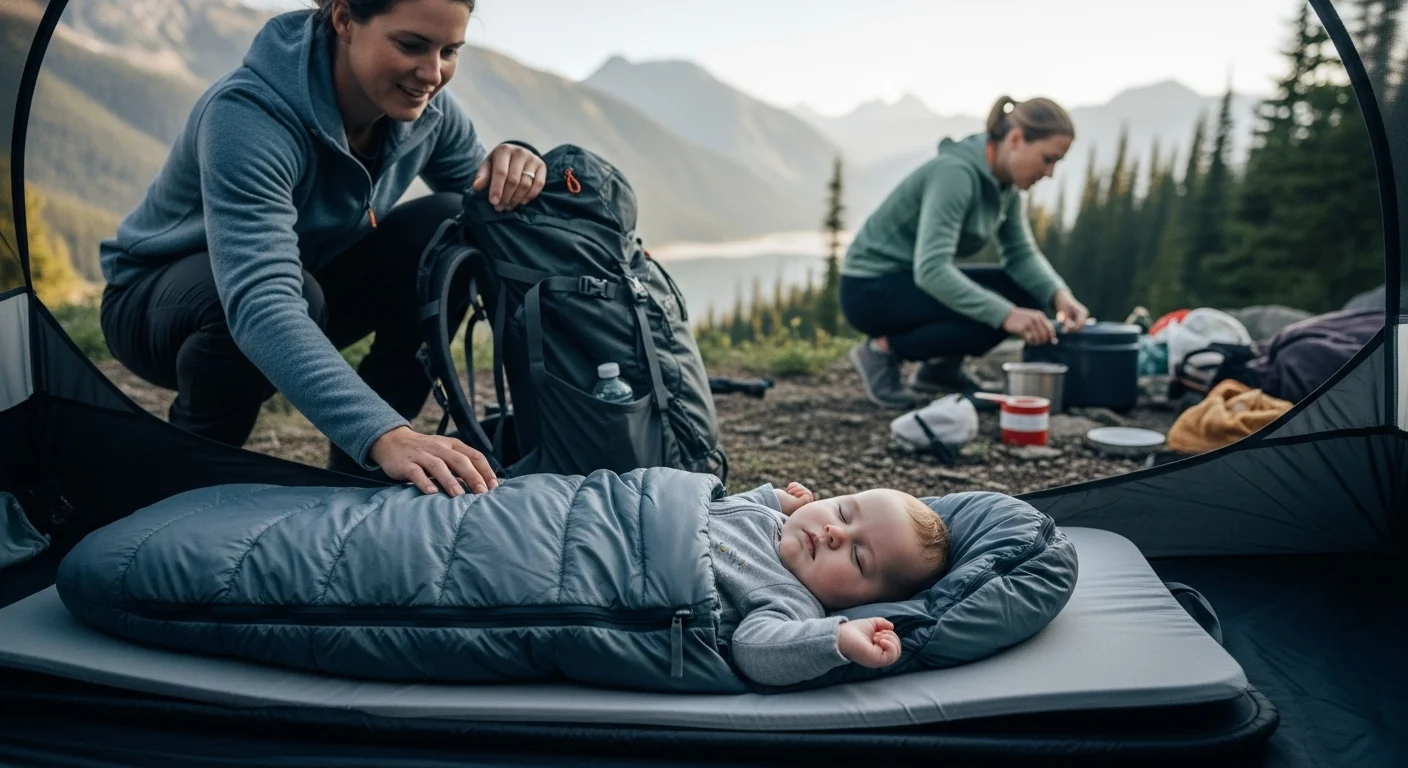
Understanding Safe Sleep for Babies
What is Safe Sleep?
Safe sleep is all about creating an environment where babies can sleep soundly and safely, minimizing the risk of sleep-related incidents. When I first became a parent, I was amazed at how much there was to learn about safe sleep practices. I remember reading countless articles and guidelines, wanting to ensure that my baby had the safest sleep environment possible. This meant understanding the do’s and don’ts that would keep my little one secure while we were on the go.
In essence, safe sleep involves placing your baby on their back to sleep, using a firm mattress, and keeping the sleep space free from any soft items or potential hazards. It’s not just a recommendation; it’s a necessity to protect our most precious little ones.
Benefits of Safe Sleep Practices
Implementing safe sleep practices is crucial for several reasons. I learned that these practices significantly reduce the risk of Sudden Infant Death Syndrome (SIDS) and other sleep-related dangers. Every time I tucked my baby in, I felt a wave of relief knowing I was following guidelines that could potentially save their life.
Furthermore, creating a consistent sleep routine, even while backpacking, helps babies feel secure and relaxed. I found that when my baby was comfortable and knew what to expect, they slept better, allowing us to enjoy our adventures even more. Safe sleep practices not only benefit the baby but also enhance the overall backpacking experience for the entire family. For guidance on developing sleep routines, visit Essential Tips for Creating a Sleep Routine for Newborns.
Essential Safe Sleep Guidelines
Back Sleeping Position
One of the most critical guidelines I learned early on was to always place my baby on their back to sleep. This position helps keep the airways open and reduces the risk of suffocation. I remember the first time we set up camp; I made sure to lay my baby down on their back in the portable crib, feeling confident about my choice. It became second nature to me. I recommend always checking that the baby is in the right position, especially when you’re tired from a long day of hiking.
Firm Mattress and Sleep Surface
Another key aspect of safe sleep is using a firm mattress. I quickly discovered that a soft mattress could pose a serious risk. While camping, we chose a portable crib with a firm sleeping surface. I think it’s vital to ensure the sleep surface is flat and stable. I once tried to use a sleeping pad for my baby, but I quickly realized that it was too soft and not safe. Investing in quality camping gear that meets safety standards is essential when backpacking with a baby.
Removing Soft Bedding and Toys
When it comes to safe sleep, less is more. I learned to keep the sleep area clear of any soft bedding, pillows, or toys. Initially, I thought a cute stuffed animal would be comforting, but I soon understood that these items could increase the risk of suffocation. So, I made it a habit to only use a fitted sheet on the crib mattress and nothing else. This simple step gave me peace of mind knowing that my baby was sleeping in a safe environment.
Avoiding Bed Sharing
While bed sharing may seem tempting, especially during those chilly nights in the wilderness, I found that it’s best to avoid it. I remember the first time my baby fell asleep in my arms, and I thought about bringing them into my sleeping bag. But I quickly recalled the guidelines that suggest keeping the baby in their own safe sleep space. It’s easy to feel cozy and want to snuggle, but safety has to come first. By using a portable crib or travel bassinet, I was able to keep my baby close while ensuring they had their own safe sleeping area.
Choosing the Right Backpacking Equipment
Portable Cribs and Travel Bassinets
When it comes to ensuring my baby sleeps well while backpacking, choosing the right portable crib or travel bassinet was a game changer. I remember scouring reviews, looking for something lightweight yet sturdy, and ultimately landed on a model that was easy to set up and break down. This feature was crucial for us, especially after a long day of hiking when all I wanted was to set up camp quickly and get my little one to sleep safely.
Having a travel crib that met safety standards gave me peace of mind. I opted for one that was compact enough to fit in my backpack yet spacious enough for my baby to stretch out comfortably. I believe it’s worth investing in a high-quality crib that can withstand outdoor conditions. Some come with UV protection, which is an additional bonus for sunny days.
Sleeping Bags Designed for Infants
Another essential piece of gear is a sleeping bag designed specifically for infants. I had no idea how different baby sleeping bags would be from adult versions until I started looking for one. Adult sleeping bags can be too spacious, making it difficult for a baby to stay warm. I found a sleeping bag that had a snug fit and ensured my baby was cozy without the risk of slipping inside.
When selecting a sleeping bag, I looked for features like a built-in hood to keep my baby’s head warm and a zipper that allowed for easy access during nighttime diaper changes. I remember one camping trip when I was able to unzip it partially for ventilation while keeping my baby warm and comfortable. It made a world of difference in keeping our nights stress-free.
Breathable Fabrics and Materials
I quickly learned that fabric choice is crucial for my baby’s comfort and safety while camping. During my first few trips, I noticed that some materials could trap heat, making my baby sweaty and uncomfortable. As a result, I started looking for breathable fabrics that wick moisture away.
Organic cotton and merino wool became my favorites. They’re not only soft against my baby’s delicate skin, but they also help regulate body temperature. I remember a chilly night when I dressed my baby in a lightweight merino wool onesie. I was impressed by how it provided warmth without overheating, allowing my baby to sleep soundly in the chilly mountain air.
Creating a Safe Sleep Environment
Temperature Control and Ventilation
Creating the right sleep environment is just as important as choosing the right gear. I found that controlling the temperature and ensuring proper ventilation were crucial for safe sleep outdoors. On one of our trips, we camped in an area where the temperature dropped significantly at night. I made sure to dress my baby in layers, which helped maintain warmth while allowing for adjustments as the temperature fluctuated.
Ventilation is equally vital, especially during warmer nights. I remember setting up the portable crib under a tree that provided natural shade while allowing cool air to circulate. It’s essential to find a balance that keeps your baby comfortable without overheating, as I’ve seen firsthand how a stuffy sleeping area can disrupt sleep.
Using Sleep Sacks vs. Blankets
In my experience, sleep sacks are a fantastic option for safe outdoor sleep. I used to worry about my baby kicking off blankets in the middle of the night, which could lead to a chilly wake-up. However, sleep sacks kept my baby snug without the risk of suffocation. I found a lightweight, breathable sleep sack that was perfect for backpacking.
When I first introduced it, I noticed my baby felt secure and slept better. The sleep sack allowed for freedom of movement while ensuring my baby stayed warm. I think it’s a wise choice for any parent to consider, especially when camping in unpredictable weather.
Safe Outdoor Sleep Locations
Choosing the right spot to set up your baby’s sleep area is vital. I learned this the hard way after a camping trip where we inadvertently pitched our tent near a busy trail. The noise kept my baby awake, and I quickly realized that choosing a quieter, more secluded area is crucial. I recommend looking for flat ground, away from potential hazards like rocks or roots, and ideally near trees, which can provide extra protection from the wind.
In addition, I ensured that our camping spot was away from water sources to avoid any safety concerns. It’s all about creating an environment where your baby can have a restful sleep while also keeping them safe from environmental risks. I’ve found that taking the time to scout out the perfect location pays off big time during the night.
Monitoring Your Baby While Backpacking
Using Baby Monitors in the Wilderness
When I first started backpacking with my baby, I realized how important it was to stay connected, even when we were out in the wild. I invested in a good baby monitor that had a long-range feature, which was a game changer. I remember one night when I set up our portable crib a bit further away from our campsite. It gave me peace of mind to know I could hear my baby even while I was sitting by the campfire. The monitor allowed me to enjoy the evening without constantly worrying if my little one was waking up in distress.
There are various types of baby monitors available, but for outdoor use, I recommend looking for one that is specifically designed for longer ranges. Some models even come with video features, which can be incredibly reassuring. Just keep in mind that you might need to recharge the monitor more frequently since you’ll be away from regular power sources. My experience taught me that having that extra line of communication can truly enhance our outdoor adventures.
Regular Checks and Safety Routines
Even with a baby monitor, I found it essential to check on my baby regularly, especially during the night. I developed a routine where I would check in on my little one every couple of hours. This practice not only provided me with peace of mind but also helped me establish a connection with my baby, even while we were in a new environment. I remember feeling a sense of calm each time I peeked into the portable crib and saw my baby sleeping soundly.
Creating a safety routine was also beneficial. For instance, I always made sure I had my flashlight handy so I could move quietly and avoid waking my baby. I also developed a habit of checking the sleeping area for any potential hazards before I settled in for the night. I realized that taking a few extra moments to ensure everything was safe made all the difference.
Tips for Backpacking with a Baby
Planning Your Route for Safe Stopovers
When planning our backpacking trips, I learned quickly that choosing the right route was essential for a smooth experience with my baby. I started mapping out trails that had designated stops, allowing us to rest and take breaks. I remember one hike where we found a lovely picnic area halfway through our route, and it was the perfect place to feed my baby and let them stretch out.
Not only did these planned stopovers help keep my baby comfortable, but they also allowed us to recharge as a family. I recommend looking for shorter hikes with plenty of scenic spots to pause and enjoy nature. This way, your baby can have a pleasant experience, and you can create special memories along the trail.
Choosing Baby-Friendly Campsites
Finding the right campsite can make or break your experience when backpacking with a baby. I learned to look for sites that were family-friendly and had amenities like picnic tables and fire pits, which made cooking and relaxing easier. On one trip, we stumbled upon a campground that had a designated family area, and it was a game changer. We enjoyed the camaraderie of other families while ensuring we had a safe place for our baby.
Additionally, I recommend checking for sites that are level and free of debris. This attention to detail helps create a safer sleep environment for your baby. I remember feeling relieved when we found a flat spot to pitch our tent, knowing my baby would be comfortable and safe while sleeping.
Time Management for Naps and Sleep Schedules
Keeping an eye on nap times and sleep schedules became crucial for our backpacking trips. I found that if I didn’t stick to my baby’s routine, we faced some cranky moments during our hikes. I remember one trip where I pushed our hiking schedule a bit too far, and my baby became fussy because they missed their afternoon nap. It was a lesson learned!
To avoid disruptions, I started planning our hikes around my baby’s sleep schedule. I would aim to start our hikes early in the morning or after a good nap, which allowed my little one to sleep in the carrier while we walked. Creating this rhythm not only kept my baby happy but also made our adventures more enjoyable. Plus, I found that I could take in the beautiful scenery without worrying about a fussy baby!
Understanding Local Regulations and Resources
National Park Guidelines for Families
As I ventured into more national parks with my baby, I realized that understanding local regulations was essential. Each park has its own set of rules regarding camping and safety, especially when it comes to families with young children. I remember visiting a national park where they had specific guidelines about campfire safety and wildlife encounters, which I found incredibly helpful.
Before heading out, I often checked the park’s website or called the visitor center to gather information on family-friendly trails and camping spots. These resources not only informed me about the park’s rules but also provided tips on how to enjoy the park safely with my little one. I believe that being aware of these regulations can enhance the overall experience while ensuring the safety of our family.
Access to Healthcare While Backpacking
No one wants to think about medical emergencies while enjoying the great outdoors, but being prepared can make all the difference. I learned that knowing where the nearest medical facilities are located, especially in remote areas, is crucial when backpacking with a baby. On one camping trip, I noticed a sign indicating the closest health clinic, and it gave me peace of mind knowing help was nearby if needed.
Before our trips, I always made a list of healthcare resources available in the area we were visiting. This included not just hospitals, but also urgent care facilities and pharmacies. Additionally, I made sure to pack a well-stocked first-aid kit tailored for infants, including any medications my baby might need. Having this knowledge and preparation in place allowed me to focus on making memories during our outdoor adventures.
Common Concerns and FAQs about Backpacking with Babies
What to Do if Your Baby Wakes Up at Night?
If your baby wakes up at night while you’re camping, my best advice is to stay calm and respond quickly. I found that maintaining a familiar routine helped my baby feel secure, even in a new environment. I would softly sing a lullaby or whisper comforting words, which usually settled them back to sleep. Sometimes, I would rock them gently in my arms until they were drowsy again. The key is to provide reassurance without disrupting their safe sleep space.
How to Handle Different Weather Conditions?
Dealing with changing weather conditions can be tricky, but preparation is key. I learned to check the weather forecast thoroughly before our trips and pack accordingly. For rainy days, waterproof gear for both of us was essential. I remember one unexpectedly rainy night, and I was so grateful I packed a waterproof cover for the portable crib, which kept my baby dry and cozy. Dressing in layers also helped us adapt to fluctuating temperatures, ensuring my baby remained comfortable no matter the weather.
What to Pack for Safe Sleep Practices?
When it comes to packing for safe sleep practices, I found a checklist to be incredibly helpful. I made sure to include a portable crib or travel bassinet, a firm mattress, fitted sheets, and breathable blankets or sleep sacks. Additionally, I always packed my baby monitor and a flashlight for nighttime checks. It’s amazing how much peace of mind comes from being well-prepared, and having these items readily available made each camping trip smoother and more enjoyable for our family. For more tips, see Top 5 Safe Exercises for Expecting Mothers on a Budget.
Final Thoughts
Backpacking with a baby might seem daunting, but with the right preparation and knowledge, it can turn into one of the most rewarding experiences. From understanding safe sleep practices to choosing the right gear and monitoring your baby, each step contributes to a joyful outdoor adventure. Over the years, I’ve learned that being prepared not only keeps my baby safe but also allows us to create lasting memories as a family. I encourage other parents to embrace the challenge and enjoy the beauty of nature with their little ones. After all, the great outdoors offers countless opportunities for adventure and bonding that we wouldn’t want to miss.
Frequently Asked Questions
What is safe sleep for babies?
Safe sleep is about creating an environment where babies can sleep soundly and safely, minimizing the risk of sleep-related incidents. This includes placing the baby on their back to sleep, using a firm mattress, and keeping the sleep space free from soft items or hazards.
Why are safe sleep practices important?
Implementing safe sleep practices is crucial because they significantly reduce the risk of Sudden Infant Death Syndrome (SIDS) and other sleep-related dangers. They also help create a consistent sleep routine, allowing babies to feel secure and relaxed, which enhances the overall backpacking experience for the whole family.
What position should my baby sleep in while backpacking?
It is essential to always place your baby on their back to sleep. This position helps keep the airways open and reduces the risk of suffocation.
What type of mattress should I use for my baby’s sleep area?
You should use a firm mattress when creating a sleep area for your baby. A soft mattress poses a serious risk, and ensuring the sleep surface is flat and stable is vital for safety.
Should I include bedding or toys in my baby’s sleep area?
No, it is best to keep the sleep area clear of any soft bedding, pillows, or toys. These items can increase the risk of suffocation, so only a fitted sheet on the crib mattress should be used.
Is bed sharing safe while camping?
Bed sharing is not recommended. It is best to keep the baby in their own safe sleep space, such as a portable crib or travel bassinet, to ensure their safety while allowing you to keep them close.
What should I look for in a portable crib for backpacking?
When choosing a portable crib, look for one that is lightweight yet sturdy, easy to set up and break down, and meets safety standards. It should be compact enough to fit in your backpack while providing enough space for your baby to stretch out comfortably.
How can I keep my baby comfortable in varying temperatures while camping?
Controlling temperature and ensuring proper ventilation are crucial. Dress your baby in layers to maintain warmth, and set up the crib in a location that allows for cool air circulation while keeping the baby protected from wind.
What should I pack to ensure safe sleep practices while backpacking?
Packing for safe sleep practices should include a portable crib or travel bassinet, a firm mattress, fitted sheets, breathable blankets or sleep sacks, a baby monitor, and a flashlight for nighttime checks.
How can I manage my baby’s sleep schedule while hiking?
Plan your hikes around your baby’s sleep schedule to avoid crankiness. Aim to start hikes early in the morning or after a good nap, allowing your baby to sleep in the carrier while you walk.