
Ensuring the safety of young athletes is a top priority for parents and coaches alike. The right safety gear can make a world of difference in preventing injuries while allowing kids to enjoy their favorite sports. Read Interesting article: Childhood Sports Safety: Injury Prevention Strategies for Parents
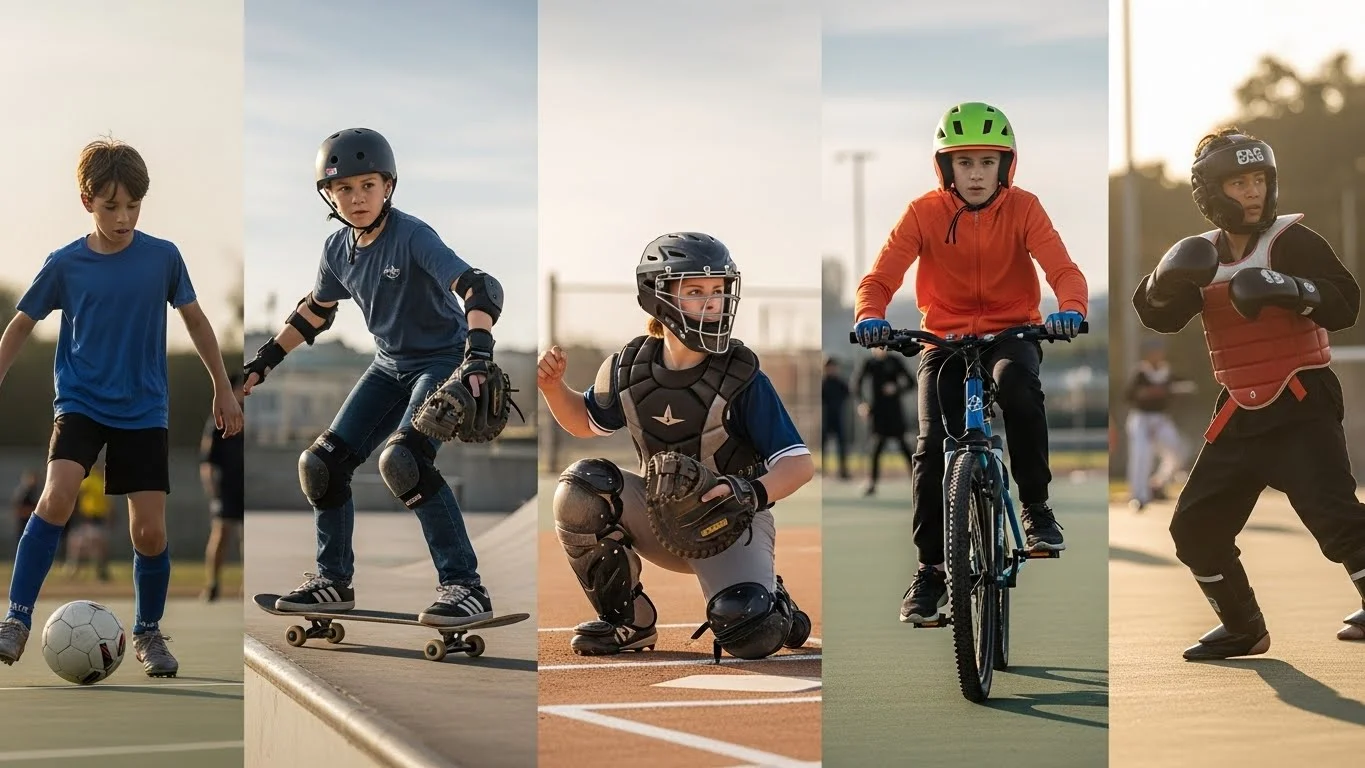
Understanding the Importance of Safety Gear for Young Athletes
When I first started playing sports as a kid, I remember feeling invincible. The thrill of running, jumping, and competing was exhilarating! However, I quickly learned that the excitement of sports came with risks. That’s where safety gear steps in to play a crucial role. I’ve come to believe that no matter how talented a young athlete is, proper protection can significantly reduce the chances of injury. Let’s dive into why safety gear is essential.
The Role of Safety Gear in Injury Prevention
Safety gear acts as a shield for young athletes, providing much-needed protection against various injuries. I’ve seen firsthand how helmets can cushion a fall, how shoulder pads can absorb the impact from a tackle, and how shin guards can prevent painful kicks. Each piece of equipment has a specific purpose, and the right gear can protect vital areas of the body during play. I remember one game where a simple pair of knee pads saved me from a nasty scrape. That experience really highlighted for me the importance of safety gear.
Moreover, wearing safety gear can also boost young athletes’ confidence. When I knew I was protected, I played with more freedom and less fear. This mental aspect is just as important as the physical protection that safety gear provides. Kids are less likely to hold back and more likely to give their all when they know they have the right equipment on their side. Read Interesting article: Understanding Childhood Sports Injuries: Prevention and Care
Common Injuries in Young Athletes
Understanding common injuries can help emphasize the importance of safety gear. In my youth sports experience, I witnessed injuries ranging from sprains and strains to more severe concussions. Here are some common injuries I’ve observed:
- Ankle sprains: These are incredibly common, especially in sports like soccer and basketball. A good pair of supportive footwear can help minimize this risk.
- Knee injuries: Conditions like ACL tears are unfortunately common among young athletes. I learned that knee pads and proper footwear could provide essential support.
- Concussions: Head injuries can happen in many sports. I was always taught that a well-fitted helmet is crucial, especially for contact sports.
- Fractures: Falling or colliding can lead to broken bones. Protective gear can help absorb some of that impact.
In my experience, the more we talked about these injuries, the more I understood the importance of wearing the right gear. It’s a conversation every parent and coach should have with young athletes, emphasizing that safety should never be overlooked.
Essential Types of Safety Gear
As I got older and experienced various sports, I discovered different types of safety gear that are essential for young athletes. Here’s a breakdown of what I consider must-haves:
Helmets
Helmets are a non-negotiable piece of equipment for contact sports. I’ve seen how they protect against head injuries, especially in sports like football and hockey. It’s essential to choose a helmet that fits snugly but comfortably. I recommend checking for certifications to ensure it meets safety standards.
Shoulder Pads
In contact sports, shoulder pads are vital. They protect the upper body during tackles and falls. I remember my first pair—they were bulky but surprisingly lightweight and made me feel secure. Make sure they fit well to allow for movement without compromising protection.
Shin Guards
In soccer and other sports, shin guards are crucial for preventing injuries from kicks and collisions. I always felt more secure with them on, and they’re surprisingly lightweight. I recommend trying a few pairs to find the right fit that doesn’t hinder movement.
Chest Protectors
For sports like baseball and softball, chest protectors can shield vital organs from stray balls. I once witnessed a player take a hard hit to the chest, and the chest protector truly saved them from serious injury. It’s important to pick one that fits well and allows for easy movement.
Elbow and Knee Pads
These pads are great for sports where falls are common, like skateboarding or rollerblading. I’ve had my fair share of tumbles, and knee pads have saved me from some painful scrapes. They provide extra cushioning and support, which is especially helpful for younger athletes who are still developing their coordination.
Footwear and Cleats
Lastly, never underestimate the importance of proper footwear. It has a direct impact on performance and safety. I’ve seen athletes slip and fall due to inadequate shoes. Investing in good quality cleats or sport-specific shoes can make a world of difference in both safety and performance. Read Interesting article: Top 5 Common Childhood Sports Injuries and How to Avoid Them
In my journey, I’ve learned that the right safety gear is an investment in a young athlete’s future. It not only protects them but also builds confidence, allowing them to enjoy their sport to the fullest. Each piece of equipment plays its part in creating a safer environment for our young athletes, ensuring that the focus remains on fun, teamwork, and skill development.
Sport-Specific Safety Gear Recommendations
Football Safety Gear
When it comes to football, the right safety gear is crucial due to the high-impact nature of the sport. I remember gearing up for my first game—there was a mix of excitement and nerves as I strapped on my helmet and shoulder pads. For football, I highly recommend investing in a certified helmet designed to absorb impacts effectively. Additionally, mouthguards are essential to protect teeth and prevent concussions. I’ve seen too many players get injured because they didn’t wear one. Finally, thigh and knee pads are also important to cushion against hard tackles. The more protected you feel on the field, the better you can perform.
Soccer Safety Gear
Soccer is another sport where safety gear is important, even if it seems less intense than football. I always felt more confident wearing my shin guards, which helped me focus on the game rather than worrying about getting kicked. A good pair of soccer cleats is also a must. They provide traction on the field, which is vital for making quick turns and sprinting. I learned that investing in a quality pair of cleats can prevent ankle injuries and slips. Lastly, while not as common, I’d recommend considering a head guard for those who are prone to heading the ball frequently, as it can add an extra layer of protection.
Baseball Safety Gear
Baseball is often seen as a less risky sport, but injuries can happen quickly. When I played, I always wore a helmet while batting—not just because it was required, but because I wanted to protect myself from stray pitches. Catchers need additional protection, including chest protectors and throat guards, to guard against foul tips and wild pitches. I once saw a catcher take a hit to the chest, and the chest protector made all the difference. For infielders, sliding pads can help prevent scrapes during those close plays. It’s always better to be safe than sorry!
Hockey Safety Gear
Hockey is one of those sports where safety gear is absolutely non-negotiable. The speed and physical contact can lead to serious injuries. I remember putting on my full gear, which included a helmet with a face cage, shoulder pads, elbow pads, and shin guards. Each piece of equipment plays a critical role in protecting against hard hits and falls. I’d encourage parents to make sure that the gear is properly fitted; a helmet should not move when you shake your head. A good pair of skates with ankle support is equally important to prevent injuries while on the ice.
Basketball Safety Gear
While basketball may seem less dangerous than contact sports like football or hockey, injuries happen frequently, especially to the knees and ankles. I learned that wearing high-top basketball shoes can provide extra ankle support, reducing the risk of sprains. While knee pads aren’t typically seen on the court, I’ve found them useful during practice sessions when I’d dive for loose balls. Additionally, mouthguards can really help protect against accidental falls or collisions. I remember being thankful for mine after an intense game!
Track and Field Safety Gear
In track and field, safety gear can vary depending on the events. I often wore appropriate running shoes designed for my specific event—whether it was sprinting or distance running. They provided the right support and grip. For field events like long jump or triple jump, I recommend using padded shorts to prevent bruising during landings. Additionally, using proper gear for throwing events, like gloves for shot put or javelin, can help enhance grip and control. The focus should always be on performance, but not at the cost of safety.
As I reflect on my own experiences in these sports, it’s clear that the right safety gear greatly enhances not only safety but also enjoyment. Each sport has its specific needs, and understanding these can help young athletes focus on what they love most—playing and improving their skills. Let’s keep investing in our kids’ safety so they can thrive on the field, court, or track without fear of injury.
How to Choose the Right Safety Gear
Sizing and Fit Considerations
Choosing the right size and fit for safety gear is one of the most important steps. I’ve learned from experience that gear that’s too loose or too tight can both lead to discomfort and an increased risk of injury. For instance, a helmet that doesn’t fit properly can shift during play, leaving areas of the head unprotected. I remember one time when I had to adjust my helmet multiple times during a game—it was a distraction I didn’t need. I recommend trying on gear before purchasing whenever possible, especially for items like helmets, shoulder pads, and shin guards. They should feel snug but not restrictive, allowing for a full range of movement.
When shopping for footwear, I’ve found it helpful to wear the socks I’d normally wear when playing. This way, I can ensure that my shoes fit perfectly in game conditions. Always check the manufacturer’s size guide, as sizes can vary between brands. Remember, it’s better to go a size up with adjustable straps than to risk discomfort with gear that’s too small.
Material and Durability
The material of safety gear greatly impacts its performance and longevity. I’ve seen gear made from various materials, from hard plastics to soft foams, and I can tell you that durability matters. For example, a quality helmet made from high-impact polycarbonate can withstand multiple hits without losing effectiveness. I’ve had helmets that I had to replace every season and others that lasted for years. Investing in well-made equipment not only means better protection but also long-term cost savings.
When it comes to knee pads and elbow pads, I always look for options with moisture-wicking materials. They help keep the athlete dry and comfortable during intense play. While it might be tempting to choose cheaper options, I believe that spending a little more upfront can lead to better performance and safety in the long run. It’s important to read reviews and ask fellow parents or coaches about their recommendations based on their experiences.
Certification and Safety Standards
Understanding safety certifications is crucial when selecting gear. I remember feeling reassured when I saw the certification labels on my gear, knowing it met specific safety standards. Organizations like the American Society for Testing and Materials (ASTM) and the National Operating Committee on Standards for Athletic Equipment (NOCSAE) set rigorous testing standards for equipment. I recommend looking for these certifications when purchasing helmets, pads, and other protective gear. It’s a way to ensure that the gear has been tested for safety and reliability.
Additionally, many sports have their own governing bodies that may require certain safety gear to be certified. For example, in football, helmets must meet specific guidelines to be considered safe for use in play. Always check the latest recommendations for your sport to make sure you’re getting gear that meets current safety standards.
Maintenance and Care for Safety Gear
Cleaning Instructions
Taking care of safety gear is just as important as choosing the right items in the first place. I’ve learned that regular cleaning can extend the life of gear and keep it in peak condition. Most manufacturers provide specific cleaning instructions, and I always follow those guidelines. For example, I found that wiping down my helmet and pads with a damp cloth after each use helped remove sweat and dirt. For items like shin guards, I’d often toss them in the washing machine on a gentle cycle, but I always check the label first.
Using mild soap is usually recommended, as harsh detergents can break down the materials over time. I also discovered that letting gear air dry instead of using a dryer helps maintain its shape and integrity. It’s a small step, but I believe it makes a big difference in how well my gear performs.
Storage Tips
How you store your safety gear can also affect its lifespan. I remember the time I stuffed my pads in a bag without letting them breathe, and they ended up smelling awful. Now, I make sure to store my equipment in a cool, dry place with ample ventilation. I’ve found that using a dedicated sports equipment bag with compartments is great for keeping items organized and accessible. Leaving gear out in the open air whenever possible helps prevent moisture buildup, which can lead to mold and deterioration.
Additionally, when the season ends, I do a thorough check of all my gear. It’s a good time to clean everything, store it properly, and assess whether any items need replacing. Taking these steps regularly has helped me maintain my gear in good condition for many seasons.
When to Replace Safety Gear
Knowing when to replace safety gear is crucial for ensuring ongoing protection. I’ve encountered situations where I hesitated to replace gear because I thought it still looked fine, but I’ve learned that looks can be deceiving. Signs of wear and tear, such as cracks in helmets or fraying straps on pads, are clear indicators that it’s time for an upgrade. I recommend checking gear regularly, especially after an intense season or if it has been involved in a significant impact.
Also, as young athletes grow, their gear may not fit as well over time. I’ve had to replace my shoes and pads more often during my growth spurts, and it’s crucial to ensure that everything fits correctly to maintain safety. I suggest setting a schedule to review gear at least once a season to ensure everything is still up to standard. Keeping an eye on both the condition of the gear and how well it fits can help prevent injuries and keep young athletes safe.
Frequently Asked Questions
Why is safety gear important for young athletes?
Safety gear is crucial for young athletes as it provides protection against various injuries, allowing kids to enjoy their favorite sports while minimizing the risk of harm. Proper gear can significantly reduce the chances of injury and boost confidence during play.
What are some common injuries young athletes face?
Young athletes commonly experience injuries such as ankle sprains, knee injuries (like ACL tears), concussions, and fractures. Understanding these injuries highlights the importance of wearing the right safety gear.
What types of safety gear are considered essential?
Essential types of safety gear for young athletes include helmets, shoulder pads, shin guards, chest protectors, elbow and knee pads, and proper footwear. Each piece serves a specific purpose in protecting vital areas of the body during sports activities.
How should safety gear fit?
Safety gear should fit snugly but comfortably. Gear that is too loose or too tight can lead to discomfort and increase the risk of injury. It’s recommended to try on gear before purchasing to ensure a proper fit.
What materials should I look for in safety gear?
When selecting safety gear, look for durable materials that can withstand impacts, such as high-impact polycarbonate for helmets. Additionally, moisture-wicking materials for pads help keep athletes dry and comfortable during play.
How can I ensure the safety gear meets safety standards?
To ensure safety gear meets safety standards, look for certification labels from organizations like ASTM and NOCSAE. This indicates that the gear has been tested for safety and reliability.
What maintenance is required for safety gear?
Regular cleaning is important to extend the life of safety gear. Follow manufacturer instructions for cleaning, use mild soap, and air dry items whenever possible. Proper storage in a cool, dry place with ventilation is also crucial.
When should safety gear be replaced?
Safety gear should be replaced when there are signs of wear and tear, such as cracks in helmets or fraying straps on pads. Additionally, as young athletes grow, their gear may no longer fit properly, necessitating replacement.
What specific safety gear is recommended for football?
For football, it is recommended to use a certified helmet, mouthguards to protect teeth and prevent concussions, and thigh and knee pads to cushion against hard tackles.
How can proper footwear impact young athletes’ safety?
Proper footwear is essential as it impacts both performance and safety. Good quality cleats or sport-specific shoes can prevent slips and falls, providing the necessary traction and support during play.