
Playtime is a magical part of every toddler’s day. It’s when they explore, learn, and let their imaginations run wild. But amidst all the fun, safety should always be our top priority.
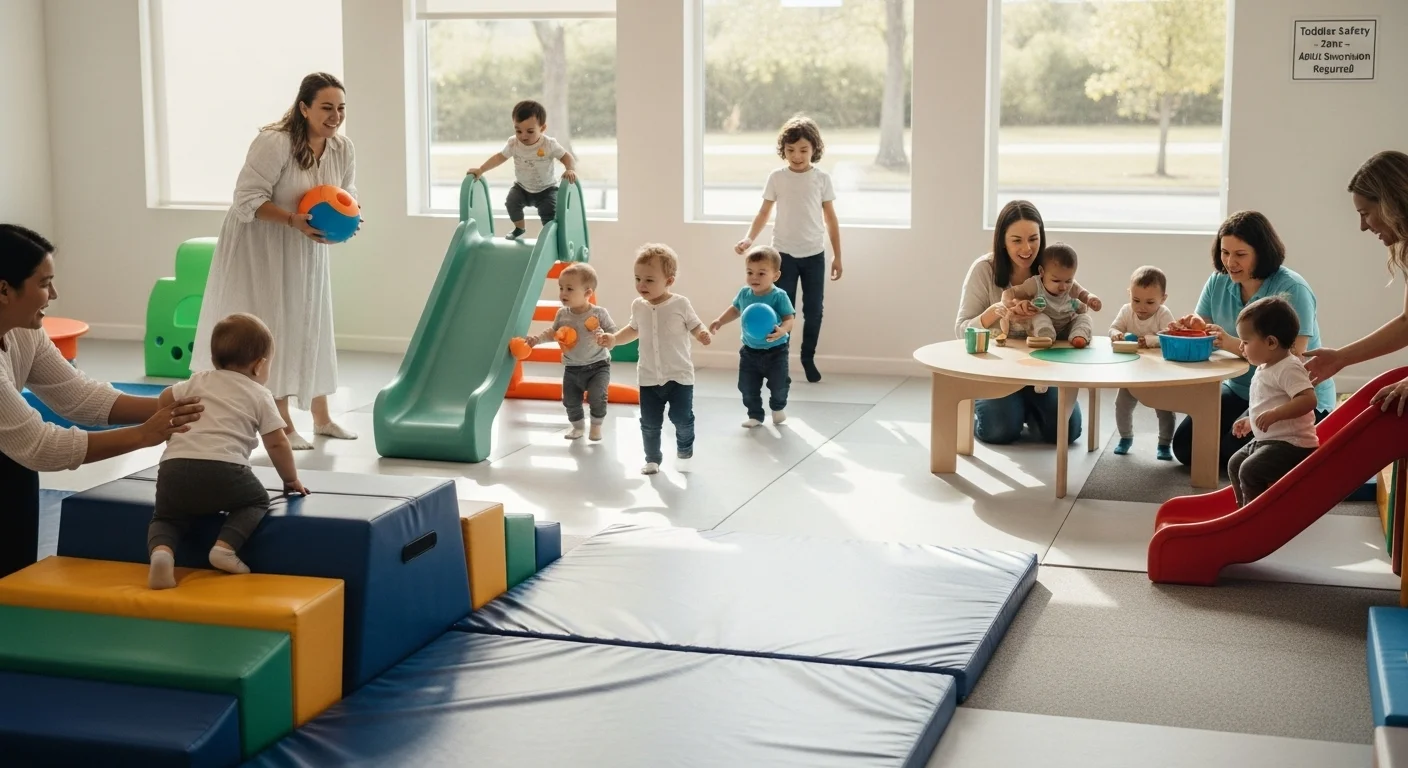
Understanding the Importance of Safety During Toddler Playtime
Why Safety is Crucial for Toddlers
I can still remember the first time I watched my little one play at the park. My heart raced as they climbed up the slide and zoomed down with glee. It hit me right then how vital safety is during these moments. Toddlers are naturally curious and often unaware of their physical limitations. Their excitement can lead them into risky situations before we even have a chance to intervene. I’ve learned that ensuring a safe play environment not only protects our children but also allows us to enjoy those moments without constant worry. Milestones Matter: Backpacking Tips for Toddlers’ Growth can provide additional insights into keeping our little ones safe during play.
Common Risks Associated with Physical Play
During physical play, toddlers face various risks that can lead to accidents. From slips and falls to collisions with other children or objects, the potential for injury is real. I’ve seen firsthand how quickly a fun day at the park can turn into a trip to the doctor after a tumble. Some common risks include:
- Falls: Whether climbing jungle gyms or running on uneven surfaces, falls are one of the most common sources of injuries. I always remind myself to keep a close watch while they’re climbing.
- Collisions: With so many active little ones around, it’s easy for them to bump into each other or larger objects. I’ve found that teaching them about personal space can help minimize these incidents.
- Strangulation Hazards: Toys with long cords or certain clothing can pose strangulation risks. It’s essential to check their play area for these hazards. I once had to remove a cute toy because it had a long strap that I realized could easily get tangled.
- Sharp Edges or Points: Many playgrounds have equipment that can have sharp edges. I often inspect slides and swings before letting my child play, just to ensure everything is smooth and safe.
By understanding these risks, we can take proactive steps to keep our little ones safe while they enjoy their playtime adventures.
Essential Safety Gear for Toddlers
Helmets: When and How to Use Them
As our kids zoom around on tricycles, scooters, or while skating, helmets become an essential piece of safety gear. I remember when my toddler first started riding their little bike; ensuring the helmet fit snugly was my top priority. It should sit level on their head, covering their forehead, and the straps must be adjusted properly to keep it in place. I’ve learned that setting a good example by wearing my helmet when biking also encourages them to do the same.
Pads and Protective Clothing
In addition to helmets, knee and elbow pads can be lifesavers. I can’t count the number of times my child has taken a tumble while trying to master a new move. Protective clothing, like long-sleeved shirts and pants, can also help prevent scrapes and bruises. I’ve found that letting my child choose their protective gear makes them more excited to wear it, which is a win-win!
Choosing Safe Footwear for Active Play
Footwear is another critical aspect of safety during physical play. I’ve made the mistake of letting my child wear sandals at the park, only to find them slipping and tripping. I’ve learned that well-fitting sneakers with good grip are the best choice. They provide support and stability, helping my little one run, jump, and climb without the risk of falling. Plus, I love that they come in fun colors and designs that my child adores!
Creating a Safe Play Environment
Indoor Safety Measures
Creating a safe indoor play environment is just as important as outdoor safety. I’ve transformed my living room into a mini play zone, ensuring all sharp objects are out of reach and surfaces are soft. Using cushions and mats can help create a safe landing spot for any unexpected tumbles. I also make it a point to regularly check for any small toys that could pose choking hazards.
Outdoor Safety Considerations
When it comes to outdoor play, I’ve learned that choosing the right location is key. I always prefer parks that have age-appropriate equipment. It gives me peace of mind knowing that my toddler is exploring in an environment designed for their safety. Always keeping an eye on the weather is also crucial; wet surfaces can lead to slips, so I tend to avoid outdoor play during rainy days. Traveling Smart: Toddler Developmental Milestones on a Budget offers great tips on how to make the most of outdoor play.
Choosing Safe Play Equipment
Selecting safe play equipment can feel overwhelming, especially with so many options available. I’ve found that looking for equipment that is labeled as safe for toddlers is a good start. I also assess the stability of swings and slides before letting my child use them, ensuring they are securely anchored to the ground. I prefer materials that are soft and durable, as they can reduce the risk of injury during play.
Regular Maintenance of Play Areas
Maintenance is an area I never overlook. I regularly check my backyard and local playgrounds for anything that might pose a danger. If I spot loose screws, rust, or cracks, I either fix them myself or report it to the park authorities. I feel that being vigilant about these details can help provide a safer play environment for all children.
Supervision Guidelines for Toddler Playtime
Importance of Active Supervision
When it comes to toddler playtime, I can’t stress enough how crucial active supervision is. I remember a day at the park when my child was so engrossed in playing with a new friend that I momentarily looked away. In that brief moment, they attempted to climb a structure that was slightly too high for them. Thankfully, I caught them just in time. This experience taught me that being present and engaged not only helps prevent accidents but also allows me to step in and guide them through new challenges safely. I’ve learned that even just being within arm’s reach can make all the difference.
Setting Boundaries and Rules for Safe Play
Setting clear boundaries and rules for play is another essential aspect of supervision that I find valuable. Before heading to the playground, I always take a moment to discuss what is considered safe behavior. For example, we talk about not running too close to swings and waiting for their turn on slides. This helps my toddler understand limits while also encouraging them to express themselves within those boundaries. I’ve noticed that when they grasp the concept of rules, they feel empowered and more secure, which enhances their overall play experience.
Recognizing Signs of Fatigue or Distress
As much as I want my child to enjoy every moment of play, I’ve realized that watching for signs of fatigue or distress is equally important. I remember a time when my child was happily playing but started to get increasingly cranky and less coordinated. It was a clear sign that they needed a break. I’ve learned that taking breaks not only prevents accidents but also recharges their energy, allowing them to return to play with renewed enthusiasm. Keeping an eye out for mood changes and physical cues helps me gauge when it’s time to step in and suggest a snack or a little downtime.
Safe Play Activities for Toddlers
Age-Appropriate Games and Activities
Finding age-appropriate games and activities can be a fun challenge. I often look for games that not only entertain my toddler but also promote their development. Simple games like “Simon Says” or “Duck, Duck, Goose” have been favorites in our household. I love how these games encourage listening skills, physical movement, and social interaction. I’ve found that incorporating educational elements into play, such as counting during a scavenger hunt, makes the experience even richer. It’s amazing to see how engaged my child becomes when they are learning while playing!
Safe Outdoor Play Ideas
Outdoor play is such a wonderful way for toddlers to explore and enjoy nature. I often set up safe outdoor play activities that range from simple to structured. For instance, we love going on nature walks where my child can collect leaves or rocks, and I encourage them to identify different colors and shapes. We also enjoy playing with bubbles, which not only is fun but helps improve their hand-eye coordination as they try to pop them. I’ve realized that outdoor play doesn’t have to be elaborate; sometimes, the simplest activities are the most memorable.
Indoor Playtime Safety Tips
Indoor playtime can be just as exciting as outdoor fun, especially on rainy days. I’ve created a little indoor obstacle course using cushions and blankets, which my toddler absolutely loves. However, ensuring safety during indoor play is important. I always make sure to remove any small items that could be choking hazards and secure furniture that could tip over. I also keep play areas well-lit and clear of clutter to prevent tripping. These small adjustments make a big difference in creating a safe and enjoyable indoor environment for play.
Teaching Toddlers About Safety
Simple Safety Rules Toddlers Can Understand
Teaching my toddler about safety is an ongoing process, and I find that using simple language is key. I’ve introduced basic rules like “stop, drop, and roll” for fire safety or “hold my hand when crossing the street.” By using catchy phrases or rhymes, I’ve made it easier for my child to remember these important concepts. I’ve noticed that when I incorporate fun into learning, they are much more willing to listen and absorb the information.
Role-Playing Safety Scenarios
Role-playing different safety scenarios has become one of my favorite teaching methods. We often act out situations, like what to do if we get lost in a store or how to respond if a stranger approaches us. I find that by acting these scenarios out, my toddler feels more prepared and less anxious about potential situations. This method not only makes the learning process fun, but it also builds their confidence in handling unexpected circumstances.
Using Storytelling to Teach Safety Concepts
I’ve discovered that storytelling can be a powerful tool for teaching safety concepts. I often create fun stories featuring my child as the hero, facing various safety challenges. For instance, I might tell a tale about a brave little bear who learns to look both ways before crossing the road. By using characters they relate to, I’ve found that my child becomes more invested in the lesson. This approach not only entertains but also reinforces the importance of safety in a way that’s engaging and memorable.
Responding to Injuries: First Aid Basics
Common Injuries During Playtime
As much as I hope for smooth sailing during playtime, I know that accidents can happen. I’ve seen various injuries that can occur when toddlers are at play. Scrapes and bruises are perhaps the most common, especially when little ones are learning to navigate their surroundings. I remember a time when my child was climbing a small play structure and slipped, leading to a scraped knee. It was a tough moment for both of us, but I learned how to handle these situations calmly. Other common injuries include:
- Falls: Whether it’s from climbing equipment or simply tripping over their own feet, falls can lead to bumps and bruises. I always try to catch my child before they hit the ground, but sometimes it’s unavoidable.
- Scratches: Toddlers might get scratches from rough surfaces or sharp objects. I’ve had to remind myself to keep an eye out for hidden dangers like overgrown bushes when we’re playing outside.
- Sprains and Strains: As they run and jump, toddlers can twist their ankles or strain muscles. I often remind my child to be cautious, especially when trying new moves on the playground.
- Choking Hazards: Small toys or objects can pose a choking risk. I’m always vigilant about checking the toys in their play area and ensuring everything is age-appropriate.
Understanding these common injuries has helped me prepare better for playtime, ensuring I have the right tools and knowledge to respond effectively.
Basic First Aid Tips for Parents
When it comes to handling injuries, I believe that having a basic understanding of first aid can make a world of difference. I’ve taken the time to learn a few essential first aid tips that have proven invaluable. For instance, if my child gets a scrape, I know to:
- Clean the wound: I always keep a first aid kit handy. I gently clean the area with soap and water to prevent infection. I remember the first time I had to do this; I was nervous, but I realized it was important for their healing.
- Apply a bandage: After cleaning, I put on a bandage to protect the wound. I’ve found that letting my child choose their own bandage makes them more willing to wear it.
- Use ice for swelling: If there’s swelling or bruising, I apply a cold compress for a few minutes. It helps ease the pain and reduces inflammation. I try to make it a fun experience, like we’re putting on a “magic ice” to make it better.
- Monitor for signs of infection: I always keep an eye on the wound for redness, swelling, or pus. If I notice any concerning symptoms, I don’t hesitate to consult a medical professional.
Knowing these simple first aid steps has helped me feel more confident and prepared to handle minor injuries during playtime. Additionally, Backpacking Budget: Supporting Toddler Development Milestones provides useful information on ensuring toddlers have safe adventures.
When to Seek Professional Help
There are times when a toddler’s injury requires more than just basic first aid. I’ve learned to trust my instincts about when to seek professional help. If my child experiences any of the following, I know it’s time to visit a doctor:
- Severe injuries: If there’s a noticeable fracture, deep cut, or excessive bleeding, I act quickly to get professional care.
- Signs of concussion: If my child bumps their head and shows symptoms like confusion, dizziness, or excessive drowsiness, I don’t hesitate to get them checked out.
- Persistent pain: If my child is in pain that doesn’t improve after a few hours or worsens, I make sure to consult a healthcare professional.
- Allergic reactions: If they experience swelling, hives, or difficulty breathing after an insect bite or food, I know that immediate medical attention is necessary.
Being aware of these signs ensures that I can act swiftly and effectively, prioritizing my child’s health and safety in any situation.
Final Thoughts
As I reflect on the journey of parenting, I realize that ensuring safety during toddler playtime is an ongoing commitment. It’s not just about teaching our children the rules; it’s about creating a culture of safety that we can instill in them from a young age. I often remind myself that it’s a balancing act between allowing my child the freedom to explore and the responsibility to keep them safe.
Regularly Reviewing Safety Protocols
I’ve found that reviewing safety protocols regularly helps reinforce what we’ve learned. It’s almost like a little ritual in our house. For instance, before we head to the park, we might do a quick recap of our safety rules. I’ll ask questions like, “What do we do if we see a stranger?” or “How do we stay safe on the slide?” Not only does this help my child remember important information, but it also brings us closer together as we engage in these discussions. I’ve noticed that this repetition builds their confidence and makes them feel secure in knowing the right actions to take.
Involving Caregivers in Safety Education
Another important area is involving other caregivers in our safety education. Whether it’s grandparents, babysitters, or friends, I believe everyone should be on the same page regarding safety practices. I often sit down with anyone who takes care of my child and go over the safety guidelines we follow. I’ve learned that open communication ensures that my child receives consistent messages, which only strengthens their understanding of safety. Plus, it allows me to share any new tips or experiences I’ve encountered along the way, creating a community of safety-minded adults around my little one.
Ultimately, it’s the small, proactive steps we take daily that accumulate into a robust safety net for our children. By embracing a culture of safety, we not only protect our toddlers but also empower them to enjoy their playtime with confidence. Every giggle, every tumble, and every moment of joy becomes a shared experience that we can cherish, knowing that safety is always at the forefront of our minds.
Frequently Asked Questions
Why is safety crucial during toddler playtime?
Safety is crucial during toddler playtime because toddlers are naturally curious and often unaware of their physical limitations. Their excitement can lead them into risky situations, making it essential to ensure a safe play environment to protect them while allowing parents to enjoy those moments without constant worry.
What are common risks associated with physical play for toddlers?
Common risks associated with physical play for toddlers include falls, collisions with other children or objects, strangulation hazards from toys with long cords, and sharp edges or points on playground equipment. Awareness of these risks allows parents to take proactive steps to keep their children safe.
What essential safety gear should toddlers wear during play?
Essential safety gear for toddlers includes helmets for activities like biking and scootering, knee and elbow pads to prevent scrapes during falls, and well-fitting sneakers with good grip to provide support and stability. Protective clothing, like long-sleeved shirts and pants, can also help prevent injuries.
How can parents create a safe indoor play environment?
Parents can create a safe indoor play environment by removing sharp objects, using soft surfaces like cushions and mats, regularly checking for small toys that could pose choking hazards, and ensuring play areas are well-lit and clear of clutter to prevent tripping.
What should parents consider for outdoor play safety?
For outdoor play safety, parents should choose parks with age-appropriate equipment, watch the weather to avoid wet surfaces that can lead to slips, and regularly inspect play equipment for stability and safety. Maintaining vigilance helps ensure a safe play experience.
What is the importance of active supervision during toddler playtime?
Active supervision is crucial during toddler playtime as it allows parents to prevent accidents and guide children through new challenges safely. Being present and engaged helps parents step in at the right moments and ensures children are safe while exploring their environment.
How can parents teach toddlers about safety?
Parents can teach toddlers about safety by using simple language, role-playing different safety scenarios, and incorporating storytelling to make learning fun. Using catchy phrases and relatable characters helps toddlers remember important safety concepts and feel more prepared.
What are some common injuries that occur during toddler playtime?
Common injuries during toddler playtime include scrapes and bruises from falls, scratches from rough surfaces or sharp objects, sprains and strains from running and jumping, and choking hazards from small toys or objects. Understanding these injuries helps parents prepare for playtime effectively.
When should parents seek professional help for a toddler’s injury?
Parents should seek professional help for a toddler’s injury if there are severe injuries like noticeable fractures or deep cuts, signs of concussion, persistent pain, or allergic reactions. Being aware of these signs ensures that parents can act quickly and prioritize their child’s health and safety.
How can parents regularly reinforce safety protocols with their children?
Parents can regularly reinforce safety protocols by reviewing them before going to places like the park and engaging in discussions about safety rules. This repetition helps children remember important information and builds their confidence in knowing how to stay safe.