
Welcoming a newborn into the world is a beautiful experience, but it often comes with sleepless nights. To help both you and your baby achieve peaceful slumber, I’ve gathered some must-have sleep products that can make a world of difference. Read Interesting article: Budget-Friendly Baby Safety Products for Your Travels
Understanding Newborn Sleep Patterns
When I first became a parent, I was surprised by how little I knew about newborn sleep patterns. Understanding these patterns is crucial for anyone who wants to help their baby—and themselves—get better sleep. Newborns, typically defined as babies from birth to about two months old, have unique sleep needs that differ greatly from older infants and adults.
Typical Sleep Schedule for Newborns
Newborns usually sleep around 14 to 17 hours a day. However, it’s not in long stretches like we might hope. Instead, they sleep for shorter periods, often lasting anywhere from 30 minutes to three hours at a time. I remember feeling overwhelmed by the unpredictability of my baby’s sleep schedule, which can change daily.
During the first few weeks, it’s common for newborns to wake every 2 to 3 hours for feedings. This is a natural rhythm that supports their rapid growth and development. I found it helpful to track my baby’s sleep patterns using a simple app, which allowed me to notice trends over time and adjust our daily routines accordingly. Read Interesting article: Top 10 Baby Safety Products for Travel with Newborns
Importance of Sleep for Infant Development
Sleep is not just a luxury for newborns; it’s essential for their growth and brain development. Research shows that during sleep, babies process information and consolidate memories, aiding their cognitive development. When I learned about this, I realized that every hour of sleep my baby got was helping them grow and thrive. It made those late-night feedings feel a little less daunting.
Moreover, sleep also plays a crucial role in physical health. Newborns release growth hormones primarily during deep sleep. So, ensuring a proper sleep environment is vital, not just for your sanity but for your baby’s health as well.
Essential Sleep Products for Newborns
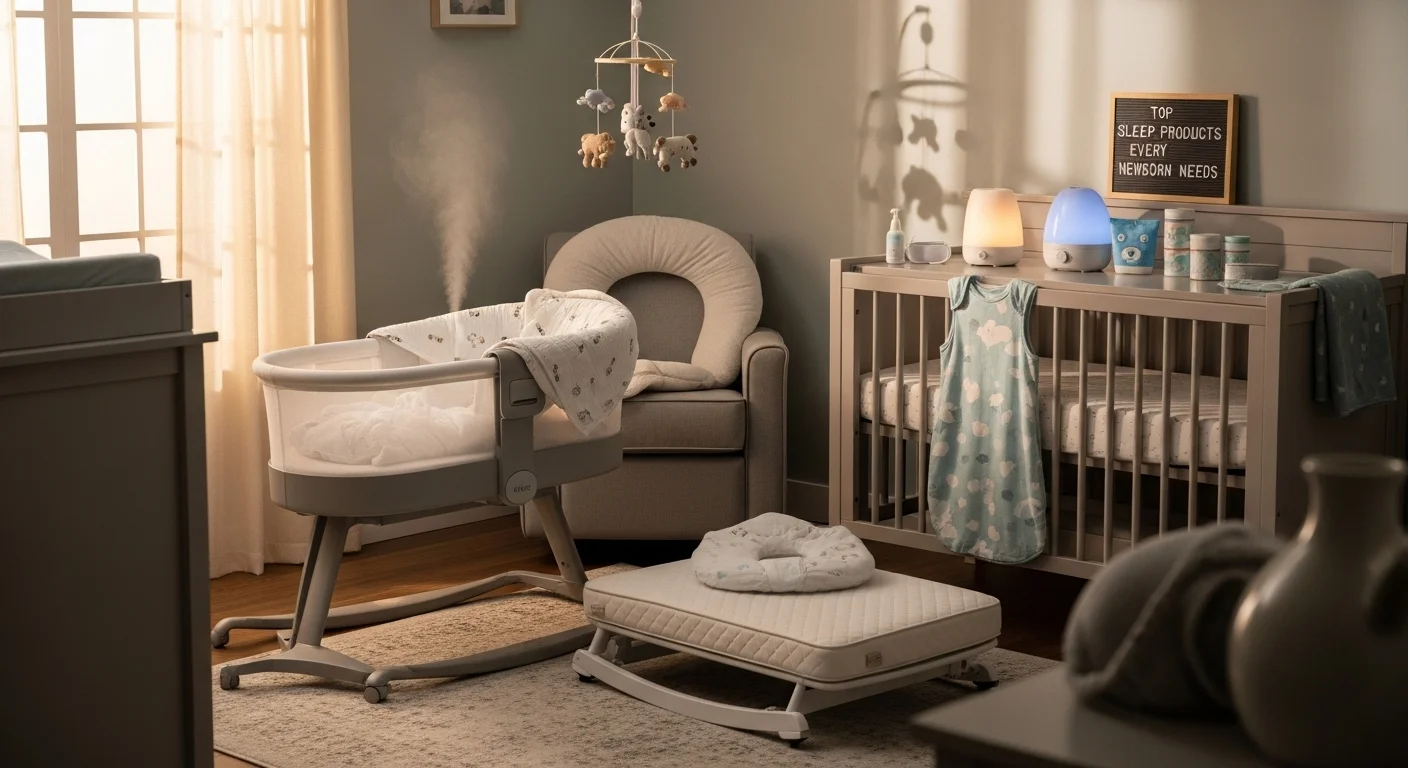
Now that we have a grasp on newborn sleep patterns, let’s dive into the essential sleep products that can help create a peaceful sleeping environment for your little one. I’ve compiled a list of must-haves that can aid in reducing nighttime fussiness and promoting better sleep.
Cribs and Bassinets
The first product that comes to mind is a crib or bassinet, which provides a safe sleeping space for your newborn. I loved using a bassinet in those early months because it was portable and allowed me to keep my baby close during the night. There are many designs out there, but I recommend looking for one that meets safety standards and fits well in your bedroom.
Some bassinets even come with features like rocking capabilities or adjustable heights that can make nighttime feedings easier. I remember finding one that swayed gently, which seemed to soothe my baby back to sleep quickly.
Swaddles and Sleep Sacks
Swaddling is another essential practice that I found incredibly beneficial for my newborn. Swaddles help keep babies snug and mimic the feeling of being in the womb, which can be incredibly comforting. I experimented with various swaddle styles and found that the ones with Velcro closures were the easiest to use, particularly when I was exhausted at 3 AM.
As babies grow, sleep sacks can be a great transition from swaddles. They keep little ones warm without the risk of loose blankets, which is something I worried about at night. I appreciated how sleep sacks offered a sense of security while allowing my baby to move their legs freely.
Mattresses and Bedding
The mattress you choose is essential for your baby’s sleep quality. I learned that a firm mattress is recommended for newborns to reduce the risk of Sudden Infant Death Syndrome (SIDS). I made sure to pick a crib mattress that met safety standards and fit snugly in the crib without gaps. Additionally, I found that using breathable, hypoallergenic bedding helped in maintaining a comfortable sleep environment.
White Noise Machines
One product that revolutionized our nights was a white noise machine. I discovered that consistent background noise could help drown out sudden sounds that might wake my baby. The gentle hum of a white noise machine mimicked the sounds of the womb, creating a calming atmosphere. I often found myself falling asleep to it too, which was an added bonus!
Night Lights and Soothing Sounds
Soft night lights can provide a sense of comfort in the nursery. I loved having a dimmable night light that allowed me to check on my baby without turning on bright overhead lights. Some night lights even come with soothing sounds like lullabies or nature sounds, which I found incredibly helpful during those nighttime feedings and diaper changes. The calming ambiance made everything feel less hectic.
These sleep products were game-changers for my family and contributed significantly to better sleep for everyone involved. As I navigated those early months, I felt more confident knowing I was creating a safe and soothing sleep environment for my little one. By choosing the right products, I realized I was not just investing in items but also in a more peaceful night’s sleep for both my baby and myself. Read Interesting article: How to Maintain Hygiene for Newborns: Parent’s Guide
Safety Considerations for Newborn Sleep Products
As much as I wanted my baby to sleep well, I quickly realized that safety had to come first. It’s so important to ensure that the products we choose for our little ones are not just comfortable but also safe. I remember feeling overwhelmed by the information out there, but it all boils down to a few key considerations that can give you peace of mind while your baby sleeps.
Choosing Safe Cribs and Accessories
When selecting a crib or bassinet, I learned to prioritize safety standards. I looked for the Consumer Product Safety Commission (CPSC) certification, which ensures that the product meets strict safety guidelines. I also made sure the crib had slats that were no more than 2.375 inches apart to prevent my baby from getting stuck. A solid construction was key; I wanted to avoid any creaking or wobbling that could disturb my little one’s sleep.
I remember searching for cribs that were free from toxic chemicals and finishes. There are many brands out there that focus on using non-toxic materials, and I personally found that researching these options made a significant difference in my peace of mind. Plus, I loved knowing I was providing a healthy sleep environment for my baby.
Swaddling Safety Guidelines
As I mentioned earlier, swaddling was a game changer for us, but I quickly learned that it needed to be done safely. I made it a point to follow guidelines to avoid any risks associated with swaddling. For instance, I never swaddled my baby too tightly, especially around the hips, as this could lead to hip dysplasia. Instead, I made sure that the swaddle allowed for some movement while keeping my baby snug.
Additionally, I was cautious about when to stop swaddling. Once my baby started showing signs of rolling over, I transitioned them out of swaddles to ensure their safety. I remember being nervous about this transition, but it was all about reading my baby’s cues and adjusting as needed.
Understanding the Safe Sleep Environment
Creating a safe sleep environment is not just about the products, but also how you set up the nursery. I took the time to ensure that the crib was clear of any soft bedding, pillows, or toys that could pose a suffocation risk. I made a habit of checking the crib before placing my baby down for a nap or at night, which helped me feel more secure about their sleeping space.
Another aspect I paid attention to was the room temperature. I learned that babies are sensitive to heat, so I aimed to keep the nursery cool, ideally between 68-72°F. I found that using a fan not only helped with ventilation but also provided a bit of white noise, which my baby loved. I also made sure to dress my baby appropriately for sleep, opting for a lightweight sleep sack instead of heavy blankets.
Lastly, I always placed my baby on their back to sleep, which is the safest position and helps reduce the risk of SIDS. I remember the relief I felt knowing that I was doing my best to create a safe sleeping environment for my little one. Following these safety considerations made it easier for me to focus on helping my baby get the rest they needed.
Top Recommended Sleep Products
With safety in mind, it’s time to dive into some of the products I found most effective. I know that choosing sleep products can feel overwhelming, but I want to share my favorites that I believe are worth considering. Each of these has stood out in my experience, and I hope they can help you as much as they helped me.
Best Cribs for Newborns
When it comes to cribs, I found that a convertible crib can be an excellent investment. Not only can they be used from newborn to toddler, but they also save you money in the long run. Brands like DaVinci and Babyletto offer cribs that are well-reviewed for safety and durability. I personally loved the DaVinci Kalani crib for its sturdy construction and beautiful design. It made my baby’s nursery feel cozy and stylish!
Top Rated Swaddles and Sleep Sacks
For swaddles, I can’t recommend the Halo Sleepsack enough. Its design allows for easy diaper changes without disturbing my baby’s sleep. Plus, the material feels soft and breathable. As for sleep sacks, the Love to Dream Swaddle Up is a favorite among many parents. It allows babies to sleep with their arms up, which I found to be more comfortable for my little one as they began to grow.
High-Quality Mattresses for Infant Sleep
Choosing a quality mattress is essential. I loved the Newton Baby Crib Mattress because it’s breathable, washable, and made from non-toxic materials. It gave me peace of mind knowing that my baby was sleeping on something safe and comfortable. Plus, it fit perfectly in the crib without any gaps, which was a huge relief.
Popular White Noise Machines
For white noise machines, the Hatch Baby Rest is a fantastic option. It’s not just a white noise machine; it doubles as a night light and can be controlled from your phone. I found it incredibly helpful during those late-night feedings. Being able to adjust the settings without getting out of bed was a lifesaver!
Recommended Night Lights
Lastly, I found myself using the VAVA Night Light often. It’s dimmable and portable, making it easy to move around the room. I loved how I could adjust the brightness, which was perfect for middle-of-the-night feedings without waking my baby fully. It was a small touch that made a big difference in our nighttime routine.
Creating a Sleep-Friendly Environment
As I settled into the routine of caring for my newborn, I quickly realized that creating a sleep-friendly environment was just as important as the products we used. It’s fascinating how small changes can have a big impact on how well our little ones sleep. I remember making a few adjustments in our home that really improved my baby’s sleep quality, and I want to share those insights with you.
Room Temperature and Ventilation
The temperature in the nursery was something I became particularly mindful of. I learned that babies can easily overheat, which can be unsafe. I aimed to keep the room at a comfortable temperature, ideally between 68-72°F. This was a trial-and-error process for me; some nights, I found myself checking the thermostat multiple times, especially if the weather outside fluctuated. I invested in a simple room thermometer to make this easier.
Ventilation played a significant role too. I discovered that a well-ventilated room not only helps maintain a steady temperature but also keeps the air fresh. I started using a fan in the nursery, which served a dual purpose: it kept the air circulating and provided a gentle white noise that helped soothe my baby to sleep. I felt it was a win-win situation, especially during the warmer months!
Light Control and Noise Management
Next on my list was controlling the light and noise levels in the nursery. I found that creating a dark environment was crucial for encouraging longer sleep stretches. I invested in blackout curtains, which made a world of difference. I remember the first time I closed those curtains for a daytime nap; my baby fell asleep almost instantly. The darkness mimicked nighttime and helped signal that it was time to sleep.
Noise management was equally important. While the white noise machine was fantastic, I also made sure to keep background noise to a minimum during naps and nighttime. I learned to tiptoe around the house and kept the volume on the TV low. It was a bit of an adjustment for the whole family, but we quickly adapted, knowing it benefited our little one.
Tips for Establishing a Sleep Routine
Once the environment was just right, I turned my attention to establishing a solid sleep routine for my newborn. I realized that consistency was key. Babies thrive on routines, and I wanted to create a calming bedtime ritual that my little one could anticipate.
Creating a Consistent Bedtime Routine
I found that having a consistent bedtime routine helped signal to my baby that it was time to wind down. We started with a warm bath followed by a gentle massage with baby lotion. I loved this bonding time, and it seemed to relax my baby. After that, I would read a short story or sing a lullaby. These soothing activities became the perfect way to transition from the excitement of the day to the calmness of night.
What really surprised me was how quickly my baby picked up on this routine. Before long, they would start to yawn as I prepared for bedtime. It was such a rewarding feeling to know that we were establishing a rhythm that worked for both of us.
Signs Your Newborn is Tired
Learning to recognize the signs of tiredness was another important aspect of our journey. I remember the first few weeks when I missed those sleepy cues, leading to overtired crankiness. I learned to look for signs like eye rubbing, yawning, and fussiness. These cues were my indicators that it was time to start the bedtime routine.
One of the most valuable things I learned was that timing is everything. If I missed the window when my baby was just getting sleepy, it often led to a more challenging bedtime. I made a point to pay close attention to these signals, and it became a lot easier to put my baby down when they were ready for sleep.
How to Transition from Day to Night Sleep
As my baby grew, I also realized that transitioning from daytime naps to nighttime sleep was crucial. I started to create a clear distinction between day and night. During the day, I kept the curtains open and made noise during feedings and diaper changes. This helped my baby associate daytime with being awake and nighttime with sleep. I remember feeling proud of how well this approach worked!
At night, I made sure to keep the lights dim and the atmosphere calm. I avoided stimulating activities during nighttime feedings and tried to keep interactions quiet and soothing. This established a clear cue that nighttime was for sleeping, which made a noticeable difference.
In my experience, these tips for creating a sleep-friendly environment and establishing a sleep routine were game-changers. They helped us not only survive those early months but thrive as a family. The more consistent and mindful I was, the more restful our nights became, and I hope these insights help you find the same peace in your journey.
Frequently Asked Questions
What are typical sleep patterns for newborns?
Newborns typically sleep around 14 to 17 hours a day, but not in long stretches. They usually sleep for shorter periods, lasting from 30 minutes to three hours at a time, and commonly wake every 2 to 3 hours for feedings during the first few weeks.
Why is sleep important for infant development?
Sleep is essential for newborns as it aids in their growth and brain development. During sleep, babies process information and consolidate memories, which is crucial for cognitive development. Sleep also plays a role in physical health, as growth hormones are released during deep sleep.
What are some essential sleep products for newborns?
Essential sleep products for newborns include cribs or bassinets, swaddles and sleep sacks, quality mattresses, white noise machines, and night lights. These products help create a safe and soothing sleep environment for infants.
What safety considerations should parents keep in mind when choosing sleep products?
Parents should prioritize safety standards, such as looking for CPSC certification, ensuring the crib’s slats are appropriately spaced, and choosing non-toxic materials. Additionally, it’s important to create a safe sleep environment by keeping the crib clear of soft bedding, pillows, and toys.
What are the recommended guidelines for swaddling?
When swaddling, it’s important not to swaddle too tightly, especially around the hips, to avoid hip dysplasia. Parents should also transition out of swaddling once the baby shows signs of rolling over to ensure safety.
How can I create a sleep-friendly environment for my newborn?
To create a sleep-friendly environment, maintain a room temperature between 68-72°F, ensure proper ventilation, control light with blackout curtains, and manage noise levels. Using a fan for both ventilation and white noise can be beneficial as well.
What are some tips for establishing a sleep routine for a newborn?
Establishing a consistent bedtime routine can help signal to your baby that it’s time to wind down. Activities like bathing, gentle massages, and reading can aid in this process. Recognizing signs of tiredness, such as eye rubbing and yawning, is also crucial for timing bedtimes effectively.
How can I help my newborn transition from daytime naps to nighttime sleep?
To help your newborn transition from daytime naps to nighttime sleep, create a clear distinction between day and night. Keep the environment bright and noisy during the day and dim and calm at night to signal that it’s time for sleep.
What are some recommended sleep products for newborns?
Some recommended sleep products include convertible cribs like the DaVinci Kalani, swaddles such as the Halo Sleepsack, high-quality mattresses like the Newton Baby Crib Mattress, and white noise machines like the Hatch Baby Rest.
How can I ensure my baby is safe while sleeping?
To ensure your baby is safe while sleeping, always place them on their back to sleep, keep the crib free of soft bedding and toys, and monitor the room temperature. Adhering to these safety guidelines can help reduce the risk of Sudden Infant Death Syndrome (SIDS).