
Homeschooling often sparks conversations about education, but one topic that frequently comes up is socialization. How do homeschooling families ensure their children connect with others? Let’s explore the importance of socialization and how to make it happen. Read Interesting article: Navigating Homeschooling Legalities: A Parent’s Guide
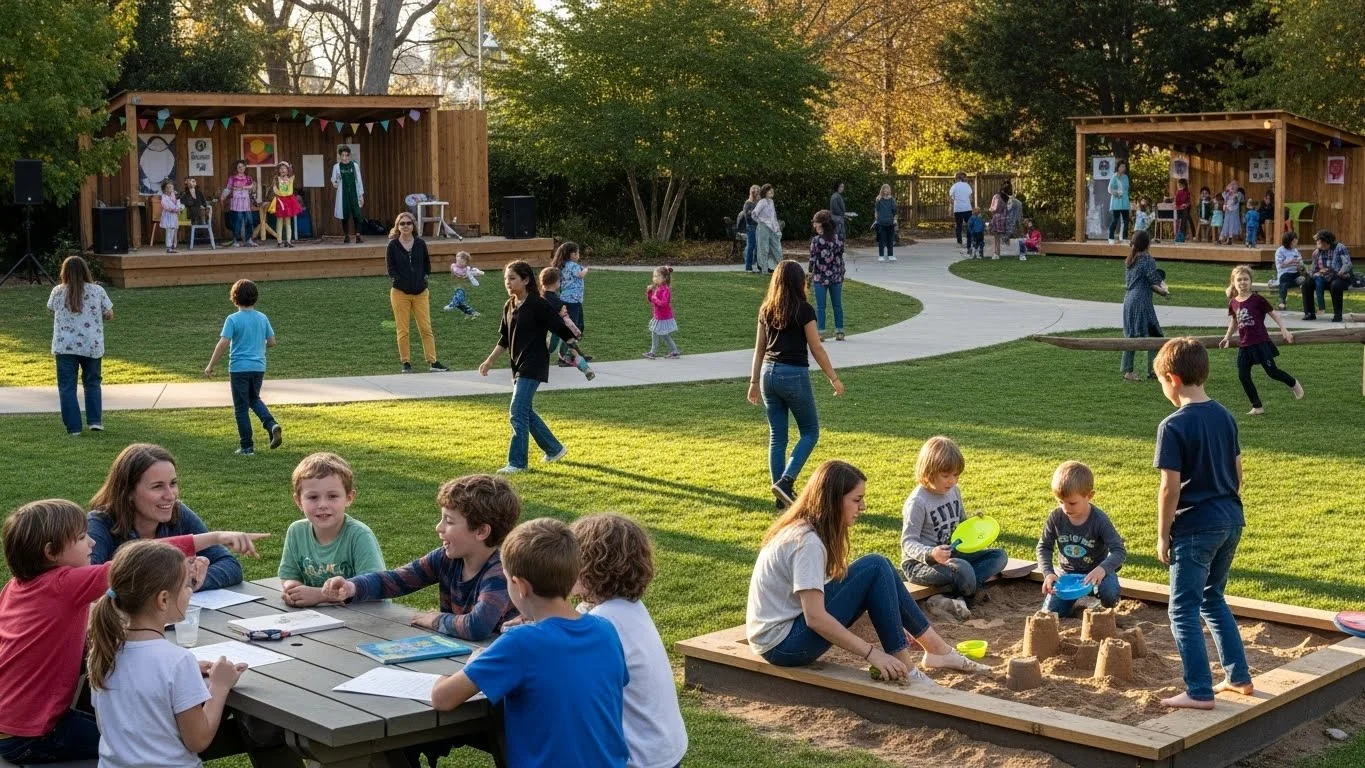
Understanding the Importance of Socialization in Homeschooling
The Role of Socialization in Child Development
When I first began my homeschooling journey, I quickly realized that socialization is a pivotal part of child development. I remember feeling concerned about whether my kids would have the same social experiences as their peers in traditional schools. I learned that socializing helps children develop essential skills, such as communication, empathy, and teamwork. In fact, socialization is so important that researchers have linked it to emotional well-being and academic success. I noticed that my children thrived when they interacted with others, leading to greater confidence and self-esteem.
Through socialization, kids learn to express their emotions, share, and resolve conflicts. They also develop friendships that can last a lifetime. I think it’s essential for us as homeschooling parents to prioritize these experiences to ensure our children grow to be well-rounded individuals. Observing my kids navigate social situations has been incredibly rewarding, and I’ve seen how these interactions fuel both their learning and personal growth.
Common Misconceptions About Homeschooling and Socialization
One of the most significant misconceptions I encountered was the belief that homeschooled children are socially isolated. This idea couldn’t be further from the truth! I’ve met many homeschooling families who actively seek social opportunities for their children. From my experience, I believe that homeschooling can provide even more socialization opportunities than traditional schooling if approached creatively.
Another misconception is that socialization is solely about spending time with peers. I realized that social skills can be developed through various interactions, including with adults and children of different ages. In my case, we’ve made it a point to include our kids in family gatherings and community events, allowing them to gain diverse perspectives and experiences.
It’s crucial for us to challenge these misconceptions, as they can create unnecessary anxiety for families considering homeschooling. By recognizing the diverse ways our children can socialize, we can create a richer learning environment that extends beyond textbooks and classrooms.
Top Socialization Strategies for Homeschooling Families
1. Co-Ops and Support Groups
What is a Homeschool Co-Op?
One of the first things I discovered was the world of co-ops, and it was a game changer for our family. A homeschool co-op is a group of families that come together to provide educational opportunities, social activities, and support. Each family usually contributes by teaching a subject or organizing an activity, which can greatly enhance the learning experience. I found that these co-ops foster a sense of community and belonging that my children truly valued.
Benefits of Joining a Co-Op
Joining a co-op brought so many benefits to our homeschooling experience. First and foremost, my children met new friends who shared their interests and passions. This interaction allowed them to have meaningful relationships outside our home. Additionally, co-ops often offer fun classes that I might not have the expertise to teach, like science experiments and foreign languages. I also appreciated the support from fellow homeschooling parents; we exchanged advice, resources, and encouragement, which made the journey less daunting. Read Interesting article: Create an Engaging Homeschool Curriculum on a Budget
How to Find or Start a Co-Op
If you’re new to homeschooling or looking to connect with other families, I recommend checking local community boards, social media, or homeschooling websites to find co-ops in your area. I found that many groups host open houses, allowing families to meet and decide if it’s a good fit. If you can’t find a co-op that suits your family, consider starting one! It might sound intimidating, but I learned that gathering a few families with shared interests can lead to a fulfilling experience. You can start small, focus on subjects you’re passionate about, and grow from there.
2. Extracurricular Activities
Sports Teams and Clubs
Sports and clubs are fantastic ways for homeschooling families to promote socialization. My kids have enjoyed participating in local sports teams, which allowed them to learn the importance of teamwork and sportsmanship. They made friends while engaging in physical activity, which was a win-win! I recommend exploring options like soccer, basketball, or gymnastics in your community. Many organizations welcome homeschoolers, making it easier for us to get involved.
Arts and Crafts Classes
For families inclined towards creativity, arts and crafts classes can be a great social outlet. I enrolled my kids in a local art studio where they not only learned different techniques but also connected with other budding artists. This environment encouraged collaboration and sharing of ideas, which is so important for their development. I’ve witnessed firsthand how these classes can spark friendships based on shared interests.
Music and Performing Arts
Music and performing arts are also vibrant avenues for socialization. My children participated in a community theater program where they gained confidence through acting and public speaking. They formed bonds with fellow actors and learned to work together towards a common goal. I truly believe that the arts can be a powerful tool for social engagement.
Top Socialization Strategies for Homeschooling Families
3. Community Events and Workshops
Local Libraries and Educational Programs
One of my favorite ways to enrich my children’s socialization experience is through local libraries. I remember my first visit to our community library after we started homeschooling. They offered a plethora of educational programs, from storytime for younger kids to science workshops for older ones. It was heartwarming to see my kids engaged with other children in these activities, all while learning new things.
Libraries often host events that encourage interaction, such as book clubs, reading challenges, and even art exhibitions. I’ve seen my children develop friendships through these shared interests. They enjoyed discussing books with peers and participating in group projects, which not only fostered their love for reading but also helped them hone their communication skills. If you haven’t tapped into your local library’s resources, I highly recommend checking out their schedule. You might be surprised at what they offer!
Community Centers and Social Gatherings
Community centers are another fantastic resource for homeschooling families. In my case, we discovered numerous social gatherings and workshops that brought together families from different backgrounds. These events are often designed to build community and promote inclusivity, which is something I truly cherish. From family game nights to seasonal festivals, these gatherings offered us a chance to meet other families and create lasting memories.
What I particularly love about community events is how they provide opportunities for kids to interact with others outside their normal circles. For instance, my children participated in a local science fair organized by our community center. They collaborated with kids they had never met before, working together on projects and presenting their findings. This not only helped them develop their social skills but also taught them the value of teamwork and collaboration.
4. Field Trips and Group Outings
Planning Educational Field Trips
Field trips have become a staple in our homeschooling routine. They offer a unique blend of education and social interaction. I remember planning a trip to a local museum with a group of homeschooling families, and it turned out to be a highlight of our year. The excitement in the air was palpable as the kids explored exhibits together, shared their thoughts, and engaged in discussions about what they were learning.
These outings can range from nature hikes to visits to historical sites. I’ve found that the real magic happens when you go with other families. The kids not only get to learn new things but also bond over shared experiences. Plus, it gives us parents a chance to connect and share insights about homeschooling, which I deeply appreciate. I recommend looking into local resources or homeschool networks to find or create field trip opportunities in your area.
Creating Opportunities for Group Learning
Sometimes, I plan group learning experiences that foster both socialization and education. For instance, we organized a science day where several families gathered at a park to conduct simple experiments together. It was amazing to see the kids collaborating, helping each other out, and sharing their findings. The laughter and joy from this group setting made it a memorable day for all of us.
By creating these kinds of opportunities, I believe we can cultivate a love for learning while promoting social skills. It’s all about making learning fun and interactive! Consider reaching out to other homeschooling families to brainstorm ideas for joint activities. You might find that these shared experiences become cherished memories for both you and your children.
5. Online Communities and Virtual Meetups
Utilizing Social Media Groups
In today’s digital age, online communities can be a lifeline for homeschooling families. I discovered Facebook groups dedicated to homeschooling, and they transformed how we connected with others. These groups provide a platform for sharing resources, asking questions, and finding local events. I’ve even found playdates and co-op opportunities through these connections.
Being part of these communities has made me feel less isolated as a homeschooling parent. I’ve gained valuable insights and made friends with families across the country, which is something I never expected at the start of this journey. If you haven’t explored social media groups yet, I highly recommend diving in. It can be a great way to find support and inspiration while connecting with other homeschooling families.
Participating in Virtual Classes and Workshops
Virtual classes and workshops also offer a fantastic avenue for socialization. We’ve participated in online courses covering everything from math to art, and the interactions during these sessions have been wonderful. I remember one art class where the instructor encouraged kids to collaborate on a project, and it was amazing to see them communicating and sharing ideas through the screen.
These virtual meetups can help bridge the gap for families who may not have access to local resources or who live in remote areas. They provide a unique opportunity for children to meet others from diverse backgrounds and cultures. Plus, they can be a lot of fun! Just be mindful to check in with your kids about their online interactions, ensuring they feel comfortable and safe while making new friends.
Building Social Skills Through Everyday Interactions
Encouraging Playdates and Family Interactions
One of the simplest yet most effective ways to enhance socialization for my kids has been through playdates. I remember the first time I invited a friend’s child over for a day. It was a bit nerve-wracking at first, but seeing them engage in imaginative play was heartwarming. Playdates provide a relaxed setting where kids can interact, share, and learn from one another. I found that these interactions often lead to deeper friendships, and they help my children practice important social skills, such as sharing and conflict resolution.
In our case, we made it a routine to schedule regular playdates, not just with peers but also with children of different ages. I noticed that my kids learned to adapt their communication styles, which built their confidence and flexibility. They got the chance to be role models for younger kids or seek help from older ones, enriching their social experience in the process.
Family interactions also play a crucial role in developing social skills. We often include our children in family gatherings, where they interact with relatives of all ages. These occasions help them navigate different social dynamics and understand family values. I feel that these experiences are invaluable for teaching respect, listening, and empathy, which are essential skills they will carry into their broader social lives.
Incorporating Social Skills into Daily Routines
As a homeschooling parent, I’ve learned that social skills don’t just develop in planned activities; they can be woven into our everyday routines. For example, simple tasks like going grocery shopping or visiting the post office can turn into social learning opportunities. I’ve often brought my kids along for errands, encouraging them to engage with store employees and practice polite conversations. I noticed that they became more comfortable speaking to adults, which boosted their confidence.
Another routine that has helped is our family dinner time. We’ve made it a habit to share our day’s highlights and challenges around the dinner table. This has fostered open communication and provided a safe space for my kids to express their feelings and thoughts. I believe this not only strengthens our family bond but also helps my children articulate their ideas and listen to others, which are critical social skills.
Additionally, I encourage my kids to volunteer in our community. Whether it’s helping at a local food bank or participating in park clean-ups, these activities have not only taught them the value of giving back but have also allowed them to meet new people and work as part of a team. I’ve seen them grow through these experiences, developing a sense of responsibility and connection to their community.
Assessing the Effectiveness of Socialization Strategies
Identifying Social Development Milestones
As we navigate our homeschooling journey, assessing the effectiveness of our socialization strategies has been essential. I often reflect on how my children are developing socially and emotionally. I’ve learned that identifying social development milestones can be incredibly helpful. For instance, are they initiating conversations with peers? Are they comfortable expressing their feelings? These observations provide insight into how well my kids are adapting socially.
Often, I observe their interactions during playdates or group activities. If I see them confidently engaging with others or resolving conflicts on their own, I feel reassured that we’re on the right path. I also keep an eye on their friendships—are they forming meaningful connections? If they are, I take that as a sign that our socialization efforts are effective.
Gathering Feedback from Children
Feedback from my kids has been a crucial part of evaluating our socialization strategies. I often ask them how they feel about their interactions with others and if there are any activities they enjoy more than others. Their responses give me valuable insights into what’s working and what might need adjustment. Sometimes, they might express a desire for more group outings or different types of activities, which helps me tailor our socialization approach to better suit their needs.
Adjusting Strategies Based on Individual Needs
No two children are the same, and this is especially true for my kids. They have unique personalities and social needs, which means that what works for one might not work for the other. I’ve learned to be flexible and adjust our socialization strategies based on their individual preferences and comfort levels. For example, if one of my children is more introverted, I might focus on smaller, more intimate gatherings rather than large events. This way, I ensure that they feel comfortable and can engage at their own pace.
Additionally, I stay open to trying new approaches. If a particular activity doesn’t resonate with my kids, I’m quick to explore alternatives. This adaptability has led us to discover new interests and friendships I never would have anticipated. I believe that a personalized approach to socialization not only enhances their learning experience but also helps them feel heard and valued in our homeschooling environment.
Frequently Asked Questions
What is the importance of socialization in homeschooling?
Socialization is crucial for child development as it helps children develop essential skills such as communication, empathy, and teamwork. It is linked to emotional well-being and academic success, fostering confidence and self-esteem through interactions with others.
Are homeschooled children socially isolated?
No, homeschooled children are not necessarily socially isolated. Many homeschooling families actively seek social opportunities for their children, and homeschooling can provide more socialization opportunities than traditional schooling when approached creatively.
What are some effective socialization strategies for homeschooling families?
Effective socialization strategies include joining co-ops and support groups, participating in extracurricular activities, attending community events and workshops, planning educational field trips, and utilizing online communities and virtual meetups.
What is a homeschool co-op?
A homeschool co-op is a group of families that come together to provide educational opportunities, social activities, and support. Each family typically contributes by teaching a subject or organizing an activity, enhancing the overall learning experience.
How can homeschooling families find or start a co-op?
Families can find co-ops by checking local community boards, social media, or homeschooling websites. If a suitable co-op isn’t available, families can start one by gathering a few families with shared interests to create a fulfilling experience.
What types of extracurricular activities can support socialization for homeschooled children?
Extracurricular activities that support socialization include sports teams, clubs, arts and crafts classes, and music and performing arts. These activities promote teamwork, collaboration, and the development of friendships based on shared interests.
How do local libraries contribute to socialization for homeschoolers?
Local libraries offer a variety of educational programs and events that encourage interaction among children, such as storytime, science workshops, book clubs, and art exhibitions. These activities help children develop friendships and improve their communication skills.
How can everyday interactions help build social skills in homeschooled children?
Everyday interactions, such as grocery shopping or family dinners, can foster social skills. Parents can encourage children to engage with others during errands and create a space for open communication at home, helping children articulate their ideas and listen to others.
What should parents consider when assessing the effectiveness of socialization strategies?
Parents should identify social development milestones, observe their children’s interactions, gather feedback from them about their experiences, and adjust strategies based on individual needs and preferences to ensure effective socialization.
How can volunteering contribute to a homeschooled child’s socialization?
Volunteering allows homeschooled children to meet new people and work as part of a team while teaching them the value of giving back to the community. These activities help children develop a sense of responsibility and connection to their community.