
Travel can be a thrilling adventure, but for children dealing with anxiety, the journey can feel overwhelming. Understanding how to navigate these challenges can make a significant difference for both kids and parents. Read Interesting article: Travel Tips for Managing Childhood Anxiety While Backpacking
Understanding Childhood Anxiety During Travel
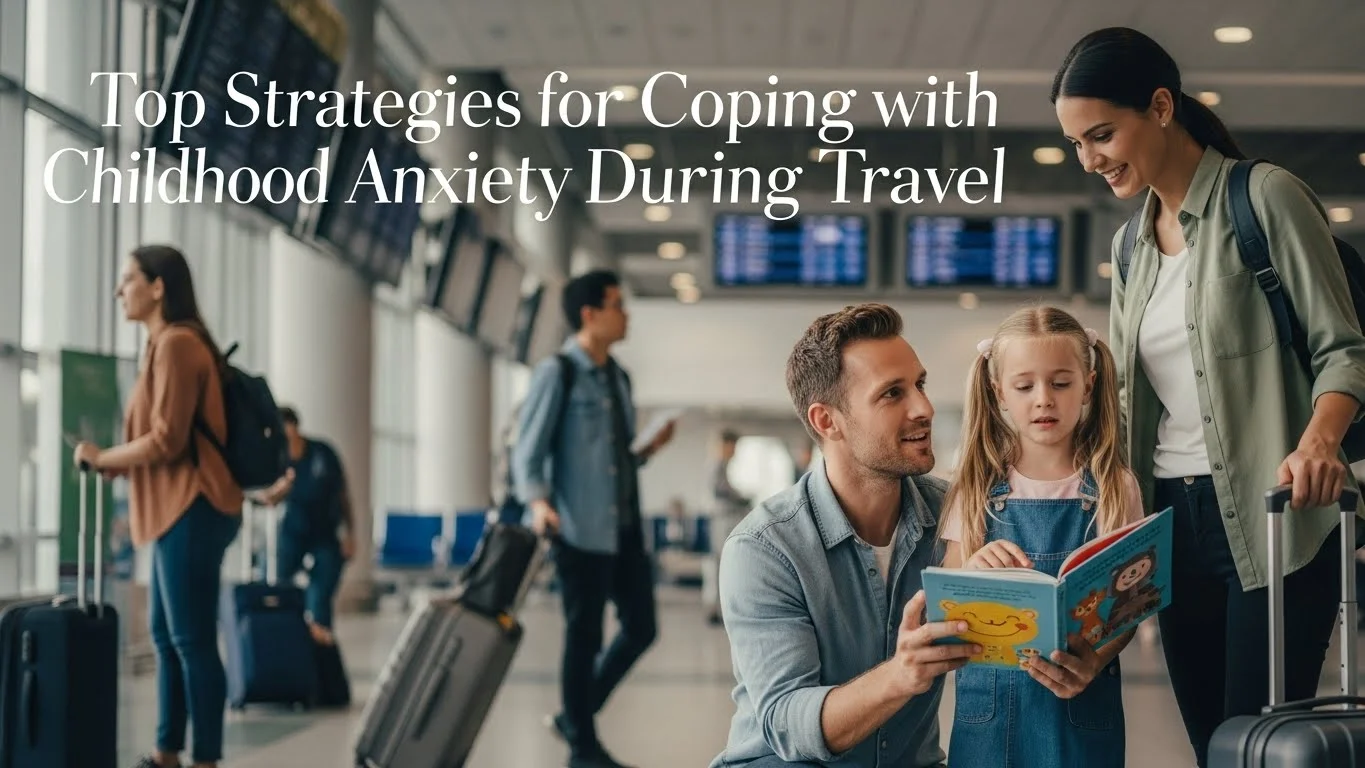
As a parent, I’ve noticed that travel can bring out a variety of emotions in children, especially those who tend to experience anxiety. Whether it’s the fear of the unknown or the stress of new environments, childhood anxiety during travel is more common than many realize. I remember my first family trip with my kids; my youngest was so excited, yet the moment we got to the airport, I could see the worry creeping in. Understanding what triggers this anxiety is crucial in helping our children cope.
Common Causes of Travel-Related Anxiety in Children
Many factors can contribute to travel-related anxiety in children. For starters, the unpredictability of travel can be intimidating. We may take for granted that children thrive on routine, so a sudden change of scenery can throw them off balance. Airports, long drives, and unfamiliar accommodations introduce a slew of new experiences that can be daunting.
Additionally, social anxiety plays a role. Kids might feel nervous about meeting new people, navigating crowds, or being in unfamiliar settings. I’ve noticed that my kids often express concern over how they’ll fit in at new places, whether it’s a hotel or a theme park. Sometimes, it’s the fear of missing out on activities they’re not familiar with that heightens their anxiety.
Signs and Symptoms of Anxiety in Kids
Recognizing the signs of anxiety in children is essential. I’ve learned to look for changes in behavior, such as increased clinginess, irritability, or withdrawal. My daughter tends to ask a lot of questions when she’s anxious, especially about what will happen next on our trip. Other common symptoms include stomachaches, headaches, or sleep disturbances. It’s vital to pay attention to these cues and approach conversations about their feelings gently and openly.
For some kids, anxiety manifests physically; they may become restless or fidgety. I remember a particularly challenging trip when my son couldn’t sit still during our long flight, and it wasn’t just because of excitement—it was his way of coping with the anxiety of being in such a confined space. Understanding these symptoms helps us prepare and respond appropriately, making the journey smoother for everyone involved.
Preparation Strategies to Ease Anxiety
Preparation can make all the difference when it comes to easing childhood anxiety during travel. I’ve found that involving my kids in the planning process not only helps them feel more in control but also creates excitement about the trip. Here are some strategies that have worked for us:
Creating a Travel Itinerary Together
One of my favorite strategies is creating a travel itinerary together with my kids. When we plan the trip as a team, they feel included and excited about what lies ahead. I let them choose activities or places they want to visit, which gives them a sense of ownership. We even print out pictures or create a visual schedule. It’s not just about knowing the itinerary; it’s about fostering anticipation. I remember how much my son looked forward to our visit to a local zoo because he helped pick it. This way, when anxiety pops up, they can refer back to something familiar and comforting.
Incorporating Familiar Items (Toys, Blankets)
As much as I love discovering new things with my kids, I’ve learned the importance of bringing familiar items from home. Packing their favorite toy or blanket can offer comfort during stressful moments. I always make sure to include a few small items that they can hold onto during travel. Having something familiar can be a grounding force when everything around them feels chaotic. It’s amazing how a simple stuffed animal can ease their anxiety during a long flight or car ride.
Practicing Travel Scenarios at Home
Before our trips, we sometimes practice travel scenarios at home. We’ll simulate packing, heading to the airport, or even discussing what it might feel like to be in a hotel. Role-playing these situations helps demystify the travel experience. I’ve noticed that when my kids have rehearsed these scenarios, they feel more prepared to face the real thing. It’s not just about practicing logistics; it’s about building confidence in their ability to handle new environments.
Setting Realistic Expectations for the Trip
Setting realistic expectations is crucial. I remember one trip where I planned an action-packed itinerary thinking it would be fun, but it ended up overwhelming the kids. Now, we focus on balancing activities with downtime. I explain to them that not everything will go perfectly, and that’s okay. It’s essential to embrace flexibility, allowing for spontaneous moments of joy without the pressure of sticking to a strict schedule.
Traveling with kids can bring its challenges, especially for those experiencing anxiety. However, with the right preparation strategies in place, we can help our children navigate these feelings and create lasting memories together. By understanding their anxiety triggers and equipping ourselves with tools to manage it, we can turn travel time into quality time filled with joy and discovery. Read Interesting article: Backpacking with Kids: Easing Childhood Anxiety on the Road
During Travel: Techniques to Manage Anxiety
Mindfulness and Breathing Exercises
Once we hit the road or board a plane, I’ve found that mindfulness and breathing exercises can be incredibly helpful for managing my kids’ anxiety. We often practice deep breathing together, where I guide them to inhale slowly through their noses and exhale through their mouths. This simple technique can work wonders. I remember one flight when my daughter was feeling particularly anxious. We took a moment to close our eyes, breathe deeply, and count to five during each inhale and exhale. By the time we finished a few rounds, she appeared calmer and more centered. It’s a great way to create a sense of calm amidst the chaos of travel!
Additionally, I’ve introduced mindful observation during our trips. I encourage my kids to focus on their surroundings—the colors of the sky, the sound of waves if we’re at the beach, or even the food smells at an airport. This practice not only distracts them from their worries but also helps them engage more with their environment.
Engaging Activities for Distraction
Finding ways to keep my kids entertained during travel has been a game changer for us. I learned early on that boredom can lead to anxiety, especially during long waits or drives. I always pack a bag of activities that cater to their interests. This might include coloring books, puzzles, or even a few favorite family movies downloaded on a tablet for watching during flights.
My kids love audiobooks, so we often listen to stories together during long trips. It’s a fantastic way to keep their minds busy and allows for family bonding time. I remember one road trip where we listened to a thrilling adventure story. Their excitement kept them engaged and distracted from any anxiety they were feeling about the journey itself.
Establishing a Routine on the Go
Maintaining a sense of routine can be crucial for kids, especially those who thrive on predictability. While traveling, I try to stick to familiar schedules as much as possible. This means keeping bedtime routines similar to what we do at home, even if we’re in a hotel room. I find it helpful to set specific times for meals, playtime, and winding down at night.
I remember a trip where we had a late evening flight, and I was worried about how my kids would adapt. To keep their bedtime routine intact, I brought their pajamas and a favorite bedtime story along. When we reached our hotel, we followed the same sequence as at home—bath, story, and cuddles. This consistency helped them settle in and feel secure, making the transition much smoother.
Using Comfort Items during Transit
Comfort items can be a lifesaver for anxious kids during travel. As I mentioned earlier, bringing along familiar toys or blankets can provide reassurance. But I also like to remind my kids that they can use these items in different ways. For instance, their stuffed animals can serve as a “safety buddy” throughout the trip, offering comfort when anxiety flares up.
I’ve seen my kids create little games with their comfort items during long waits or flights. My son once invented a story where his toy was the hero facing various travel challenges. This imaginative play not only distracted him but also allowed him to express his fears in a fun way. Encouraging them to use their comfort items creatively can transform anxious moments into opportunities for connection and imagination.
Choosing Destinations with Child-Friendly Features
Family-Friendly Accommodations
When planning our trips, I always seek out family-friendly accommodations. I’ve learned that choosing places where kids feel welcome can make a huge difference in their comfort levels. I look for hotels or vacation rentals with kid-friendly amenities like pools, game rooms, or even organized activities for children.
On one trip, we stayed at a resort that offered a children’s club where they could participate in fun activities while my husband and I enjoyed some downtime. Knowing they had a safe space where they could play and meet other kids eased their anxiety about being in a new place. It allowed us to relax, knowing they were having a great time!
Activities Tailored to Children’s Interests
Involving my kids in choosing activities that cater to their interests has been essential. I’ve noticed that when they’re excited about what we’re doing, their anxiety tends to fade away. Whether it’s visiting an amusement park, exploring a science museum, or even hiking a family-friendly trail, I always ask for their input. This helps them feel invested in the trip.
For instance, during a recent visit to a national park, my daughter was thrilled to discover there was a ranger-led program for kids. It was fascinating to see her dive into learning about nature while connecting with other children. This experience not only sparked her curiosity but also made her feel more confident in an unfamiliar setting.
Safe and Accessible Locations
Another key factor I consider when choosing destinations is safety and accessibility. Traveling with anxious kids means I need to ensure that the places we visit are safe and easy to navigate. I often do a bit of research beforehand to find out about the area, including how family-friendly it is.
During one trip to a busy city, I chose a hotel that was centrally located and within walking distance of attractions. Knowing we didn’t have to deal with long commutes made my kids feel more at ease. We could explore at our own pace, which reduced the pressure and allowed us to enjoy the adventure together.
Taking these considerations into account not only helps in reducing anxiety but also enhances the overall travel experience for our family. By creating a supportive environment, we can foster joyful memories that will last a lifetime. Read Interesting article: Top 10 Tips to Prevent Toddler Tantrums While Traveling
Communication Tips for Parents
Encouraging Open Conversations about Fears
One thing I’ve learned as a parent is the importance of open communication, especially regarding my kids’ fears. I often find that just letting my children express what they’re feeling makes a world of difference. I’ve tried to create a safe space for them to share their worries about travel without judgment. Before our trips, we sit down together and I ask them how they’re feeling about the upcoming journey. I remember a time when my daughter voiced her concern about flying; it was helpful for her to know that her feelings were valid and that I understood. We could talk through her fears, and then I could reassure her that she wasn’t alone in feeling that way.
I also encourage them to ask questions. Sometimes, it’s the unknown that causes the most anxiety. I make it a point to explain the travel process, like what will happen at the airport or how long the flight will be. This helps demystify the experience and allows them to feel more in control of the situation.
Reassuring Children with Positive Reinforcement
Reinforcing positive experiences has been a game changer for us. I try to remind my kids of the fun times we’ve had during previous trips. I often say things like, “Remember how much fun we had at the beach last time? We’ll get to do that again!” This not only builds anticipation but also shows them that it’s okay to feel anxious while also looking forward to new adventures.
After every trip, I make it a point to highlight the positives. I ask them what their favorite part was and what they enjoyed most. I’ve noticed that this practice helps them focus on the good memories rather than the anxiety they may have felt. It’s all about building confidence for future travels by reminding them that they’ve navigated new experiences successfully before.
Involving Kids in Travel Planning Decisions
Involving my children in travel planning has been one of the most effective strategies I’ve discovered. When they have a say in our itinerary, it empowers them. They can express their preferences, which helps reduce their anxiety. For instance, when planning our last vacation, I let my kids choose one activity they really wanted to do each day. This gave them something to look forward to and made them feel like they were part of the journey.
Sometimes, I even create a “wish list” of places or activities, and we discuss which ones we can realistically fit into our travel plans. I find that when they see their ideas coming to life, it not only gets them excited but also helps them feel more invested in the trip. They’re more likely to embrace the experience with enthusiasm instead of apprehension.
Post-Travel Reflection and Coping
Discussing the Travel Experience Together
Once we return from our travels, I believe it’s essential to reflect on the experience together as a family. I often ask my kids how they felt about the trip overall. This not only allows them to express any lingering anxieties but also gives me insight into how they coped with their fears. We sit down and share our favorite moments, and I encourage them to talk about anything that made them anxious during the trip.
I remember one trip where my son admitted he felt scared when we first arrived at the airport. By discussing it, he realized that with each passing moment, he felt better and began to enjoy the adventure. This kind of reflection reinforces the idea that they can face their fears and come out on the other side feeling accomplished.
Identifying Triggers for Future Reference
During our post-travel discussions, I also take the opportunity to identify any specific triggers that caused anxiety. I make notes of what worked well and what didn’t, so we can prepare better for the next adventure. For example, if they felt overwhelmed at a crowded theme park, we might look for quieter times to visit next time or choose activities that offer more downtime.
This practice not only helps us refine our travel strategies but also shows my kids that their feelings are important and worth discussing. I want them to feel like they have a say in how we manage their anxiety during travel, and this collaborative approach empowers them.
Celebrating Overcoming Travel Anxiety
Lastly, I think it’s crucial to celebrate our successes as a family. After every trip, I remind my kids how brave they were in facing their fears. I often say things like, “You did such a great job handling that long flight!” or “I’m so proud of how you tried new things on our trip!” These positive affirmations not only boost their confidence but also reinforce the idea that it’s okay to feel anxious sometimes.
I’ve seen firsthand how celebrating these moments encourages my children to approach future travel with a sense of adventure rather than dread. It’s all about building their resilience and helping them realize that while anxiety might always be a part of travel, so too are joy and unforgettable memories. These experiences shape our journey together and help us grow closer as a family.
Frequently Asked Questions
What are some common causes of travel-related anxiety in children?
Common causes of travel-related anxiety in children include the unpredictability of travel, social anxiety about meeting new people or navigating crowds, and the fear of missing out on unfamiliar activities.
How can parents recognize signs of anxiety in their kids during travel?
Parents can recognize signs of anxiety in their kids through changes in behavior, such as increased clinginess, irritability, withdrawal, asking many questions, physical symptoms like stomachaches or headaches, and restlessness or fidgetiness.
What preparation strategies can help ease childhood anxiety before travel?
Preparation strategies that can help ease childhood anxiety include creating a travel itinerary together, incorporating familiar items like toys or blankets, practicing travel scenarios at home, and setting realistic expectations for the trip.
How can mindfulness and breathing exercises be beneficial during travel?
Mindfulness and breathing exercises can help manage anxiety by promoting calmness. Parents can guide children through deep breathing techniques to center themselves during stressful travel situations.
What types of engaging activities can help distract children during travel?
Engaging activities that can distract children during travel include coloring books, puzzles, family movies, and listening to audiobooks, which can keep their minds busy and help reduce anxiety.
How important is it to maintain a routine while traveling with children?
Maintaining a routine while traveling is crucial for children, especially those who thrive on predictability. Sticking to familiar schedules for meals and bedtime can help provide a sense of security in new environments.
What role do comfort items play in helping anxious children during travel?
Comfort items, such as familiar toys or blankets, can provide reassurance during travel. They can serve as “safety buddies” and help children cope with anxiety by offering grounding comfort during stressful moments.
How can parents encourage open conversations about travel fears with their children?
Parents can encourage open conversations about travel fears by creating a safe space for children to express their feelings, asking them how they feel about the upcoming journey, and reassuring them that their feelings are valid.
Why is it important to reflect on the travel experience after returning home?
Reflecting on the travel experience after returning home is important because it allows children to express any lingering anxieties, identify triggers that caused anxiety, and celebrate their successes in handling fears.
How can involving kids in travel planning help reduce their anxiety?
Involving kids in travel planning helps reduce their anxiety by giving them a sense of ownership and investment in the trip. When children can express their preferences and see their ideas come to life, they are more likely to approach the experience with enthusiasm.