
Permissive parenting can be a double-edged sword, balancing freedom with the need for guidance. Let’s explore this unique style and discover how to wield it effectively in our parenting journey. For a deeper understanding, check out The Battle of Parenting Styles: Permissive vs. Authoritative.
Understanding Permissive Parenting
Definition of Permissive Parenting
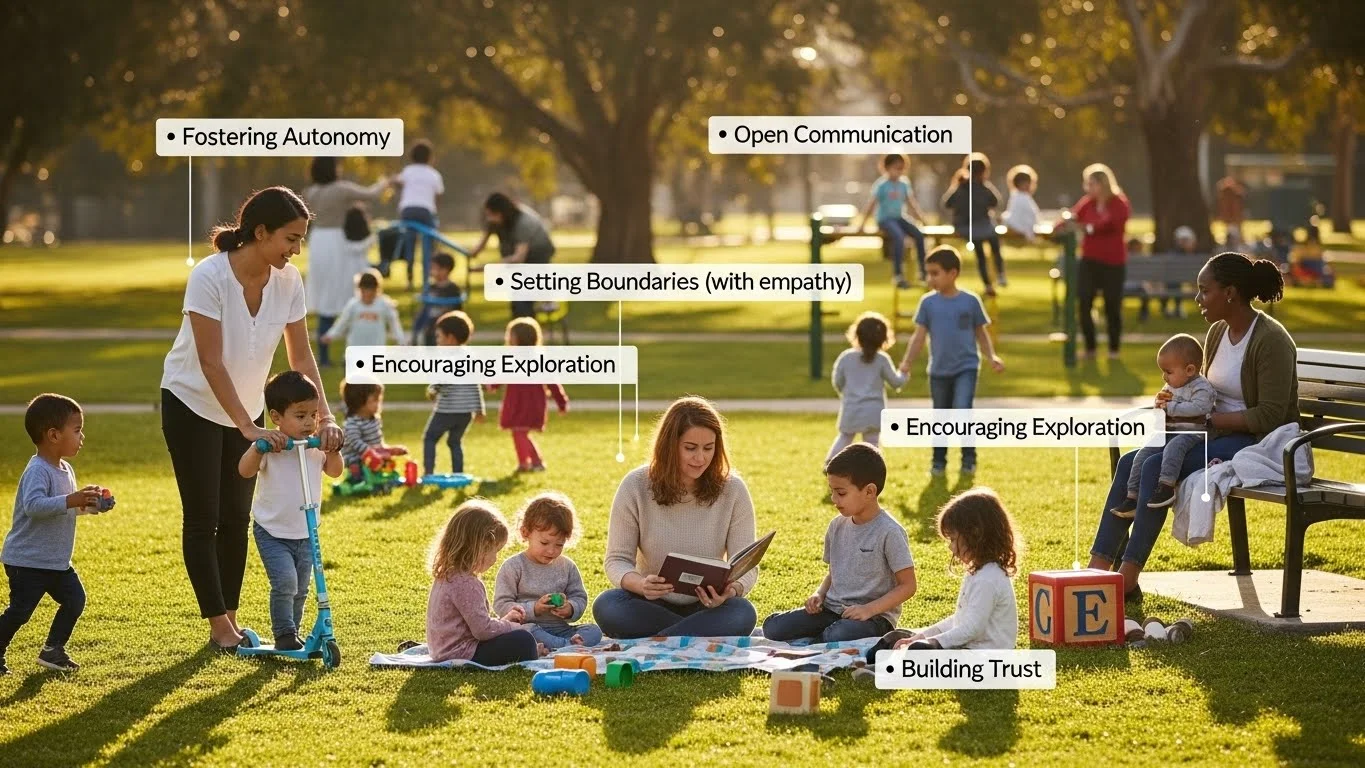
Permissive parenting, as I’ve come to understand it, is a style characterized by a warm and nurturing approach, where parents are lenient and allow considerable freedom for their children. This means that, instead of imposing strict rules and expectations, permissive parents prioritize their child’s individual needs, desires, and feelings. I find this parenting style fascinating because it emphasizes understanding and support over control, leading to a unique dynamic between parents and kids.
Characteristics of Permissive Parenting
From my experience, permissive parenting has several key characteristics. These include:
- High Responsiveness: Permissive parents are often very responsive to their child’s emotional needs. They want their children to feel loved and understood.
- Low Demands: They set few rules and expectations, which allows children to explore and make choices freely.
- Emphasis on Freedom: Kids are encouraged to make their own decisions and express themselves, which can foster a sense of autonomy.
- Friendship Over Authority: Many permissive parents aim to cultivate a friendly relationship with their child, often prioritizing emotional connection over discipline.
While I appreciate these traits, I also realize that they can lead to challenges if not balanced properly.
Comparison with Other Parenting Styles
When I first started examining different parenting styles, I noticed that permissive parenting sits on one end of the spectrum, especially when compared to authoritative and authoritarian styles. Authoritative parents, for instance, set clear rules but also provide warmth and support, creating a balance of structure and freedom. In contrast, authoritarian parents impose strict rules with little room for flexibility or open conversation.
Permissive parenting, with its laid-back approach, can lead to children who are creative and independent thinkers, yet this can sometimes come at the cost of structure. It’s essential to know where our own parenting style lies on this spectrum, as it can significantly impact our children’s development and behavior. For further insights, consider reading Navigating Parenting Styles: Permissive vs. Authoritative Insights.
Benefits of Permissive Parenting
Fostering Independence in Children
One of the standout benefits I’ve seen with permissive parenting is how it fosters independence in children. Because these parents allow their kids to make choices, children learn to think for themselves and develop their decision-making skills. I remember when my friend’s child was allowed to choose their own clothes each morning. Sure, the outfits were sometimes mismatched, but it empowered the child to express their uniqueness and confidence.
Encouraging Open Communication
Another aspect I cherish about permissive parenting is the open lines of communication it promotes. When parents encourage their children to voice their thoughts and feelings without fear of harsh judgment, it creates a space where honesty thrives. For example, I’ve noticed that permissive parents often have kids who are comfortable discussing their challenges and successes, which is invaluable as they grow into teenagers and adults.
Enhancing Creativity and Self-Expression
From what I’ve observed, permissive parenting can enhance creativity and self-expression in children. By allowing them to explore their interests without stringent oversight, kids can dive deep into their passions. I’ve seen children engage in everything from art projects to science experiments, all fueled by their own curiosity. This freedom can lead to innovative thinking and a lifelong love of learning.
Challenges of Permissive Parenting
Potential for Lack of Structure
While there are many advantages, I’ve also seen some challenges that come with permissive parenting. One major issue is the potential for a lack of structure. Without clear boundaries, children may struggle to understand expectations. I once spoke to a parent who found that their child was overwhelmed in social situations because they weren’t used to following rules, creating unnecessary stress for everyone involved.
Risk of Behavioral Issues
Another concern I’ve noticed is the risk of behavioral issues. Without consistent discipline, children might test limits, leading to tantrums or disrespectful behavior. I remember a particular instance when a friend’s child, raised in a permissive environment, struggled with sharing at playdates. This was a learning moment for the parent, who realized that some guidance was necessary to help the child navigate social norms.
Struggles with Authority and Discipline
Lastly, permissive parenting can create struggles with authority and discipline. Children might not respond well to instructions when they’ve been accustomed to having their choices prioritized. This can be particularly challenging during school years when adherence to rules becomes essential. I’ve seen this firsthand when children struggle to adjust to classroom expectations after being raised in a permissive atmosphere.
Strategies for Effective Permissive Parenting
Setting Clear Boundaries
One of the best strategies I’ve learned for effective permissive parenting is to set clear boundaries. While it’s vital to allow kids the freedom to express themselves, having defined limits can provide a sense of security. I remember a time when my friend’s son had free reign over his screen time, which led to some late-night gaming marathons. Once they agreed on a specific time frame, everyone felt more at ease. The child understood what was expected, and the parents could rest knowing they had some control over the situation.
Maintaining Consistent Communication
Consistent communication is another cornerstone of successful permissive parenting. I’ve found that regular check-ins with my kids about their feelings and experiences can make a world of difference. When I ask open-ended questions, I learn so much about their thoughts and concerns. For instance, I often ask them how they feel about their day or if something is bothering them. This practice not only helps them articulate their feelings but also strengthens our bond, making it easier to navigate any issues that arise.
Using Positive Reinforcement
Using positive reinforcement is a technique that I’ve seen yield remarkable results. Acknowledging and praising good behavior encourages children to repeat those actions. I’ve noticed that when I celebrate small successes, like my daughter finishing her homework on time, she gains confidence and motivation to tackle more challenges. Simple affirmations like “I’m proud of you for trying your best” can transform a child’s mindset, reinforcing their sense of competence and responsibility.
Balancing Freedom and Responsibility
Finding the right balance between freedom and responsibility can be tricky, but it’s essential for effective permissive parenting. I learned this firsthand when my son wanted to stay home alone for the first time. We discussed what that would entail, including checking in with me at specific intervals and keeping emergency contacts handy. This way, he felt empowered to take on the responsibility while still having the safety net of my guidance. It’s fascinating to see how much kids can handle when we give them a chance.
Encouraging Problem-Solving Skills
Encouraging problem-solving skills is another effective strategy I’ve embraced. Rather than jumping in to resolve every issue, I’ve learned to guide my kids through the process of finding their own solutions. When my daughter struggles with a math problem, instead of providing the answer, I ask her questions that lead her to discover the solution herself. This not only fosters independence but also equips her with essential life skills for the future.
Incorporating Routine and Structure
Incorporating some routine and structure can help mitigate the challenges of permissive parenting. I’ve found that a flexible daily schedule can offer my kids the freedom they crave while still providing a sense of stability. For instance, we established a morning routine that includes time for breakfast, chores, and school prep, but we leave room for them to choose how they want to fill that time. This balance has led to smoother mornings in our house and less chaos as we head out the door.
When to Adjust Your Parenting Approach
Signs That Permissive Parenting May Not Be Working
Recognizing when permissive parenting may not be working is crucial. I’ve noticed that certain signs can indicate it’s time to reassess our approach. For example, if my child frequently tests boundaries, struggles with authority, or exhibits increasing behavioral issues, it may signal a need for more structure. I remember a phase when my youngest became increasingly defiant at home, which made me realize I needed to step up and implement clearer rules. It’s vital to stay attuned to these signs to ensure our kids are thriving.
Transitioning to a More Authoritative Style
When the need arises, transitioning to a more authoritative style can be beneficial. This doesn’t mean abandoning permissive parenting entirely, but rather integrating elements of structure and discipline. I learned this when my son faced challenges in school due to a lack of boundaries at home. We decided to set specific homework times and develop consequences for neglecting responsibilities. This transition didn’t happen overnight, but gradually, my son adjusted and flourished with the added support. It’s all about finding that right mix that works for our family. For more on this topic, read Permissive vs. Authoritative: Which Parenting Style Fits You?.
Resources for Permissive Parenting
Books on Permissive Parenting
When I set out to understand permissive parenting better, I found that reading insightful books can really expand our perspective. Some books resonate deeply with me, offering practical advice and relatable anecdotes. One of my favorites is “The Whole-Brain Child” by Daniel J. Siegel and Tina Payne Bryson. It dives into how to nurture a child’s developing brain while balancing freedom with structure. Another book I recommend is “How to Talk So Kids Will Listen & Listen So Kids Will Talk” by Adele Faber and Elaine Mazlish. It’s filled with communication strategies that align nicely with a permissive approach, helping parents foster a respectful dialogue with their kids.
Online Communities and Support Groups
Connecting with others who share similar parenting styles can be incredibly supportive. I discovered several online communities and forums where parents discuss their experiences with permissive parenting. Websites like Reddit have dedicated parenting threads where we can share stories and ask for advice. Facebook also has groups that focus on different parenting styles, including permissive parenting, where members share tips and encouragement. Engaging in these communities helped me realize I’m not alone in my journey, and hearing others’ stories provided perspective and valuable insights.
Workshops and Parenting Classes
Participating in workshops and parenting classes can also be a game-changer. I attended a local workshop focused on parenting styles, where experts shared strategies and facilitated discussions among parents. It was enlightening to hear different viewpoints and gain practical tools to apply at home. Many community centers or family support organizations offer classes that cover various aspects of parenting, including effective communication and setting boundaries within a permissive framework. I found these sessions rewarding, as they allowed me to learn alongside other parents and share our experiences.
Navigating Cultural Influences on Permissive Parenting
Understanding Cultural Contexts
As I’ve explored permissive parenting, I’ve noticed how cultural contexts can significantly shape our approach. Different cultures have varying expectations and norms around parenting, and it’s important to consider these influences. In some cultures, strict discipline is valued, while others might prioritize emotional connection and freedom. I remember meeting a parent from a collectivist culture who emphasized community and cooperation. Their perspective helped me appreciate how cultural norms can guide our choices and interactions with our children. Understanding these cultural nuances can enrich our parenting experience and help us align our approach with our values.
Adapting Permissive Parenting to Cultural Expectations
Adapting a permissive style to fit cultural expectations can be challenging, but it’s certainly possible. I’ve found that being aware of local customs and expectations can help me navigate this balance. For instance, in my community, there’s a strong emphasis on academic achievement. I’ve had to find ways to encourage my kids’ independence while still promoting diligence in their studies. I started incorporating regular study times into our flexible schedule, allowing them to choose their study methods while ensuring they meet their academic goals. This way, I maintain the essence of permissive parenting while respecting the cultural narrative around education.
Long-term Effects of Permissive Parenting
Impacts on Adolescent Development
As my children grow, I constantly think about the long-term effects of permissive parenting. I’ve noticed that children raised in this style may develop strong self-esteem and creativity, but there can also be challenges as they transition into adolescence. I recall a conversation with a friend whose daughter struggled with peer pressure. She realized that, while her permissive approach fostered independence, her child lacked some coping mechanisms for navigating the complexities of teenage life. This reflection has prompted me to consider how I can prepare my kids for these challenges by gradually introducing them to more structured decision-making processes.
Preparing for Future Challenges
Looking ahead, I believe it’s important to prepare our kids for future challenges while still honoring their independence. A proactive approach can be beneficial. I’ve started having discussions about responsibilities that come with freedom, like managing time for homework and social activities. By gradually increasing expectations, I’m helping my children prepare for adulthood while still embracing the core principles of permissive parenting. It’s a delicate balancing act, and I’m learning along the way.
Final Thoughts
Reflecting on my journey with permissive parenting, I realize that it’s a unique path filled with both joys and challenges. Embracing this style has taught me the importance of nurturing my children’s independence while still providing the necessary guidance to help them thrive. It’s an ongoing learning experience, one that requires attention, adaptation, and a willingness to grow alongside my kids.
I believe that being a permissive parent doesn’t mean being a passive one. Instead, it’s about striking a balance between giving freedom and ensuring that those freedoms come with essential life lessons. My hope is that as we continue to navigate this parenting style, we remain vigilant and attuned to our children’s needs, adapting our approach as they grow and their circumstances change.
As I engage with other parents, I find comfort and strength in sharing our experiences. It’s reassuring to hear that others face similar challenges and triumphs. Whether it’s setting boundaries or fostering creativity, I’ve learned that we are all in this together, learning and evolving. The journey of permissive parenting is not a solitary one; it’s a shared adventure that can lead to rich and rewarding experiences for both parents and children.
Ultimately, I believe that every parenting style has its merits and drawbacks. The key is to remain flexible, listen to our children, and be willing to modify our approach when needed. With patience, understanding, and a commitment to our children’s growth, I am confident that we can successfully navigate the complexities of parenthood.
So, let’s embrace the journey, support each other, and continue to learn about what it means to be permissive parents in today’s world.
Frequently Asked Questions
What is permissive parenting?
Permissive parenting is a style characterized by a warm and nurturing approach where parents are lenient and allow considerable freedom for their children. This style prioritizes the child’s individual needs, desires, and feelings over strict rules and expectations.
What are the key characteristics of permissive parenting?
Key characteristics of permissive parenting include high responsiveness to emotional needs, low demands with few rules and expectations, an emphasis on freedom for children to make their own decisions, and a focus on cultivating a friendly relationship with children rather than an authoritative one.
How does permissive parenting compare to other styles?
Permissive parenting is on one end of the parenting spectrum, contrasting with authoritative parenting, which combines warmth with clear rules, and authoritarian parenting, which imposes strict rules with little flexibility. Permissive parenting can foster creativity and independence but may lack structure.
What are the benefits of permissive parenting?
Benefits of permissive parenting include fostering independence in children, encouraging open communication, and enhancing creativity and self-expression by allowing children to explore their interests without stringent oversight.
What challenges can arise from permissive parenting?
Challenges of permissive parenting include a potential lack of structure, risks of behavioral issues due to inconsistent discipline, and struggles with authority and discipline as children may not respond well to instructions.
What strategies can be employed for effective permissive parenting?
Effective permissive parenting strategies include setting clear boundaries, maintaining consistent communication, using positive reinforcement, balancing freedom with responsibility, encouraging problem-solving skills, and incorporating routine and structure into daily life.
When should a parent consider adjusting their permissive parenting approach?
Parents should consider adjusting their permissive parenting approach when they notice signs such as frequent boundary testing, struggles with authority, or increasing behavioral issues in their children, indicating a need for more structure.
How can parents transition to a more authoritative style?
Transitioning to a more authoritative style can involve integrating elements of structure and discipline, such as setting specific homework times and developing consequences for neglecting responsibilities, while still maintaining some aspects of permissive parenting.
What resources are available for parents practicing permissive parenting?
Resources for permissive parenting include insightful books like “The Whole-Brain Child” and “How to Talk So Kids Will Listen & Listen So Kids Will Talk,” as well as online communities, support groups, workshops, and parenting classes that focus on effective communication and setting boundaries.
How does culture influence permissive parenting?
Cultural contexts significantly shape permissive parenting, as different cultures have varying expectations and norms. Parents can adapt their permissive style to fit cultural expectations while maintaining core principles, such as balancing independence with academic diligence.