
Helping toddlers navigate their emotions can feel like a daunting task, but it’s essential for their development. Understanding their feelings and learning to regulate them lays the foundation for a healthy emotional life. Backpacking with Toddlers: Emotional Regulation Made Easy can provide valuable insights for parents on this journey.
Understanding Toddler Emotions
The Importance of Emotional Regulation
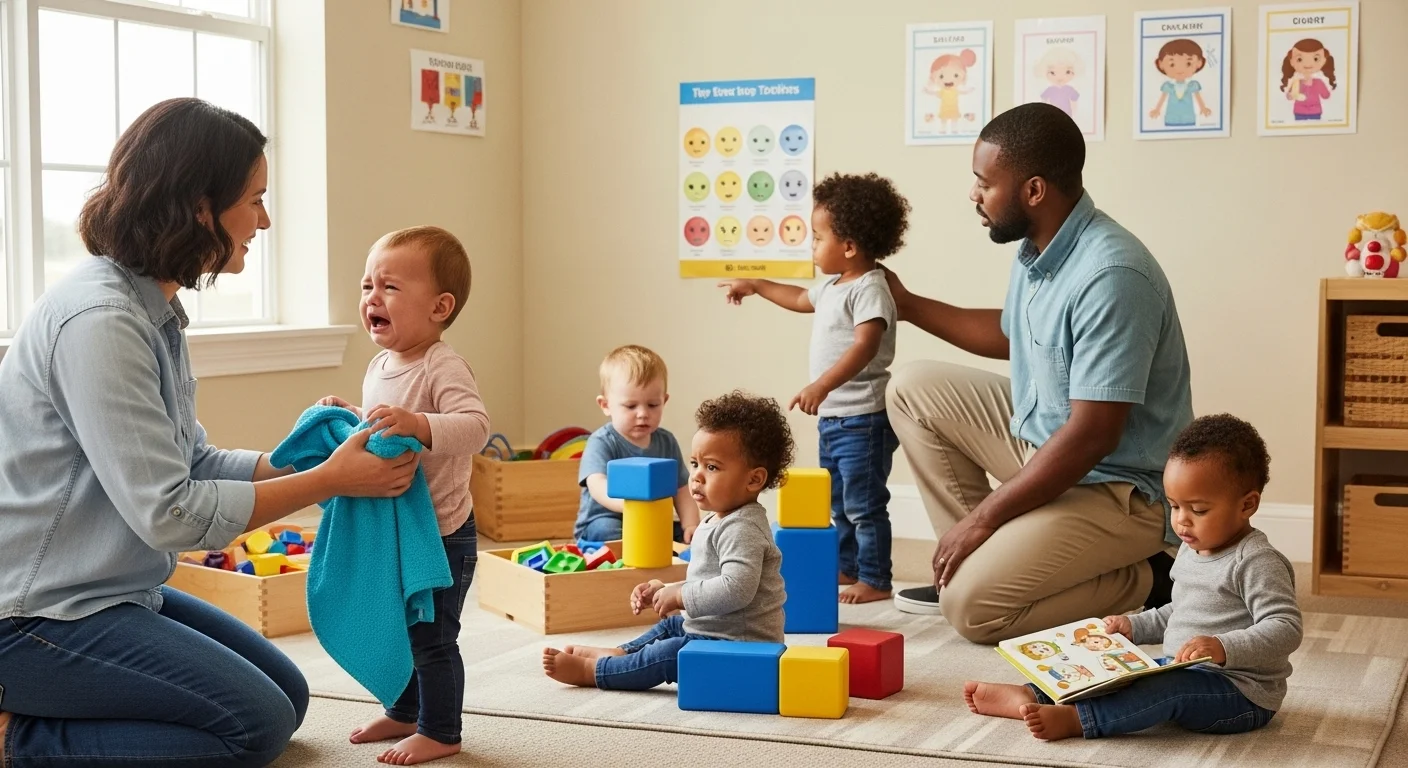
As a parent, I’ve often marveled at how intense a toddler’s emotions can be. One moment, they’re giggling over a silly joke, and the next, they’re in tears over a misplaced toy. I’ve learned that emotional regulation is vital for their growth. Toddlers are still developing their ability to understand and manage their feelings. Teaching them how to regulate their emotions helps them build resilience, enhance their social skills, and improve their overall well-being. When we support them in navigating their emotional world, we prepare them for the challenges of life ahead. Effective Emotional Regulation Tips for Toddlers on the Go can also offer practical strategies.
Common Emotional Challenges in Toddlers
From my observations and experiences, toddlers face several emotional challenges as they grow. Meltdowns are perhaps the most notorious; they can happen over anything from not getting a favorite snack to feeling overwhelmed by a crowd. I remember a time when my little one had a full-blown tantrum simply because the blue cup was in the dishwasher instead of on the table. It’s moments like these that highlight their struggles with frustration, disappointment, and even anxiety.
Other common emotional challenges include jealousy, especially when a new sibling arrives, or feeling insecure when separated from parents. I’ve noticed that these feelings can be heightened when they are tired or hungry, which seems to be a recipe for emotional chaos. Understanding these challenges helps us respond with empathy rather than frustration.
Signs Your Toddler is Struggling with Emotions
Identifying when my toddler is struggling with emotions has been a learning curve. Some signs are quite obvious, like crying or yelling, but there are subtler cues too. I’ve seen my child become withdrawn or suddenly clingy when they’re feeling overwhelmed. They might also exhibit physical signs, like clenching their fists or fidgeting, which can indicate distress.
Another thing I learned is that not all emotional struggles manifest as outbursts. Sometimes, a toddler might act out in other ways, like refusing to participate in activities they usually enjoy. Recognizing these signs early has allowed me to step in and provide comfort or guidance before situations escalate.
Top Strategies for Helping Toddlers Regulate Their Emotions
Creating a Safe and Supportive Environment
One of the first things I realized was the importance of a safe and supportive environment. It’s like creating a little emotional sanctuary for my toddler. I’ve learned that when they feel secure, they are more likely to express their feelings and seek help when they’re upset. I make it a point to create a calm space in our home where they can go when they feel overwhelmed. This could be a cozy corner with their favorite stuffed animals or a quiet nook with books.
Additionally, I try to foster open communication. I encourage my toddler to talk about their feelings without fear of judgment. I let them know that it’s okay to feel sad, angry, or frustrated. This supportive atmosphere helps them understand that emotions are a normal part of life.
Modeling Emotional Regulation
Children learn by example, and I found that modeling emotional regulation myself has been incredibly effective. When I experience strong emotions, I strive to express them in healthy ways. For instance, if I’m feeling frustrated, I might say, “I’m feeling a bit upset right now. I need to take a deep breath.” It’s been eye-opening to see how my toddler mimics my responses. They’ve started to use phrases like “I’m feeling mad” or “I need a break,” which makes me feel like we’re on the right track.
Teaching Emotion Vocabulary
As I navigated the emotional landscape of parenting, I noticed that teaching my toddler the words for their feelings was a game changer. I’ve found that using simple, relatable terms like “happy,” “sad,” “angry,” and “frustrated” helps them articulate their emotions better. I often point out my own feelings during daily conversations to reinforce this language. For example, I might say, “I feel happy when we play together,” or “I get sad when I can’t find my keys.” This practice not only expands their emotional vocabulary but also helps them connect with their feelings more deeply.
Implementing Routine and Structure
Establishing routines has been another effective strategy in our household. I’ve noticed that having a predictable schedule provides my toddler with a sense of security. Regular mealtimes, nap times, and playtimes create a framework that helps them feel grounded. When they know what to expect, they seem to handle emotional ups and downs with greater ease. For instance, transitioning from playtime to bedtime can be smoother when it’s part of a familiar routine. Incorporating transition times and using visual schedules has also helped my toddler adjust to changes more calmly.
Encouraging Mindfulness Techniques
Mindfulness has been an unexpected yet wonderful addition to our emotional regulation toolkit. I remember the first time we tried a simple mindfulness exercise together. We sat quietly, closed our eyes, and focused on our breathing. I guided my toddler to take slow, deep breaths, and I was amazed at how quickly they responded. Implementing short mindfulness moments into our day, like taking a few deep breaths before a challenging activity, has made a difference in how my toddler approaches emotional situations. Even a minute or two of mindful breathing can help us reset and regain composure.
Activities to Promote Emotional Regulation
Emotion-Based Games and Role-Playing
Finding fun and engaging ways to help my toddler understand emotions has been a rewarding journey. One of my favorite strategies has been using emotion-based games and role-playing. For instance, we play a game where we take turns making different facial expressions—happy, sad, angry, surprised—and try to guess each other’s emotions. This not only makes it entertaining but also reinforces the idea that it’s okay to express how we feel.
Role-playing scenarios has also been a hit in our household. We create little drama scenes where my toddler can act out various emotions. I’ve seen them pretend to be a sad character who lost their favorite toy or a happy character at a birthday party. It allows for creative expression while giving them the chance to practice identifying and navigating their feelings. I truly believe that these playful activities help build their emotional intelligence in a fun and relatable way.
Creative Expression through Art and Music
Art and music have become some of my go-to tools for emotional exploration. I’ve found that allowing my toddler to express themselves creatively can be incredibly therapeutic. We often set up a space with crayons, paints, and paper and just let our imaginations run wild. I encourage them to draw how they feel that day, whether it’s a bright sun for happiness or blue waves for sadness. It’s amazing to see how they translate their emotions into colors and shapes.
Music has also played a significant role in our emotional journey. I discovered that playing different types of music can help my toddler connect with their feelings. We often have dance parties in our living room, where we dance to upbeat songs when we’re feeling happy or slow tunes when we need to calm down. I’ve even noticed that singing songs about feelings helps them understand that everyone experiences a variety of emotions, and it’s perfectly normal.
Physical Activities for Emotional Release
Physical activity has been another effective outlet for emotions in our household. I quickly learned that toddlers have so much energy, and if they don’t find a positive way to release it, their emotions can bubble over. We make it a point to incorporate daily physical activities. Whether it’s running around at the park, jumping on a trampoline, or even doing simple yoga poses together, I’ve noticed a significant difference in my toddler’s mood and behavior afterward.
When my little one is feeling overwhelmed or upset, we often take a break and go for a walk or play a game that involves movement. I’ve found that these activities help them release pent-up energy and can shift their emotional state. It’s incredible how a little physical exertion can turn a frown into a smile. Plus, it gives us the chance to bond and enjoy some quality time together.
Using Books and Stories to Aid Emotional Understanding
Recommended Books for Emotional Development
Books have always been a cherished part of our daily routine, and I’ve discovered that they can be powerful tools for teaching emotional regulation. There are so many wonderful children’s books that tackle feelings and emotions in a way that resonates with toddlers. Titles like “The Feelings Book” by Todd Parr and “Today I Feel Silly” by Jamie Lee Curtis have become staples in our reading list. Mastering Toddler Emotions: Essential Regulation Strategies is another great resource for parents.
These stories not only help my toddler learn about different emotions but also provide relatable scenarios. I love how they open up conversations about feelings, allowing my little one to express their own experiences. Sometimes, just reading about a character’s struggles can help them feel understood and less alone in their emotions.
How to Use Stories to Discuss Emotions
When we read together, I often pause to ask questions about the characters’ emotions. For example, I might ask, “How do you think this character feels right now?” or “What would you do if you were in their shoes?” This strategy encourages my toddler to think critically about emotions and enhances their empathy. I’ve seen them become more aware of their feelings and those of others, which is a beautiful thing to witness.
After finishing a story, we sometimes relate it back to our own lives, discussing times when we felt similar emotions. It’s a fantastic way to bridge the gap between fiction and reality, reinforcing the idea that emotions are universal and something we can all relate to. I believe this practice not only strengthens our bond but also fosters a deeper emotional understanding in my toddler.
When to Seek Professional Help
Signs That Professional Support is Needed
As I navigated the ups and downs of toddler emotions, I began to understand that there are times when professional help can be incredibly beneficial. I’ve learned that if my toddler’s emotional struggles are persistent or seem to interfere significantly with their daily life, it might be time to consider seeking assistance. For instance, if I noticed ongoing tantrums that last longer than usual or occur several times a day, I would take that as a signal to reach out for support.
Additionally, if my toddler exhibited extreme anxiety or fear that limits their ability to engage in play or social situations, that would raise a red flag for me. I’ve come to realize that having consistent physical symptoms like headaches, stomachaches, or even frequent nightmares might indicate emotional distress that needs professional attention. Recognizing these signs early can help us address issues before they become more entrenched and challenging.
Types of Professionals Who Can Help
When I first considered professional help, I wasn’t sure where to turn. I discovered that there are various professionals who specialize in child development and emotional health. Pediatricians can be a great first step, as they can assess my toddler’s overall health and provide referrals to specialists if needed. I remember discussing my concerns with my child’s pediatrician, who helped me understand the next steps.
Child psychologists or counselors are another excellent resource for more specialized emotional support. They can offer strategies tailored to my toddler’s specific needs and teach coping mechanisms in a safe environment. I’ve learned that play therapy is particularly effective for toddlers, as it allows them to express feelings through play, which can be much less intimidating than traditional talk therapy.
In some cases, early intervention programs can also provide support, especially if I noticed developmental concerns alongside emotional challenges. These programs often include a team of professionals who work together to address various aspects of a child’s development. Seeking help doesn’t mean I’ve failed as a parent; rather, it’s a proactive step toward ensuring my toddler’s emotional well-being.
Parenting Techniques for Supporting Emotional Regulation
Positive Reinforcement Strategies
I’ve discovered that positive reinforcement can be a powerful tool in helping my toddler manage their emotions. Whenever they successfully express their feelings or use a coping strategy, I make it a point to acknowledge and celebrate their efforts. This could be as simple as saying, “I’m really proud of you for telling me you were upset instead of hitting the pillow!” It feels rewarding to see their faces light up with pride, and it encourages them to keep trying.
In my experience, using reward systems can also be effective. We established a sticker chart for my little one, where they earn a sticker for demonstrating emotional regulation or using their words to express feelings. Once they gather a certain number of stickers, they can choose a small reward, like a special outing or an extra bedtime story. This strategy reinforces positive behavior while making it fun for them.
Setting Boundaries and Consistency
Another technique I found beneficial is setting clear boundaries. I’ve learned that toddlers thrive on consistency, so having established rules helps them understand what is expected of them. For instance, during playtime, I explain that it’s okay to feel frustrated, but it’s not okay to hit. I find that reinforcing these boundaries with patience and love helps them learn to respect themselves and others.
Consistency in responding to my toddler’s emotions has been key too. When they know that I will respond in a supportive way, they feel safe to express their feelings. I try to remain calm and steady, even when they’re in the midst of a meltdown. I remind myself that this isn’t just about addressing one tantrum; it’s about teaching them how to manage their emotions over time.
Effective Communication with Your Toddler
Communication has been a cornerstone in our emotional journey. I strive to use clear, simple language when discussing feelings with my toddler. I’ve learned that it’s essential to validate their feelings—saying things like, “I can see that you’re really angry right now,” helps them feel heard and understood. This practice fosters trust and encourages them to communicate openly with me.
As I’ve navigated this process, I also realized the importance of active listening. I make an effort to really listen when my toddler shares their thoughts and feelings. By giving them my full attention and asking open-ended questions, I help them explore their emotions more deeply. It’s been heartwarming to see how this approach has encouraged them to articulate their feelings better, which, in turn, helps them regulate those emotions more effectively.
Frequently Asked Questions
What is the importance of emotional regulation for toddlers?
Emotional regulation is vital for toddlers’ growth as it helps them build resilience, enhance social skills, and improve overall well-being. Teaching them how to manage their feelings prepares them for future challenges.
What are some common emotional challenges toddlers face?
Toddlers often experience meltdowns over various issues, such as not getting their favorite snack or feeling overwhelmed. Other challenges include jealousy, especially with new siblings, and insecurity when separated from parents, often heightened by tiredness or hunger.
How can I recognize if my toddler is struggling with emotions?
Signs of emotional struggles in toddlers include obvious cues like crying or yelling, as well as subtler signs such as withdrawal, clinginess, clenched fists, or fidgeting. Some may also refuse to participate in activities they usually enjoy.
What strategies can help toddlers regulate their emotions?
Effective strategies include creating a safe and supportive environment, modeling emotional regulation, teaching emotion vocabulary, implementing routine and structure, and encouraging mindfulness techniques.
How can I create a supportive environment for my toddler?
To create a supportive environment, establish a calm space for your toddler to retreat to when overwhelmed, encourage open communication, and validate their feelings to help them express themselves without fear of judgment.
Why is it important to teach toddlers emotion vocabulary?
Teaching toddlers emotion vocabulary helps them articulate their feelings better, enhancing their emotional understanding. Using relatable terms encourages them to connect with their emotions more deeply.
What activities can promote emotional regulation in toddlers?
Activities that promote emotional regulation include emotion-based games and role-playing, creative expression through art and music, and incorporating physical activities for emotional release.
How can books help in teaching toddlers about emotions?
Books can be powerful tools for teaching emotional regulation as they introduce different feelings and relatable scenarios. Reading together also opens up conversations about emotions, allowing toddlers to express their experiences.
When should I seek professional help for my toddler’s emotional struggles?
Consider seeking professional help if your toddler’s emotional struggles are persistent, interfere with daily life, or if they exhibit extreme anxiety or physical symptoms indicating emotional distress.
What techniques can support a toddler’s emotional regulation?
Techniques to support emotional regulation include using positive reinforcement, setting clear boundaries, and practicing effective communication to validate feelings and encourage open discussions about emotions.