
Fostering independence in toddlers is an exciting journey, especially when you’re abroad. The experience not only enhances their skills but also enriches their understanding of the world. Let’s explore how to nurture this vital trait in our little explorers. Read Interesting article: Backpacking with Toddlers: Encourage Independence on the Go
Understanding Independence in Toddlers
What is Independence in Early Childhood?
Independence in toddlers is the ability of children to make their own choices, express their preferences, and accomplish simple tasks without relying heavily on adults. I remember when my daughter first managed to put on her shoes by herself. It was a small victory, but it filled me with pride. This phase is crucial as toddlers begin to develop their identity and self-esteem. They start to assert themselves, which can sometimes lead to stubbornness, but it’s all part of the learning process. I’ve learned that allowing them to explore their independence helps build their confidence and decision-making skills.
The Importance of Fostering Independence
Encouraging independence in toddlers is essential for several reasons. First, it empowers them to take initiative. When we allow our children to choose their outfits or pick a snack, we’re teaching them that their opinions matter. This sense of agency can lead to better self-regulation and emotional resilience as they grow. I’ve seen firsthand how my son, who chose his snack one day, felt proud and happy about his choice, which made him more willing to try new things later on.
Moreover, fostering independence also prepares our little ones for the future. As they learn to navigate small challenges, they gain the skills necessary to face bigger ones down the road. Whether living abroad or at home, this independence becomes an integral part of their development. I’ve noticed that children who are encouraged to be independent often adapt better to new environments, making them more resilient travelers. Read Interesting article: Effective Discipline Strategies for Traveling with ToddlersStrategies for Fostering Independence
Encouraging Decision-Making Skills
One of the most effective ways to foster independence is by encouraging decision-making skills. I often find myself giving my children choices—whether it’s picking between two snacks or choosing what game to play. I’ve learned that even small choices can make a big difference. For instance, when we were in Spain, I let my kids choose between visiting a museum or going to the park. This not only made them feel involved but also gave them a sense of ownership over our daily activities.
To implement this strategy, start small. Offer two or three options for meals, activities, or even clothing. This way, they feel empowered without being overwhelmed. Over time, you can gradually increase their choices, helping them learn to make decisions confidently.
Promoting Problem-Solving Abilities
Encouraging toddlers to solve problems on their own is another key strategy. I remember a particular moment when my daughter couldn’t reach her favorite toy on a high shelf. Instead of just handing it to her, I asked her how she could get it. She thought for a moment, grabbed a stool, and proudly climbed up to retrieve it. I felt such joy watching her navigate the challenge!
To promote problem-solving, you can present your child with simple challenges. For example, if they are building a tower with blocks and it keeps falling, instead of jumping in to help, I suggest asking leading questions like, “What do you think will keep it from falling?” This encourages them to think critically and find solutions independently.
Allowing Exploration and Free Play
Free play is a wonderful way for toddlers to explore their world and develop independence. I’ve witnessed my kids blossom during unstructured playtime, whether it’s in a park or a new backyard. When we traveled to Italy, I let them wander around a safe garden while I sat nearby. They discovered new flowers, played with other children, and even made up games. I realized that giving them the freedom to explore nurtured their creativity and confidence.
To foster this independence, create ample opportunities for free play. Encourage your children to engage in imaginative play, whether it’s pretending to be a chef in the kitchen or an explorer in the backyard. This not only develops their independence but also enhances their social skills as they interact with peers.
Setting Up Safe Environments Abroad
Creating a safe environment is crucial when fostering independence, especially in new surroundings abroad. I always make sure to toddler-proof our accommodations, whether it’s a hotel room or a vacation rental. I remember feeling a bit anxious during our trip to Japan, but I took the time to remove any potential hazards, which allowed my children to explore freely, giving me peace of mind.
Make sure to assess the new environment for safety. Setting boundaries doesn’t mean restricting their freedom; instead, it enables them to explore without constant adult supervision. This balance is key to helping toddlers gain confidence in their abilities while ensuring their safety. Read Interesting article: Creating Healthy Boundaries for Your Growing Toddler
Incorporating Local Culture and Language
When traveling abroad, I’ve found that incorporating local culture and language can significantly enhance my children’s independence. For example, while living in France, we took part in local festivals, and I encouraged my kids to interact with local children. They had to communicate, despite the language barrier, which sparked their curiosity and willingness to engage with the world around them.
This strategy can be as simple as teaching them basic phrases in the local language or encouraging them to try local foods. This not only helps them feel more comfortable but also nurtures a sense of belonging and confidence in unfamiliar situations. I’ve seen how excited my kids get when they can order their own food or greet locals in their language. This small act of independence fosters a greater sense of adventure and exploration.
Practical Tips for Traveling with Toddlers
Choosing Child-Friendly Destinations
When I travel with my little ones, choosing a child-friendly destination can make all the difference. I’ve found that some places just naturally cater to families with young kids. For example, when we visited Disneyland in Paris, the entire experience was tailored for families. From kid-friendly menus to stroller rentals, everything felt accessible. It was such a relief to see my children engage with the environment happily and safely.
When selecting a destination, I recommend looking for places with a range of activities suitable for toddlers. Parks, zoos, and interactive museums are fantastic options. I remember our trip to San Diego where we spent the day at the world-renowned San Diego Zoo. My kids were absolutely fascinated by the animals, and I loved watching them learn and explore in such an engaging setting. Plus, destinations with plenty of outdoor spaces allow for spontaneous play, which is essential for fostering independence.
Traveling Essentials for Independence
Packing the right essentials can significantly enhance our travel experience. I’ve learned that bringing along a few key items can help my kids feel more independent on the road. For instance, I always pack a small backpack for each child filled with their favorite toys, snacks, and a water bottle. This not only gives them a sense of ownership but also keeps them engaged during long flights or car rides.
Another essential I’ve found helpful is a travel-friendly potty seat. It might seem like a small item, but having that accessible gives my toddlers the autonomy they need during potty training, even in unfamiliar places. On our recent trip, I noticed how much more confident my daughter felt knowing she could handle her bathroom needs independently. It’s these little things that make a big difference in our travels.
Using Local Resources to Foster Learning
One of the joys of traveling with toddlers is the opportunity to learn from the local culture. I’ve discovered that utilizing local resources can enrich our experience while promoting independence. For example, during our time in Italy, we enrolled the kids in a local cooking class designed for families. It was delightful watching them learn how to make pasta from scratch. They were so proud to contribute to our meals, and I felt they gained a real sense of accomplishment.
Local libraries or community centers often offer programs and activities for children. I remember finding a charming community playgroup while we were in Australia. It was a fantastic way for my kids to interact with other children and learn about local customs and games. These experiences not only enrich their understanding but also help build their confidence in social situations.
Engaging with Local Communities
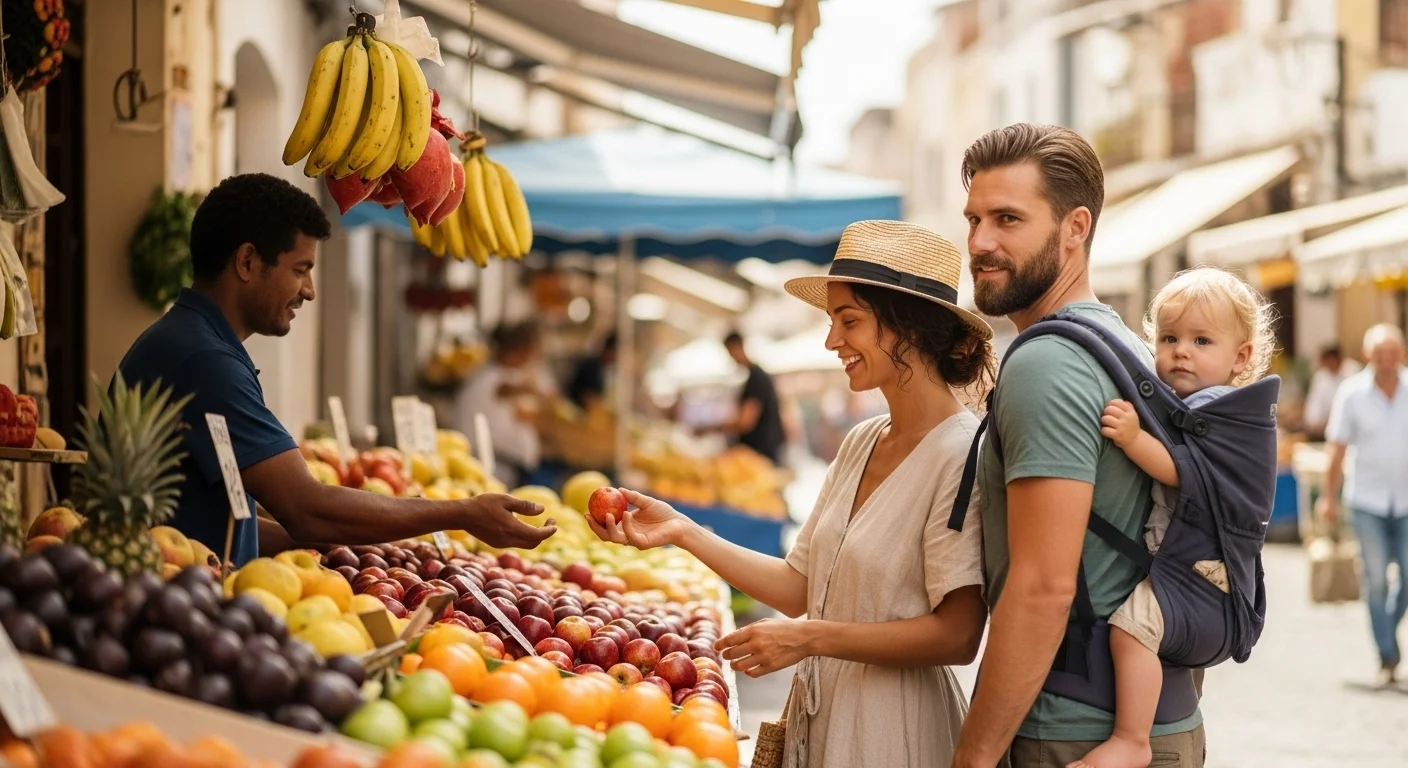
Engaging with local communities can provide memorable experiences for our kids while promoting their independence. I always make it a point to encourage my children to interact with locals whenever we travel. I remember a particular day in Thailand when we visited a local market. I encouraged my son to ask a vendor for some fruit in the local language. Watching him muster the courage to speak to a stranger was a proud moment for me as a parent.
These interactions can foster independence as children learn to communicate and navigate new social settings. Additionally, it helps them understand and appreciate different cultures. I believe these experiences offer a unique educational opportunity that you simply can’t find in a traditional classroom.
Building Routines that Support Independence
Establishing Daily Routines Abroad
When we travel, maintaining some semblance of a routine helps my toddlers feel secure and independent. I’ve noticed that even small routines, like consistent meal times or bedtime rituals, can create a sense of normalcy amidst new experiences. For example, during our stay in Spain, we made it a point to have breakfast at the same time every day. This way, my kids knew what to expect, which helped reduce any anxiety about our new surroundings.
Having daily routines also provides opportunities for my children to take on responsibilities. I’ve found that giving them small tasks, like setting the table or packing their own toys, reinforces their sense of independence while helping them adapt to our travel lifestyle. It’s a win-win situation!
Involving Toddlers in Daily Tasks
Involving my toddlers in daily tasks, even while traveling, has been a game-changer for fostering their independence. When we prepare for a day out, I let them choose their clothes, pack their own snacks, or even help load the car. I remember one morning in Greece when my daughter insisted on helping me pack the beach bag. Watching her carefully select her favorite beach toys and snacks made her feel important, and it gave me a moment to appreciate her growing independence. It’s incredible how these small tasks can empower them.
These activities not only teach kids responsibility but also build confidence in their abilities. I’ve learned that when they feel involved, they tend to be more cooperative and engaged throughout our travels.
Using Visual Aids and Schedules
Visual aids can be incredibly effective in helping toddlers understand and follow routines. I’ve started using simple charts that outline our daily activities when we travel. For instance, I create a colorful chart with pictures of what we’ll be doing each day, from visiting a museum to having lunch at a local eatery. This gives my kids a clear idea of what to expect, which eases any anxiety and fosters their independence in navigating our schedule.
Not only does this help them understand the flow of the day, but it also allows them to take ownership of their time. They can check off activities as we complete them, which gives them a sense of accomplishment. I’ve seen how excited they get when they can visually track their day, and it reinforces their ability to participate in planning our adventures.
Common Challenges and Solutions
Dealing with Resistance to Independence
As much as I love seeing my toddlers grow and embrace independence, there are definitely moments when they resist. I remember one particular day when I encouraged my son to dress himself. He was excited at first, but after struggling with his shirt for a few minutes, he got frustrated and wanted my help. I felt torn between wanting to give him the independence he craved and the urge to step in and assist him.
In my experience, it’s important to recognize that resistance is a normal part of this journey. I’ve learned that providing gentle encouragement and understanding can help ease their frustration. Instead of just stepping in, I offered to guide him by saying, “I see you’re having a tough time. Would you like to try again, or should we take a little break?” This approach not only respects their feelings but also allows them to regain control and keep trying. When they do succeed, the look of pride on their faces is absolutely worth it!
Managing Safety Concerns While Encouraging Freedom
One challenge I frequently face is balancing my desire to foster independence with the inherent safety concerns that come with toddlers exploring new environments. Traveling abroad can amplify these worries, especially in unfamiliar places. I distinctly remember our trip to a bustling market in Mexico where my little ones were eager to explore. While I wanted them to enjoy the sights and sounds, I couldn’t help but feel anxious about their safety.
To manage these concerns, I’ve found that establishing clear boundaries works wonders. We’ve developed a system where my kids know they can explore but must stay within a specific area or keep their eyes on me. I also talk to them about safety in a way that resonates with their understanding. For instance, I’d say, “If you see a street, remember to hold my hand or stay close. It’s a busy place!” This not only assures them of their freedom but also reinforces the importance of staying safe. I’ve noticed that with these guidelines in place, they feel more confident to venture out while I can relax a bit knowing they’re within reach.
Balancing Independence with Parental Guidance
Finding the right balance between independence and parental guidance can sometimes feel like a juggling act. I’ve often grappled with how much to let my children try things on their own versus when to step in and guide them. There have been instances during our travels where I thought it best to let my daughter navigate a simple task, like ordering food at a restaurant, but I worried she might feel overwhelmed.
What’s worked for me is using a supportive approach. I encourage them to try things independently, but I’m always nearby, ready to offer help if they ask. For example, during one of our trips to a café in Greece, my daughter wanted to order her own drink. I quietly stood back, but I gave her a few phrases to use and reminded her to take her time. When she hesitated, I whispered encouragement instead of rushing in. This helped her feel capable while knowing I was there for support. I’ve found that this balance allows them to build their confidence without feeling abandoned.
Resources for Parents
Books and Materials on Fostering Independence
When I first started this journey of fostering independence in my toddlers, I turned to a variety of books to guide me. I found that reading about other parents’ experiences and expert advice gave me fresh ideas. One book that resonated with me was “The Whole-Brain Child” by Daniel J. Siegel and Tina Payne Bryson. It offers practical strategies for nurturing emotional intelligence and independence in children. I also love “How to Talk So Little Kids Will Listen” by Joanna Faber and Julie King, which provides useful communication techniques that promote independence while also respecting a child’s needs.
Additionally, I recommend looking for local libraries with parenting sections. I’ve discovered gems at my local library that helped me understand different approaches to encouraging independence, including hands-on activities and age-appropriate tasks that I can incorporate into our daily routine.
Online Communities and Support Groups
Being a part of online communities has been an invaluable resource for me. I’ve found that connecting with other parents facing similar challenges and sharing insights can provide a sense of camaraderie. Websites like Facebook have countless parenting groups focused on fostering independence. I often browse through posts for tips and share my experiences as well. It’s comforting to know I’m not alone in this journey, and I’ve picked up some fantastic ideas along the way!
Also, platforms like Meetup often have local parenting groups or playdates aimed at fostering independence. Participating in these gatherings not only helps my children learn from others but also gives me a chance to connect with fellow parents.
Local Educational Programs and Workshops
One of the best ways to foster independence in our little ones is through local educational programs and workshops. I’ve discovered that many community centers offer classes designed for young children. For example, we attended a “mini chefs” cooking class where my toddlers could learn basic cooking skills. Watching them take charge in the kitchen was a heartwarming experience that boosted their confidence.
Additionally, I recommend looking out for workshops on topics like art, music, or even nature exploration. These programs often encourage children to express themselves and make choices, all while learning valuable skills. I’ve found that these experiences not only nurture independence but also create cherished memories for us as a family.
Frequently Asked Questions
What is independence in early childhood?
Independence in toddlers is the ability of children to make their own choices, express their preferences, and accomplish simple tasks without relying heavily on adults. It is a crucial phase as toddlers begin to develop their identity and self-esteem.
Why is fostering independence important for toddlers?
Encouraging independence empowers toddlers to take initiative, helps them develop better self-regulation and emotional resilience, and prepares them for future challenges. It also enables children to adapt better to new environments, making them more resilient travelers.
What are some strategies for fostering independence in toddlers?
Strategies for fostering independence include encouraging decision-making skills, promoting problem-solving abilities, allowing exploration and free play, setting up safe environments, and incorporating local culture and language when traveling.
How can parents encourage decision-making skills in toddlers?
Parents can encourage decision-making skills by offering children choices, such as picking between two snacks or selecting activities. Starting small with two or three options can empower toddlers without overwhelming them.
What role does free play have in fostering independence?
Free play allows toddlers to explore their world and develop independence. It nurtures their creativity and confidence, as they engage in imaginative play and interact with peers during unstructured playtime.
How can parents create a safe environment for toddlers when traveling?
Parents can create a safe environment by toddler-proofing accommodations and setting boundaries that allow children to explore without constant supervision. Assessing the environment for safety is crucial to ensure children can navigate freely while remaining safe.
What are some practical tips for traveling with toddlers?
Practical tips include choosing child-friendly destinations, packing essentials that promote independence, utilizing local resources for learning, and engaging with local communities to enhance the travel experience.
How can involving toddlers in daily tasks foster their independence?
Involving toddlers in daily tasks, such as choosing their clothes or packing snacks, empowers them and teaches responsibility. It helps them feel important and engaged while reinforcing their sense of independence.
What challenges might parents face when fostering independence?
Parents may face challenges such as resistance to independence, managing safety concerns, and balancing independence with parental guidance. Providing gentle encouragement and establishing clear boundaries can help address these challenges.
What resources are available for parents looking to foster independence in their toddlers?
Resources include books on fostering independence, online communities and support groups, and local educational programs and workshops designed for young children to help them learn valuable skills and express themselves.