
As a new parent, nothing can be more overwhelming than the health of your newborn. Understanding the signs and symptoms of potential illnesses can empower us to take charge and ensure our little ones stay healthy and happy. For a comprehensive overview, check out Recognizing Newborn Illness: A Parent’s Quick Guide.
Understanding Newborn Health: An Overview
Having a newborn in the house is a beautiful journey filled with joy, excitement, and sometimes anxiety. I remember when my first child was born; I was constantly worried about every little change in their behavior. It’s crucial to understand that a newborn’s health can be fragile, and being aware of their symptoms can help us act promptly in case of any concerns. Monitoring our baby’s health is not just important; it’s essential for their well-being.
The Importance of Monitoring Newborn Symptoms
In the early days of parenthood, we often find ourselves in a whirlwind of emotions and responsibilities. I learned that keeping an eye on my newborn’s symptoms could make all the difference. Newborns can’t tell us what they’re feeling, so we have to be their voice. This means being vigilant about changes in their behavior, eating patterns, or physical appearance. By observing these signs closely, we can catch potential issues before they escalate.
Common Newborn Illnesses
From my experience, I found that some illnesses are more common in newborns than others. These can include everything from minor conditions like colds to more serious issues like infections. Some common illnesses can manifest through symptoms like fever, difficulty breathing, or unexplained fussiness. Knowing these can help us differentiate between typical newborn behavior and signs of illness. For more detailed information, read Essential Signs of Newborn Illness Every Parent Should Know.
Top Symptoms to Watch For
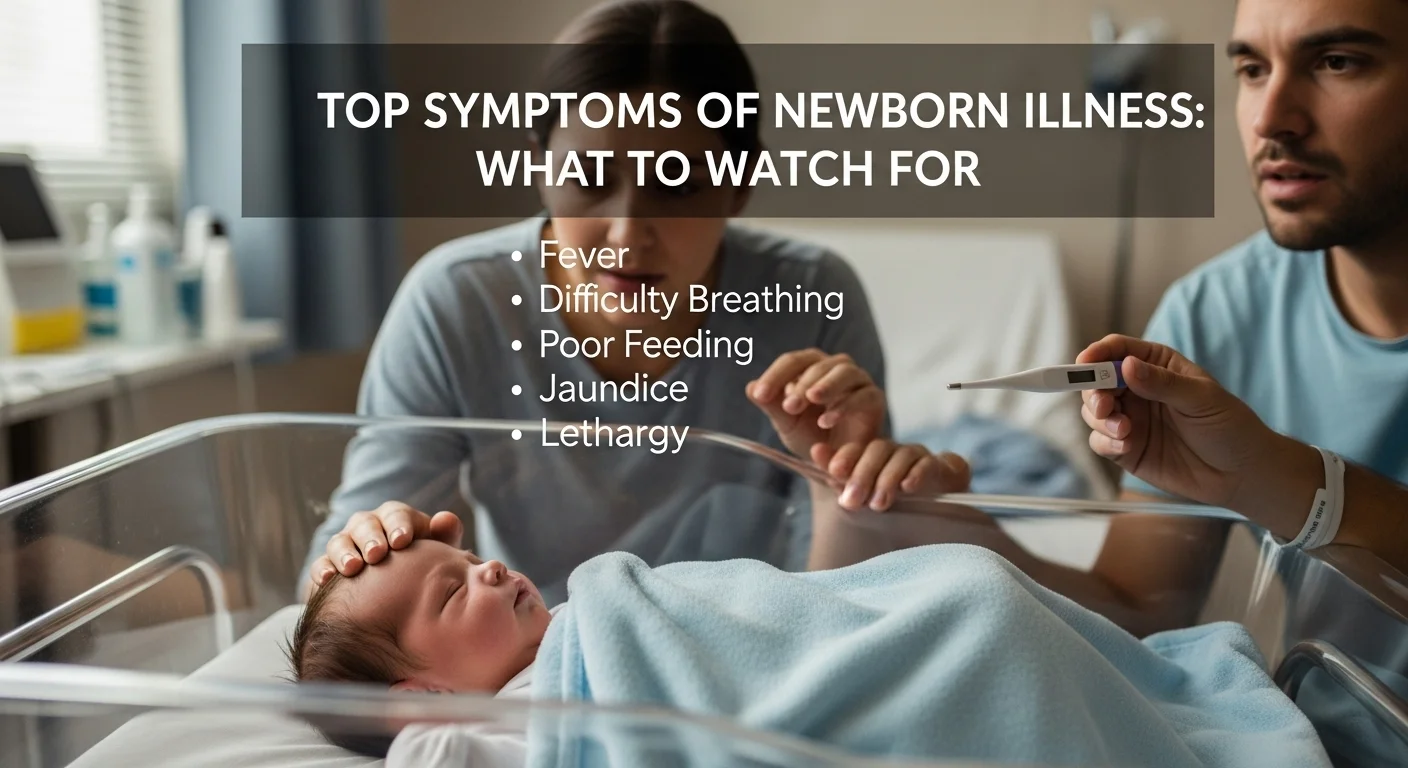
Once we understand the common illnesses, it’s important to focus on the specific symptoms that may indicate something is wrong with our little ones. Here are some top symptoms to watch for:
Fever in Newborns
I remember the first time my baby felt warm to the touch. A fever can be one of the first signs of illness in newborns. It’s essential to know that a fever in a newborn, specifically one that’s 100.4°F (38°C) or higher, can be a sign of a serious infection. If you notice a fever, I recommend contacting your pediatrician immediately, as timely intervention can be vital.
Difficulty Breathing
Watching my baby breathe was a constant part of my routine. If you notice your newborn is struggling to breathe—looking like they’re gasping or making unusual noises—it’s crucial to seek medical help right away. Difficulty breathing can be a sign of respiratory distress or an underlying condition that needs immediate attention.
Excessive Crying or Irritability
Crying is a normal part of newborn life, but I learned that excessive crying or sudden changes in your baby’s mood could signal discomfort or illness. If your baby seems unusually fussy and nothing seems to soothe them, it can indicate pain or distress. I found that keeping a log of these crying episodes helped me communicate effectively with our pediatrician.
Feeding Difficulties
Feeding time can be a bonding experience, but what happens when your newborn shows reluctance to eat? Whether breast or bottle-fed, if your baby isn’t feeding well or seems uninterested in feeding, it could be a sign of illness. I remember the panic I felt when my baby wouldn’t latch properly, and it’s something to watch closely, as good feeding practices are crucial for growth and development.
Jaundice
Jaundice is something many parents worry about, and seeing a yellow tint in your newborn’s skin or eyes can be alarming. I remember noticing this in my baby and quickly contacted our pediatrician. Jaundice occurs when there’s too much bilirubin in the blood, and while it can be common in newborns, it’s essential to monitor and manage it appropriately.
Rash or Skin Changes
As I explored my baby’s soft skin, I learned that rashes and skin changes can signal various issues. Newborns can develop rashes from diaper irritation, allergens, or infections. If you see a rash that doesn’t go away or seems to worsen, it’s a good idea to consult with your doctor. I found that gentle skin care helped prevent some rashes, but always keeping an eye on changes was key.
Changes in Bowel Movements
When we first brought my baby home, I was constantly checking their diaper. Changes in bowel movements can indicate illness, especially if there’s blood or unusual consistency. I discovered that tracking these changes helped me notice patterns and communicate with our pediatrician more effectively. If you see any drastic changes, don’t hesitate to reach out for advice.
Unusual Lethargy or Weakness
Seeing my baby’s eyes droop or them being less active than usual was concerning. Unusual lethargy or weakness can indicate serious health issues. If your baby seems excessively sleepy or unresponsive, it’s essential to seek medical attention. I learned that every baby has their alertness patterns, but if anything feels off, trust your instincts.
Signs of Dehydration
Dehydration can be a serious concern, especially for newborns. I remember being anxious about whether my baby was getting enough fluids. Signs of dehydration can include a dry mouth, fewer wet diapers, or lethargy. If you notice these symptoms, it’s crucial to contact your pediatrician immediately. Staying informed about hydration needs can truly make a difference.
When to Seek Medical Attention
As a new parent, knowing when to take action can be daunting. I remember feeling torn between wanting to rush to the doctor with every little concern and trying to trust my instincts. It’s important to find that balance and to understand which symptoms truly warrant a visit to the pediatrician.
Emergency Symptoms
There are certain symptoms that I learned to recognize as red flags. For instance, if your newborn has a fever of 100.4°F (38°C) or higher, especially if they are less than three months old, it’s crucial to seek medical help immediately. I recall that feeling of urgency when I noticed my baby was unusually hot. Another major sign is difficulty breathing; if you see your baby struggling, it’s best to call for help right away.
Other emergency symptoms to watch for include:
- Persistent vomiting or diarrhea
- Seizures or convulsions
- Unresponsiveness or extreme lethargy
- Severe rash or skin reactions, especially if accompanied by fever
- Blood in stool or urine
During those first few weeks, I found myself questioning whether my baby’s cough was just a normal baby cough or something more serious. If you ever feel uncertain, it’s always better to err on the side of caution and reach out to your healthcare provider.
Consulting a Pediatrician
In addition to emergency symptoms, there are less severe signs that should still prompt a call to your pediatrician. For example, if your baby shows any signs of dehydration or if there’s a significant change in their feeding habits, it’s worth getting a professional opinion. I remember the sense of relief I felt whenever I called our pediatrician for advice. They were always understanding and ready to help, even for what felt like minor issues.
Here are some situations where contacting your pediatrician is a wise choice:
- Any concerns about your baby’s growth or feeding
- Changes in your baby’s sleeping patterns
- Any lingering symptoms that don’t improve
- Signs of allergies, such as unusual rashes or swelling
It’s essential to keep a close eye on your newborn and trust your instincts. If something doesn’t feel right, don’t hesitate to reach out. Our pediatricians are there for us, and they appreciate our vigilance.
Prevention and Care Tips for Newborns
One thing I learned as I navigated through parenthood is that prevention is key. By taking proactive steps, we can help our newborns stay healthy and minimize the chances of illness. Here are some tips that worked well for me and my family.
Routine Checkups
Regular checkups are vital for monitoring your baby’s health. I found that scheduling routine visits with our pediatrician helped us stay on top of our baby’s growth milestones and vaccinations. These visits are great opportunities for us to ask questions and discuss any concerns. I often left feeling more informed and reassured.
During these appointments, your doctor will typically check your baby’s weight, length, and overall development. They might also provide guidance on feeding and sleeping, which can be incredibly helpful. I made it a point to keep a list of questions for these visits, ensuring I didn’t forget anything important.
Vaccination Importance
Vaccinations are another crucial aspect of keeping our little ones healthy. I remember feeling a mix of anxiety and relief each time my baby received a vaccination. These shots protect against serious diseases, and staying up to date with the vaccination schedule is essential. I found that discussing the vaccination process with our pediatrician helped ease my worries. They provided valuable information about the benefits and any potential side effects. For more on this topic, see The Ultimate Newborn Vaccination Schedule Every Parent Needs.
Being informed about the vaccination schedule and what to expect can help us feel more comfortable. I recommend keeping a vaccination record to track what your baby has received and what’s coming up next.
Establishing Healthy Feeding Practices
Feeding is a foundational part of our newborns’ health. Whether you choose to breastfeed or formula-feed, creating a healthy feeding routine is important. I discovered that feeding on demand, rather than adhering strictly to a schedule, helped my baby feel secure and nourished. It’s essential to pay attention to hunger cues and respond promptly.
Additionally, I learned about the importance of creating a calm environment during feeding times. Dimming lights and reducing noise helped my baby focus on feeding. I found myself cherishing these moments, as they allowed us to bond and connect deeply.
Resources for New Parents
As I ventured into the world of parenthood, I quickly realized how vital it was to have the right resources at my fingertips. The journey can feel isolating at times, but knowing where to turn for advice and support can make all the difference. I found several resources that provided valuable information and community support during those early, sometimes overwhelming days.
Trusted Parenting Websites
One of my go-to resources was trusted parenting websites. I discovered that sites like the American Academy of Pediatrics (AAP) and the Centers for Disease Control and Prevention (CDC) offered reliable information on newborn health and development. I loved browsing through their articles, which explained everything from feeding guidelines to common newborn illnesses. It was reassuring to know that the information was backed by medical professionals.
Another site that I frequently visited was BabyCenter. I found it to be a treasure trove of information, covering a wide range of topics relevant to new parents. The community forums were especially helpful, as I could connect with other parents who were experiencing similar challenges. Reading their stories and advice made me feel less alone and more empowered in my parenting journey.
Books on Newborn Care
Books played a significant role in my quest for knowledge about newborn care. I remember picking up “The Baby Book” by William and Martha Sears, and it quickly became one of my favorite guides. This book covers everything from basic care to parenting philosophies, and it felt like having a trusted friend by my side. I appreciated the advice on attachment parenting and the emphasis on understanding my baby’s cues.
Another book that I found incredibly helpful was “What to Expect the First Year” by Heidi Murkoff. It provided month-by-month insights into what to expect as my baby grew, along with practical advice for common issues. I often found myself referencing it during those late-night feeding sessions, and it gave me the confidence to navigate the early months.
Support Groups and Forums
Finding support was crucial for my well-being as a new parent. I looked into local parenting groups and community centers that offered classes and meet-ups. Meeting other parents in person helped me feel more connected and less isolated. We shared our experiences, frustrations, and joys, which created a sense of camaraderie that made the journey feel more manageable.
Online forums also became a safe space for me to express my thoughts and concerns. Websites like What to Expect and The Bump have vibrant communities where parents can ask questions and share advice. I remember posting about my concerns regarding my baby’s feeding habits and receiving thoughtful responses from seasoned parents. It felt comforting to know that I wasn’t alone in my worries.
Social media platforms also have groups dedicated to parenting, where you can find support and share your experiences. I joined a few Facebook groups focused on newborn care, and they became a source of encouragement and practical advice. It was amazing to see so many parents working through similar challenges and cheering each other on.
Having access to these resources made my transition into parenthood smoother. I felt more informed and prepared to handle the ups and downs of caring for a newborn. Remember, it’s okay to seek help and gather information; we’re all in this together, and there’s no need to navigate this journey alone. Whether it’s through websites, books, or community support, finding the right resources can make a significant difference in our parenting experience.
Final Thoughts
As I reflect on my journey through the early days of parenthood, I realize how much I’ve learned about caring for a newborn. Each moment, whether filled with joy or worry, taught me something valuable about my baby and myself. I firmly believe that being an informed and proactive parent can make all the difference when it comes to our little ones’ health.
Trusting our instincts while being vigilant in monitoring our newborn’s health is essential. It’s okay to feel overwhelmed at times; we’re all figuring this out as we go. What helped me immensely was keeping a close relationship with our pediatrician and never hesitating to reach out whenever I had questions or concerns. I learned that no question is too small or insignificant when it comes to our children’s well-being.
By staying informed and utilizing the resources available to us, we can navigate through the uncertainties of parenting with confidence. Whether we’re diving into books or connecting with other parents online, these tools can empower us to make the best decisions for our newborns. It’s wonderful to connect with others who share similar experiences; it reminds us that we’re not alone in this journey.
Additionally, I found that taking care of myself was just as important as caring for my baby. Balancing self-care with the demands of parenthood is a challenge, but it’s crucial for our mental and physical health. Reaching out for support, whether from family, friends, or parenting groups, can provide the encouragement we need to take care of ourselves while we care for our little ones.
In the end, we all want the same thing: for our babies to grow healthy and happy. By being observant, proactive, and connected, we can ensure that we do everything we can to support their journey. I hope my experiences and the tips shared here resonate with you, providing comfort and guidance as you embark on your own parenting adventure.
Remember, it’s a learning process for all of us, and we’re in this together. Cherish the moments, trust your instincts, and don’t hesitate to reach out for help when you need it. We’re all on this beautiful journey of parenthood, and together, we can navigate it with love and confidence.
Frequently Asked Questions
1. What are the common signs of illness in newborns?
Common signs of illness in newborns include fever, difficulty breathing, excessive crying or irritability, feeding difficulties, jaundice, rash or skin changes, changes in bowel movements, unusual lethargy or weakness, and signs of dehydration.
2. When should I contact my pediatrician?
You should contact your pediatrician if you notice any concerning symptoms such as fever of 100.4°F (38°C) or higher, difficulty breathing, feeding difficulties, excessive irritability, or any other significant changes in your baby’s behavior or health.
3. What temperature indicates a fever in newborns?
A fever in a newborn is indicated by a temperature of 100.4°F (38°C) or higher.
4. How can I tell if my newborn is dehydrated?
Signs of dehydration in newborns may include a dry mouth, fewer wet diapers, lethargy, and unusual irritability. If you notice these symptoms, it is crucial to contact your pediatrician immediately.
5. What should I do if my newborn is excessively crying?
If your newborn is excessively crying or seems unusually fussy and nothing soothes them, it may indicate discomfort or illness. Keeping a log of these episodes can help you communicate effectively with your pediatrician.
6. Why are regular checkups important for newborns?
Regular checkups are vital for monitoring your baby’s health, growth milestones, and vaccinations. They also provide an opportunity to ask questions and address any concerns with your pediatrician.
7. What role do vaccinations play in newborn health?
Vaccinations protect newborns against serious diseases. Staying up to date with the vaccination schedule is essential for ensuring their health and well-being.
8. How can I create a healthy feeding routine for my newborn?
Creating a healthy feeding routine involves feeding on demand rather than adhering strictly to a schedule, paying attention to hunger cues, and creating a calm environment during feeding times.
9. What resources are available for new parents seeking support?
New parents can seek support from trusted parenting websites like the American Academy of Pediatrics (AAP) and the Centers for Disease Control and Prevention (CDC), books on newborn care, local parenting groups, and online forums for community support.
10. What are some emergency symptoms to watch for in newborns?
Emergency symptoms to watch for include a fever of 100.4°F (38°C) or higher, difficulty breathing, persistent vomiting or diarrhea, seizures or convulsions, unresponsiveness, extreme lethargy, severe rash, or blood in stool or urine.