
Backpacking with toddlers can feel daunting, but it’s an adventure that brings families closer together. With the right tips and preparation, you can create unforgettable memories on the trail. Read Interesting article: Ultimate Guide to Backpacking with Toddlers: Tips & Tricks
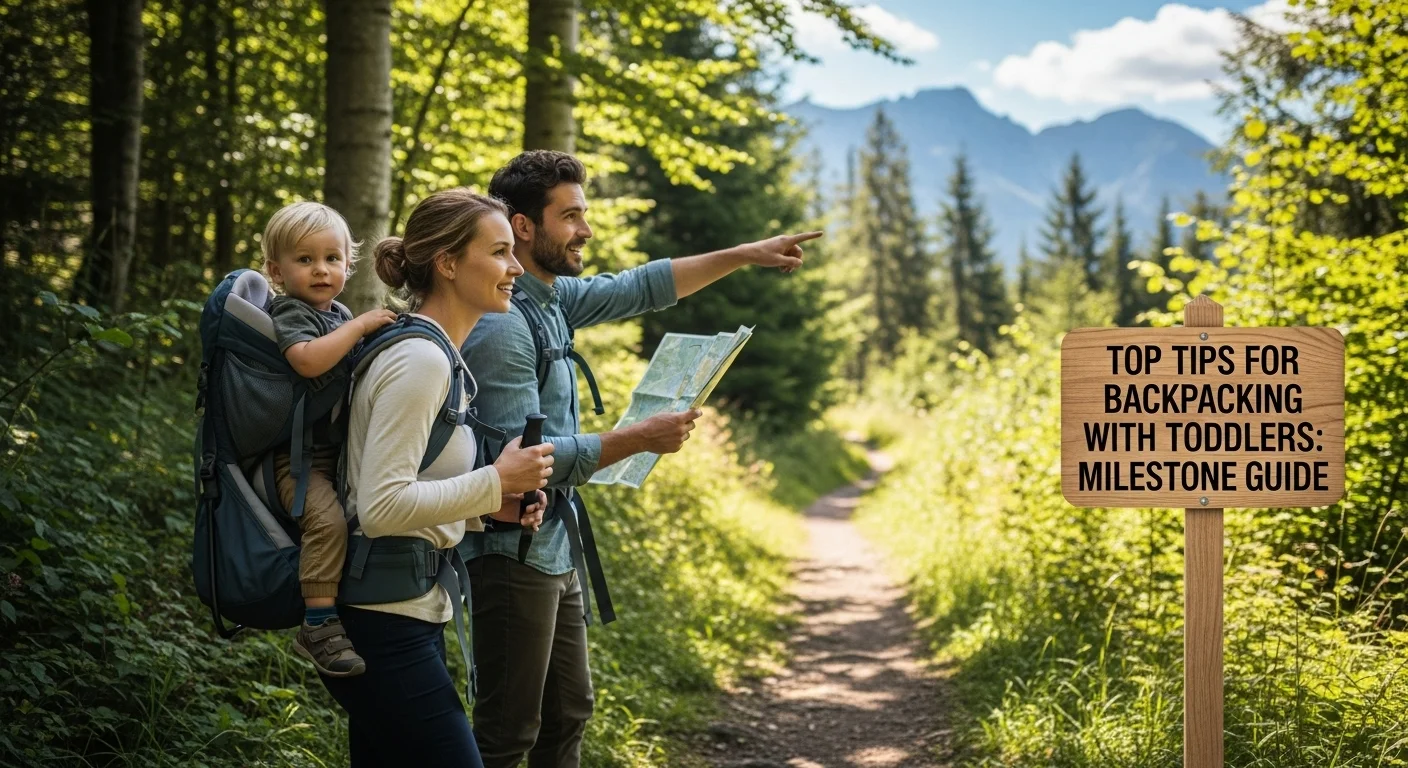
Understanding Backpacking with Toddlers
Backpacking with young children is not just about the destination; it’s about the journey and the experiences you share along the way. I remember when my partner and I decided to take our first backpacking trip with our toddler. We were filled with excitement, but also a hint of anxiety. Would our little one enjoy it? Would we be able to tackle the trails? Understanding what to expect can make a world of difference.
The Benefits of Backpacking with Young Children
Backpacking with toddlers offers countless benefits that extend beyond just spending time in nature. For one, it fosters a love for the outdoors. I’ve seen how being outside can spark curiosity in my child. The thrill of spotting a deer or hearing a rustle in the bushes makes their eyes light up, igniting a passion for nature that I hope will last a lifetime.
Moreover, backpacking encourages family bonding. Sharing the experience of hiking, camping, and exploring together strengthens our family ties. I can’t tell you how many times we laughed over setting up the tent or cooking dinner by the campfire. These moments create lasting memories that we cherish.
Backpacking also provides an excellent opportunity for physical activity. As we hike, I notice my toddler’s strength and coordination improving. They learn to navigate uneven terrain and climb over rocks, which boosts their confidence. Plus, it’s a fantastic way to introduce them to healthy habits early on.
Common Concerns and Challenges
Of course, there are challenges to consider. Safety is always a priority when you’re out in the wild with little ones. I’ve found myself constantly checking to make sure my toddler is safe, whether it’s keeping them close to the trail or ensuring they don’t wander off. It’s essential to stay vigilant and prepared.
Another concern is managing expectations. Kids have their own pace, and what seems like a short hike can feel like a marathon to them. I learned early on that it’s crucial to be flexible. We might plan for a two-mile hike, but if my toddler needs to stop and rest or explore, we adjust our plans. It’s about enjoying the journey, not just reaching the end.
Additionally, weather can play a significant role in our backpacking adventures. As parents, we need to be ready for anything. I’ve experienced sudden rain showers and unexpected chilly winds. Being prepared with the right gear can make all the difference in keeping our little ones comfortable and safe.
In my experience, conquering these challenges has made our family stronger and more resilient. It’s all about striking a balance between planning and spontaneity, allowing our toddler to explore while ensuring their safety and comfort.
Essential Gear for Backpacking with Toddlers
Choosing the Right Backpack
When it comes to choosing a backpack for backpacking with toddlers, comfort and functionality are key. I always recommend selecting a pack that fits well and distributes weight evenly. It’s essential that it has enough storage for everything we need, from snacks to first aid kits. I found that a backpack with an external frame helps with ventilation and makes it easier to carry my toddler when they get tired.
Must-Have Gear for Toddlers
Some gear is essential for making the trip easier and more enjoyable for toddlers. A good-quality child carrier is a must-have. I’ve used several models, and the ones with adjustable straps and a sunshade have been lifesavers. They keep my child secure while allowing me to maintain balance as I hike.
Also, don’t forget to bring a cozy blanket or small sleeping bag for when it’s time to rest. I learned that having a familiar item can make naptime easier for my toddler, especially when we’re in a new environment. And of course, plenty of snacks are a must! I stock up on their favorites to keep energy levels up.
Clothing Considerations for Varying Weather
Clothing is another vital aspect to consider for a successful backpacking trip. I always dress my toddler in layers, allowing us to adjust as the weather changes. A moisture-wicking base layer, an insulating mid-layer, and a waterproof outer layer are essential to keep them comfortable and dry. I’ve learned the hard way that packing an extra set of clothes can save the day if they get wet or muddy.
Safety Gear and First Aid Kits
Lastly, safety gear and a well-stocked first aid kit are non-negotiable. I recommend carrying a compact first aid kit that includes band-aids, antiseptic wipes, and any medications your child might need. We also bring a whistle and a flashlight, just in case we need to signal for help or navigate in low light. Feeling prepared helps ease my worries and allows us to focus on enjoying our time together.
Planning Your Backpacking Trip
Choosing Family-Friendly Destinations
When planning our backpacking trips, choosing the right destination has always been an important part of the process. I’ve found that family-friendly trails can make all the difference in ensuring an enjoyable experience for everyone. I prefer locations that offer shorter loops or easy trails with gentle elevation gains. This way, my toddler can explore at their own pace without feeling overwhelmed.
Some of my favorite spots have been near lakes or rivers, where we can take breaks and even dip our toes in the water. It’s amazing how much joy a simple splash can bring! I recommend checking online resources or local hiking groups that provide insights into family-friendly trails. Reading reviews from other parents has helped me find hidden gems that are perfect for little ones. Read Interesting article: Playful Adventures: Backpacking with Toddlers on a Budget
Understanding Trail Difficulty Levels
Understanding the difficulty levels of trails is also crucial. I remember a few times when we underestimated a trail’s challenges and ended up carrying our tired toddler more than we planned! I’ve learned to carefully read the trail descriptions and pay attention to both distance and elevation. Generally, I look for trails labeled as easy or moderate, especially if they are suitable for families.
It’s also helpful to check for any steep sections or rocky terrain that may be harder for a toddler to navigate. I often find it useful to scout the trail in advance, if possible, or to consult with park rangers who can provide insights on trail conditions and suitability for young children.
Setting a Realistic Itinerary
Setting a realistic itinerary is something I’ve become really passionate about. With a toddler, I’ve learned that flexibility is key. Rather than planning to hike for a set number of miles or hours, I focus on how long my toddler can happily trek. We usually build in extra time for play breaks, snack stops, and exploration. I like to have a rough idea of our day’s goals, but I’ve learned to embrace spontaneity.
Creating an itinerary that includes a mix of hiking and downtime has worked best for us. I remember one trip where we planned to hike a couple of miles in the morning, but my toddler was fascinated by a butterfly and insisted on watching it for what felt like ages. Instead of rushing them, we took the time to appreciate those little moments. That’s what makes the journey special, after all!
Time of Year: Best Seasons for Backpacking with Toddlers
Choosing the right time of year can greatly impact our backpacking experience. I’ve found that spring and fall tend to be the most enjoyable seasons for hiking with toddlers. The weather is generally mild, which means we can comfortably explore without worrying about extreme heat or cold. I remember our first fall backpacking trip; the colorful leaves were not only a beautiful backdrop but also an exciting treasure hunt for my toddler!
In summer, I try to start our hikes early in the morning to avoid the midday heat. Keeping an eye on the weather forecast is essential, as sudden changes can happen. Fall, in particular, offers stunning views and fewer bugs, making it a favorite for our family. I recommend looking for local events, like fall festivals or guided nature walks, that might add an extra layer of fun to our adventures.
Winter hiking can be magical but requires a different approach. If we choose to go out in winter, I make sure we are well-prepared with appropriate gear and safety measures. I’ve learned that snowy trails can be beautiful, but they also present unique challenges, so it’s essential to be ready for them.
Milestones and Developmental Considerations
Backpacking with Infants (0-12 Months)
Backpacking with infants can seem like a daunting task, but I believe it’s one of the most rewarding experiences a family can have. When my child was just a few months old, we strapped on our baby carrier and hit the trails. I found that this age is all about adaptability. Infants are content to be in the carrier, allowing us to explore in ways that felt easy and natural.
During this stage, the key is to choose flat, easy trails. I remember one serene hike by a lake where the gentle sounds of water and birds provided a peaceful backdrop. I made sure to bring plenty of extra gear, including diapers, wipes, and a soft blanket for comfort. A compact stroller can also be a great option for well-maintained paths, giving us a bit more convenience.
As we walked, I took the time to point out different sights and sounds to my little one. Even though they couldn’t respond, I felt a connection with nature blossoming. I learned that hiking with an infant is less about the miles covered and more about creating a soothing environment that nurtures their developing senses.
Backpacking with Toddlers (1-3 Years)
As toddlers begin to walk, backpacking takes on a new dimension. This stage is full of curiosity and adventure, and I’ve noticed my child’s excitement for exploration grow tremendously. While they may not walk as far as we do, the joy in their eyes while wandering off the trail to investigate a bug or pick up a rock is priceless. I think it’s essential to let them lead the way sometimes, even if it means a slower pace.
For me, this is the stage where I focused on encouraging independence while ensuring safety. I remember choosing a loop trail that allowed for plenty of space to roam. Packing fun items like a small magnifying glass sparked my toddler’s imagination. I found that when they are engaged, the hiking experience becomes more enjoyable for both of us.
I also learned to anticipate potential meltdowns. We always made sure to bring a favorite toy or book to help soothe them when tiredness hit. A planned snack break at a scenic spot can also work wonders for maintaining their spirits.
Backpacking with Preschoolers (3-5 Years)
Once my child reached preschool age, backpacking felt like an entirely different adventure. They have enough energy to tackle longer hikes and can communicate their needs more clearly. This is the time when I began introducing them to the idea of trail etiquette and the importance of respecting nature.
We often engaged in conversations about what we saw around us—the colors of the leaves, the shapes of the clouds, and the sounds of the forest. I found that preschoolers are eager to learn and share their discoveries, so I always encouraged questions and discussions about the environment. I’ve even turned our hikes into mini-science adventures, looking for different types of plants or identifying animal tracks.
At this stage, I also began to involve my child in planning our hikes. They would help choose the destination and what snacks to bring, which made them feel more included in the process. I learned that letting them have a say increased their excitement and engagement during our adventures.
Supporting Physical and Emotional Development on the Trail
Backpacking with toddlers and young children is not just about physical activity; it’s about supporting their emotional growth as well. I’ve noticed that each hike offers opportunities for teaching resilience and coping strategies. When faced with a challenging part of the trail, I often take a moment to talk about perseverance. I encourage my child to take deep breaths and remind them that it’s perfectly okay to take breaks when needed.
Additionally, I always celebrate small achievements on the trail, whether it’s reaching a viewpoint or simply making it to the next tree. It’s incredible to see how this builds their confidence. I remember one particular hike where my toddler insisted on climbing to the top of a small hill. Their joy upon reaching the summit was infectious and reminded me of the importance of celebrating those little victories.
In my experience, the mountains and trails are not just a backdrop for physical activity; they serve as a classroom for life lessons. We learn to work together, communicate openly, and appreciate the beauty of nature—all fundamental aspects of growing up.
Tips for Hiking with Toddlers
Engaging Toddlers on the Trail
One of the best parts about hiking with toddlers is their natural curiosity. I’ve found that engaging them during our hikes can turn a simple walk into a grand adventure. I often play games like “I Spy” or have them point out different colors they see in nature. They love taking turns spotting animals or interesting plants. Once, we spent an entire afternoon tracking a squirrel and discussing its movements. Watching their eyes light up with excitement reminds me how important it is to nurture that sense of wonder.
Another technique that works well for us is creating mini scavenger hunts. I make a list of items for my toddler to look for—things like a pinecone, a specific flower, or a feather. This not only keeps them engaged but also teaches them about the natural world around them. I’ve seen how these small activities can transform a lengthy hike into a fun-filled exploration.
Snack Ideas to Keep Energy Up
Snacks play a significant role in our hiking adventures. I learned early on that keeping my toddler fueled and happy is crucial for a successful trip. Some of our go-to snacks include trail mix, fruit bars, cheese sticks, and sliced apples. I find that packing a variety of choices helps keep their interest piqued, and it’s a great way to encourage healthy eating habits. Sometimes, I even let them pick what snacks to bring, making them feel involved in our preparation.
I also make sure to pack some fun treats, like granola bars or yogurt-covered raisins. These little surprises can work wonders when morale dips halfway through a hike. I remember one particularly long hike where I pulled out some chocolate-covered almonds, and my toddler’s face lit up. It’s amazing how a simple snack can revive energy and enthusiasm!
Resting and Play Breaks: Importance and Timing
In my experience, taking breaks is just as important as the hike itself. Toddlers can get tired and overwhelmed, so I make it a point to stop often, allowing time for rest and play. Finding a nice spot to sit, enjoy a snack, and let them explore is essential. I encourage them to climb over rocks or play in the dirt while I take a moment to recharge.
Timing is everything; I’ve learned to watch for signs of fatigue and to be proactive about breaks. If I see my little one dragging their feet or getting cranky, I know it’s time for a pause. During one hike, we stumbled upon a small stream. We took a break and let my toddler splash around for a bit. It was a perfect moment of joy amidst our adventure, reminding me how important it is to embrace spontaneity.
Teach Safety and Trail Etiquette
As my child grows, I’ve started to teach them about safety and trail etiquette. I think it’s essential for toddlers to understand the basics of being safe in nature. We talk about staying on the trail, looking out for wildlife, and respecting the environment. I often repeat the phrases, “Leave no trace” and “Take only pictures, leave only footprints.” It’s important to model and explain these values as we hike together.
Additionally, I make it a point to discuss what to do if we get separated. We practice staying close and using our “hiking buddy system.” I’ve found that instilling these habits early on helps foster a sense of responsibility and keeps them safe.
Health and Safety Considerations
Hydration and Nutrition Guidelines
Staying hydrated is vital when hiking with toddlers. I’ve learned to carry ample water, especially on warm days. I usually bring a hydration bladder for myself and a water bottle for my child. We make it a fun challenge to drink water at every break, and I remind them that hydration is crucial for energy. I also watch for signs of dehydration, like dry lips or lethargy, and encourage them to drink regularly.
Nutrition plays a huge role in how well we enjoy our hike. I aim to have a balance of protein, healthy fats, and carbohydrates. Carrot sticks, nut butter, and whole-grain crackers are great options. I find that making snack time a fun ritual helps keep my toddler excited about eating well on the trail.
Recognizing Signs of Fatigue or Distress
Recognizing when my toddler is tired or distressed is an important skill I’ve developed during our hikes. They might not be able to communicate their feelings as clearly, so I pay attention to their body language and mood. Signs like fussiness, slower pace, or lack of interest in surroundings signal that it’s time for a break.
When I notice these signs, I take a moment to check in with them and provide comfort. Sometimes that means finding a shady spot to rest, having a snack, or even singing a silly song to lighten the mood. I’ve learned that being attentive to their needs can prevent meltdowns and keep our adventure enjoyable.
Emergency Protocols while Backpacking
Having a plan in case of emergencies is crucial. I always carry a basic first aid kit, which includes essentials like band-aids, antiseptic wipes, and any necessary medications. I make sure to familiarize myself with the trail and any potential hazards, such as steep drops or tricky terrain. Before our hikes, I also inform someone of our plans and expected return time to ensure we have a safety net.
Teaching my toddler what to do in case of an emergency is another vital step. We practice how to call for help and what to do if they get lost. I believe that having these protocols in place gives us both peace of mind and allows us to focus on the adventure ahead.
Post-Trip Reflections and Planning for the Future
Documenting Memories and Experiences
After each hiking trip, I love taking the time to document our experiences. I often jot down memorable moments, fun stories, and even challenges we faced. I’ve started a family hiking journal where we can add pictures and drawings from our adventures. Looking back at these memories brings a smile to my face and allows me to reflect on our growth as a family.
Assessing What Worked and What Didn’t
Assessment is a big part of our post-trip routine. I review what went well—like engaging my toddler with games or preparing the right snacks—and what didn’t work as planned, such as an overly ambitious trail choice. This reflection helps me make better choices for our future trips, ensuring we continue to have enjoyable experiences.
Preparing for Your Next Adventure
When planning our next backpacking trip, I often revisit the lessons learned. I consider new destinations, gear adjustments, and even how we can make our experiences more educational and fun. I find that keeping the spirit of adventure alive is as vital as the planning itself. Excitement for our next journey fuels our family bond and keeps the love for the outdoors growing. Read Interesting article: Essential Milestones: Budget Backpacking with Toddlers
Final Thoughts
Backpacking with toddlers is a unique blend of challenges and rewards. Each trip teaches me something new about my child, our family dynamics, and the beauty of nature. I believe that these experiences shape not only my toddler’s appreciation for the outdoors but also our family’s resilience and creativity. I encourage every parent to embrace this adventure, knowing that while it won’t always be perfect, the memories we create will last a lifetime. Let’s pack our bags, hit the trails, and enjoy the journey together!
Frequently Asked Questions
What are the benefits of backpacking with toddlers?
Backpacking with toddlers fosters a love for the outdoors, encourages family bonding, and provides excellent physical activity opportunities. It helps children develop curiosity about nature, strengthens family ties through shared experiences, and boosts toddlers’ strength and confidence as they navigate the trails.
How should I choose a backpack for hiking with toddlers?
When choosing a backpack for hiking with toddlers, comfort and functionality are key. It’s recommended to select a pack that fits well, distributes weight evenly, and has enough storage for essentials like snacks and first aid kits. A backpack with an external frame can also help with ventilation and carrying a tired toddler.
What essential gear should I bring for toddlers on a backpacking trip?
Essential gear for toddlers includes a good-quality child carrier with adjustable straps and a sunshade, a cozy blanket or small sleeping bag for rest, and plenty of snacks to keep energy levels up. These items help ensure comfort and enjoyment during the trip.
What clothing considerations should I keep in mind for toddlers while backpacking?
It’s important to dress toddlers in layers to adapt to changing weather. A moisture-wicking base layer, insulating mid-layer, and waterproof outer layer are essential. Additionally, packing an extra set of clothes can be helpful in case they get wet or muddy.
How can I choose family-friendly backpacking destinations?
Selecting family-friendly trails with shorter loops or easy elevation gains ensures an enjoyable experience for everyone. Locations near lakes or rivers provide opportunities for breaks and play, and researching online resources or local hiking groups can help find suitable trails.
What should I do if my toddler shows signs of fatigue while hiking?
If your toddler shows signs of fatigue, such as fussiness or dragging their feet, it’s important to take a break. Find a nice spot to sit, enjoy a snack, and allow them to explore. Being attentive to their needs can prevent meltdowns and keep the adventure enjoyable.
How can I keep my toddler engaged during hikes?
Engaging toddlers on the trail can involve playing games like “I Spy,” creating mini scavenger hunts, or encouraging them to point out colors and animals. Keeping the hike fun and interactive nurtures their natural curiosity and makes the experience more enjoyable.
What are some good snack ideas for hiking with toddlers?
Snack ideas for hiking with toddlers include trail mix, fruit bars, cheese sticks, sliced apples, and fun treats like granola bars or yogurt-covered raisins. Offering a variety of snacks can keep their interest piqued and help maintain energy levels during the hike.
What safety measures should I take when backpacking with toddlers?
Safety measures include carrying a well-stocked first aid kit, teaching your toddler about trail etiquette and safety, and having a plan in case of emergencies. Familiarize yourself with the trail and any potential hazards, and ensure someone knows your plans and expected return time.
How can I document our backpacking experiences?
Documenting backpacking experiences can be done by keeping a family hiking journal where you jot down memorable moments, challenges, and fun stories. Adding pictures and drawings from your adventures helps reflect on your growth as a family and cherish the memories created.