
Creating a peaceful sleep space for your newborn is essential for their well-being and your sanity. A calm environment not only helps your baby sleep better but also promotes healthy development. Let’s dive into how we can make that space perfect. Read Interesting article: Expert Tips on Effective Sleep Training for Your Newborn
Understanding the Importance of a Sleep Space for Newborns
Why Sleep Environment Matters
When I became a parent, I quickly learned how crucial the sleep environment is for my baby. A peaceful sleep space can significantly reduce fussiness and help with longer sleep stretches. Newborns spend most of their time sleeping, so the environment they sleep in has a direct influence on their mood and behavior. A well-prepared sleep space encourages relaxation, making it easier for them to drift off and stay asleep longer.
I remember setting up my baby’s room with a specific focus on creating a serene atmosphere. I chose calming colors and avoided clutter, which helped keep the space inviting and tranquil. Each element I added was intentional, aiming to cultivate a nurturing sleep environment. The peace I aimed to create extended beyond just aesthetics; it was about fostering a space where my baby felt secure and comfortable.
Impact on Infant Development
The benefits of a tailored sleep space extend into infant development. Research supports the idea that a conducive sleep environment can improve sleep quality, which is crucial for brain development, emotional regulation, and overall growth. I found that when my baby slept well, they were more alert and engaged during their awake time. It’s fascinating how sleep can impact their learning and behavior. A well-rested baby is often a happier baby, and that’s something every parent desires. Read Interesting article: Top 5 Sleep Training Methods for Newborns You Need to Know
Creating a peaceful sleep space also helps in establishing healthy sleep habits. I noticed that when I took the time to prepare the environment with care, my baby started recognizing cues associated with sleep. They began to understand that certain settings meant it was time to rest, which made my life so much easier in the long run.
Key Elements of a Peaceful Sleep Space
Optimal Room Temperature
One of the first steps I took in creating a peaceful sleep space was ensuring the room temperature was just right. Babies can be sensitive to temperature changes, so keeping the room between 68°F and 72°F is generally recommended. I remember using a simple room thermometer to monitor the temperature. It gave me peace of mind knowing that my baby wasn’t too hot or too cold, which can disrupt their sleep.
Layering is another technique I found helpful. Instead of cranking up the heat, I dressed my baby in layers, so I could easily adjust their comfort without changing the entire room temperature. This small adjustment made a big difference in keeping my little one cozy and content.
Lighting Considerations
Lighting plays a crucial role in setting the mood for sleep. I learned that dimming the lights as bedtime approached signaled to my baby that it was time to wind down. I invested in blackout curtains to keep the room dark during daytime naps, which really helped extend those precious sleep periods. I found that when the room was dark, my baby slept longer and more soundly.
Night lights can be beneficial too. I opted for a soft, warm light that didn’t disrupt sleep but allowed me to check in on my baby without turning on bright overhead lights. The right lighting can create a calming atmosphere that invites sleep.
Noise Control and Sound Machines
Noise control was another aspect I focused on. Newborns can be startled by sudden noises, so I invested in a white noise machine. It became a game-changer for us. The gentle hum mimicked the sounds they heard in the womb, making it easier for my baby to relax. I often found that when the machine was on, my baby drifted off faster and stayed asleep longer.
Additionally, I made it a point to minimize outside noise. Soft music or nature sounds can also help create a soothing ambiance. I remember the first night I played soft lullabies; it felt like magic as my baby settled into a deep sleep.
Choosing the Right Crib or Bassinet
Choosing a crib or bassinet was one of the most exciting yet daunting tasks for me. I wanted something safe, functional, and stylish. After researching and visiting stores, I finally settled on a crib that met safety standards and fit into our home decor. Having a sturdy, well-constructed crib not only ensured my baby’s safety but also provided me with peace of mind.
I learned that the right size is important too. A snug fit prevents the baby from slipping between the mattress and the crib sides. I also appreciated the adjustable mattress height, which made it easier for me to lift my baby in and out without strain. It’s worth taking the time to find a crib or bassinet that meets all the safety guidelines and offers practical features.
Essential Safety Features for Newborn Sleep Spaces
Safe Sleep Guidelines
When it comes to ensuring a safe sleep environment for my newborn, I learned that following safe sleep guidelines is non-negotiable. The American Academy of Pediatrics (AAP) recommends that babies sleep on their backs for every sleep time, including naps. This practice significantly reduces the risk of Sudden Infant Death Syndrome (SIDS), and knowing that I was taking steps to protect my baby gave me a sense of relief. I made it a habit to always place my little one on their back, and it quickly became part of our routine.
Another important guideline I followed was keeping the sleep area free of any soft objects, toys, or loose bedding. I remember the first time I put my baby in the crib without any blankets. It felt strange at first, but I soon realized how much safer it made my baby’s sleeping environment. I opted for a fitted sheet and that was it. No bumper pads, pillows, or stuffed animals – just a cozy, safe space for my little one to rest.
Crib Safety Standards
Choosing a crib that meets safety standards was one of my priorities. I spent a good amount of time researching and ensuring that the crib I selected was certified by the Consumer Product Safety Commission (CPSC). This certification ensured that the crib met rigorous safety testing and regulations.
During my search, I found that cribs manufactured after 2011 are generally safer, as they adhere to stricter guidelines. I paid attention to the spacing of the crib slats, ensuring they were no more than 2¾ inches apart to prevent any risk of my baby getting stuck. Additionally, I looked for cribs with adjustable mattress heights so I could lower the mattress as my baby grew, keeping them safe from climbing out as they became more mobile.
Proper Bedding Choices
Choosing the right bedding was another critical aspect of creating a safe sleep space. I opted for a firm mattress because a soft mattress can pose a suffocation risk. I remember feeling the firmness of the mattress when I tested it in the store, and it gave me peace of mind. To cover the mattress, I chose breathable fitted sheets made from organic cotton. They were soft against my baby’s skin and, most importantly, safe.
I also learned that it’s best to avoid using any type of sleep positioners or wedges. They might seem helpful, but they can be hazardous, and I wanted to ensure my baby had the safest sleep environment possible. My focus was on simplicity and safety, and I found that sticking to these guidelines made a world of difference in ensuring my baby’s sleep space was as secure as possible.
Creating a Soothing Atmosphere
Color Schemes that Promote Calmness
Creating a soothing atmosphere was just as important as meeting safety standards. I discovered that colors have a profound impact on mood and relaxation. When I was decorating the nursery, I leaned toward soft, muted tones like pale blues, greens, and gentle pastels. These colors not only created a calming environment but also made me feel more relaxed when I entered the room.
I remember how the light blue walls made the nursery feel airy and spacious. I even painted one accent wall with a gentle sage green, which I found to be particularly soothing. It’s amazing how the right color scheme can transform a space into a peaceful retreat for both the baby and me. I think choosing colors that promote calmness is essential for creating that perfect sleep environment.
Use of Natural Materials
Another aspect I explored was the use of natural materials in the nursery. I learned that using organic, non-toxic materials is beneficial for both my baby’s health and the environment. I opted for wooden furniture with natural finishes, which not only looked beautiful but also gave the room a warm feel.
Choosing natural fibers for items like rugs and curtains was also important to me. I found that organic cotton or bamboo options were soft, breathable, and free from harmful chemicals. It’s comforting to know that the materials surrounding my baby were safe and contributed to a healthy sleep environment.
Incorporating Soft Textures
Soft textures played a crucial role in creating a cozy atmosphere. I decided to add elements like plush rugs and soft blankets. These textures not only made the room feel inviting but also provided comfort when I spent time with my baby during those late-night feedings or early morning cuddles. I remember wrapping my baby in a soft, knitted blanket, feeling the warmth and love that it brought to our bonding moments.
Additionally, I included some soft stuffed animals as decor, but I made sure to place them out of reach during sleep times. It’s all about balancing the need for a soothing environment while adhering to safety guidelines. For me, creating that cozy, inviting space was about making it a little haven where my baby could feel secure and restful.
Personalizing the Sleep Space
Decor Ideas for Newborns
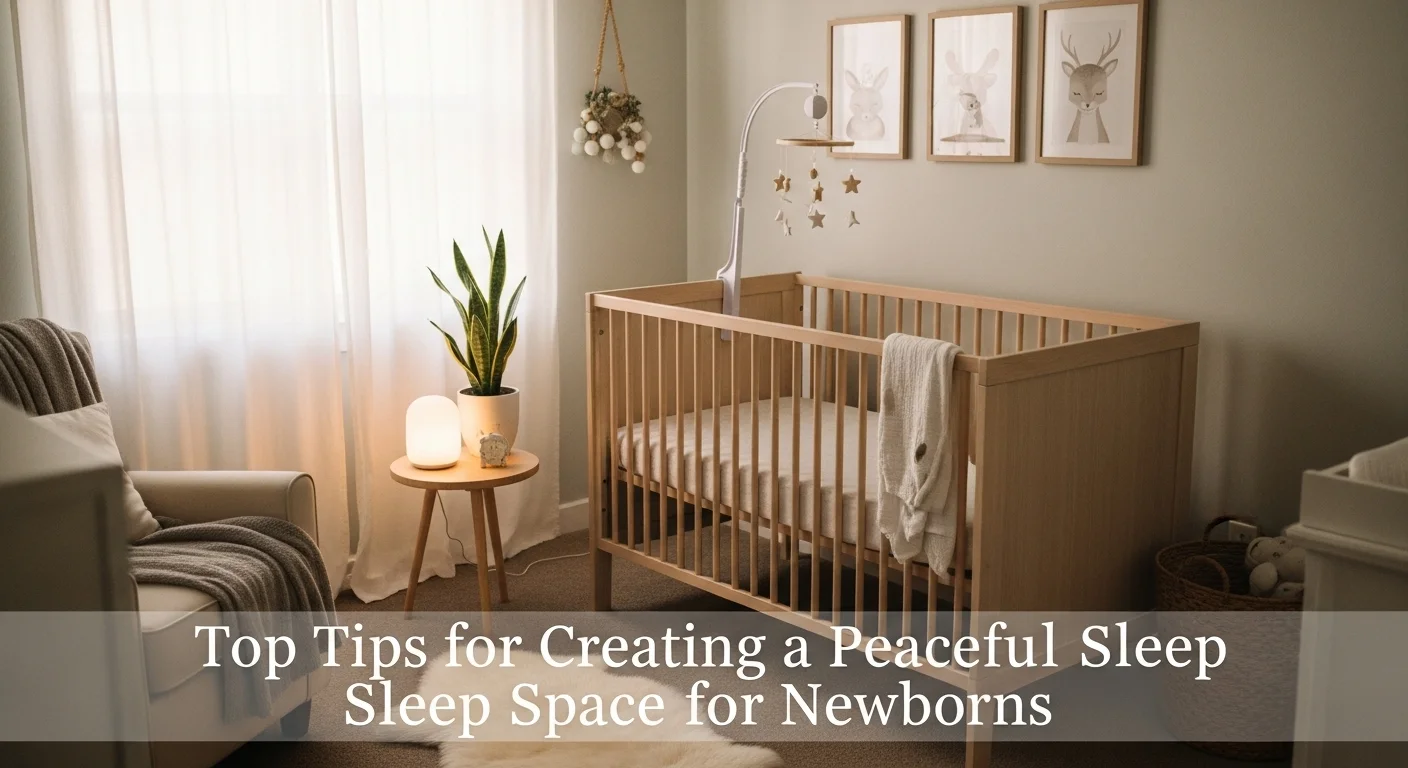
Personalizing my baby’s sleep space was one of the most enjoyable parts of preparing for their arrival. I wanted to create a room that reflected our family’s style while also being functional. I started by selecting a theme that felt right to me—something soft and welcoming. I loved the idea of a woodland theme, which allowed me to incorporate cute animal prints and earthy tones.
One of my favorite decor pieces ended up being a whimsical mobile that hung above the crib. I chose one with soft, felt animals that gently swayed with the air. Not only did it look adorable, but it also caught my baby’s attention during those awake moments. I found that a mobile could entertain them while also adding a touch of charm to the room.
Wall art was another great way for me to personalize the space. I found some lovely prints that featured calming animals and nature scenes. I framed a couple of my favorites and hung them at eye level. During those late-night feedings, I appreciated having something pleasant to look at, and I believe it contributed to the serene atmosphere I was aiming for.
Lastly, I made sure to include personal touches that connected to our family. I created a small photo gallery featuring our family members and a few sweet moments from my pregnancy. It added warmth to the room and made me feel connected to my loved ones, even when I was navigating the challenges of new parenthood.
Family Keepsakes and Their Benefits
Incorporating family keepsakes into my baby’s sleep space was an important way for me to weave our family history into their life. I included a quilt that my grandmother had made, which not only served as a beautiful decor piece but also provided a sense of comfort and connection to our family legacy. I always felt that having such meaningful items within my baby’s environment brought an added layer of love and warmth.
I also placed a framed photo of my parents when they were young, alongside a cherished photo of me as a baby. Sharing these glimpses of family history felt like they were part of our baby’s growing story. I believe it’s really special for children to be surrounded by reminders of their family’s love and heritage, even when they are too young to understand it fully.
Another keepsake I included was a handmade stuffed animal that had been passed down through generations. It was a safe item, placed on a shelf out of reach during sleep times, but it served as a comforting presence in the room. I often found myself talking to it while soothing my baby, which felt oddly reassuring during those sleep-deprived nights.
Maintaining a Clean and Organized Sleep Space
Regular Cleaning Tips
Keeping the sleep space clean and organized was something I quickly realized was essential. I learned that a tidy environment not only looks better but also contributes to a healthier atmosphere for my baby. I set a routine where I would do a quick cleaning every couple of days to ensure everything stayed fresh and safe.
I found that using natural cleaning products was key. I always chose non-toxic cleaners, especially when it came to surfaces my baby might touch. I would wipe down the crib, changing table, and any toys regularly to keep dust and allergens at bay. It felt good to know that I was providing a clean space without exposing my baby to harmful chemicals.
For the bedding, I made sure to wash everything weekly. I found that having a few sets of fitted sheets made it easy to rotate and keep things clean. I also learned to check for any signs of wear and tear on toys or decor regularly. If something seemed worn out, I would either repair or replace it to maintain a safe environment.
Decluttering Strategies
Decluttering was another vital aspect of keeping the sleep space organized. I noticed that the more items I had around, the more chaotic the environment felt. I made it a point to regularly assess what was necessary and what could be put away. I found that less is more when it came to baby items; focusing on essentials helped keep the space calm and inviting.
Storage solutions became my best friends. I invested in some stylish baskets and bins to neatly store toys and blankets. When everything had a designated spot, tidying up after playtime became a breeze. Plus, it helped maintain that serene atmosphere I was striving for.
I also kept a small, designated area for items that I used daily, like diapers and wipes, so I wouldn’t have to rummage through clutter when I needed them. Having everything organized not only simplified my routine but also made it easier for family members or caregivers to step in and help when needed.
Creating a Sleep Routine
Establishing a Consistent Sleep Schedule
One of the best pieces of advice I received as a new parent was to establish a consistent sleep schedule for my baby. I learned that newborns thrive on routine, and a predictable sleep pattern helps them feel secure and relaxed. At first, it felt overwhelming to keep track of everything, but I quickly found that simple consistency made a world of difference.
I decided to set regular nap times during the day and a specific bedtime in the evening. I started to notice my baby showing signs of sleepiness, like rubbing their eyes or getting fussy. Being attentive to these cues helped me adjust our schedule accordingly. In my experience, the more I adhered to this routine, the easier it became for my little one to fall asleep and stay asleep.
As the weeks went by, I appreciated how this routine allowed us both to anticipate sleep times. I felt more relaxed knowing that my baby was getting the rest they needed, and I could plan my day around their schedule. It’s amazing how something as simple as consistency can create so much harmony in our daily lives.
Bedtime Rituals that Work
Creating calming bedtime rituals became a cherished part of our nightly routine. I discovered that incorporating soothing activities helped signal to my baby that it was time to wind down. I started with a warm bath, which not only relaxed my baby but also became a soothing transition from playtime to sleep time.
Following the bath, I would dim the lights and read a soft bedtime story. I loved choosing gentle, rhythmic tales that created a sense of calm. I found that my baby often responded to the sound of my voice, and it became a bonding moment for us. As I read, I could see their eyelids getting heavier, which reassured me that we were on the right track.
After storytime, I would cuddle and rock my baby gently, singing lullabies or softly humming. This comforting ritual helped my baby associate these activities with sleep, making it easier for them to fall asleep peacefully. I always felt a sense of fulfillment during these moments, knowing I was establishing a loving routine that would support their development.
Common Mistakes to Avoid
Over-Stimulation in the Sleep Space
One mistake that I made early on was over-stimulating the sleep space. I had initially decorated the nursery with lots of colorful toys and flashy decor, thinking it would be fun and engaging. However, I soon realized that too much visual stimulation could actually disrupt my baby’s ability to relax and sleep well.
To remedy this, I decided to simplify the decor and focus on calming elements. I stored away toys that weren’t needed during sleep times and replaced them with softer, more soothing items. This change made a noticeable difference in the atmosphere of the room. I found that creating a minimalistic vibe allowed my baby to settle down more easily.
Ignoring Safety Guidelines
Safety should always be a top priority when designing a sleep space. I remember feeling overwhelmed by the number of recommendations out there, and it was tempting to overlook some of the guidelines. However, I quickly learned that taking shortcuts could put my baby at risk.
I made it a point to stay informed and adhere to the best practices recommended by pediatricians. This included ensuring my baby slept on their back, keeping the crib free of any soft objects, and regularly checking that the crib met all safety standards. Following these guidelines not only protected my baby but also gave me peace of mind as a parent.
Neglecting Environmental Factors
In my journey, I also realized that environmental factors can greatly influence sleep quality. For a while, I didn’t pay much attention to the noise levels around the nursery and how they affected my baby’s sleep. It wasn’t until I noticed my little one waking up at the slightest creak or sound that I understood the importance of noise control.
I invested in sound machines and made efforts to minimize outside noise. I also learned to be mindful of the lighting and temperature, ensuring that everything was conducive to a restful sleep environment. Addressing these environmental factors transformed our sleep routine, making it significantly easier for my baby to relax and sleep through the night.
Final Thoughts
Creating a peaceful sleep space for my newborn was an enriching journey filled with learning and discovery. From establishing a soothing atmosphere to personalizing the room with meaningful touches, I found joy in every step of the process. I’ve learned that a well-prepared sleep environment positively impacts not just my baby’s sleep but our entire family’s well-being.
As I reflect on this experience, I encourage all parents to invest time and effort into their newborn’s sleep space. By following safety guidelines, creating a calming routine, and keeping the environment organized and serene, we can foster a nurturing atmosphere that supports our little ones’ growth and development. Through this journey, I realized that a peaceful sleep space is not just about the physical elements but also about the love, care, and intention we put into creating it. Read Interesting article: Expert Tips for Resolving Frequent Newborn Sleep Challenges
Frequently Asked Questions
Why is a sleep environment important for newborns?
A peaceful sleep space can significantly reduce fussiness and help with longer sleep stretches. It directly influences the baby’s mood and behavior, fostering relaxation that makes it easier for them to drift off and stay asleep longer.
What room temperature is recommended for a newborn’s sleep space?
The recommended room temperature for a newborn’s sleep space is between 68°F and 72°F. This helps ensure the baby is neither too hot nor too cold, which can disrupt their sleep.
How can lighting affect a newborn’s sleep?
Dimming the lights as bedtime approaches signals to the baby that it’s time to wind down. Using blackout curtains can help keep the room dark during daytime naps, promoting longer and more sound sleep.
What are some effective noise control strategies for a newborn’s sleep space?
Investing in a white noise machine can help mimic the sounds the baby heard in the womb, making it easier for them to relax. Additionally, minimizing outside noise with soft music or nature sounds can create a soothing ambiance.
What safety guidelines should be followed for newborn sleep?
The American Academy of Pediatrics (AAP) recommends that babies sleep on their backs for all sleep times to reduce the risk of Sudden Infant Death Syndrome (SIDS). The sleep area should also be free of soft objects, toys, or loose bedding.
What features should a crib or bassinet have for safety?
A crib should meet safety standards set by the Consumer Product Safety Commission (CPSC), have slats no more than 2¾ inches apart, and offer adjustable mattress heights to prevent the baby from climbing out as they grow.
How can parents create a soothing atmosphere in the nursery?
Using soft, muted colors like pale blues or greens promotes calmness. Incorporating natural materials and soft textures, such as organic cotton rugs and blankets, can also enhance the soothing atmosphere.
What are some strategies for maintaining a clean sleep space?
Regular cleaning routines, using non-toxic cleaners, and washing bedding weekly are essential for keeping the sleep space clean. Decluttering and having designated storage for baby items can also help maintain organization.
What are some effective bedtime rituals for newborns?
Creating calming bedtime rituals, such as giving a warm bath, reading a soft bedtime story, and cuddling while singing lullabies, can help signal to the baby that it’s time to wind down for sleep.
What common mistakes should parents avoid when creating a sleep space?
Parents should avoid over-stimulating the sleep space with too many colorful toys or flashy decor, neglecting safety guidelines, and ignoring environmental factors like noise and lighting that can influence sleep quality.