
Creating a flexible homeschool curriculum can be an exciting journey, allowing us to tailor education to fit our children’s unique needs and interests. Let’s explore how to build a successful and adaptable learning experience! Read Interesting article: Create an Engaging Homeschool Curriculum on a Budget
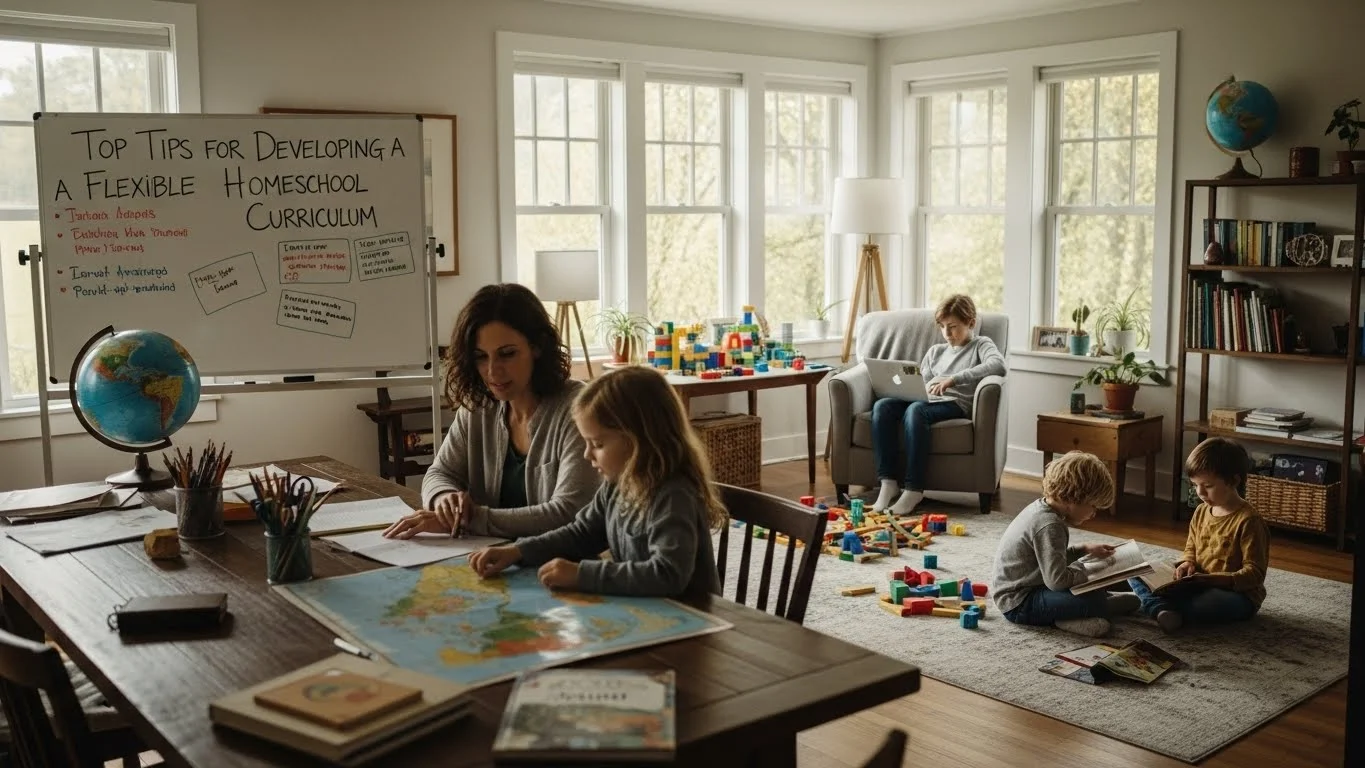
Understanding Flexible Homeschool Curriculum
Definition of Flexible Homeschool Curriculum
When I first started homeschooling, I wasn’t entirely sure what a flexible curriculum meant. To me, a flexible homeschool curriculum is one that can adapt to the changing needs of our children and family circumstances. Unlike traditional schooling, where the same schedule and curriculum are followed rigidly, a flexible approach encourages us to adjust learning paths based on our child’s interests, learning pace, and even external events. This means we can switch subjects, incorporate real-life experiences, or slow down when needed, all while keeping our children engaged and motivated.
Benefits of a Flexible Approach
From my experience, the benefits of a flexible homeschool curriculum are numerous. First and foremost, it allows for personalized learning. Each child learns differently, and having the ability to modify lessons according to their interests and strengths can significantly enhance their understanding and retention of material. For instance, when my daughter expressed interest in marine biology, we dove deep into related books, documentaries, and even virtual tours of aquariums, making her learning experience much richer.
Another significant advantage is the ability to integrate life skills into our lessons. Whether it’s cooking, gardening, or budgeting, a flexible curriculum can help us teach essential skills alongside traditional subjects. I remember one week we decided to focus on budgeting by planning a family dinner. We not only learned about math but also about decision-making and responsibility.
Flexibility also means we can adjust our schedule to fit our family’s lifestyle. If a family event pops up or if my kids are feeling under the weather, I can easily shift lessons around. This adaptability reduces stress for both me and my children, allowing us to enjoy the learning process more fully. As a bonus, it also helps foster a love for learning that I believe is vital for lifelong success. Read Interesting article: Attachment Styles Explained: Strengthening Your Parenting Bond
Common Misconceptions About Homeschooling
Despite the wonderful advantages of homeschooling, I’ve often encountered misconceptions that can deter parents from considering this path. One common belief is that homeschooling is isolating. While it can be if we don’t seek out community, I’ve found that there are countless opportunities to connect with other families through co-ops, clubs, and online forums. In fact, my kids have made some great friends through our local homeschool network!
Another misconception is that we need to replicate a traditional classroom environment at home. I used to think that meant having a designated classroom space with desks and formal lessons. However, I quickly learned that learning can happen anywhere—whether we’re at the kitchen table, outside in the garden, or on a field trip. The key is to create a learning environment that feels comfortable and inspiring for our kids.
Lastly, many people believe that homeschooling requires a teaching degree or extensive knowledge in every subject. While it’s helpful to be organized and motivated, I’ve realized that we can learn alongside our kids. There are so many resources available, including online courses and educational materials, that can guide us through any subject we might not feel confident teaching. Embracing this journey together has been one of the most rewarding aspects of our homeschooling experience.
Key Components of a Flexible Homeschool Curriculum
Core Subjects: Math, Science, Language Arts, and Social Studies
To build a flexible curriculum, it’s essential to have a solid foundation in core subjects. For me, math, science, language arts, and social studies are the pillars of our education. I like to ensure that we cover these areas, but how we do so can change based on our children’s interests. For example, during a unit on social studies, we might explore a country’s culture through cooking its traditional dishes or practicing its language, making the subject come alive.
Integrating Electives and Life Skills
Electives are a fantastic way to keep learning fun and engaging. I’ve found that including subjects like art, music, or technology can spark creativity and enthusiasm in my children. We also weave in life skills, like cooking or basic car maintenance, into our daily activities. Recently, I taught my kids how to bake bread, and not only did they learn about measurements and following instructions, but they also enjoyed the delicious results together.
Incorporating Technology and Online Resources
Technology has transformed the way we approach education. I’ve seen firsthand how online resources can enhance our curriculum. Websites like Khan Academy or educational YouTube channels offer great lessons that we can use to supplement our teaching. Plus, incorporating technology into our lessons has helped my kids become more comfortable with digital tools, which I believe is crucial for their future.
Utilizing Community Resources and Field Trips
One of my favorite parts of homeschooling is taking advantage of community resources. Local museums, libraries, and even parks can provide valuable learning experiences. Field trips can turn a regular lesson into an adventure. I remember planning a day trip to a historical site; the kids were so engaged, asking questions and exploring, much more than if we had just read about it in a textbook. These real-world experiences are invaluable and help solidify their learning in a way that feels meaningful.
Steps to Develop a Flexible Homeschool Curriculum
Assessing Your Child’s Learning Style and Needs
One of the first steps I took in developing our flexible homeschool curriculum was to assess my children’s individual learning styles and needs. I realized that my kids are unique; they absorb information differently. For instance, my son, who is very hands-on, thrives on experiments and activities. Meanwhile, my daughter often prefers reading and discussing concepts before jumping into practice.
To better understand their learning preferences, I experimented with various teaching methods. I observed how they reacted to different subjects and activities. For example, during our science lessons, I noticed my son’s eyes lighting up during a simple experiment with baking soda and vinegar. On the other hand, my daughter loved diving into books about the solar system and then sharing what she learned with us. This was a real eye-opener for me, helping me tailor our curriculum to fit their unique needs.
Setting Educational Goals and Objectives
Next, I found it essential to set clear educational goals and objectives. I think this is a crucial step in creating a roadmap for our learning journey. It helps keep us focused while still allowing for flexibility. I involved my kids in this process, asking them what they wanted to learn and what skills they hoped to develop. This not only empowered them but also sparked their enthusiasm for learning.
We decided on several broad goals, such as improving their critical thinking skills, enhancing their creativity, and fostering independence. From there, I broke those down into smaller, manageable objectives. For instance, if we aimed to improve critical thinking, we incorporated activities like problem-solving games and discussions about different viewpoints on current events. This collaborative goal-setting experience made learning feel like a team effort, and it also ensured that my kids were invested in their education.
Selecting Curriculum Materials and Resources
When it came to selecting curriculum materials, I realized that a one-size-fits-all approach wouldn’t work. I spent time researching various resources—textbooks, online courses, and hands-on activities—while keeping my children’s interests and goals in mind. I felt it was vital to include diverse materials that catered to different learning styles.
For example, when we tackled a history unit, I chose a mix of documentaries, engaging novels, and interactive websites to keep things exciting. I also made sure to incorporate practical activities, like visiting historical sites or reenactments, which deepened their understanding of the material. I love that we could explore these topics in a way that felt real and relevant to their lives.
Creating a Daily and Weekly Schedule
Creating a flexible daily and weekly schedule was an exciting yet challenging aspect of our homeschool journey. I wanted to find a balance that provided structure without feeling too rigid. I began by drafting a rough schedule that included time for core subjects, electives, and plenty of breaks.
One thing I found helpful was to build in “flex days” where we could explore topics that sparked our interest or catch up on lessons. This way, if my kids were particularly excited about a subject, we could dedicate more time to it without the pressure of adhering to a strict timeline. Additionally, I allowed for spontaneous learning opportunities, like a nature walk that led to discussions about ecosystems, which I believe added a valuable layer to our learning experience.
Every week, we would sit down together and review the schedule. If something wasn’t working, we could tweak it on the fly. This collaborative approach not only encouraged ownership but also allowed us to adapt quickly to unexpected events, like a fun family outing or a last-minute playdate. I found that this adaptability made our learning environment more enjoyable and less stressful.
Adapting Curriculum for Different Learning Styles
Understanding Visual, Auditory, and Kinesthetic Learners
As I continued to develop our flexible curriculum, I paid close attention to the different learning styles—visual, auditory, and kinesthetic. I believe recognizing these styles is key in helping my children thrive. For my son, who is a kinesthetic learner, I incorporated more hands-on activities into our lessons, like building models or conducting experiments.
For my daughter, who leans more towards being a visual learner, I used charts, diagrams, and videos. I found that integrating visual aids helped her grasp concepts better and kept her engaged. It was fascinating to see how these small adjustments made a significant difference in their understanding and retention of material.
Strategies for Differentiated Instruction
I also embraced strategies for differentiated instruction, which allowed me to tailor lessons for each child while covering the same topic. I remember a time when we were studying the water cycle. While I provided my daughter with a detailed reading assignment and a visual presentation to create, I set my son up to recreate the water cycle through a hands-on experiment using a clear container, water, and a heat source.
This approach not only catered to their learning preferences but also encouraged them to work together and share their findings. I felt it was an excellent way to foster collaboration and peer learning, bringing them closer while enhancing their understanding of the subject matter.
Using Multisensory Approaches in Learning
Finally, I discovered that using multisensory approaches could transform lessons into rich, engaging experiences. Whether it was through incorporating music, movement, or art, I noticed my children became more excited and invested in learning. For example, during a lesson on the ocean, we created a mural together, combining art and science. It was amazing to see them recall facts about marine life while being actively involved in the creative process. This multisensory approach has not only made learning more enjoyable but also more effective.
Incorporating Flexibility in Scheduling
Benefits of a Non-Traditional Schedule
One of the most liberating aspects of homeschooling, for me, is the ability to embrace a non-traditional schedule. I remember feeling a sense of relief when I realized that we didn’t have to follow the typical school hours. This flexibility allowed us to plan our days around our family’s rhythms and commitments. For instance, I found that my kids tend to be more focused in the late morning, so we schedule core subjects during that time and save more creative or hands-on activities for the afternoons when their energy starts to wane.
Additionally, we can take advantage of quiet mornings for focused learning and reserve afternoons for field trips or outdoor exploration. This approach not only accommodates our family life but also helps keep the kids engaged and motivated. I’ve noticed that when they’re allowed to learn at their best times, they absorb information more effectively, and the stress of a rigid schedule melts away.
Balancing Structured Learning with Unstructured Time
Finding the right balance between structured learning and unstructured time has been a key part of our homeschool journey. I discovered that while having a plan is essential, leaving room for spontaneous learning experiences is just as vital. There have been many times when a simple walk in the neighborhood turned into a lesson on local wildlife or the changing seasons. I truly believe that kids learn best when they’re curious and excited, and unstructured time often fosters that curiosity.
To achieve this balance, I try to plan our week with a mix of both. For example, we might have structured lessons in the mornings, but I always leave our afternoons open for exploration, whether that’s through visiting a museum, reading books that pique their interest, or simply playing outside. I’ve found that this blend not only keeps the learning experience fresh and dynamic but also encourages my children to take ownership of their education.
Adjusting Curriculum Based on Life Events and Changes
Life is unpredictable, and I’ve learned that our curriculum should reflect that reality. Whether it’s a family event, a sudden illness, or even just a bad weather day, being adaptable has made our homeschooling experience much smoother. I remember when we had a family emergency that required us to shift our focus for a few weeks. Instead of sticking rigidly to our curriculum, we embraced the opportunity to learn about the situation and its implications, turning it into a valuable lesson in empathy and resilience.
When unexpected changes occur, I take a moment to assess what’s essential and what can be adjusted. Often, this means prioritizing emotional well-being and allowing for a lighter schedule. I also believe that these life events can lead to some of the most profound learning opportunities. For instance, when we had to care for a sick relative, my kids learned about health, compassion, and the importance of family support. This ability to adjust our curriculum not only keeps things relevant but also strengthens our family bond.
Resources for Building a Flexible Homeschool Curriculum
Online Platforms and Curriculum Guides
One of the best parts of homeschooling today is the plethora of online resources available to us. I’ve spent countless hours exploring various platforms and curriculum guides that cater to flexible learning. Websites like Teachers Pay Teachers and Education.com offer a treasure trove of materials that can be tailored to fit our unique curriculum. I’ve found everything from engaging worksheets to comprehensive lesson plans that align with my kids’ interests.
Additionally, many online platforms provide courses and video lessons that supplement our teaching. For example, we’ve utilized platforms like Outschool, which offers live classes on a wide range of subjects taught by passionate educators. These resources have not only enriched our curriculum but have also exposed my kids to diverse teaching styles and subjects we might not have explored otherwise. Read Interesting article: Travel-Friendly Remedies for Diaper Rash Relief
Books and Literature for Homeschooling
Books have always been a cornerstone of our learning journey. I love visiting the library and discovering new titles that can ignite my children’s imaginations. We often create themed reading lists based on our current studies, and I encourage my kids to select books that pique their interest. This practice not only enhances their literacy skills but also cultivates a love for reading.
I also recommend looking into homeschooling literature that can offer insights and strategies. There are many great books about flexible homeschooling, child development, and educational philosophies that have inspired my approach. I’ve found that reading about the experiences of other homeschooling families can provide fresh ideas and motivate me on days when I need a little extra encouragement.
Support Groups and Online Communities
The journey of homeschooling can sometimes feel isolating, but being part of support groups and online communities has made a world of difference for me. I joined several local homeschooling groups where we share resources, plan field trips, and support each other through challenges. It’s comforting to connect with other parents who understand the ups and downs of this journey.
Online communities, such as Facebook groups or forums dedicated to homeschooling, are also fantastic for sharing ideas and asking for advice. I remember when I was struggling to find resources for a specific subject; a fellow homeschooling parent pointed me to an incredible online course that turned out to be a perfect fit. The collective wisdom and support from these groups can be invaluable, and they remind me that I’m not alone in this adventure.
Frequently Asked Questions
What is a flexible homeschool curriculum?
A flexible homeschool curriculum is one that adapts to the changing needs of children and family circumstances, allowing for adjustments in learning paths based on children’s interests, learning pace, and external events.
What are the benefits of a flexible homeschool curriculum?
Benefits include personalized learning tailored to each child’s strengths and interests, integration of life skills alongside traditional subjects, and the ability to adjust schedules to fit family lifestyles, reducing stress and fostering a love for learning.
What are some common misconceptions about homeschooling?
Common misconceptions include the belief that homeschooling is isolating, that it requires replicating a traditional classroom environment, and that teaching degrees or extensive subject knowledge are necessary. In reality, learning can occur in various environments and parents can learn alongside their children.
What core subjects are essential in a flexible homeschool curriculum?
Core subjects include math, science, language arts, and social studies, which can be taught in various ways based on children’s interests. For example, cultural studies can involve cooking traditional dishes from different countries.
How can life skills be incorporated into a homeschool curriculum?
Life skills can be integrated through practical activities, such as cooking, gardening, or budgeting, which can teach essential skills alongside traditional subjects, making learning more relevant and enjoyable.
What strategies can be used to adapt curriculum for different learning styles?
Understanding visual, auditory, and kinesthetic learners allows for tailored lessons. For instance, visual learners benefit from charts and videos, while kinesthetic learners thrive on hands-on activities, ensuring all children engage with the material effectively.
What role do community resources and field trips play in homeschooling?
Community resources, such as museums and libraries, provide valuable learning experiences through field trips that make lessons more engaging and help solidify understanding in a real-world context.
How can parents set educational goals for their homeschool curriculum?
Parents can set educational goals by involving their children in the process, discussing what they want to learn, and breaking down broad goals into smaller, manageable objectives to keep the learning journey focused yet flexible.
What are some online resources for building a flexible homeschool curriculum?
Online platforms like Teachers Pay Teachers and Education.com offer tailored materials, while platforms like Outschool provide live classes on various subjects, enriching the curriculum with diverse teaching styles and interests.
How can support groups and online communities benefit homeschooling families?
Support groups and online communities provide a sense of connection, allowing parents to share resources, plan activities, and gain advice from others who understand the challenges and rewards of homeschooling.