
Managing hazardous materials at home is crucial for safety and well-being. Many of us may not realize the potential dangers lurking in our kitchens, garages, and basements. Let’s dive into understanding these materials better. Read Interesting article: Top Safe Sleep Practices for Your Backpacking Baby
Understanding Hazardous Materials
Definition of Hazardous Materials
I remember the first time I stumbled across the term “hazardous materials.” It sounded intimidating, but it simply refers to substances that can pose risks to health, property, or the environment. These materials can be toxic, flammable, corrosive, or reactive. It’s important to recognize that many everyday items in our homes fall into this category, making it essential for us to manage them properly.
Types of Hazardous Materials Commonly Found at Home
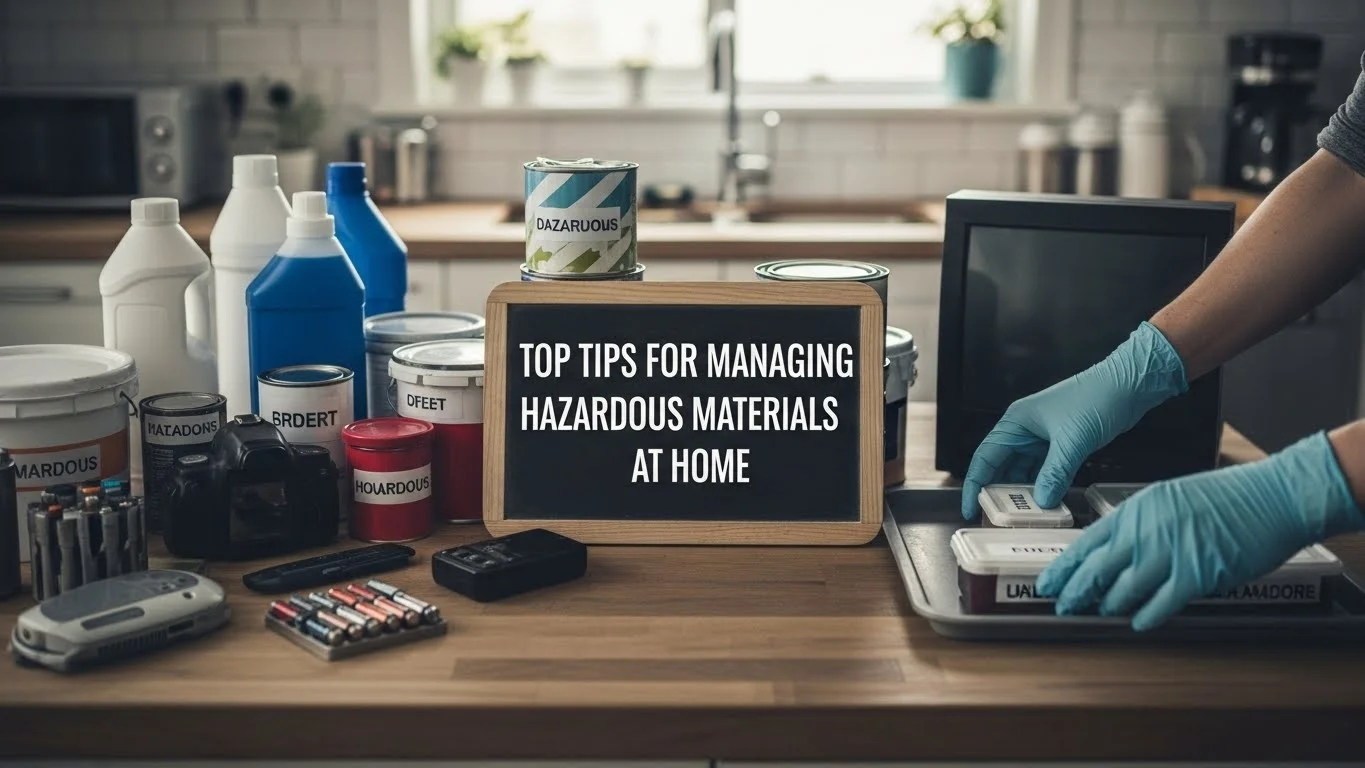
As I began to look around my own home, I was surprised at how many hazardous materials I had on hand. Here are some common types:
- Household Cleaners: Many cleaning products contain strong chemicals that can be harmful if ingested or inhaled.
- Pesticides: These can be toxic to humans and pets, especially if used improperly.
- Paints and Solvents: Items like paint thinners and solvents can release harmful fumes.
- Automotive Products: Motor oil, antifreeze, and batteries are hazardous and require careful handling.
- Medications: Expired or unused medications can be dangerous if not disposed of correctly.
Health Risks Associated with Hazardous Materials
Understanding the health risks associated with these materials has been eye-opening for me. Exposure to hazardous substances can lead to serious health issues, such as:
- Respiratory Problems: Inhaling fumes from cleaners or paints can cause breathing difficulties and long-term respiratory illnesses.
- Skin Irritations: Many chemicals can cause rashes or burns upon contact with skin.
- Poisoning: Accidental ingestion of household cleaners or pesticides can lead to severe poisoning, especially in children and pets.
- Long-term Health Effects: Prolonged exposure to certain chemicals may increase the risk of serious conditions, including cancer.
I’ve learned that taking the time to understand these risks not only protects us but also helps keep our loved ones safe. Awareness is the first step toward effective management.
Proper Storage of Hazardous Materials
Choosing the Right Containers
One of the first things I did when I started managing hazardous materials at home was to invest in proper containers. It may seem simple, but choosing the right container can make a huge difference. I recommend using original packaging whenever possible, as it often comes with safety information. For items that need to be transferred, using containers specifically designed for hazardous materials is essential. These are usually made from materials that can withstand the substance’s properties, preventing leaks and spills.
Labeling Hazardous Materials
Labeling has been another critical aspect of my experience. Every time I open a cabinet and see clearly marked labels, I feel a sense of relief. I make sure to include the contents, any warnings, and the date of purchase or transfer. This practice not only helps in identifying the materials quickly but also in monitoring expiration dates. I can’t stress enough how important it is to avoid using unmarked containers; it’s a recipe for disaster!
Designating a Safe Storage Area
Creating a designated storage area for hazardous materials has been a game changer for me. I chose a spot away from children’s reach and well-ventilated to minimize any risks. It’s essential to ensure this area is cool and dry, as temperature extremes can affect the stability of certain materials. I also keep this area organized, with all materials stored upright to prevent leaks or spills.
Temperature and Ventilation Considerations
Speaking of temperature, I’ve found that temperature and ventilation play a significant role in safe storage. For me, ensuring that hazardous materials are kept at an appropriate temperature has been crucial. Extreme heat can cause some substances to become unstable or even explode. I always check the manufacturer’s recommendations regarding storage conditions. Good ventilation helps prevent the buildup of harmful fumes, which is especially important in enclosed areas like garages or basements.
As I’ve navigated the world of hazardous materials at home, I’ve realized that taking these steps not only protects me but also my family and pets. By understanding what hazardous materials are, how to store them properly, and the health risks associated with them, we can create a safer living environment for everyone. It’s a journey worth taking, and I encourage you to join me in this effort. Read Interesting article: Balanced Meals: Perfect Portion Control for Kids
Safe Handling Practices
Personal Protective Equipment (PPE) Recommendations
When I first started dealing with hazardous materials, I didn’t think much about the importance of personal protective equipment, or PPE. But the more I learned, the more I realized how vital it is to protect ourselves while handling these substances. I found that even simple tasks, like pouring a cleaning solution, can expose us to harmful chemicals.
For me, wearing gloves was an absolute must. I usually opt for rubber or nitrile gloves, which create a solid barrier against chemicals. I’ve also started using goggles when working with sprays or items that can produce fumes. It might feel a bit over the top, but I can’t tell you how many times I’ve been grateful for that extra layer of protection! Lastly, I recommend using a mask whenever I’m dealing with powders or strong-smelling substances. It’s all about minimizing exposure and keeping ourselves safe.
Techniques for Safe Handling
Learning about safe handling techniques has been a game changer for me. I’ve developed a routine that helps me manage hazardous materials with confidence. First and foremost, I always read the label before using any product. This step is crucial, as it informs me about any specific precautions or instructions I need to follow.
One thing I’ve found helpful is to keep the work area clean and free of clutter. It reduces the chances of spills and accidents. I also try to work in a well-ventilated space, especially when using products that emit fumes. I remember a time when I was using paint thinner in a poorly ventilated area, and I quickly realized how important proper ventilation really is.
Another key technique I’ve adopted is to never mix different hazardous materials. I used to think that combining products might enhance their cleaning power, but I learned the hard way that it can create dangerous reactions. Now, I keep all hazardous materials organized and separate, making it easy to avoid any accidental combinations.
Understanding Material Safety Data Sheets (MSDS)
It wasn’t until I got more involved in managing hazardous materials that I discovered the importance of Material Safety Data Sheets (MSDS). These sheets provide essential information about the properties of a chemical, including hazards, handling instructions, and emergency measures. I remember the first time I actually looked at an MSDS; it was eye-opening. The details offered in these sheets can help us understand how to work safely with hazardous materials.
Now, I make it a habit to review the MSDS for any product I use. It’s surprising how much information is out there, and having that knowledge empowers me to handle these materials confidently. If a product doesn’t have an MSDS readily available, I avoid using it altogether. For me, it’s better to be safe than sorry!
Disposal of Hazardous Materials
Local Regulations on Hazardous Waste Disposal
As I became more aware of hazardous materials, I realized that proper disposal is just as important as safe handling and storage. Many people don’t know that there are local regulations governing the disposal of hazardous waste. I found it helpful to research the rules in my area, as they can vary significantly from one place to another.
One of the first things I learned was that some materials can’t simply be thrown in the regular trash. For instance, items like batteries and certain electronic waste require special disposal methods. I recommend checking with local waste management facilities or government websites to find out the specific regulations in your area. It’s comforting to know that there are guidelines to prevent hazardous materials from harming the environment.
Safe Disposal Methods for Different Types of Materials
When it comes to disposing of hazardous materials, I’ve discovered that different items have different disposal methods. For example, I’ve learned that expired medications should never be flushed down the toilet or thrown in the trash. Instead, many pharmacies offer take-back programs, which I find incredibly convenient. I always take the time to remove personal information from containers before disposal to ensure privacy.
For paint and solvents, I’ve found it best to check for local hazardous waste collection days. Many communities organize special events where residents can drop off these materials safely. I try to plan my cleaning projects around these events so I can dispose of any hazardous waste responsibly.
For automotive products like motor oil, I’ve learned that many auto shops will accept used oil for recycling. It’s great to see how many options are available for safe disposal if we just look for them.
Recycling Options for Hazardous Materials
Recycling hazardous materials might seem like a daunting task, but I’ve found it to be quite manageable once I understood my options. In many areas, there are recycling programs specifically for items like batteries, electronics, and fluorescent bulbs. I’ve made it a point to keep a designated container at home for recyclables, and it’s been a fantastic way to keep hazardous waste organized.
I also try to stay informed about local workshops or community events focused on recycling hazardous materials. It’s amazing how many resources are out there if we’re willing to seek them out. I feel good knowing that by recycling, I’m not only keeping hazardous materials out of landfills but also contributing to a healthier planet. Read Interesting article: Travel Tips: Enhance Emotional Bonding While Backpacking
Emergency Preparedness
Creating an Emergency Response Plan
When I first started taking hazardous materials seriously, I realized that having an emergency response plan was essential. It’s not something we often think about until we’re faced with a situation, but trust me, being prepared can make a world of difference. I sat down and outlined steps to take in case of an emergency involving hazardous materials.
First, I identified potential hazards in my home. I made a list of products I had that could be dangerous, like cleaning supplies and pesticides, and noted their locations. This way, if there was ever a need to act quickly, I wouldn’t waste time trying to remember where everything was stored.
Next, I established clear procedures for what to do in case of a spill, fire, or exposure. I included details on who to call—like local poison control or emergency services—and the specific information I would need to provide. Having this plan written down and accessible helped me feel more in control. I even shared it with my family, so they knew what to do in case of an emergency.
Essential Emergency Supplies to Have on Hand
As I continued to learn about hazardous materials, I discovered that having the right emergency supplies on hand is crucial. I took some time to gather items that would be useful in the event of an accident. One of the first things I added to my emergency kit was a basic first aid kit. This kit includes bandages, antiseptic wipes, and specific treatments for chemical burns or exposures.
I also learned the importance of having absorbent materials, like kitty litter or special spill kits, which are designed for hazardous substances. These can help contain spills quickly, minimizing risk. With that, I made sure to keep some protective gear, like gloves, goggles, and masks, in my emergency supplies, so they’re easily accessible when needed.
Additionally, I made sure to include a flashlight and batteries, so if there’s an incident that causes a power outage, I can still see what I’m doing. I found that having a whistle is a good idea, too; in case I need to signal for help or alert someone in the vicinity, it can be a handy tool. It’s all about being prepared, and I feel much safer knowing I have these supplies ready to go.
What to Do in Case of a Spill or Exposure
Despite all precautions, accidents can happen, and knowing what to do in case of a spill or exposure is vital. I’ve learned to stay calm and act quickly if something goes wrong. For instance, if I spill a hazardous material, my first step is to evacuate anyone nearby to ensure their safety.
Next, I would assess the situation and determine if it’s something I can handle or if I need to call for help. If the spill is contained and small, I use absorbent materials to clean it up, following the instructions from the Material Safety Data Sheet (MSDS) for that particular product. I always wear my PPE during this process to protect myself from any harmful exposure.
In the event of exposure, like skin contact or inhalation of fumes, I’ve learned the importance of acting fast. Rinsing the affected area with water or moving to fresh air can make a significant difference. I keep the contact number for poison control on hand, so I can reach out for immediate advice if needed. It’s all about knowing the right steps to take and being prepared to act quickly.
Education and Awareness
Resources for Learning About Hazardous Materials
Throughout my journey of understanding hazardous materials, I’ve discovered numerous resources that have been incredibly helpful. One of my go-to sources has been the Environmental Protection Agency (EPA) website. Their guidelines provide comprehensive information on various hazardous substances, safety measures, and disposal methods.
I’ve also found many online courses and webinars focused on hazardous materials management. Participating in these has allowed me to deepen my knowledge and connect with others who share similar concerns. Libraries often have books and pamphlets dedicated to home safety and hazardous materials, which can be a great starting point for anyone looking to learn more.
Local health departments and environmental agencies also offer community resources. I remember attending a workshop organized by my local agency, where experts shared valuable insights on safe handling and disposal practices. These experiences not only informed me but also made me feel part of a larger community committed to safety.
Community Programs and Workshops
Engaging with community programs has been a rewarding part of my education on hazardous materials. Many neighborhoods host events focused on safety and environmental awareness, which I’ve found to be an excellent opportunity to learn and share information. I attended a local hazardous waste collection event, which was a great way to not only dispose of unwanted materials but also to ask questions and gain insights from professionals.
Some organizations even offer workshops on safe cleaning practices and the impact of household chemicals on health and the environment. I remember feeling empowered after one of these sessions, having learned practical tips I could apply directly in my home. Connecting with others in the community who care about these issues has been inspiring and has helped me feel less alone in my efforts to create a safer living space.
Staying Informed on New Regulations and Best Practices
As I navigated the world of hazardous materials, I realized that staying informed about new regulations and best practices is essential. I signed up for newsletters from local environmental agencies and national organizations focused on safety. This way, I receive updates directly in my inbox, letting me know about any changes in laws or guidelines regarding hazardous materials.
I also make it a point to follow relevant social media accounts and join online forums where people discuss these topics. I’ve found that these platforms provide not only information but also a sense of community. I can ask questions, share experiences, and learn from others who are also working to manage hazardous materials responsibly.
Staying informed gives me the confidence to continually improve my practices at home. It’s a journey, and I believe that the more we know, the better we can protect ourselves and our environment.
Frequently Asked Questions
What are hazardous materials?
Hazardous materials are substances that can pose risks to health, property, or the environment. These materials can be toxic, flammable, corrosive, or reactive, and many everyday items in our homes fall into this category.
What common types of hazardous materials can be found at home?
Common types of hazardous materials found at home include household cleaners, pesticides, paints and solvents, automotive products, and expired or unused medications.
What health risks are associated with hazardous materials?
Health risks associated with hazardous materials include respiratory problems, skin irritations, poisoning from accidental ingestion, and long-term health effects such as an increased risk of cancer from prolonged exposure.
How should hazardous materials be stored?
Hazardous materials should be stored in proper containers, preferably their original packaging, labeled clearly with contents and warnings, in a designated safe storage area that is cool, dry, and well-ventilated.
What personal protective equipment (PPE) is recommended when handling hazardous materials?
Recommended PPE includes rubber or nitrile gloves, goggles when working with sprays or fumes, and masks when dealing with powders or strong-smelling substances to minimize exposure to harmful chemicals.
What should be done in case of a spill or exposure to hazardous materials?
In case of a spill, the first step is to evacuate anyone nearby, assess the situation, and if manageable, clean it up using absorbent materials while wearing PPE. For exposure, it is crucial to rinse the affected area or move to fresh air and contact poison control if needed.
How can hazardous materials be disposed of safely?
Hazardous materials should not be thrown in regular trash. Local regulations govern their disposal, and items like expired medications can often be taken to pharmacies for safe disposal. Many communities have hazardous waste collection days for safe disposal of paints and automotive products.
Are there recycling options for hazardous materials?
Yes, many areas offer recycling programs for items such as batteries, electronics, and fluorescent bulbs. Keeping a designated container for recyclables at home can help organize hazardous waste for recycling.
What resources are available for learning about hazardous materials?
Resources include the Environmental Protection Agency (EPA) website, online courses and webinars, local health departments, and community workshops that focus on hazardous materials management and safety practices.
How can I stay informed about new regulations regarding hazardous materials?
You can stay informed by signing up for newsletters from local environmental agencies, following relevant social media accounts, and participating in online forums where discussions about hazardous materials take place.