
Separation anxiety in babies can be a challenging phase for both parents and little ones. Understanding how to navigate this emotional journey can make all the difference in creating a secure environment for your child. For more insights on developmental phases, check out Essential Social Milestones for Your Baby’s First Trips.
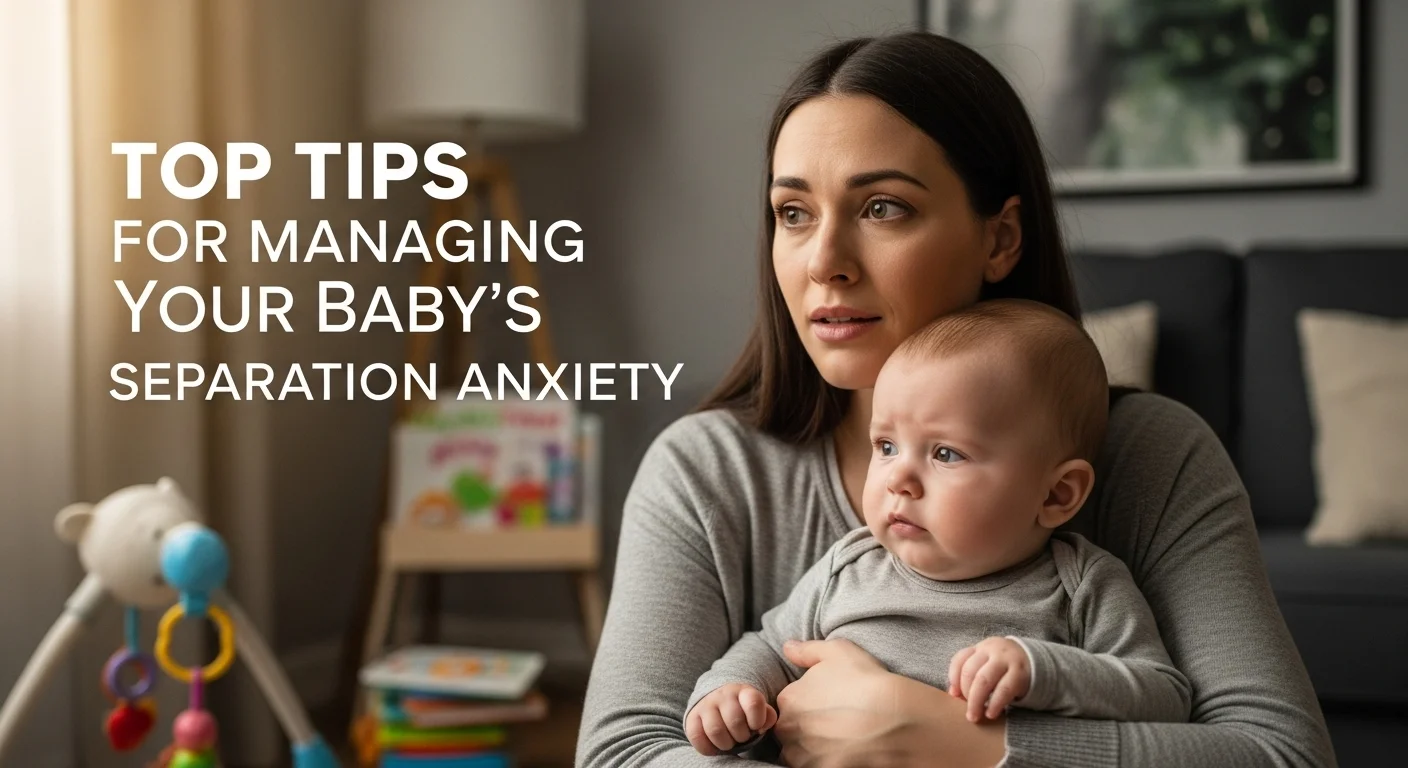
Understanding Separation Anxiety in Babies
What is Separation Anxiety?
Separation anxiety is a normal development stage where babies and toddlers become distressed when separated from their primary caregivers. I remember when my little one first experienced this; it felt like a wave of worry crashed over us both. It’s an important part of their emotional growth, as it signifies that they are beginning to understand object permanence—the idea that people and things continue to exist even when they can’t see them. This awareness can lead to feelings of fear and uncertainty when they realize they are alone, even briefly.
When Does Separation Anxiety Typically Occur?
Separation anxiety often surfaces between 6 months and 18 months of age. For me, it was around the 9-month mark when I noticed my baby would cry if I stepped out of the room. This phase can vary greatly from child to child. Some may show signs of anxiety as early as 6 months, while others might experience it later. It can also return during times of stress or change, so it’s essential to be prepared for these phases to come and go.
Signs and Symptoms of Separation Anxiety
Recognizing the signs of separation anxiety can help you respond appropriately. Common symptoms include crying, tantrums, clinging, or even physical symptoms like stomachaches when a parent leaves. I remember seeing my child’s little face light up with joy when I returned, only to turn to tears when I left again. This emotional rollercoaster is tough, but it’s a critical part of their development. Other signs can include changes in sleeping patterns or increased fussiness. Understanding these symptoms helped me approach the situation with empathy and patience.
Common Causes of Separation Anxiety
Developmental Milestones
As babies hit new developmental milestones, they might experience heightened separation anxiety. For example, when they learn to crawl or walk, they become more aware of their surroundings but also more anxious about being apart from their caregivers. I noticed when my baby started to crawl, they became more attached to me, always wanting to be close. This is a natural response as they explore their newfound independence while still seeking comfort from us.
Changes in Routine or Environment
Any significant changes, like starting daycare or moving to a new home, can trigger separation anxiety. I found that when we moved last summer, my baby became more clingy. It was as if the familiar world they knew was shaking, and they relied on me more for comfort and security. Maintaining a stable routine can help ease these feelings, making transitions smoother for them. For more tips on managing changes, consider reading Affordable Sleep Solutions: Tips for New Parents.
Parental Attachment and Bonding
The bond between parent and child plays a crucial role in separation anxiety. A strong attachment can help babies feel secure, but it can also mean they have a harder time coping with separation. I personally experienced this when I realized how tightly my baby had bonded with me. While it felt wonderful to be their safe space, it also meant more emotional hurdles when it was time for me to step away, even for a moment.
Tips for Managing Your Baby’s Separation Anxiety
Establishing a Consistent Routine
One of the most effective strategies I discovered was establishing a consistent daily routine. Babies thrive on predictability, and knowing what to expect can ease their anxiety. For us, creating a morning routine before I left for work helped my baby feel secure. I always made sure to follow the same steps, from breakfast to playtime, so they knew I’d be back after our usual activities. It gave them something to look forward to, and I believe it reduced their stress.
Gradual Exposure to Separation
Gradual exposure to being apart can be beneficial. I started by leaving my baby with a trusted family member for short periods; initially, it was just a few minutes. As time went on, I extended the duration. This approach helped my little one realize that I would always return. I noticed their anxiety lessening over time as they learned that separation didn’t mean abandonment.
Creating a Comfortable Goodbye Ritual
Having a special goodbye ritual can make departures easier. For us, I created a little wave and a kiss routine. It became our thing; as soon as I would wave, my baby would wave back, and we both felt more at ease. Rituals can provide a sense of closure and security, reassuring them that even though I was leaving, I would be back.
Staying Calm and Positive
Staying calm during separations is essential. I learned that if I acted anxious or upset, my baby picked up on those feelings. I made a conscious effort to be upbeat and cheerful during our goodbyes. A warm smile and positive energy can work wonders in easing their fears. I often reminded myself that my little one was feeding off my emotions, so maintaining a positive vibe was key.
Using Transitional Objects
Transitional objects, like a favorite blanket or stuffed animal, can provide comfort during separations. I found that giving my baby a small toy or a piece of my clothing to hold onto while I was away helped ease their anxiety. It gave them something familiar to cling to, making the separation feel less daunting.
Practicing Short Separations
Practicing short separations can be incredibly helpful. I would leave my baby with a trusted friend for a brief period, gradually increasing the time apart. This practice made a significant difference; my baby learned to feel secure in my absence. It taught them that separations were temporary and that I would always return, making future separations a bit easier.
When to Seek Professional Help
Identifying Severe Anxiety Symptoms
While separation anxiety is a common and normal phase in a child’s development, there are times when it can escalate to levels that might require professional help. I learned to keep an eye out for signs that went beyond the typical crying or fussing. If I noticed that my baby was experiencing severe distress that lasted longer than a few minutes, or if they were having difficulty eating or sleeping consistently because of their anxiety, I began to worry. In those moments, I realized that it’s crucial to differentiate between typical separation anxiety and symptoms that could indicate a deeper issue.
Some indicators to watch for include excessive clinginess that interferes with daily activities, extreme tantrums during separations, or physical symptoms like vomiting or diarrhea that seem to be linked to being away from a caregiver. If these symptoms persisted and seemed to worsen over time, I felt it was essential to consult with a professional. Our little ones can’t always verbalize their feelings, and as their parents, we have to be their voice and advocate for their emotional well-being.
Consulting a Pediatrician or Child Psychologist
If you find yourself in the situation where your child’s anxiety seems to be beyond the usual scope, consulting a pediatrician or a child psychologist can be a helpful step. I remember feeling a bit nervous about reaching out for help, but it turned out to be a wise decision. The professionals provided valuable insights and strategies that were perfectly tailored for my child’s needs.
A pediatrician can assess whether there are any underlying medical issues contributing to the anxiety. They might suggest techniques or refer you to a child psychologist who specializes in developmental issues. During our visit, I learned about various approaches to help my baby cope with anxiety, including play therapy and behavioral techniques. These methods allowed my child to express their feelings in a safe environment, which was incredibly beneficial.
In my experience, seeking help wasn’t a sign of failure; it was a proactive step toward understanding and supporting my child better. Knowing that expert guidance was available gave me comfort and reassurance as we navigated this challenging phase together.
Support for Parents and Caregivers
Understanding Your Own Emotions
As parents, we often focus on our children’s feelings, but I’ve realized that understanding our own emotions is equally important. It’s completely normal to feel overwhelmed or anxious when our little ones are struggling. I found that reflecting on my feelings and acknowledging them helped me approach situations with a clearer mind. For instance, when I felt stressed about leaving my baby, I took a moment to breathe and remind myself of the positive outcomes we were working toward.
Practicing self-care can also make a big difference. Whether it’s taking a few minutes to read a book, go for a walk, or chat with a friend, finding ways to recharge emotionally helped me stay grounded. When I took care of my own emotional well-being, I felt more equipped to support my child through their anxiety.
Finding Local Parenting Support Groups
Connecting with other parents who are experiencing similar challenges can be a lifeline. I turned to local parenting support groups, and it was one of the best decisions I made. Sharing our experiences and hearing others’ stories made me feel less alone. I discovered that many parents were navigating their own versions of separation anxiety, and we formed a community of support where we could share tips, resources, and encouragement.
These groups often host workshops or discussions led by child development experts, which can provide valuable tools for managing anxiety. I remember one session where we learned about mindfulness techniques that we could practice with our children. Engaging with other parents not only helped me gain insights but also reminded me that we are all in this together.
Resources for Further Reading
There are countless resources available for parents seeking to understand separation anxiety better. I found that reading books or articles on child development was incredibly helpful. One of my favorite books is “The Whole-Brain Child” by Daniel J. Siegel and Tina Payne Bryson. It offers a wealth of information on how to nurture emotional intelligence in children, which can be helpful when dealing with anxiety. Additionally, I found that exploring articles like Transform Your Newborn’s Sleep: Best Training Techniques provided useful strategies for managing sleep issues that can accompany anxiety.
Additionally, websites like the American Academy of Pediatrics provide reliable information and tips for parents navigating separation anxiety. I often found myself exploring forums or blogs where other parents shared their experiences, which offered practical advice and emotional support. Having these resources at hand empowered me to tackle the challenges of separation anxiety with a sense of confidence and community.
Frequently Asked Questions (FAQs)
Is separation anxiety normal in babies?
Absolutely, separation anxiety is a normal part of development for babies and young children. I remember feeling quite relieved when I learned that many parents went through this stage. It’s a sign that your child is developing attachments and beginning to understand relationships. It’s one of those phases that showcases their emotional growth, making it perfectly normal for babies to exhibit anxiety when separated from their caregivers. In fact, it can be seen as a healthy response to becoming aware of their surroundings and the people in their lives.
How long does separation anxiety last?
Separation anxiety can vary widely from child to child. In my experience, it often peaks between 9 and 18 months but can continue for a while beyond that. Some children might show signs as early as 6 months, and it could tail off by about 2 years of age. However, it’s not unusual for it to resurface at different points, especially during transitions like starting preschool or when facing new changes. I’ve noticed that as children grow and gain more confidence in their independence, these episodes tend to lessen. It’s important to remember that patience is key, and with time, most children naturally outgrow this phase.
What are the best strategies to comfort a baby during anxiety?
Finding the right strategies to comfort your little one during moments of anxiety can make a world of difference. Here are some methods that worked well for me:
- Stay Consistent: Consistency in routine helped my baby feel secure. Whether it was the same morning goodbye or a bedtime routine, knowing what to expect eased their worries.
- Validate Their Feelings: I learned that acknowledging my child’s feelings helped them feel understood. I would say things like, “I know you’re feeling upset because I’m leaving, but I will be back soon.” This validation reassured them that their emotions were normal.
- Offer Choices: Allowing my baby to choose something comforting, like a toy to take with them, empowered them. This gave them a sense of control during those anxious moments.
- Practice Relaxation Techniques: Simple breathing exercises became a game for us. I would show them how to take deep breaths or we would wiggle our fingers to distract from the anxiety.
- Engage in Play: Sometimes, simply playing together helped distract my little one from their worries. I noticed that when they were engaged in fun activities, they were less focused on my absence.
All these strategies helped us navigate the tricky waters of separation anxiety, and I found that the more I worked on creating a nurturing environment, the easier it became for both of us.
Final Thoughts
Navigating separation anxiety can feel like a daunting journey, but I’ve learned that it’s a shared experience among many parents. Knowing that my child is going through a normal developmental phase, albeit a challenging one, made it easier to cope. I remember those moments of anxiety feeling overwhelming, but they also provided an opportunity to deepen our bond. Each time my baby overcame a separation, I saw them grow stronger and more confident.
It’s important to realize that this phase won’t last forever. While it might feel like an uphill battle at times, with patience and understanding, most children will eventually adapt to separations more easily. I found that being proactive with strategies like establishing routines, practicing short separations, and maintaining a positive demeanor helped both my child and me to feel more secure. We were learning together how to navigate this emotional landscape.
As parents, we also need to take care of ourselves. Remembering to check in on our feelings and seeking support can make a difference in how we respond to our children’s needs. Being part of a community of parents who understood my struggles was invaluable. We shared tips, celebrated small victories, and reminded each other that we are not alone in our experiences.
If you find your child’s separation anxiety becoming more intense or prolonged, seeking professional help is a brave and wise choice. The right guidance can provide tailored strategies to support both you and your little one, ensuring that you’re on the best path toward emotional well-being.
Ultimately, embracing this phase with love, patience, and empathy will help both you and your baby build a foundation of trust and security. Each goodbye will be a little easier, and each reunion will be filled with joy. Together, we can navigate these moments, knowing we are doing our best for our little ones.