
Meeting the nutritional needs of vegan children can be a delightful journey filled with creativity and discovery. With the right approach, we can empower our kids to thrive on a plant-based diet while enjoying delicious flavors! Read Interesting article: Creating a Balanced Diet Plan for Your School-Aged Child
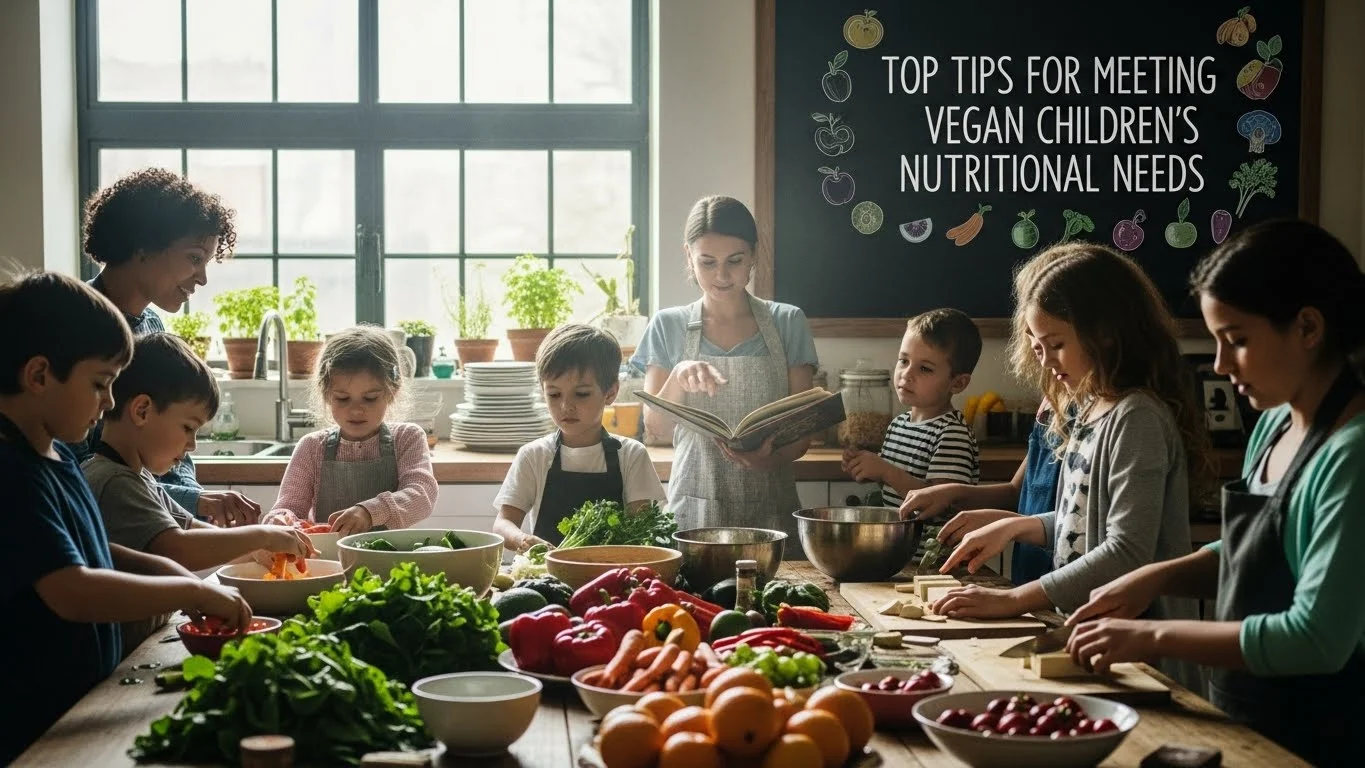
Understanding Vegan Nutrition for Children
As a parent, I’ve experienced the joys and challenges of raising my kids on a vegan diet. It’s a choice that requires understanding and thoughtful planning, especially when it comes to the nutritional needs of growing children. So, let’s dive into the basics of vegan nutrition and why it’s essential for our kids.
What is Veganism?
In simple terms, veganism is a lifestyle that avoids all animal products, including meat, dairy, eggs, and even honey. I remember when we first made the switch; I was excited yet apprehensive about how to ensure my children received all the necessary nutrients. Veganism is not just about food choices; it’s a commitment to a compassionate way of living that respects animals and promotes sustainability. However, for children, it also means we need to be extra mindful of their dietary requirements during their crucial growth phases.
Importance of Nutrition in Childhood Development
Growing children have unique nutritional needs. Their bodies and brains are rapidly developing, and every meal is an opportunity to fuel that growth. I’ve learned that a well-balanced diet can significantly impact their energy levels, mood, and overall well-being. I remember a time when my son was particularly cranky, and after reviewing his meals, I realized he wasn’t getting enough iron. Once I adjusted his diet, his mood improved, and he had more energy to play. Meeting our kids’ nutritional needs is not just a matter of health; it’s about nurturing their potential.
Essential Nutrients for Vegan Children
When it comes to vegan diets for children, focusing on essential nutrients is key. I often find myself making lists to ensure my kids are getting everything they need. Here are the nutrients that should be on our radar:
Protein Sources
Protein is a building block for growth and development. I’ve discovered that plant-based sources of protein are plentiful. Legumes like lentils, chickpeas, and beans are excellent options. Quinoa and tofu are not only protein-rich but also versatile. I love making lentil slop or chickpea salad, which my kids devour. Nuts and seeds can be great snacks too, just ensure to watch for allergies. I believe that variety is vital in keeping meals exciting and ensuring adequate protein intake.
Iron and Zinc
Iron is crucial for oxygen transport in the body, and zinc supports the immune system. Plant-based sources of iron, like spinach, beans, and fortified cereals, can be less readily absorbed than animal sources. I learned a neat trick: pairing iron-rich foods with vitamin C can enhance absorption. For example, serving black bean tacos with salsa or orange slices not only adds flavor but also boosts iron intake. Zinc can be found in whole grains, legumes, and nuts, so I make sure to include these regularly in my kids’ diets.
Calcium and Vitamin D
Calcium is vital for strong bones and teeth, especially for growing children. I often opt for fortified plant-based milks, such as almond or soy milk, which provide a good source of calcium. Leafy greens like kale and broccoli are also fantastic options. To ensure my kids get enough vitamin D, I encourage outdoor playtime, which allows them to absorb sunlight. If you live in an area with limited sun exposure, considering supplements might be a wise choice.
Omega-3 Fatty Acids
Omega-3s are essential for brain development. Flaxseeds, chia seeds, and walnuts are fantastic plant-based sources. I often blend flaxseed into smoothies or sprinkle chia seeds on oatmeal. I’ve noticed that introducing these foods early on has made my kids more receptive to their flavors. It’s all about gradually incorporating these nutrients into their diet creatively.
B Vitamins
B vitamins play a vital role in energy production and brain function. Whole grains are a great source, and I love using brown rice or quinoa as staples in our meals. Nutritional yeast is another favorite of mine; it’s cheesy and packed with B vitamins. I often sprinkle it on popcorn for a healthy snack, which my kids enjoy! Making meals colorful and varied helps ensure they get a good mix of all their B vitamins.
Vitamin C and Antioxidants
Vitamin C not only boosts the immune system but also aids in the absorption of iron. I include plenty of fruits and vegetables in vibrant colors, like bell peppers, strawberries, and oranges. Antioxidants found in fruits and veggies help protect against illness, so I encourage my kids to try different options. I remember making fruit kabobs, which turned out to be a fun way for them to enjoy a variety of fruits in one go!
Meal Planning Tips for Vegan Kids
Planning meals for vegan kids can sometimes feel overwhelming, but I’ve found that a little organization goes a long way. With the right strategies, meal planning can transform into a fun family activity that ensures our children get the nutrition they need while also enjoying a variety of foods. Here are some tips that have worked wonders for us. Read Interesting article: Explore Allergy-Friendly Snacks: Safe Choices for Kids
Creating Balanced Meals
When I think about meal planning, I aim for balance. I remember reading somewhere that a meal should ideally cover all the food groups, and I’ve made that my goal. I try to include a source of protein, healthy fats, and plenty of fruits and vegetables. For instance, a typical dinner might be quinoa with roasted veggies and a side of chickpea salad. This not only covers nutrient needs but also makes for a colorful plate that my kids love. I find that keeping a meal planning template helps me visualize and ensure that each meal is balanced. We even make it a fun game to check off the food groups as we prepare meals together!
Incorporating Variety and Color
Kids are naturally drawn to bright colors, and I’ve noticed that adding variety to meals keeps my little ones engaged. I try to include fruits and vegetables in every meal, and I love experimenting with different textures and flavors. For example, mixing purple cabbage with shredded carrots for a vibrant salad or using a rainbow of bell peppers in stir-fries. I believe that the more colors on the plate, the more nutrients they’re likely to get. Plus, it encourages my kids to try new foods, which has been a game changer in expanding their palates.
Sample Meal Plans for Different Age Groups
Creating meal plans can be tailored to their age and appetite. For younger children, I often prepare smaller, more frequent meals since they may not eat a lot at once. A day might look like this:
- Breakfast: Oatmeal topped with sliced bananas and a sprinkle of cinnamon.
- Snack: Apple slices with almond butter.
- Lunch: Mini whole grain wraps filled with hummus and assorted veggies.
- Snack: A small handful of trail mix.
- Dinner: Lentil soup with whole grain bread.
For older children or teens, I’ve found they enjoy having more say in their meals, so I involve them in planning. A sample day for them might look like:
- Breakfast: Smoothie with spinach, banana, flaxseeds, and almond milk.
- Snack: Carrot sticks with hummus.
- Lunch: Quinoa salad with black beans, cherry tomatoes, and avocado.
- Snack: Whole grain crackers with guacamole.
- Dinner: Stir-fried tofu with mixed vegetables and brown rice.
These meals are not only nutritious but also delicious, and it has been rewarding to see my kids excited about what they’re eating.
Healthy Snack Ideas for Vegan Children
Snacking can be a tricky area, but it’s also an opportunity to sneak in some nutrition. I love preparing snacks that are not only healthy but also fun for my kids. Here are some of my go-to ideas:
Nut Butter and Fruit Combinations
Nut butter is a fantastic source of protein and healthy fats. I often pair it with fruits like apples, bananas, or even on whole grain toast. For a fun twist, we sometimes make banana “sushi” by spreading peanut butter on a whole grain tortilla, adding a banana, and rolling it up. Then we slice it into bite-sized pieces. It’s a hit every time!
Vegetable Dips and Hummus
Vegetables can be a tough sell, but when I serve them with a tasty dip like hummus or guacamole, they’re gone in a flash. I set up a colorful veggie platter with carrots, cucumber sticks, and bell pepper strips, and let my kids choose their favorites to dip. They’ve even started getting creative and coming up with their own combinations, which is always fun to see!
Whole Grain Snacks
Whole grain snacks are packed with fiber and nutrients, and I like to keep a variety on hand. Whole grain popcorn is one of our favorites; I often air-pop it and sprinkle it with nutritional yeast for a cheesy flavor. Homemade granola bars with oats, nuts, and dried fruits are another hit. I involve my kids in making them, which not only teaches them about healthy eating but also gives them a sense of pride in their snacks.
By planning meals thoughtfully and incorporating healthy snacks, I’ve found that vegan eating can be enjoyable and fulfilling for our children. It’s about making it a part of our lifestyle, one delicious bite at a time!
Dealing with Common Nutritional Concerns
As our children embark on their vegan journey, I’ve encountered a few common nutritional concerns along the way. It’s important to address these issues head-on, ensuring our kids thrive while embracing a plant-based lifestyle. Here are some challenges I’ve faced and how I’ve learned to manage them.
Addressing Picky Eating
Picky eating is something almost every parent faces, and I’m no exception. My kids can sometimes be quite selective about what they eat, especially when it comes to trying new foods. I’ve discovered that it helps to introduce new flavors and textures gradually. For example, rather than presenting a whole new dish at once, I might add a small portion of a new vegetable alongside a familiar favorite. I’ve learned that repeating exposure is key—sometimes, it takes several tries before they embrace something new.
I also find that involving them in the cooking process encourages them to be more open to trying new foods. Whether it’s letting them mix ingredients or choose toppings, it creates a sense of ownership. I remember the first time I let my daughter help make veggie burgers; she was so proud of her creation that she couldn’t wait to taste it! When kids feel involved, they’re often more willing to eat the results.
Ensuring Adequate Caloric Intake
Another concern I often think about is ensuring my kids are getting enough calories. Plant-based foods can be low in calories compared to animal products, so I’ve learned to focus on nutrient-dense options. Smoothies have become a trusty ally in our household. I pack them with fruits, greens, nut butter, and even some oats to boost the calorie content.
I also keep an eye on portion sizes and encourage healthy snacking throughout the day. Nuts, seeds, and avocado are great for adding extra calories while still providing essential nutrients. It’s a balancing act, but I’ve found that keeping a variety of these energy-rich foods readily available has helped maintain their energy levels and overall health.
Monitoring Growth and Development
It’s natural for parents to worry about their children’s growth and development, especially when following a vegan diet. I make it a point to regularly monitor their growth patterns and consult with our pediatrician to ensure they’re on track. I remember the first time I was concerned about my son’s growth; our doctor assured me that as long as he was active and his growth was consistent, we were on the right path.
Keeping a food journal has been a helpful tool for us. By tracking what they eat daily, I can easily spot any nutritional gaps and make adjustments as needed. It’s reassuring to see their energy levels and mood correlate with their diet, and it’s a great way for us to stay proactive about their health.
Supplements and Fortified Foods
While a well-planned vegan diet can provide most of the nutrients our kids need, I’ve learned that sometimes supplements and fortified foods can be beneficial. Understanding when and what to include is crucial for ensuring our children’s health.
When to Consider Supplements
After discussing with our pediatrician, I learned that certain nutrients might be harder to obtain from a vegan diet alone, particularly vitamin B12, vitamin D, and omega-3 fatty acids. I decided to incorporate a B12 supplement into our routine, especially since B12 is primarily found in animal products. It’s comforting to know that by taking this step, I’m helping to support my kids’ nervous systems and energy levels.
Vitamin D is another one I keep an eye on, particularly during the winter months when sunlight is limited. We try to spend time outdoors, but when that’s not feasible, I consider a vitamin D supplement to ensure their bones remain strong. It’s all about finding a balance and being proactive without feeling overwhelmed.
Choosing Fortified Plant-Based Milks
Fortified plant-based milks have become a staple in our household. I’ve noticed that many brands now offer options enriched with calcium, vitamin D, and B12, which helps ease my concerns about meeting my kids’ nutritional needs. I usually opt for unsweetened varieties to avoid added sugars, and it’s great to see my kids enjoying their cereals or smoothies while also getting those important nutrients.
Vegan-Friendly Multivitamins
Sometimes I turn to vegan-friendly multivitamins as a safety net. It feels reassuring to know that they’re getting a broad spectrum of nutrients, especially on days when our meals might be slightly off balance. I made sure to choose a brand that meets the dietary needs of children and has been well-reviewed. It’s a little extra peace of mind knowing I’m supporting their growth and development in multiple ways.
Engaging Children in Food Choices
Getting our kids involved in their food choices has been a game changer in our household. I’ve noticed that when they’re part of the process, they’re more willing to try new things and take ownership of their meals. It’s not just about nutrition; it’s about creating a connection to the food they eat.
Involving Kids in Meal Prep
One of my favorite ways to engage my kids is by involving them in meal prep. Whether it’s washing vegetables, stirring a pot, or measuring ingredients, they love feeling like they’re part of the cooking process. I remember the first time I let my daughter chop up some cucumbers for a salad; her eyes lit up with pride! It turned a simple meal into a fun family event. I often set up a ‘kitchen helper’ role, where they can take turns being the chef’s assistant. This not only teaches them valuable skills but also helps them appreciate the work that goes into preparing their meals.
Teaching About Nutrition and Veganism
I’ve found that educating my children about nutrition and the reasons behind our vegan choices has made a significant difference in their attitudes toward food. We often have casual conversations during meals, discussing where our food comes from and the benefits of eating plant-based. I’ve noticed that when they understand the nutritional aspects, like the importance of protein or iron, they feel empowered to make healthier choices themselves. I’ve even made a fun game out of it; I quiz them on their favorite nutrients and the foods that contain them. It’s a great way to reinforce their learning while keeping it light-hearted!
Fun Cooking Activities for Kids
Incorporating fun cooking activities has also been a hit with my kids. We’ve made homemade pizzas where they get to choose their toppings, or even “build-your-own” taco nights. I remember one weekend we had a smoothie-making contest, where each child created their unique blend. Not only did it lead to some delicious concoctions, but it also sparked creativity! I think the more we can make cooking fun, the more they’ll be interested in trying new foods and flavors. Plus, it’s a wonderful way to bond as a family.
Consulting with Professionals
While I’ve learned a lot about vegan nutrition through experience and research, I believe that consulting with professionals can provide invaluable support. It’s important to recognize when we need expert advice, especially when it comes to our children’s health.
When to See a Pediatrician or Nutritionist
There have been moments when I felt uncertain about my kids’ dietary needs, particularly during growth spurts or if they seemed to have a dip in energy. During these times, I make it a point to consult our pediatrician or a registered dietitian who specializes in vegan nutrition. They can offer tailored advice based on individual needs and help create a well-rounded eating plan. I remember one instance when I sought advice regarding my son’s iron levels; the nutritionist provided me with a list of iron-rich foods that I hadn’t considered before, which made a big difference in his diet.
Finding Vegan-Friendly Health Professionals
It’s essential to find healthcare professionals who understand and support a vegan lifestyle. I started by asking fellow vegan parents for recommendations and searching online for reviews. Many nutritionists now specialize in plant-based diets, and they can provide valuable insights into balancing nutrition for growing kids. Building a supportive network with professionals who respect our dietary choices has made my journey as a vegan parent much smoother.
Resources for Vegan Families
As I navigated the world of vegan parenting, I discovered some fantastic resources that have helped us along the way. Whether you’re looking for recipe inspiration or community support, there’s a wealth of information out there.
Books and Cookbooks
There are countless books and cookbooks dedicated to vegan cooking for families. I’ve found that having a few favorites on hand not only makes meal planning easier but also introduces new ideas. Some of my favorites include “Vegan Family Meals” by Ann Gentry and “The Complete Vegan Cookbook” by Trina Holden. These books have great recipes that are not just nutritious but also tasty!
Websites and Blogs
Online resources have been a lifesaver for finding meal ideas and nutritional tips. Websites like Oh She Glows and Minimalist Baker offer a plethora of recipes that cater to families. I often scroll through these sites for inspiration and to find recipes that my kids will love.
Community Support and Groups
Connecting with other vegan families has been incredibly helpful. I joined a local vegan parenting group where we share tips, recipes, and support. Whether it’s through social media or community events, finding like-minded people makes the journey feel less isolating. It’s comforting to know that others share similar experiences and challenges.
Final Thoughts
Raising vegan children has been both an enriching and fulfilling journey for our family. While there are challenges, the excitement of discovering new flavors and the joy of teaching our kids about compassion and nutrition make it all worthwhile. By involving them in meal planning, cooking, and educating them about the benefits of a plant-based lifestyle, we have fostered a positive relationship with food. It’s about creating a lifestyle that not only nourishes their bodies but also aligns with our values as a family. I’ve learned that with a little creativity, support, and a willingness to adapt, we can provide our children with the best possible nutrition while enjoying every delicious bite together.
Frequently Asked Questions
What is veganism?
Veganism is a lifestyle that avoids all animal products, including meat, dairy, eggs, and honey. It is a commitment to a compassionate way of living that respects animals and promotes sustainability.
Why is nutrition important for vegan children?
Nutrition is crucial for vegan children because they have unique dietary needs due to their rapid growth and development. A well-balanced diet can significantly impact their energy levels, mood, and overall well-being.
What are some essential nutrients for vegan children?
Essential nutrients for vegan children include protein, iron, zinc, calcium, vitamin D, omega-3 fatty acids, B vitamins, and vitamin C. Each nutrient plays a vital role in their growth and health.
How can I ensure my vegan children get enough protein?
Vegan children can get enough protein from plant-based sources such as legumes (lentils, chickpeas, beans), quinoa, tofu, nuts, and seeds. Variety is key to keeping meals exciting while ensuring adequate protein intake.
What are some healthy snack ideas for vegan children?
Healthy snack ideas for vegan children include nut butter and fruit combinations, vegetable dips with hummus, and whole grain snacks like air-popped popcorn or homemade granola bars.
How can I address picky eating in vegan children?
To address picky eating, introduce new flavors and textures gradually alongside familiar favorites. Involving children in the cooking process can also encourage them to be more open to trying new foods.
When should I consider supplements for my vegan children?
Supplements may be considered for nutrients that can be harder to obtain from a vegan diet, such as vitamin B12, vitamin D, and omega-3 fatty acids. Consulting with a pediatrician can help determine the need for supplements.
What strategies can help in meal planning for vegan children?
Meal planning strategies include creating balanced meals that cover all food groups, incorporating variety and color in dishes, and tailoring meal plans to the child’s age and appetite.
How can I engage my children in their food choices?
Engaging children in their food choices can involve them in meal prep, teaching them about nutrition, and incorporating fun cooking activities. This helps them take ownership of their meals and encourages them to try new foods.
What resources are available for vegan families?
Resources for vegan families include books and cookbooks focused on vegan cooking, websites and blogs offering meal ideas and nutritional tips, and community support groups where vegan families can connect and share experiences.