
Teaching toddlers essential communication skills can feel overwhelming, but it can also be a delightful journey. Together, we can explore how to nurture their language development and help them express themselves confidently.
Understanding Toddler Communication Development
When I first became a parent, I was amazed at how quickly my little one began to pick up words and sounds. Understanding the stages of toddler communication development helped me realize just how natural this process can be. Each child is unique, and their journey might differ, but there are common milestones we can look out for.
Stages of Language Acquisition
Language development in toddlers typically unfolds in stages. I remember eagerly anticipating each new word my child would say. The journey usually begins with cooing and babbling, which often starts around six months. I noticed my baby experimenting with sounds, and it was the cutest phase!
As they approach their first birthday, they typically begin to say their first words. For my child, it was “mama” and “dada”, and I felt like I had just won a small victory every time they said those words. By age two, many toddlers can put together simple phrases, which opens the door to more meaningful exchanges. I found that encouraging them during this phase really helps with their confidence.
By the time they reach three years old, most children can form full sentences and express their thoughts more clearly. This is such an exciting time, as they start to communicate their needs and wants, and it often leads to entertaining conversations. Watching my toddler express themselves was a profound reminder of how essential communication is in our daily lives.
Importance of Early Communication Skills
I’ve learned that early communication skills are foundational for a child’s overall development. They not only help toddlers express their wants and feelings but also play a crucial role in their social interactions with peers and adults. When I saw my child connecting with others through simple words or gestures, I realized how important it was for their emotional development.
Having strong communication skills can shape their future academic success too. Research shows that children who develop these skills early are more likely to excel in school. This motivated me to engage with my child constantly, whether through talking, reading, or simply listening to their thoughts. I wanted to give them the best chance to thrive.
Moreover, the ability to communicate effectively helps in reducing frustration. I remember moments when my toddler struggled to articulate their feelings, which would lead to tantrums. Helping them find their voice not only reduced those moments but also fostered a sense of independence and self-esteem in them.
Essential Communication Skills for Toddlers
As we embark on this journey of teaching our toddlers essential communication skills, it’s important to focus on the key areas that will make a difference. I often found that paying attention to various aspects of communication can significantly enhance their abilities.
Listening Skills
Listening is just as vital as speaking, and I quickly realized that encouraging my toddler to listen was just as important as encouraging them to talk. Active listening helps them understand language, follow directions, and engage with stories. I began incorporating simple games, like “Simon Says,” to make listening fun and interactive. It was a great way for them to practice following instructions while enjoying some playtime.
Speaking Skills
Speaking skills develop from the moment they start babbling. I found that repeating back what my toddler said encouraged them to articulate even more. If they said “dog,” I would respond with, “Yes, that’s a dog! It’s barking!” This style of interaction not only validated their efforts but also expanded their vocabulary. I also noticed that using a variety of words in conversations helped them learn new ones.
Non-Verbal Communication
Non-verbal cues are another huge part of communication that I often overlooked. Gestures, facial expressions, and body language all convey messages. I made it a point to model these behaviors myself, and I noticed that my child began to pick up on them. Pointing, nodding, and even mimicking actions helped them communicate in ways beyond words.
Social Interaction Skills
Lastly, social interaction skills are crucial for toddlers as they learn to navigate relationships. I often observed my child playing with peers and noticed how they would take turns or share toys. We encouraged playdates, which helped them learn the dynamics of conversation and cooperation. I believe that engaging with other children provided them with real-life practice in communication. It was a joy to watch my little one learn to express themselves in these social settings. Read Interesting article: Fun Activities to Boost Toddler Sharing Skills on Adventures
Top Tips for Teaching Communication Skills
Teaching communication skills to toddlers can be both rewarding and challenging. From my experience, I found that a few key strategies made a noticeable difference in my child’s ability to express themselves. Here are some tips that I believe can help us all nurture our toddlers’ communication skills.
Encourage Active Listening
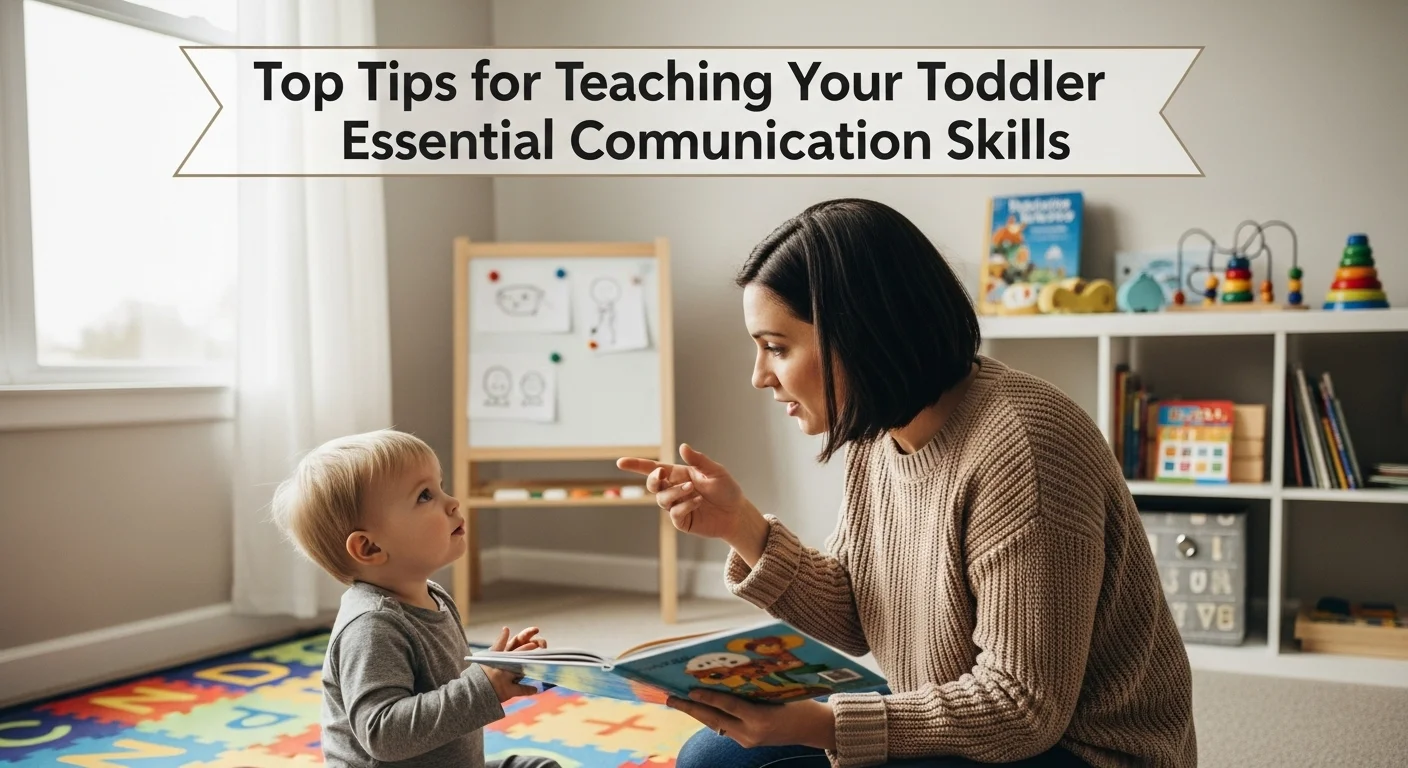
One of the first lessons I learned was the importance of encouraging my toddler to listen actively. I discovered that simply telling them to listen wasn’t enough. Instead, I started modeling good listening behaviors myself. When they spoke, I made sure to give them my full attention, kneeling down to their level and maintaining eye contact. This not only validated their feelings but also taught them the importance of listening. I also encouraged them to show they were listening by nodding or making small comments like “uh-huh” or “I see.” This way, they learned to engage in a two-way conversation, understanding that listening is just as important as talking.
Use Simple and Clear Language
Using simple and clear language was another tip that transformed our communication. I realized that toddlers don’t need complex sentences or big words. Instead, I focused on using straightforward vocabulary that they could easily grasp. For instance, instead of saying “Would you like to accompany me to the store?” I would simply say, “Let’s go to the store!” This not only made the conversation easier for them but also encouraged them to respond more effectively. I noticed that when I used clear language, my child seemed more confident in expressing themselves.
Engage in Conversations Regularly
Making time for regular conversations became a priority in our daily routine. I found that chatting about our day, even during mundane activities, created opportunities for my toddler to practice speaking. While cooking, I would describe what I was doing or ask them questions about their favorite foods. I learned that these little moments of interaction helped build their vocabulary and confidence. It was amazing how much my child loved talking about their experiences, and it made me feel connected to them.
Read Together Daily
Reading together has been one of the most enjoyable parts of our daily routine. I discovered that shared reading not only enhances vocabulary but also sparks imagination. I let my toddler choose books that interested them, and I made reading interactive by asking questions and discussing the pictures. I would often say things like, “What do you think will happen next?” This encouraged them to think critically and express their ideas. I can’t stress enough how much I value this time we spend together, as it opened up so many avenues for discussion. Read Interesting article: Essential Tips for Toddler Sharing While Traveling on a Budget
Play Interactive Games
Playing interactive games was a fun way to teach communication skills. I found that games like “I Spy” or “Twenty Questions” encouraged my toddler to think and articulate their thoughts. We also enjoyed simple board games that required taking turns and following rules, which naturally led to conversations about strategies and decisions. This playful approach made learning feel effortless and enjoyable, reinforcing their communication skills without the pressure of a formal learning environment.
Model Good Communication
Children learn a lot by watching us, so modeling good communication became essential in our household. I made a conscious effort to speak clearly and use varied vocabulary in our interactions. When my toddler made a mistake or struggled with a word, I gently corrected them by repeating their sentence in a supportive way. For example, if they said, “I goed to the park,” I would respond, “Oh, you went to the park! That sounds like fun!” This not only corrected their grammar but also showed them how to express their thoughts more clearly. I felt that this kind of modeling helped build a strong foundation for their language skills.
Activities to Boost Communication Skills
There are numerous fun activities we can incorporate into our routines to further enhance our toddlers’ communication skills. I’ve discovered that these activities not only promote learning but also strengthen our bond as a family.
Storytelling and Role-Playing
Storytelling and role-playing have become favorites in our household. I love encouraging my toddler to create their own stories or reenact their favorite tales. This activity allows them to explore their imagination while practicing vocabulary and sentence structure. I often join in, acting out different characters and using different voices, which makes it even more engaging. It’s been wonderful to see how storytelling helps them articulate their thoughts and feelings in a creative way.
Sing Songs and Nursery Rhymes
Music has a magical way of capturing attention and enhancing language skills. Singing songs and nursery rhymes together became a fun and rhythmic way to introduce new words. I noticed that catchy tunes helped my toddler remember phrases and vocabulary effortlessly. Plus, it was a joy to see them dance and sing along, making it a wonderful bonding experience. I also encouraged them to create their own simple melodies, which allowed them to express themselves in a playful manner.
Use Visual Aids and Sign Language
I found that incorporating visual aids, like flashcards or picture books, helped make abstract concepts more concrete for my toddler. These aids not only reinforced vocabulary but also sparked conversations about the images. Additionally, I decided to introduce some basic signs from American Sign Language (ASL). This was incredibly useful, especially for words that were harder for them to pronounce. Being able to communicate through signs reduced their frustration during toddlerhood and added an exciting layer to our interactions.
Incorporate Technology Thoughtfully
In our tech-savvy world, I think it’s essential to use technology wisely. I’ve noticed that there are many educational apps and programs designed specifically for toddlers that promote communication skills. We’ve used a few that focus on storytelling or vocabulary games, which my child enjoys. However, I always make sure to balance screen time with active play and face-to-face interactions, as I believe that personal connections are irreplaceable. Read Interesting article: Traveling on a Budget: Emotional Skills for Toddlers
Common Challenges in Toddler Communication
As I journeyed through the fascinating world of my toddler’s communication development, I quickly realized that it wasn’t always smooth sailing. There were challenges that arose, and I know many parents face similar hurdles. Acknowledging these challenges is crucial because it helps us navigate the complexities of communication with our little ones.
Speech Delays and Disorders
One of the most concerning challenges I encountered was the possibility of speech delays or disorders. I remember having moments of worry when my child wasn’t speaking as much as I thought they should be. I learned that speech delays can happen for various reasons, from developmental factors to hearing issues. It’s essential to recognize the signs early on. If you notice your child isn’t meeting typical speech milestones—like not saying their first words by age one or not combining words by age two—it’s important to pay attention. I found it helpful to keep a record of their speech development, as it made it easier to discuss any concerns with pediatricians or specialists later on.
In our case, we decided to consult with a speech-language pathologist just to ensure everything was on track. They provided valuable insights and strategies to support our child’s communication development. I realized that seeking help early can make a significant difference, and it gave us peace of mind.
Understanding Different Temperaments
Every child has a unique personality, and I learned that temperament plays a significant role in how they communicate. Some toddlers are naturally outgoing and eager to express themselves, while others may be more reserved. I noticed that my child tended to be on the quieter side, which sometimes made me wonder if they were struggling to communicate. I learned to respect their pace and provide encouragement without pushing them too hard. It’s important to celebrate their individual style of communication. For instance, I found that giving them time to think before responding or allowing them to express themselves in their own way helped build their confidence.
Understanding this aspect of their personality made me more patient and supportive. It’s okay for children to communicate differently, and as parents, we can create an environment that nurtures their unique expression.
Overcoming Frustration in Communication
Frustration is a common hurdle in toddler communication, and I witnessed it firsthand. There were moments when my child struggled to express what they wanted, which sometimes led to tantrums. I knew that it was essential to help them navigate these feelings rather than dismiss them. One strategy that worked for us was to teach them simple phrases to express their emotions. Instead of saying “I can’t” or “I don’t know,” I encouraged my toddler to say things like, “I need help” or “I’m upset.”
Finding alternative ways to communicate their feelings not only reduced frustration but also empowered them to express themselves more clearly. I remember one particular afternoon when my child was upset about not getting a toy. Instead of crying, I prompted them to use their words. They eventually said, “I wanted to play with that!” It was a proud moment for both of us, and it reinforced the importance of communication in resolving conflicts.
When to Seek Professional Help
As we navigate the ups and downs of toddler communication, there may come a time when we need to seek professional help. I’ve learned that being proactive about our child’s communication development can lead to better outcomes down the line.
Signs of Delayed Communication Skills
Knowing when to seek help can be challenging, but there are specific signs to watch for. I found that if my toddler was not meeting typical language milestones—like not using gestures, not saying any words by 15 months, or not combining words by age two—it was time to consult with a speech professional. Other red flags include difficulty following simple directions or not responding to their name. Observing these signs made me more aware of their development, and I felt empowered to take action when needed.
Consulting Speech-Language Pathologists
If you notice any of these signs, I highly recommend consulting a speech-language pathologist (SLP). In my experience, SLPs are incredibly knowledgeable and can provide targeted strategies and activities tailored to your child’s needs. They can assess your toddler’s speech and language abilities and guide you on how to support their development at home. I remember feeling relieved after our first appointment, as the SLP gave us practical advice and resources to help us nurture our child’s communication skills effectively.
Seeking help is not a sign of failure; rather, it’s a proactive step toward ensuring that our children communicate effectively and confidently. It’s all part of the beautiful journey of parenthood, and we’re in this together.
Resources for Parents and Caregivers
Equipping ourselves with knowledge and resources can make a world of difference in nurturing our toddlers’ communication skills. I’ve gathered a few recommendations that have been incredibly helpful for my family and me.
Books and Educational Materials
There’s a wealth of books focused on early language development that can be very informative. I found reading parenting books about communication strategies and child development especially useful. Titles like “The Whole-Brain Child” by Daniel J. Siegel and Tina Payne Bryson helped me understand how to support my toddler’s emotional and communication growth. Additionally, children’s books that are interactive or feature repetitive phrases are wonderful for engaging toddlers while enhancing their vocabulary.
Online Courses and Workshops
Taking online courses or attending workshops on child development can be enlightening. I discovered that many organizations offer free or low-cost workshops on language development and speech strategies. These courses often provide practical tips and insights that can be applied immediately in everyday situations. It’s empowering to learn alongside other parents who share similar experiences.
Support Groups and Communities
Finding a supportive community has been invaluable. I joined a local parenting group where we frequently discuss challenges and share resources related to language development. Online forums and social media groups can also be fantastic places to connect with other parents, exchange ideas, and seek advice. Knowing that we’re not alone in this journey makes the challenges feel more manageable.
Frequently Asked Questions
What are the early stages of toddler communication development?
Toddler communication development typically begins with cooing and babbling around six months, followed by their first words around their first birthday, and by age two, they can form simple phrases. By age three, most children can form full sentences and express their thoughts more clearly.
Why are early communication skills important for toddlers?
Early communication skills are foundational for a child’s overall development, helping them express their wants and feelings, facilitating social interactions, and shaping future academic success. Strong communication skills also help reduce frustration and foster independence and self-esteem.
What are some essential communication skills for toddlers?
Essential communication skills for toddlers include listening skills, speaking skills, non-verbal communication, and social interaction skills. These skills help toddlers understand language, articulate their thoughts, and navigate relationships with peers and adults.
How can parents encourage active listening in toddlers?
Parents can encourage active listening by modeling good listening behaviors, giving their full attention when their child speaks, maintaining eye contact, and encouraging toddlers to engage in conversations by nodding or making small comments.
What strategies can help improve toddlers’ speaking skills?
To improve speaking skills, parents can repeat back what their toddler says to validate their efforts, use a variety of words in conversations, and focus on using simple and clear language to make communication easier for the child.
What activities can boost toddlers’ communication skills?
Activities that can boost communication skills include storytelling and role-playing, singing songs and nursery rhymes, using visual aids and sign language, and playing interactive games that encourage conversation and articulation.
How can parents address speech delays and disorders in toddlers?
Parents can address speech delays by recognizing signs early, such as not meeting typical speech milestones, and consulting a speech-language pathologist for assessment and strategies to support their child’s communication development.
What should parents do if their toddler has a unique temperament affecting communication?
Parents should respect their child’s unique temperament and provide encouragement without pushing too hard. It’s important to celebrate their individual communication style and create a supportive environment that nurtures their self-expression.
When is it appropriate to seek professional help for a toddler’s communication skills?
It is appropriate to seek professional help if a toddler is not meeting typical language milestones, such as not using gestures by 15 months or not combining words by age two. Other red flags include difficulty following simple directions or not responding to their name.
What resources are available for parents to support their toddlers’ communication skills?
Helpful resources include books on early language development, online courses or workshops about child development, and joining support groups or communities where parents can share experiences and strategies related to language development.