
As parents, we want the best for our kids, especially when it comes to their health. Adopting a vegan diet can be a fantastic way to ensure they grow up strong and nourished. Let’s explore how to make it work!
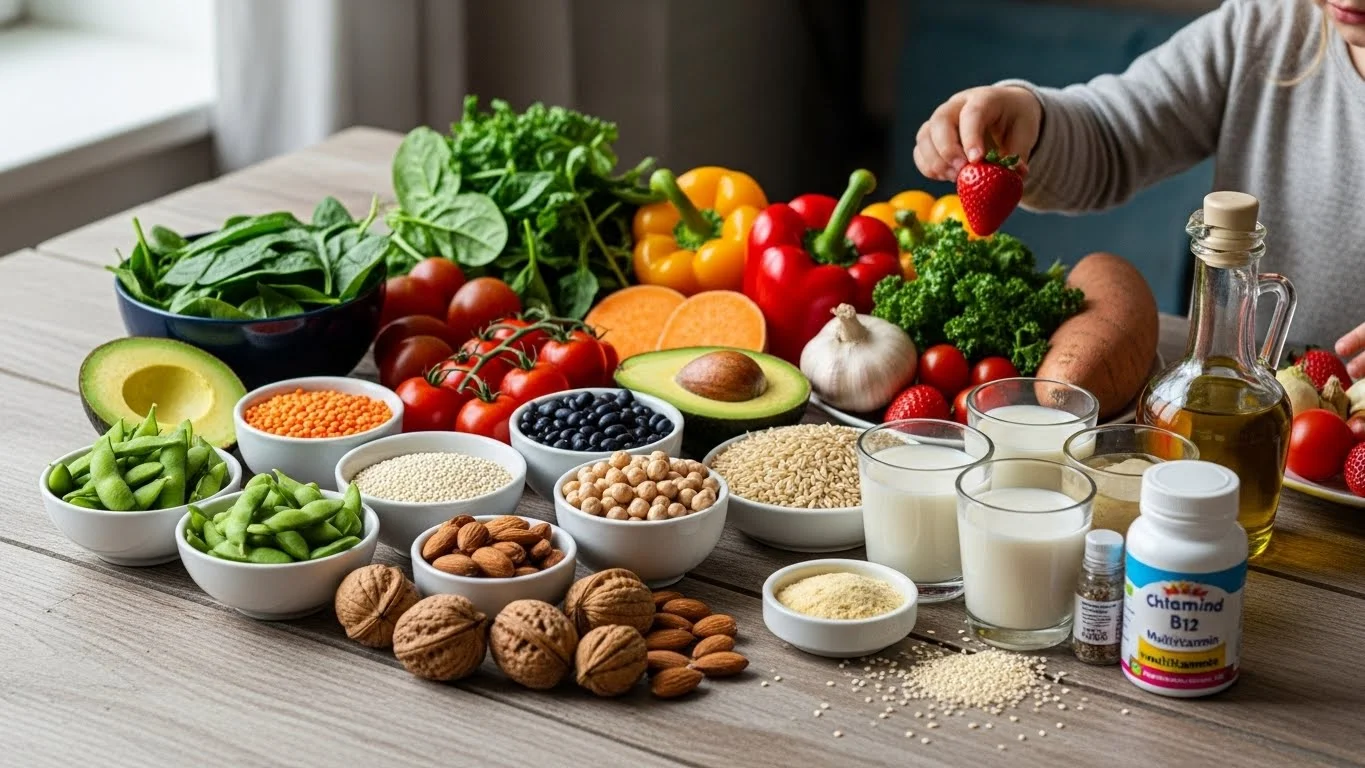
Understanding Vegan Diets for Kids
What is a Vegan Diet?
A vegan diet is one that excludes all animal products, including meat, dairy, and eggs. Instead, it focuses on plant-based foods such as fruits, vegetables, grains, nuts, and legumes. I remember when I first considered this lifestyle for my family; I was surprised to discover just how diverse and delicious vegan meals could be. It’s not just about avoiding animal products; it’s about embracing a wide variety of foods filled with nutrients. I quickly learned that with the right planning, a vegan diet could provide everything my kids needed to thrive. Read Interesting article: Navigating Vegan Child Nutrition: Solutions to Common Issues
Benefits of a Vegan Diet for Children
Choosing a vegan diet for kids can offer several benefits. For one, it often leads to a higher intake of fruits and vegetables, which are packed with essential vitamins, minerals, and antioxidants. I noticed that my children had more energy and seemed to recover faster from colds and minor illnesses once we embraced a plant-based approach. Plus, a vegan diet is generally lower in saturated fats and cholesterol, which can help in promoting heart health and maintaining a healthy weight. I’ve also read studies suggesting that kids who eat more plant-based foods tend to develop healthier eating habits as they grow older. This aligns with the insights shared in Common Questions About Vegan Child Nutrition Answered.
Common Nutritional Concerns for Vegan Kids
Despite the many benefits, there are some nutritional concerns that we need to keep in mind when raising vegan kids. One major concern is ensuring they receive enough protein. While there are plenty of plant-based protein sources, it’s essential to vary the foods we offer to meet their needs. I also learned that kids require specific nutrients like calcium, iron, and vitamin B12 for proper growth and development, which can sometimes be harder to obtain in a vegan diet. It’s crucial to be aware of these nutrients and find vegan-friendly sources to keep our kids healthy. I still remember the first time I realized my son needed more iron; I quickly started including lentils and fortified cereals to our meals!
Essential Nutrients for Growing Kids
Protein Sources
Protein is vital for growth, particularly in children. Some fantastic vegan sources include legumes like beans and lentils, which I often incorporate into soups and stews. Tofu and tempeh are also great options that can be used in stir-fries or grilled. Quinoa, a complete protein, has become a staple in our house. I often prepare it as a side dish or in salads, and the kids love it! Pea protein is another excellent choice, especially in smoothies or protein bars.
Calcium Sources
Calcium is essential for strong bones and teeth. While many people think dairy is the only source of calcium, that’s not the case! I’ve found that fortified plant-based milks, like almond or soy milk, are excellent alternatives. Additionally, leafy greens like kale and bok choy, as well as fortified tofu, provide plenty of calcium. I often add these greens to smoothies or pasta dishes, making it easy for my kids to get their daily dose without even realizing it!
Iron Sources
Iron is crucial for energy and development, but plant-based sources can be less easily absorbed than those from meat. Foods rich in iron include lentils, chickpeas, fortified cereals, and pumpkin seeds. I discovered that pairing these iron-rich foods with vitamin C sources, like citrus fruits or bell peppers, can enhance absorption. For instance, I often serve a chickpea salad with squeezed lemon juice—it’s delicious and boosts iron intake!
Vitamin B12 Sources
Vitamin B12 is vital for nerve function and the creation of red blood cells. This vitamin is primarily found in animal products, so it can be a challenge on a vegan diet. I usually recommend fortified foods, like nutritional yeast and cereals, as well as B12 supplements. This was one of the first things I researched when transitioning my kids to a vegan diet, and it brought me peace of mind knowing we could meet their B12 needs.
Omega-3 Fatty Acids Sources
Omega-3 fatty acids are important for brain health. While fish is typically the go-to source, vegan options include flaxseeds, chia seeds, and walnuts. I often add ground flaxseeds to smoothies or oatmeal, and the kids have learned to enjoy chia pudding as a sweet snack. These additions not only provide essential omega-3s but also add a nice texture to their meals.
Vitamin D Sources
Vitamin D is crucial for calcium absorption and bone health. While sunlight is a natural source, it’s not always enough, especially in the winter months. I recommend fortified plant-based milks and cereals, as well as considering supplements if necessary. Our family takes a vitamin D supplement during the colder months, and I feel more confident knowing we’re supporting our overall health together.
Top Vegan Nutrient Sources
Legumes and Pulses
Legumes and pulses are some of my favorite staples in a vegan diet. They are not only rich in protein but also packed with fiber, which is great for digestion. I often use beans, lentils, and chickpeas in various meals throughout the week. For instance, I love making a hearty lentil soup on chilly days or creating a chickpea curry that my kids can’t get enough of. I remember the first time I introduced black beans into our taco night; they were such a hit that I decided to make it a regular feature. Plus, they’re incredibly versatile and can be blended into dips like hummus or added to salads for that extra punch of nutrition!
Nuts and Seeds
Nuts and seeds are fantastic sources of healthy fats, protein, and essential nutrients. I make it a point to keep a variety of nuts, like almonds and walnuts, in our pantry. They make excellent snacks and are easy to toss into smoothies or oatmeal. I also discovered the joys of seeds, particularly chia and hemp seeds. Adding these to our breakfast has become a routine—chia seeds in pudding or sprinkled over yogurt for a delightful crunch. I’ve found that my children enjoy making their own trail mix with a mix of nuts, seeds, and some dried fruit, which encourages them to snack healthily!
Whole Grains
Whole grains are another essential component of a vegan diet. They provide energy, fiber, and various nutrients. I’ve swapped out white rice and bread for brown rice, quinoa, and whole-grain bread. Quinoa has become a family favorite because it’s easy to cook and full of protein. I often serve it as a base for bowls, topped with roasted vegetables and a tasty dressing. Oats are also a breakfast staple in our home. Whether it’s overnight oats or a warm bowl with fruits, they’re always a hit, and I love knowing my kids start their day with something nutritious.
Fruits and Vegetables
Fruits and vegetables are the vibrant heart of a vegan diet. I strive to create colorful plates filled with a variety of produce. We make it a fun challenge to try a new fruit or vegetable each week. I’ve noticed that my kids are more adventurous with food when they see colorful salads or smoothie bowls. Incorporating seasonal fruits, like berries in the summer or apples in the fall, makes meals exciting. I’ve learned to blend fruits into smoothies or bake them into snacks, making them a sweet treat my children love. Plus, I always emphasize the importance of eating a rainbow of fruits and veggies to ensure they get all the necessary nutrients.
Plant-Based Dairy Alternatives
Finding suitable alternatives to dairy has been one of the more enjoyable aspects of going vegan. There are so many plant-based options available now, from almond and oat milk to coconut yogurt. I’ve found that my kids enjoy making smoothies with almond milk or having coconut yogurt topped with fruits and nuts. It feels great to know they’re getting the same creaminess without the dairy. I also like using nutritional yeast as a cheese substitute in pasta dishes or popcorn, which adds a cheesy flavor along with added B vitamins. It’s become a staple in our kitchen.
Fortified Foods
Fortified foods have been a game-changer in ensuring my kids get all the essential nutrients they need on a vegan diet. I always look for fortified plant-based milks and cereals that contain added vitamins like B12 and D. This has eased my mind, knowing we’re filling any nutritional gaps that might occur. I remember the first time I spotted a fortified cereal that my kids loved; I felt like I hit the jackpot! It’s important to read labels and choose options that provide those extra nutrients, helping us maintain a balanced diet.
Sample Meal Plans for Vegan Kids
Breakfast Ideas
Breakfast has always been one of my favorite meals to get creative with. I often serve overnight oats topped with fresh fruits and a sprinkle of chia seeds. Smoothies are also a hit; I blend bananas, spinach, and almond milk for a nutritious start. On weekends, we love making vegan pancakes using whole-grain flour and mashed bananas, topped with maple syrup and berries. It’s a fun family activity that always brings smiles to our faces.
Lunch Ideas
For lunch, I often prepare hearty grain bowls. I mix quinoa or brown rice with roasted vegetables and a protein source like chickpeas, drizzled with tahini dressing. Wraps filled with hummus, veggies, and avocado are also a staple. I enjoy experimenting with different flavors, and my kids love them! I pack these lunches with slices of fruit or a handful of nuts for a delightful crunch.
Dinner Ideas
Dinner time is when I like to go all out. We often have lentil tacos loaded with toppings like avocado, salsa, and fresh veggies. Another favorite is a vegetable stir-fry with tofu served over brown rice. I’ve learned to get creative with spices and sauces, which makes the meals even more enjoyable for my kids. I try to involve them in the cooking process, which helps them appreciate the food they eat.
Snacks and Treats
Snacks are a big part of our day, and I aim to keep them healthy and fun. We often prepare energy balls made from oats, nut butter, and dried fruits. Fresh fruit is always a go-to, but I also like to make popcorn seasoned with nutritional yeast for a cheesy flavor. When we indulge, I like to make homemade vegan cookies or brownies using ripe bananas or applesauce as sweeteners. It’s a great way to satisfy their sweet cravings without compromising on health!
Addressing Common Myths About Vegan Diets for Kids
Myth: Vegan Diets Lack Protein
One of the most common myths I encountered when transitioning my kids to a vegan diet was the notion that they wouldn’t get enough protein. I remember feeling a bit overwhelmed by this concern at first. However, I quickly learned that there are plenty of plant-based protein sources out there. Foods like beans, lentils, quinoa, and tofu are all rich in protein. In fact, I often find that my kids get more than enough protein from the variety of foods we include in our meals. It’s all about being mindful of incorporating these protein-rich foods daily. When I shared this information with friends and family, many were surprised to learn just how versatile and nutritious a vegan diet can be!
Myth: Vegan Kids Can’t Get Enough Calcium
Another myth I faced was the belief that vegan kids wouldn’t get enough calcium. I had my doubts initially, especially since calcium is so often associated with dairy products. Yet, I discovered a treasure trove of plant-based calcium sources! Fortified plant milks, leafy greens like kale, and almonds provide ample calcium. I remember feeling relieved when my children enjoyed a smoothie made with almond milk and spinach. By providing a variety of these foods, I felt confident knowing they were getting the calcium they needed for strong bones. Plus, I’ve noticed that my kids have become more open to trying different foods, which has further expanded their nutrient intake.
Myth: Vegan Diets Are Expensive
When I first started exploring veganism, I heard the myth that adopting a vegan diet is expensive. I used to think that plant-based substitutes and specialty items would break the bank. However, I quickly found that focusing on whole foods like grains, beans, fruits, and vegetables can actually be quite affordable. I remember budgeting for our grocery trips and being pleasantly surprised at how much more I could buy by choosing staples like rice, lentils, and seasonal produce. Meal planning also helped us save money by reducing food waste and ensuring we used everything we bought. I’ve found that embracing a vegan lifestyle doesn’t have to come with a hefty price tag; it’s all about making mindful choices.
Tips for Transitioning to a Vegan Diet
Involving Kids in Meal Prep
One of the best decisions I made during our transition to a vegan diet was involving my kids in the meal prep process. I found that when they helped choose meals or prep ingredients, they were more excited to try new foods. We often make it a family activity to plan our weekly meals together. I let them pick a fruit or vegetable they want to explore each week, which has led to some fun discoveries! From chopping vegetables to stirring pots, their involvement has made cooking a special bonding time for us. Plus, I’ve noticed that they are much more likely to eat what they’ve helped prepare!
Educating Kids About Nutrition
Educating my kids about nutrition has been a rewarding experience. I believe it’s essential for them to understand why we make certain food choices. I often have casual conversations with them about the benefits of various foods—like how beans help them build muscles or how leafy greens keep their bones strong. We even watch documentaries together that highlight the importance of plant-based eating. This knowledge empowers them and fosters a sense of responsibility regarding their health. I’ve seen them become more curious about what they’re eating, asking questions, and even suggesting new meal ideas!
Making Vegan Eating Fun
Making vegan eating fun has been a game changer in our household. I love experimenting with creative presentations and playful meals. For instance, we’ve created rainbow fruit skewers or made “veggie faces” on our plates. I also discovered that themed dinners can be a hit; for example, taco night can feature a variety of fillings and toppings, encouraging everyone to build their own custom tacos. I’ve noticed that when meals are visually appealing and interactive, my kids are more likely to dive in and enjoy them. Incorporating fun elements into our meals has turned our dining experience into something exciting and enjoyable!
Consulting Health Professionals
When to See a Pediatrician or Dietitian
As we embraced a vegan lifestyle, I realized the importance of consulting health professionals to ensure our dietary choices were meeting my kids’ nutritional needs. I recommend reaching out to a pediatrician or a registered dietitian, especially during significant dietary transitions. They can provide tailored advice and address any concerns you might have. I remember scheduling an appointment to discuss our new eating habits, and it was incredibly reassuring to get professional guidance. The dietitian helped us create a balanced meal plan and offered tips to ensure we were covering all essential nutrients.
Monitoring Growth and Development
Monitoring my kids’ growth and development became a priority as we switched to a vegan diet. I’ve learned to keep track of their energy levels, mood, and overall health. Regular check-ups with the pediatrician have helped us stay on track. I often ask about their growth charts and any adjustments we might need to make in our diet. The feedback has been invaluable, and I’ve found that being proactive in monitoring their health allows us to make any necessary changes early on. I feel reassured knowing that we’re supporting their growth with the right foods and nutrients.
Frequently Asked Questions
What is a vegan diet?
A vegan diet is one that excludes all animal products, including meat, dairy, and eggs, and focuses on plant-based foods such as fruits, vegetables, grains, nuts, and legumes.
What are the benefits of a vegan diet for children?
A vegan diet for kids can lead to a higher intake of fruits and vegetables, promoting energy and faster recovery from illnesses. It is also generally lower in saturated fats and cholesterol, which supports heart health and weight maintenance.
What nutritional concerns should be considered for vegan kids?
Some common nutritional concerns for vegan kids include ensuring they receive enough protein, calcium, iron, and vitamin B12, which are crucial for proper growth and development.
What are some good sources of protein for vegan kids?
Good sources of protein for vegan kids include legumes like beans and lentils, tofu, tempeh, quinoa, and pea protein.
How can vegan kids get enough calcium?
Vegan kids can obtain calcium from fortified plant-based milks, leafy greens like kale and bok choy, and fortified tofu.
What are some sources of iron for vegan children?
Iron sources for vegan children include lentils, chickpeas, fortified cereals, and pumpkin seeds, and consuming these with vitamin C sources can enhance iron absorption.
How can kids obtain vitamin B12 on a vegan diet?
Kids can obtain vitamin B12 from fortified foods, such as nutritional yeast and cereals, as well as through B12 supplements.
What are some healthy snack ideas for vegan kids?
Healthy snack ideas for vegan kids include energy balls made from oats and nut butter, fresh fruits, popcorn seasoned with nutritional yeast, and homemade vegan cookies or brownies.
How can parents help kids transition to a vegan diet?
Parents can help kids transition to a vegan diet by involving them in meal prep, educating them about nutrition, and making vegan eating fun with creative presentations and themed meals.
When should parents consult a pediatrician or dietitian regarding their vegan kids?
Parents should consult a pediatrician or registered dietitian during significant dietary transitions to ensure nutritional needs are met and to receive tailored advice.