
As a budget backpacker, finding ways to learn while on the go can be a challenge. Virtual classrooms offer flexible and cost-effective options to continue your education, no matter where your adventures take you. For more insights on effective learning methods, check out Top Digital Learning Tools for Budget Backpackers.
Understanding Virtual Classrooms: A Budget Backpacker’s Guide
What is a Virtual Classroom?
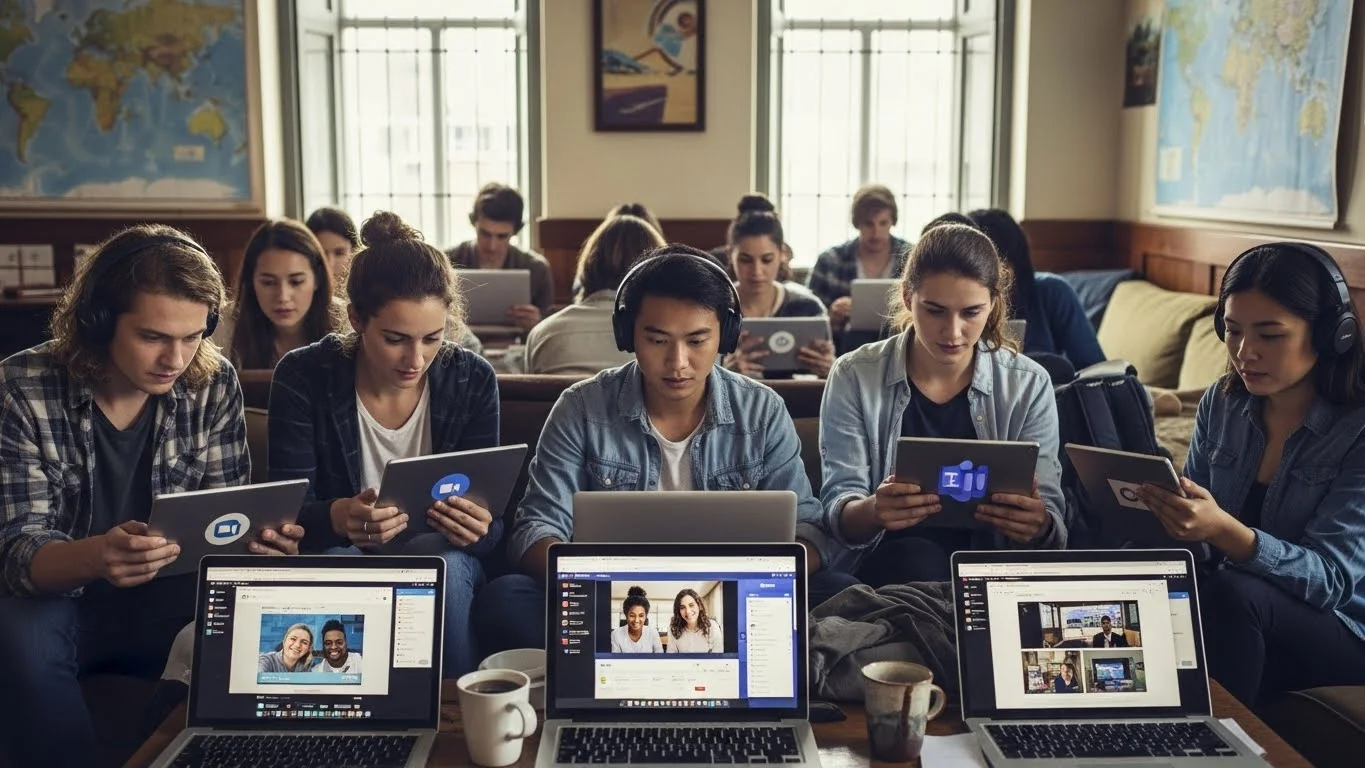
A virtual classroom is an online space where educators and students can interact and learn together, regardless of their physical location. It’s like attending a regular classroom but through your computer or mobile device. I remember the first time I joined a virtual classroom while traveling through Southeast Asia. I was amazed at how easy it was to connect with my instructors and classmates without being tied to a specific location. Whether it’s through live video sessions or recorded lectures, the concept of a virtual classroom has made learning accessible to so many, including us traveling souls.
Benefits of Virtual Classrooms for Backpackers
For backpackers like me, virtual classrooms come with a host of benefits that align perfectly with our travel lifestyle. First and foremost, they offer flexibility. I can choose when and where to study, making it easy to fit learning around my travel schedule. This flexibility means I can explore a new city during the day and attend my classes in the evening or early morning. Another significant benefit is the affordability. Many virtual classroom tools are free or low-cost, which is essential for those of us on a budget. I’ve found that utilizing these tools allows me to learn new skills or languages without breaking the bank. Plus, virtual classrooms often provide access to a wealth of resources, from recorded lectures to discussion boards, which can be invaluable when you’re trying to grasp complex subjects while on the move. For more on enhancing student engagement, see Gamification Strategies: Boost Student Engagement in Classrooms.
Key Features to Look For
When choosing a virtual classroom tool, I’ve learned that certain features can significantly enhance the learning experience. Here are some key aspects I consider:
- User-Friendliness: The platform should be easy to navigate, especially when you’re trying to study in a new environment. I appreciate when tools have intuitive interfaces that allow me to focus on learning instead of figuring out how to use the software.
- Mobile Compatibility: Since I often use my phone or tablet while traveling, it’s crucial that the virtual classroom tool works well on mobile devices. Being able to join classes or access materials on the go can save me a lot of time and hassle.
- Interactive Features: Tools that allow for real-time interaction, like chat functions or discussion forums, can make learning more engaging. I’ve found that engaging with instructors and peers adds a layer of understanding that can sometimes be missing in traditional learning environments.
- Support and Resources: Having access to help or additional learning materials is a bonus. Whether it’s tutorials, FAQs, or customer support, knowing that assistance is available if I run into issues is comforting.
In my experience, taking the time to evaluate these features helps ensure that I choose a platform that not only fits my budget but also meets my learning needs. Whether I’m picking up a new language, honing a professional skill, or just indulging a personal interest, the right virtual classroom can make all the difference while I’m backpacking around the world.
Top Virtual Classroom Tools for Budget Backpackers
1. Zoom
Features and Pricing
Zoom has become a household name for virtual meetings and classrooms. I remember using it during an online course while I was in a cozy café in Bali. The platform is incredibly user-friendly, offering features like breakout rooms, screen sharing, and recording options, which can be valuable for interactive learning. The best part? Zoom offers a free version that allows unlimited one-on-one meetings and 40-minute group sessions, which is more than enough for most classes. If you need longer sessions, their paid plans are reasonably priced, making it accessible for budget-conscious travelers.
Best Use Cases for Backpackers
For backpackers, Zoom excels in live classes that require real-time interaction. It’s great for language exchange sessions or workshops where you can collaborate with others. I found that using Zoom for small group classes allowed for a more intimate learning experience, which I appreciated while traveling. Plus, the ability to record sessions means I can revisit the material later, a feature that’s saved me more than once when I was too busy exploring to catch every detail during class.
2. Google Classroom
Integration with Other Google Tools
Google Classroom is a fantastic option, especially if you’re already familiar with Google’s ecosystem. It integrates seamlessly with tools like Google Drive, Docs, and Sheets, which I found incredibly helpful for organizing my study materials. I could store my lecture notes and assignments all in one place, accessible from anywhere. This connectivity made it easier for me to keep everything organized, even when I was hopping from one country to another.
Cost-Effectiveness
What I love most about Google Classroom is that it’s completely free for educators and students. This means I could participate in various courses without worrying about additional costs. For someone on a strict budget, this is a major win. Plus, the platform is designed to help educators create and manage classes efficiently, so instructors can focus more on teaching rather than administration.
3. Microsoft Teams
Collaboration Features
Microsoft Teams has emerged as a strong contender in the virtual classroom space. I was pleasantly surprised by its collaboration features, such as shared documents and group chats. This made group projects less daunting, even when my classmates and I were scattered across different continents. I’ve found that having the ability to communicate and collaborate in real-time keeps the learning process dynamic and engaging.
Free Version Details
Microsoft Teams offers a robust free version that allows for unlimited chat, video calls, and file storage, which is a real bonus for backpackers who might not want to invest in paid software. During my travels, I used Teams for both academic and personal projects, and it proved to be versatile enough to accommodate both needs seamlessly.
4. Slack
Community Building for Backpackers
While not a traditional classroom tool, Slack has been a lifesaver for building learning communities. I joined several Slack channels focused on language learning and travel tips, and it was a great way to connect with like-minded individuals. The platform allows for easy communication and sharing of resources, which I found incredibly valuable while on the road.
Cost and Accessibility
Slack offers a free version with limited features but is still adequate for small groups or personal projects. The ease of access on mobile devices means I could stay connected with my study groups even while exploring new cities. I often found myself chatting with fellow travelers or classmates while sitting in a park, making the most of my downtime.
5. Moodle
Customizability and Open Source Benefits
Moodle is an open-source learning platform that offers great flexibility for those who want to create their own courses. If you’re someone who likes to tailor your learning experience, Moodle is definitely worth considering. I’ve seen various institutions use it to build custom learning environments, which can be particularly beneficial for niche subjects. The ability to adapt the platform to suit specific needs makes it a fantastic choice if you’re looking to delve into specialized topics.
Ideal Scenarios for Use
Moodle is perfect for structured courses, especially if you prefer a self-paced approach. I took an online course on photography using Moodle and loved how the platform allowed me to progress at my own pace. This was particularly helpful during travel, as I could take breaks to explore without feeling pressured to keep up with a strict schedule.
6. Skype
Video Conferencing Features
Skype may not be the first tool that comes to mind for virtual classrooms, but it has its strengths. With features like video conferencing and screen sharing, I found it useful for one-on-one tutoring sessions or small group discussions. It’s straightforward and requires minimal setup, making it ideal for quick sessions when I found myself with unexpected free time.
Budget-Friendly Aspects
Skype is completely free for calls between users, which made it a budget-friendly option for me when I wanted to connect with tutors or friends in different parts of the world. This is especially handy for budget travelers who may want to learn a language or skill without incurring extra costs. I often scheduled tutoring sessions while lounging at hostels, which kept my learning consistent even while on the move.
Comparing Features of Virtual Classroom Tools
Ease of Use
When I first started exploring virtual classroom tools, I realized that ease of use was paramount, especially for someone like me, constantly on the move. I’ve encountered platforms that were so complicated that they made learning feel like a chore rather than an adventure. For me, an intuitive interface is essential. I want to dive right into my studies without spending half an hour figuring out how to navigate the tool. Zoom, for instance, stood out because I could jump into a meeting with just a couple of clicks. On the other hand, I found Moodle a bit more complex, requiring some initial setup before I could start my course. It’s not that Moodle isn’t a great tool; it’s just that it took a little more time to get accustomed to its many features. So, I always recommend trying out the interface before fully committing, especially when you’re in a new country and want to focus more on learning than troubleshooting tech issues.
Cost Analysis
For budget backpackers, cost is often a deciding factor. I’ve seen some fantastic online courses that charge hefty fees, which can be a dealbreaker. That’s why I always prioritize free or low-cost options. Platforms like Google Classroom and Zoom offer free versions that provide a wealth of features, which I found incredibly beneficial during my travels. For those who are willing to spend a little, tools like Microsoft Teams and Slack provide robust features at a reasonable price. From my experience, it’s essential to evaluate what you need from these tools. If you’re focused on attending live sessions, the free versions might be sufficient. However, if you want additional features like recording or extended meeting times, it may be worth investing in a paid plan. I often weigh the cost against the benefits to see if it’s worth my travel funds. Sometimes, a small investment can really enhance my learning, especially if it helps me gain a new skill that I can use in my travels.
Accessibility on Mobile Devices
In my journey, I’ve learned that having a platform that works seamlessly on mobile devices is a game-changer. During my travels across Europe, I often found myself in situations where I had to attend a class while sitting in a bustling café or on a park bench. Apps like Zoom and Slack were lifesavers because they allowed me to participate in classes and discussions without needing a laptop. I remember one morning in Paris, sitting on the banks of the Seine, sipping coffee while joining a live language class on my phone. It felt surreal! However, I’ve also faced challenges; some platforms, like certain versions of Moodle, didn’t offer great mobile support, which left me scrambling to find a computer to access my course materials. So, always check if the tools you’re choosing have a good mobile experience. It can really make a difference in how easily you can engage with your learning while traveling.
Maximizing Learning in Virtual Classrooms
Setting Up Your Virtual Classroom Environment
One of the best pieces of advice I can give is to create a dedicated study space, even when you’re on the road. I know it sounds idealistic, but I’ve found that having a little routine goes a long way. Whether it’s a cozy spot in a hostel or a quiet corner of a café, having a familiar place to study helps me get into the right mindset. I also try to minimize distractions by choosing places that aren’t too noisy. Using noise-canceling headphones has been a game changer for me! Setting up my study area with the right lighting and comfort can make it feel like I’m in my own little classroom no matter where I am in the world. I’ve even brought along a small portable desk that I can set up in my hostel room, which keeps me focused during my classes. It’s all about finding what works best for you and making the most of your environment.
Tips for Engaging with Instructors and Peers
Engagement is crucial in virtual classrooms, especially when you’re not physically present. I’ve discovered that being proactive can really enhance my learning experience. I make it a point to participate actively during discussions, ask questions, and share my insights. I’ve found that instructors appreciate when students are engaged, which often leads to more enriching discussions. Connecting with peers is equally important; forming study groups or participating in forums can turn a solitary learning experience into a collaborative one. I remember one instance where I joined a language exchange group on Slack, and it was a fantastic way to practice my speaking skills with others who were also traveling. Sometimes, sharing experiences with others traveling can offer a unique perspective that textbooks simply can’t provide. For additional tools that can enhance engagement, explore Top Gamification Tools for Engaging Students Effectively.
Managing Time Effectively While Traveling
Time management is a skill I’ve had to hone while balancing adventure and education. I often use a planner or a digital calendar to keep track of my classes and assignments. When I was in Thailand, I made it a habit to set aside specific times each day dedicated to studying. I learned that having a routine helped me stay grounded, even amidst all the excitement of exploring new places. I try to align my learning with my travel itinerary; for instance, if I have a class in the morning, I’ll plan my sightseeing for the afternoons or evenings. This way, I feel like I’m maximizing both my travel experiences and my educational pursuits. I’ve found that being deliberate about my time makes it possible to enjoy both worlds.
Success Stories: Backpackers Who Learned Online
Case Study: Language Learning
One of my favorite aspects of traveling is the opportunity to immerse myself in different cultures and languages. I remember meeting a fellow backpacker in a hostel in Spain who had taken up the challenge of learning Spanish through virtual classrooms. She shared her story of how she started with basic vocabulary lessons using Google Classroom. With each passing week, she attended live sessions and participated in language exchange meetings on platforms like Zoom. It was inspiring to see her progress; she went from struggling to introduce herself to confidently conversing with locals. She told me that the flexibility of online learning allowed her to practice during downtime, whether she was waiting for her bus or relaxing in a park. It reinforced my belief that virtual classrooms can be a game changer for anyone wanting to learn a new language while traveling.
Case Study: Professional Skills Development
Another backpacker I encountered, Mike, was traveling across Asia while working on his digital marketing skills. He had enrolled in an online course that utilized Moodle for its structure. I was fascinated by how he balanced travel with professional development. He shared that the self-paced format of Moodle was perfect for his lifestyle. As he explored bustling markets in Thailand or hiked through the mountains in Nepal, he would dedicate time in the evenings to complete his modules. Mike even started applying what he learned on social media, promoting his travel experiences while building his portfolio. His success story highlighted how virtual classrooms can empower travelers not just to enjoy their adventures but also to invest in their careers simultaneously.
Challenges of Using Virtual Classrooms While Traveling
Internet Connectivity Issues
While I’ve loved my experiences with virtual classrooms, I can’t ignore the challenges that come with them, especially when traveling. Internet connectivity can be hit or miss, and I’ve found myself in situations where I struggled to maintain a stable connection. I remember one time in a remote area of Vietnam, attempting to join a live class. The connection kept dropping, leading to frustration on my part and missing valuable lessons. I’ve learned that it’s crucial to research the connectivity options in the areas I plan to visit. When possible, I try to find reliable Wi-Fi spots or download materials ahead of time to minimize disruptions during live sessions.
Time Zone Differences
Another hurdle I faced was managing time zone differences. I recall scheduling a class that seemed convenient but ended up being at an odd hour due to the time difference. It was a lesson learned—always double-check the time zone settings! I’ve found that using world clock apps can help me keep track of time differences, ensuring I don’t miss important classes or deadlines. Additionally, when possible, I try to choose courses that offer recordings of sessions, allowing me to catch up on missed content without the stress of being present during live times.
Distractions in Travel Environments
Distractions can be a significant challenge for anyone trying to learn on the road. I’ve been in vibrant cities where the hustle and bustle made it hard to concentrate during a class. I learned to find quieter spaces, like libraries or less crowded cafes, to minimize interruptions. I also suggest using noise-canceling headphones, which have helped me tune out distractions and focus on my studies. It’s all about finding balance; I’ve realized that I need to be intentional about my environment to make the most of my virtual learning experience.
Future of Virtual Classrooms in Budget Travel
Trends in Online Learning
Looking ahead, I’m excited about the future of virtual classrooms and how they will continue to evolve to meet the needs of budget backpackers like us. The rise of micro-credentials and short online courses is something I’ve noticed gaining traction. These options allow travelers to pick up specific skills or knowledge without committing to long-term programs. I believe this trend aligns perfectly with our lifestyles, offering flexibility and a chance to keep learning while on the move.
How Technology is Evolving for Backpackers
Advancements in technology are making it easier than ever for backpackers to access quality education. I’ve seen innovations in mobile apps, augmented reality, and even AI-driven learning platforms that cater specifically to those of us constantly in transit. As these technologies become more prevalent, I’m optimistic that they will enhance our learning experiences, making it possible for us to gain valuable knowledge without sacrificing our travel adventures. The future looks bright for travelers who are eager to learn!
Final Thoughts
My journey as a budget backpacker has taught me that education doesn’t have to stop when you hit the road. With the right virtual classroom tools and strategies in place, learning can be seamlessly woven into your travel adventures. I’ve shared my own experiences and those of fellow travelers, highlighting the incredible opportunities that online learning offers. While challenges exist, they can be managed with a little planning and adaptability. Embracing the flexibility of virtual classrooms has not only allowed me to continue my education but has enriched my travel experiences in ways I never imagined. So, whether you’re picking up a new language, enhancing your professional skills, or exploring personal interests, I encourage you to take advantage of the virtual classroom options available. Happy travels and happy learning!
Frequently Asked Questions
What is a virtual classroom?
A virtual classroom is an online space where educators and students can interact and learn together, regardless of their physical location. It functions like a regular classroom but is accessed through a computer or mobile device.
What are the benefits of virtual classrooms for backpackers?
Virtual classrooms offer flexibility and affordability, allowing backpackers to choose when and where to study. They provide access to various resources and enable learning new skills or languages without significant costs.
What key features should I look for in a virtual classroom tool?
Key features include user-friendliness, mobile compatibility, interactive features for real-time engagement, and support resources like tutorials or customer assistance.
Which virtual classroom tools are recommended for budget backpackers?
Recommended tools include Zoom, Google Classroom, Microsoft Teams, Slack, Moodle, and Skype, each offering unique features and benefits suited for backpackers.
What is the cost of using Google Classroom?
Google Classroom is completely free for both educators and students, making it an excellent option for those on a budget.
How does Zoom facilitate learning for backpackers?
Zoom offers user-friendly features like breakout rooms and recording options, which help in live classes that require real-time interaction, making it suitable for language exchanges and workshops.
What challenges might I face using virtual classrooms while traveling?
Challenges include internet connectivity issues, time zone differences, and distractions from travel environments that can disrupt the learning experience.
How can I maximize my learning in a virtual classroom environment?
You can maximize learning by creating a dedicated study space, engaging proactively with instructors and peers, and managing your time effectively while balancing travel and education.
What trends are emerging in online learning for travelers?
Emerging trends include the rise of micro-credentials and short online courses, which provide flexibility and allow travelers to learn specific skills without long-term commitments.
How is technology evolving to support backpackers in their learning?
Advancements in technology, such as mobile apps, augmented reality, and AI-driven platforms, are making it easier for backpackers to access quality education and enhance their learning experiences while traveling.