
Tracking your newborn’s physical milestones can be an exciting journey filled with growth and discovery. Understanding these milestones helps us celebrate our baby’s achievements and ensures they are developing healthily. For more insights, check out Essential Physical Milestones for Your Newborn’s Growth.
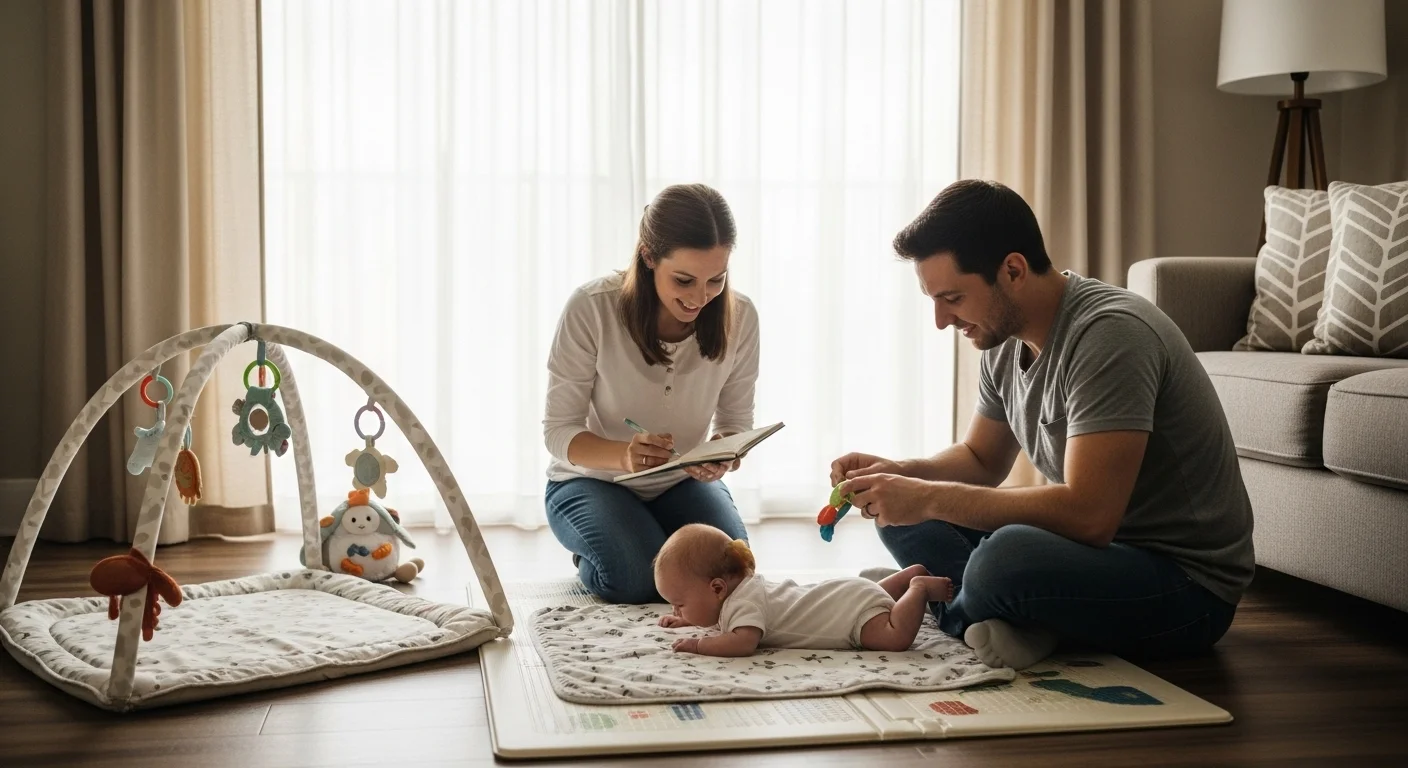
Understanding Newborn Physical Milestones
What Are Physical Milestones?
Physical milestones refer to key movements and skills that babies typically achieve as they grow. These skills are essential for their overall development, including motor skills, hand-eye coordination, and more. I remember when my little one first smiled or started to reach for a toy; it felt like magic. Each new skill marks a step toward independence and confidence in their abilities.
Generally, physical milestones are categorized into two main areas: gross motor skills and fine motor skills. Gross motor skills include larger movements such as rolling over, sitting up, and walking, while fine motor skills involve smaller movements like grasping objects or pointing. Observing these milestones helps us appreciate our baby’s unique journey and understand what to expect at different stages.
Importance of Tracking Milestones
Tracking physical milestones is crucial for several reasons. For one, it helps us monitor our baby’s growth and development. I found it reassuring to keep a record of these milestones, as it allowed me to celebrate each small victory and have a sense of progress. It also helps in identifying any potential developmental delays early on. By staying aware, we can seek guidance or support if needed, ensuring our little ones receive the best care.
Moreover, tracking milestones can strengthen our bond with our babies. Engaging with them during playtime as they develop their skills creates precious memories. I discovered that simply being present and cheering them on made my baby light up with joy, reinforcing their motivation to learn and grow. We’re not just observers; we’re active participants in their development.
Key Physical Milestones in the First Year
Motor Skills Development
Motor skills development is one of the most visible areas of growth in the first year. I remember marking my calendar for the day my baby rolled over for the first time. Each milestone was a cause for celebration and wonder. Here are some key motor skills to watch for:
Rolling Over
Most babies start to roll over between four and six months. I was amazed at how quickly my baby grasped this skill. Initially, they might roll from tummy to back, and then as they grow stronger, they’ll start rolling from back to tummy. It’s fascinating to see how they learn to use their muscles and coordination.
Sitting Up
By around six months, many babies can sit up with minimal support. I remember how proud I felt when my little one could sit independently. It opened up a world of play, as they could reach for toys and engage more with their surroundings. This milestone is essential as it helps develop balance and strength, laying the groundwork for crawling.
Crawling
Crawling typically begins around eight to ten months. I recall my heart racing as I watched my baby make those first tentative movements. It’s such a critical skill, as it encourages exploration and independence. Crawling also helps develop coordination and spatial awareness, setting the stage for future movements.
Standing and Walking
Most babies take their first steps between 9 and 15 months. This was such an exhilarating time for me! Seeing my baby stand up and take those shaky steps was both thrilling and nerve-wracking. Walking is not just about mobility; it fosters confidence and curiosity, allowing them to explore more of the world around them.
Hand-Eye Coordination
Hand-eye coordination is another vital area of development during the first year. I didn’t realize how important these skills were until I saw my baby reaching for toys and successfully grabbing them. Here are some key milestones in this area:
Reaching and Grasping
By three months, babies start reaching for objects. I remember how excited I felt when my baby reached out for a colorful rattle. This is a significant development as it shows they are beginning to understand their surroundings and how to interact with them. Developing a strong grasp is crucial for their ability to manipulate objects later on.
Transferring Objects
As babies grow, they learn to transfer objects from one hand to another around six to eight months. I found it fascinating to watch my child practice this skill, as it shows their developing dexterity and coordination. It’s a vital stepping stone toward more complex tasks, like stacking blocks or feeding themselves.
Pointing
By around ten months, many babies begin to point at objects. This was a delightful phase for me, as it indicated not only improved coordination but also emerging communication skills. Pointing is a way for babies to express their interests and desires, signaling their growing awareness of the world around them.
Timeline for Milestone Tracking
Milestones by Age: 0-3 Months
During the first three months, newborns are adjusting to life outside the womb, and their progress can be quite remarkable. I remember those early days, when it felt like my baby was constantly changing. Here are some key milestones to expect:
- Reflexes: Newborns are born with reflexes like the rooting reflex, which helps them find the breast or bottle for feeding. Watching my baby instinctively turn their head toward my finger when I gently stroked their cheek was a heartwarming experience.
- Head Control: By two months, many babies begin to gain better head and neck control. I felt a surge of pride when my little one started lifting their head during tummy time, showing off their growing strength.
- Visual Tracking: Around this age, babies begin to focus on faces and objects, often following them with their eyes. It was magical to see my baby’s eyes light up when they spotted a colorful mobile hanging above their crib.
Milestones by Age: 4-6 Months
As babies enter this stage, their physical abilities start to flourish rapidly. I could hardly keep up with my baby’s newfound skills. Here’s what I noticed:
- Rolling Over: As mentioned earlier, rolling over typically begins around this time, and it was thrilling to see my baby experiment with this skill. I often bought soft play mats to ensure safe rolling!
- Sitting with Support: By six months, many infants can sit with minimal support, which opens up a whole new world for them to explore. I loved placing toys around my baby during this stage to encourage reaching and playing.
- Laughing and Vocalizing: While not a physical milestone, I found that my baby’s social engagement increased significantly. Hearing those delightful giggles made me feel like a proud parent every single day.
Milestones by Age: 7-9 Months
In this period, my baby’s personality started to shine through their physical development. I was amazed at how active they became:
- Crawling: This is a time of exploration, as many babies begin to crawl. I could hardly contain my excitement as I watched my little one move across the room, eager to investigate everything!
- Pulling Up: By around nine months, babies often start pulling themselves up to stand. I remember my heart racing as my baby used the furniture as support, ready to take on the world from a new height.
- Improved Grasp: This is also when I noticed my baby becoming more adept at grasping and manipulating objects. It was delightful to see them try to pick up small toys, showcasing their developing fine motor skills.
Milestones by Age: 10-12 Months
The final stretch of the first year is nothing short of exhilarating. I often found myself feeling a mix of nostalgia and excitement as my baby achieved these impressive milestones:
- Standing Alone: By eleven or twelve months, many babies can stand unassisted for short periods. I remember the thrill of seeing my baby stand tall, ready to take on the next adventure.
- First Steps: The moment my baby took their first steps was unforgettable. It felt like a rite of passage, marking the beginning of their journey into independence.
- Simple Words: While this is not a physical milestone, many babies start to say simple words like “mama” or “dada.” Hearing my baby say my name for the first time filled my heart with joy.
How to Track Your Newborn’s Milestones
Keeping a Milestone Journal
Throughout my journey as a parent, I found that keeping a milestone journal was one of the most rewarding things I could do. I dedicated a small notebook to jotting down each new skill my baby mastered. It was incredible to flip through the pages and see the progression over time. I included dates, little drawings, and even photos. This journal became like a cherished keepsake, capturing precious moments that would otherwise drift into memory.
Using Apps and Online Tools
In today’s digital age, I discovered that there are numerous apps designed to help track baby milestones. I downloaded a couple of them, and they made it easy to log each achievement and receive reminders for upcoming milestones. I appreciated the tips and resources these apps provided, which helped me stay informed about what to expect next. It felt reassuring to have everything organized in one place.
Consulting Healthcare Professionals
While I loved tracking milestones at home, I also valued regular check-ups with our pediatrician. These visits were perfect opportunities to discuss my baby’s progress and get professional insights. I appreciated the guidance our pediatrician provided, and it helped me feel more confident in supporting my baby’s development. If I ever had concerns about specific milestones, I felt comfortable discussing them during these appointments.
Signs of Developmental Delays
When to Be Concerned
As I navigated the joys and challenges of parenthood, I quickly learned that being aware of potential developmental delays is essential. While every baby develops at their own pace, there are certain signs that can indicate that a little one might need extra support. I remember feeling a mix of anxiety and determination when I noticed my baby wasn’t quite hitting the milestones at the same time as some of their peers.
For instance, if your baby isn’t rolling over by six months, sitting up by nine months, or walking by 15 months, it might be worth discussing with a healthcare professional. Other signs to watch for include:
- Lack of Eye Contact: Around three months, babies should be able to hold eye contact and track objects. I found it concerning when my little one didn’t seem to follow my movements with their gaze.
- Not Responding to Sounds: By six months, babies typically respond to their names or sounds. I remember my heart dropping when I called out to my baby, and there was no reaction.
- Limited Movement: If a baby shows little movement or doesn’t seem to enjoy tummy time, it can be an indicator of muscle weakness or coordination issues. I found it helpful to encourage movement, but it was alarming when my baby seemed uninterested.
These signs don’t necessarily mean there’s a serious issue, but they can be important indicators. I learned that being proactive and informed allows us to advocate for our children’s needs effectively.
Consulting with Pediatricians
If you have any concerns about your baby’s development, I cannot stress enough the importance of consulting with your pediatrician. During our visits, I always felt a bit of nervousness knowing I would discuss my worries, but I also found immense comfort in their expertise. They can evaluate your baby’s growth and development, providing insights and reassurance.
When I brought up my concerns, my pediatrician was always understanding and encouraged me to share specific observations. I learned to keep a list of milestones my baby hadn’t yet reached, which made it easier to communicate my worries. Our conversations often led to tailored advice, whether it was activities to try at home or referrals to specialists if needed.
Healthcare professionals can also help dispel any myths or fears we might have about our baby’s development. With their guidance, I felt empowered to support my child’s growth more effectively, knowing that I was doing the best I could.
Supporting Your Newborn’s Development
Activities to Encourage Motor Skills
Once I understood the importance of reaching physical milestones, I was eager to find ways to support my baby’s development. I discovered that engaging in simple activities could significantly boost their motor skills. Some of my favorite activities included:
Tummy Time
Tummy time became a cherished routine in our household. It was important for strengthening my baby’s neck and shoulder muscles. I remember placing my little one on a soft blanket, surrounded by colorful toys to entice them. Watching my baby attempt to lift their head and eventually push up on their arms filled me with joy. I learned to make tummy time fun by getting down on the floor with them, singing songs, or using mirrors. It turned out to be a wonderful bonding experience for both of us!
Interactive Play
As my baby grew, I found that interactive play was a fantastic way to encourage motor skills. I enjoyed playing games that involved reaching and grasping, like rolling a ball back and forth. Toys that made sounds or had different textures were also great for captivating my baby’s attention. I loved seeing their excitement as they learned to reach for objects that caught their eye. These activities not only supported their physical development but also created meaningful moments that strengthened our bond.
Creating a Safe Environment for Exploration
Creating a safe space for my baby to explore was another critical aspect of their development. I remember child-proofing our home, removing sharp objects, and covering electrical outlets. I wanted my baby to feel free to move around without any hazards. Setting up a play area with soft mats and pillows encouraged my little one to crawl, pull up, and eventually walk. It was amazing to watch them confidently navigate their surroundings, and knowing I had provided a safe environment gave me peace of mind.
As I observed my baby exploring, I felt a sense of pride in knowing that I was fostering their independence and confidence. Supporting their development became a joyful adventure that we embarked on together, full of laughter and discovery.
Resources for Parents
Books and Guides on Newborn Development
During my journey of parenthood, I found myself diving into numerous books and guides focused on newborn development. These resources became my go-to for learning and understanding what to expect at different stages. One book that stood out for me was “The Whole-Brain Child” by Daniel J. Siegel and Tina Payne Bryson. It provided insights into how a child’s brain develops and offered practical tips for nurturing their growth. I appreciated how it made complex ideas accessible, and it often turned into a conversation starter with other parents.
Another favorite was “What to Expect the First Year” by Heidi Murkoff. I loved how it broke down milestones month by month, offering reassurance and celebrating little victories along the way. It felt like having a friend by my side, guiding me through the ups and downs of parenting. I recommend checking out your local library or bookstore for similar titles that resonate with you.
Online Communities and Support Groups
Connecting with other parents through online communities has been invaluable. I joined several groups on social media platforms, where I could share experiences, ask questions, and support one another. I remember feeling a wave of relief when I realized that I wasn’t alone in my worries or challenges. These communities provided a sense of camaraderie, reminding me that we are all navigating this journey together.
Forums like BabyCenter and What to Expect also offered spaces to discuss milestones and share advice. I found that hearing from others about their experiences helped me gain perspective and new ideas for encouraging my baby’s development. Knowing I had a network of people to rely on made the journey more enjoyable and less isolating.
Professional Resources and Organizations
In addition to books and online communities, I also turned to professional organizations for reliable information. Websites like the American Academy of Pediatrics (AAP) and the Centers for Disease Control and Prevention (CDC) provide valuable resources on child development. I often visited their sites to find updated guidelines on milestones, health tips, and developmental assessments. The information was straightforward and helped me feel more confident as a parent.
I also learned about local parenting classes and workshops through these organizations, which offered opportunities to meet other parents and gain insights from experts. Attending these events not only expanded my knowledge but also connected me with a supportive community of fellow parents.
Final Thoughts
Reflecting on this journey of tracking and supporting my newborn’s physical milestones, I realize how crucial it is to be both observant and proactive. Each milestone achieved is a testament to our little ones’ growth and resilience. It’s a beautiful reminder of how quickly they change and develop, and I feel so grateful to be part of that experience.
As we encourage our babies to explore their world, let’s remember to be patient and celebrate every achievement, no matter how small. Whether through journaling, utilizing apps, or engaging with healthcare professionals, we have a wealth of resources at our fingertips to guide us. In the end, our love, support, and involvement are what matter most in helping our children reach their full potential. I hope you find joy in each moment, and may your journey with your little one be filled with love and laughter.
Frequently Asked Questions
What are physical milestones in newborns?
Physical milestones refer to key movements and skills that babies typically achieve as they grow, including motor skills and hand-eye coordination. These milestones are essential for overall development and mark steps toward independence and confidence.
What are gross motor skills and fine motor skills?
Gross motor skills involve larger movements, such as rolling over, sitting up, and walking. Fine motor skills involve smaller movements, like grasping objects or pointing.
Why is tracking physical milestones important?
Tracking physical milestones helps monitor a baby’s growth and development, allows for early identification of potential developmental delays, and strengthens the bond between parents and babies through shared experiences during playtime.
What are some key motor skills to watch for in the first year?
Key motor skills include rolling over (around 4-6 months), sitting up (around 6 months), crawling (around 8-10 months), and standing and walking (between 9-15 months). For more on this topic, you can read Top Symptoms of Newborn Illness: What to Watch For.
What is the significance of hand-eye coordination in newborn development?
Hand-eye coordination is vital as it allows babies to interact with their environment. Key milestones include reaching and grasping (by 3 months), transferring objects (around 6-8 months), and pointing (around 10 months).
What should I do if I notice signs of developmental delays in my baby?
If you notice signs of developmental delays, such as not rolling over by six months or not responding to sounds by six months, it is important to consult with a healthcare professional for evaluation and guidance.
How can parents support their newborn’s development?
Parents can support their newborn’s development through activities like tummy time, interactive play, and creating a safe environment for exploration. These activities encourage motor skills and foster independence.
What resources are available for parents to track their baby’s development?
Parents can utilize milestone journals, apps designed for tracking milestones, and consult healthcare professionals during regular check-ups to monitor their baby’s development effectively.
What books or guides can help parents understand newborn development?
Books like “The Whole-Brain Child” by Daniel J. Siegel and “What to Expect the First Year” by Heidi Murkoff offer valuable insights into newborn development and milestones, helping parents understand what to expect. Additionally, I recommend reading Recognizing Newborn Illness: A Parent’s Quick Guide for more information.
How can online communities benefit new parents?
Online communities provide support, shared experiences, and advice from other parents. They offer a sense of camaraderie and can help alleviate feelings of isolation during the parenting journey.