
Transforming behavior in parenting is an exciting journey, and positive reinforcement is a powerful tool that can make a significant difference. Let’s explore how this approach can shape our children’s behavior for the better. Read Interesting article: Successful Parenting: Positive Reinforcement for Toddlers
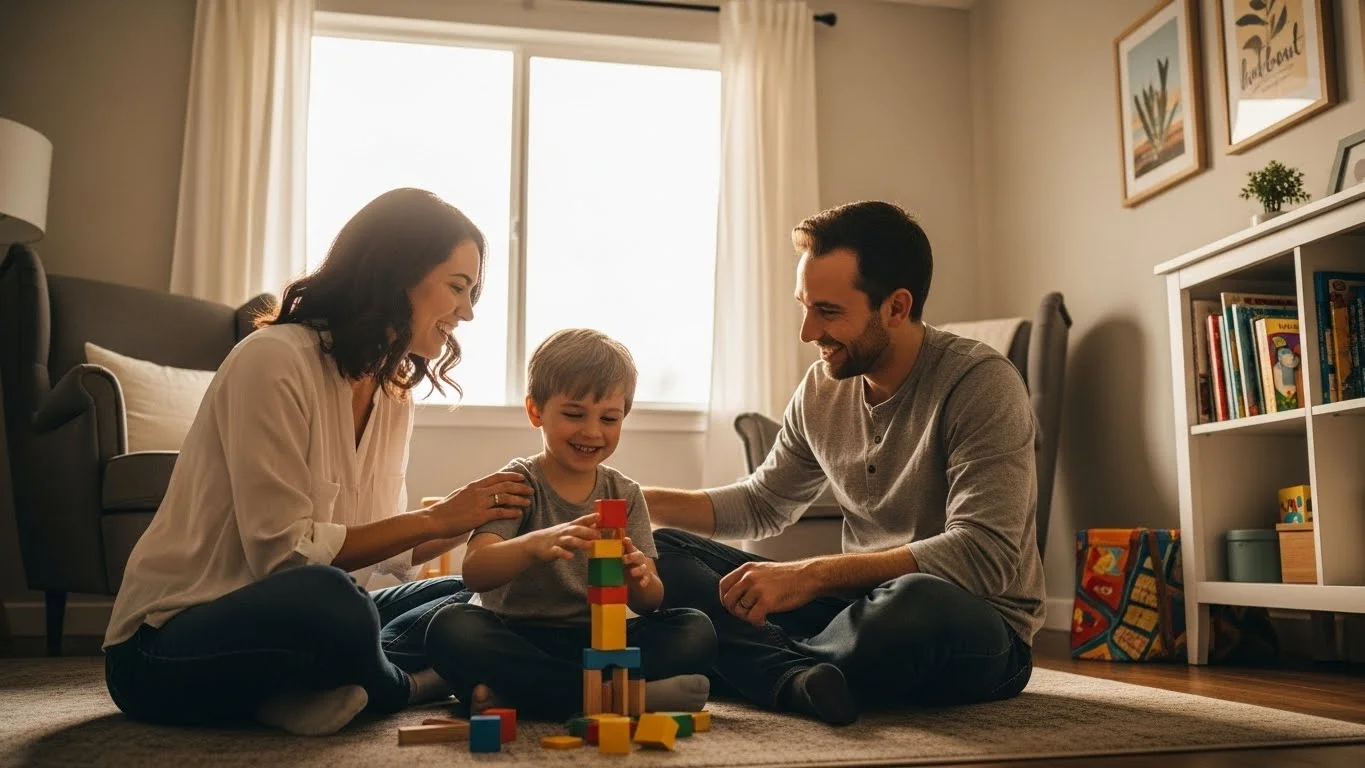
Understanding Positive Reinforcement in Parenting
Definition of Positive Reinforcement
Positive reinforcement is all about encouraging desired behaviors by providing rewards or positive feedback. When we notice our children doing something good—like sharing their toys or finishing their homework—we can respond by praising them or giving them a small reward. This makes it more likely that they will repeat that behavior in the future. I remember when I first learned about this concept; it felt like a lightbulb moment. I realized that instead of solely focusing on correcting negative behaviors, I could motivate my kids by celebrating the good things they do. It was a game-changer in our household!
Importance of Positive Reinforcement in Child Development
The significance of positive reinforcement in parenting cannot be overstated. It plays a crucial role in a child’s emotional and social development. When I started using positive reinforcement, I noticed my kids becoming more confident and willing to try new things. They felt good about their achievements, no matter how small. This encouragement fosters a supportive environment where children learn about themselves and their abilities. It helps them understand that their efforts are valued, which is so important for their self-esteem. I’ve seen how this approach not only improves behavior but also strengthens our family bond.
The Psychology Behind Positive Reinforcement
Behavioral Psychology Principles
At its core, positive reinforcement is grounded in behavioral psychology. The principle is simple: behaviors that are rewarded are more likely to be repeated. I’ve often thought about the times I’ve encouraged my children with something as simple as a high-five or a “Great job!” after they’ve cleaned up their room. Those little moments of acknowledgment can lead to lasting habits. It’s fascinating to see how psychological theories can play out in real life and how they can help us shape our children’s behavior in a positive way. Read Interesting article: Unlocking Positive Discipline: 5 Key Reinforcement Techniques
Impact on Child’s Self-Esteem and Confidence
Positive reinforcement doesn’t just change behavior; it significantly boosts a child’s self-esteem and confidence. I’ve seen it firsthand with my own kids. When they receive praise for their efforts, they light up with pride. This sense of achievement encourages them to tackle challenges with resilience. For instance, when my daughter was struggling with math, I started praising her when she attempted the problems, regardless of whether she got them right. Over time, her confidence grew, and she began to enjoy math. It’s beautiful to witness how encouragement can transform a child’s relationship with learning and self-image.
Using positive reinforcement creates a nurturing environment where children can thrive. The more we encourage them, the more they believe in themselves. I’ve learned that it’s essential to keep the focus on their strengths and achievements, which fosters a sense of security and belonging. As they grow, this foundation can help them navigate the ups and downs of life with greater resilience.
Implementing Positive Reinforcement Techniques
Types of Positive Reinforcement
When I began to dive deeper into positive reinforcement, I discovered a variety of ways to implement it in our daily lives. It’s truly fascinating how different forms of reinforcement can resonate differently with each child. Here are some techniques I’ve found particularly effective.
Verbal Praise
Verbal praise is one of the simplest yet most powerful tools in our parenting toolkit. I remember the first time I genuinely praised my son for putting his toys away without being asked. His face lit up, and I could see how much it meant to him. Phrases like “I’m so proud of you!” or “You worked really hard on that!” can have an immeasurable impact. I’ve learned that being specific in my praise helps too—acknowledging not just the action but also the effort behind it. Instead of just saying “Good job,” I might say, “You did an amazing job cleaning your room and organizing your toys; that took a lot of dedication!” This specificity helps them understand what they did right and reinforces that behavior.
Rewards and Incentives
While verbal praise is crucial, I’ve found that tangible rewards can also play a significant role. Small rewards, like stickers or a favorite snack, can motivate kids to repeat desired behaviors. I remember creating a simple reward chart for my daughter. Each time she helped around the house or completed her homework on time, she earned a sticker. After accumulating a certain number, she could choose a special activity or treat. It was a win-win situation; she felt accomplished, and I got a helping hand around the house. However, I’ve learned that it’s vital to keep these rewards simple and not overly extravagant, so they don’t overshadow the behavior we’re encouraging.
Quality Time
One of my favorite forms of positive reinforcement is spending quality time together. I’ve noticed that my kids respond incredibly well when I reward them with one-on-one time. Whether it’s a special outing to the park or a movie night at home, these moments reinforce their good behavior while also strengthening our bond. It’s not just about the activity but also about the connection we share during that time. I often tell my kids, “Because you helped with dinner, we get to have a movie night together!” It’s a great way to show them that good behavior leads to rewarding experiences. Plus, it allows us to create memories that last a lifetime.
How to Identify Desired Behaviors
Identifying which behaviors to reinforce can be a journey in itself. I’ve learned to pay close attention to my children’s actions and interactions. For instance, if I notice that my son is being particularly kind to his sister or finishing his chores without reminders, those are moments worth celebrating. I wrote down a few behaviors I wanted to encourage—like sharing, completing homework, or helping out at home. This clarity helped me focus my reinforcement efforts. I found that when I explicitly state what behaviors I appreciate, it not only helps my children understand what’s expected but also makes them feel recognized for their efforts.
Timing and Consistency in Reinforcement
Timing is everything when it comes to positive reinforcement. I’ve found that the closer the reinforcement is to the behavior, the more effective it is. For example, if my daughter finishes a task, praising her right away makes the connection clearer. I remember a time when I forgot to acknowledge her good behavior until much later, and she seemed confused about why I was praising her. That taught me the importance of immediate feedback. Additionally, consistency is key. I make a conscious effort to reinforce behaviors regularly. If I praise them one day and ignore the same behavior the next, it can send mixed signals. By being consistent, I help my children understand that their efforts are always valued.
Implementing these techniques has transformed our home dynamic. I’ve noticed that my kids are more motivated and eager to engage in positive behaviors, and it feels rewarding to be part of their growth. The beauty of positive reinforcement is that it not only shapes our children’s actions but also nurtures our relationships. I cherish the moments when I can see their confidence grow, knowing that we’re building a supportive environment together. Read Interesting article: Parenting Hacks: Managing Tantrums While Traveling
Positive Reinforcement Strategies for Different Age Groups
Infants and Toddlers
When I think about the early days with my little ones, I realize that positive reinforcement can start as soon as they begin to interact with the world around them. With infants and toddlers, the key is to keep things simple and immediate. For example, when my daughter first started clapping her hands, I would clap along and cheer with an enthusiastic “Yay!” This not only made her smile but also encouraged her to continue exploring and repeating that action. I learned that even the smallest gestures, like a smile or a hug, can serve as powerful rewards for our tiny tots.
During this stage, it’s essential to focus on basic behaviors like crawling, walking, and even simple words. I found that responding with joy and excitement to these milestones helped reinforce their desire to keep trying. I remember when my son took his first steps; my heart swelled with pride as I celebrated the moment. Those small victories are what lay the foundation for a child’s sense of accomplishment and curiosity. It’s amazing how a few words of encouragement can make a world of difference in their developmental journey.
Preschoolers
As our children grow into preschoolers, their understanding of the world expands, and so does their ability to grasp positive reinforcement. At this stage, I found that they thrive on more structured techniques. For instance, I started using a reward chart to track behaviors like sharing, using manners, and completing tasks. Each time my kids achieved these goals, they earned stickers—something they absolutely loved! I remember how excited my daughter was when she filled her chart and earned a special outing. It was a beautiful way to encourage responsibility while also making it fun.
Verbal praise also plays a crucial role during these years. I’ve learned that acknowledging efforts is immensely rewarding. For example, when my son helped tidy up the play area, I made it a point to say, “You did such a great job helping to clean up! Thank you!” This not only reinforced the behavior but also made him feel valued. Plus, I noticed that when they felt appreciated, they were more likely to repeat those positive actions. It’s all about creating a nurturing environment where they learn to take pride in their contributions.
School-Age Children
Once my kids hit school age, the dynamics shifted a bit. They were exposed to a broader social environment, and I realized that positive reinforcement needed to adapt. For school-age children, I found that it’s essential to encourage not just academic achievements but also social interactions and emotional growth. I remember creating a family “kindness jar” where my kids could write down kind things they did for others. Each time someone contributed, we would read the notes together and celebrate those acts of kindness. It helped instill values like empathy and consideration in a fun and engaging way.
At this age, rewards can take many forms, from special outings to extra screen time. I’ve discovered that setting clear expectations and celebrating their efforts, such as completing homework or helping friends, can go a long way in motivating them. My son once struggled with a group project, but with encouragement and positive reinforcement, he eventually gained the confidence to present it to his class. Witnessing his growth and sense of accomplishment was incredibly rewarding, both for him and for me as a parent.
Teenagers
As my children transitioned into their teenage years, I quickly realized that positive reinforcement took on a different flavor. Teenagers are at a stage where they crave independence and recognition. I found that instead of constant praise, giving them the space to make choices and acknowledging those choices was more effective. For instance, when my daughter chose to manage her own study schedule, I praised her for taking responsibility rather than just focusing on the grades she achieved. This shift in approach helped her feel more in control of her own learning process.
Quality time became increasingly important as well. I would often sit down with my teenagers to discuss their interests and goals. I learned that actively engaging in their passions, whether it’s attending a sports game or watching their favorite shows together, provided a rewarding experience that reinforced our bond. It’s a delicate balance; by showing genuine interest in their lives, I not only celebrated their achievements but also fostered an environment where they felt comfortable sharing their challenges.
In all these stages, I’ve come to appreciate the unique ways positive reinforcement can adapt to meet the needs of our children as they grow. Whether it’s a simple cheer for a toddler or meaningful discussions with a teenager, I believe that acknowledging their efforts and achievements fosters a lifelong appreciation for learning and self-improvement.
Common Challenges in Using Positive Reinforcement
Over-Reliance on Rewards
As I dove deeper into positive reinforcement, I encountered some challenges along the way. One of the biggest pitfalls I noticed was the risk of becoming overly reliant on external rewards. While it’s easy to see the immediate effects of stickers or treats, I realized that this approach could backfire if not balanced correctly. My son, for instance, began to expect a reward for every little task he completed. I felt like I was setting a precedent where he wouldn’t feel motivated unless there was something tangible attached to his efforts. Finding that sweet spot of encouragement without creating dependency took some trial and error. I learned that intrinsic motivation—doing something for the sake of accomplishment—was equally important. Gradually, I started emphasizing the joy of accomplishment itself, reminding my kids how good it feels to achieve something without expecting a reward every time.
Inconsistency in Application
Another challenge I faced was inconsistency in applying positive reinforcement. There were days when I was on top of my game, praising every good deed, but then I’d have days where I was distracted or simply forgot. I noticed that on those off days, my kids seemed a bit lost, unsure if their efforts were still appreciated. It became clear to me that consistency is crucial in reinforcing behaviors. I committed to being more mindful and intentional about my responses. I made it a point to celebrate even the small victories regularly. Keeping a visual reminder, like a chart or a note, helped me stay focused on acknowledging their good behavior consistently. This shift not only reinforced their positive actions but also created a more predictable environment where they felt secure in knowing what to expect from me.
Misunderstanding Positive Reinforcement vs. Punishment
It’s also easy to conflate positive reinforcement with the absence of punishment. I’ve sometimes found myself falling into the trap of thinking that just by avoiding negative feedback, I was practicing positive reinforcement effectively. However, I soon realized that simply not punishing a child doesn’t equate to reinforcing good behavior. It became vital for me to actively highlight and celebrate the desired behaviors rather than merely avoiding discussions about the undesired ones. For example, instead of saying, “Don’t be rude,” I learned to say, “I love how polite you were with your friend today!” This shift not only provided clarity but also fostered an environment where positive actions were spotlighted, rather than just the absence of negative ones.
Measuring the Effectiveness of Positive Reinforcement
Observing Behavioral Changes
One of the most rewarding aspects of using positive reinforcement has been measuring its effectiveness through observable changes in my children’s behavior. Early on, I started noticing small shifts, like my son voluntarily helping to clean up after playtime without being asked. It felt like a victory! I kept a mental note of these changes, and the more I saw them, the more encouraged I became to continue using this technique. I learned that tracking behaviors over time could provide valuable insights into what approaches worked best for our family. I often reflected on how my children reacted to praise and rewards, adjusting my techniques as needed based on what I observed.
Feedback from Children
Gathering feedback from my kids has also been a game-changer. I would often ask them how they felt about the praise or rewards they received. I remember one day, I asked my daughter how she felt when she earned a sticker for helping set the table. She grinned and said it made her feel like a “big helper.” That simple piece of feedback confirmed to me that the positive reinforcement was hitting the mark. Encouraging open communication about their feelings allowed me to adjust my reinforcement methods based on their responses, ensuring that they were genuinely motivated and not just performing for the sake of rewards.
Adjusting Techniques Based on Results
I’ve learned that flexibility is key when it comes to positive reinforcement. What works for one child at a certain stage may not resonate with another or even a different stage of development. For instance, my teenager started to show less enthusiasm for stickers and tangible rewards, while my younger child thrived on them. I adapted my strategies, focusing more on quality time and meaningful conversations with my teen, while maintaining a vibrant reward system for my younger children. Being willing to adjust my techniques based on the results I observed has made a significant difference in our family dynamics.
Case Studies and Real-Life Examples
Successful Implementation in Families
Looking at other families who have successfully implemented positive reinforcement has provided me with inspiration and new ideas. I remember reading about a family that created a “gratitude jar” where each member would write down something they appreciated about one another. These acts of recognition became a way to reinforce positive behaviors while fostering a nurturing environment. I decided to introduce something similar in our home, and it became a fun and heartfelt activity to read through the notes together at the end of each week. This not only reinforced behaviors but also strengthened our family bond.
Educational Settings and Positive Reinforcement
Schools have also begun to embrace positive reinforcement as a means to encourage students. I’ve seen how teachers use reward systems and praise to celebrate achievements, both big and small, in the classroom. When my child’s teacher introduced a system where students could earn “star points” for good behavior, I noticed a shift in my child’s motivation. They began to take pride in their actions, and the classroom environment became more positive. This real-world application of positive reinforcement resonated with me, showing how it can lead to a more encouraging atmosphere not just at home, but also in educational settings.
Resources for Parents
Books on Positive Parenting
If you’re looking to delve deeper into positive reinforcement, there are incredible books out there that I’ve found helpful. Titles like “The Whole-Brain Child” by Daniel J. Siegel and Tina Payne Bryson offer insights into nurturing children’s emotional and developmental needs while emphasizing positive reinforcement techniques. I’ve learned so much from exploring different perspectives on parenting through these books, and I highly recommend checking them out!
Online Courses and Workshops
There are also fantastic online courses and workshops focused on positive parenting techniques. I personally enrolled in a workshop that discussed various strategies to implement positive reinforcement effectively. The interactive format allowed me to share experiences with other parents, learn from experts, and come away with actionable tips I could start using right away.
Support Groups and Communities
Lastly, connecting with fellow parents through support groups and online communities has proven invaluable. Sharing stories, challenges, and successes with others on a similar parenting journey provides encouragement and a sense of camaraderie. I’ve formed friendships with other parents who share my commitment to positive reinforcement, and we regularly exchange ideas and support each other. It’s a wonderful reminder that we are not alone in this parenting adventure.
Final Thoughts
Embracing positive reinforcement in parenting has transformed my approach and deepened my connection with my children. It’s been a journey filled with learning, adjustments, and heartfelt moments. I believe that by focusing on celebrating the good, acknowledging their efforts, and fostering open communication, we can create a nurturing environment where our children can thrive. Every child is unique, and as parents, we have the opportunity to adapt these techniques to suit their individual needs. The rewards of this method are not just about improved behavior but also about building lasting relationships and instilling confidence in our children. Reflecting on this journey, I feel grateful for the moments of growth, both for my kids and for myself as a parent. Together, we are learning and growing, and I can’t wait to see where this positive path takes us next.
Frequently Asked Questions
What is positive reinforcement in parenting?
Positive reinforcement is a method of encouraging desired behaviors by providing rewards or positive feedback. It involves praising children for good actions, making it more likely they will repeat those behaviors in the future.
Why is positive reinforcement important for child development?
Positive reinforcement plays a crucial role in a child’s emotional and social development, enhancing their self-esteem and confidence. It fosters a supportive environment where children learn to value their efforts and achievements.
What are some effective techniques for implementing positive reinforcement?
Effective techniques include verbal praise, tangible rewards like stickers or treats, and quality time spent together. Each method can resonate differently with children, making it important to tailor the approach to individual needs.
How can parents identify desired behaviors to reinforce?
Parents can identify desired behaviors by paying close attention to their children’s actions and interactions. Noting specific behaviors they want to encourage, such as sharing or completing homework, helps in focusing reinforcement efforts.
Why is timing important in positive reinforcement?
Timing is crucial because the closer the reinforcement is to the behavior, the more effective it is. Immediate praise or rewards help children make clear connections between their actions and the positive feedback they receive.
What challenges might parents face when using positive reinforcement?
Common challenges include over-reliance on tangible rewards, inconsistency in applying reinforcement, and misunderstanding positive reinforcement versus punishment. Balancing these aspects is essential for effective implementation.
How can parents measure the effectiveness of positive reinforcement?
Parents can measure effectiveness by observing behavioral changes, gathering feedback from their children about the praise or rewards received, and adjusting techniques based on the results of those observations.
What are some strategies for using positive reinforcement with different age groups?
Strategies vary by age: for infants and toddlers, focus on simple, immediate rewards; for preschoolers, use structured techniques like reward charts; for school-age children, encourage social interactions and emotional growth; and for teenagers, emphasize independence and quality time.
What resources are available for parents interested in positive reinforcement?
Parents can explore books on positive parenting, enroll in online courses and workshops on positive reinforcement techniques, and connect with support groups and online communities for shared experiences and encouragement.
What are the overall benefits of adopting positive reinforcement in parenting?
Adopting positive reinforcement leads to improved behavior in children, strengthened family relationships, and a nurturing environment that fosters growth, confidence, and open communication.