
Transforming your child into a bookworm can be an exciting journey. With the right tips and encouragement, we can help instill a lifelong love of reading in our kids.
Understanding the Benefits of Reading for Children
When I first started reading with my child, I was amazed at how much they absorbed from the stories. Reading isn’t just about words on a page; it’s a powerful tool for development. Understanding the benefits of reading can motivate us to nurture this habit in our children.
Enhancing Cognitive Development
Reading is crucial for cognitive development. I’ve seen firsthand how books can expand my child’s ability to think critically and solve problems. Engaging with different stories and characters introduces children to new ideas and perspectives. For example, when we read a mystery book together, my child would often pause to guess what would happen next, which encouraged their analytical thinking. I believe that each page turned is a step toward sharpening their minds and enhancing their ability to process information.
Improving Language Skills
Language skills flourish through reading. I remember how my child’s vocabulary expanded dramatically after we started our regular reading sessions. They began using new words in conversation, which was delightful to hear. Reading aloud not only introduces new vocabulary but also helps with pronunciation and grammar. I often encourage my child to explore different authors and styles, exposing them to diverse language use. It’s a simple yet effective way to improve their communication skills.
Fostering Imagination and Creativity
One of my favorite aspects of reading is how it sparks imagination. I’ve noticed that when my child dives into a fantasy world, their creativity blossoms. They begin to create their own stories and characters, inspired by what they’ve read. I often see them using art supplies to illustrate their favorite scenes. Reading not only provides escapism but also cultivates the ability to think beyond the ordinary. It’s heartwarming to see their imagination take flight, and I can’t help but feel proud of their creative growth.
Building Empathy and Emotional Intelligence
Books can teach empathy in profound ways. I’ve found that stories featuring diverse characters and experiences help my child understand different perspectives and emotions. When we read about a character facing a challenge, it opens up conversations about feelings and choices. I often ask my child how they would feel in that situation or what they would do differently. This practice has not only increased their emotional intelligence but also strengthened our bond as we share thoughts and feelings about the stories we read together.
Creating a Reading-Friendly Environment
Setting Up a Cozy Reading Nook
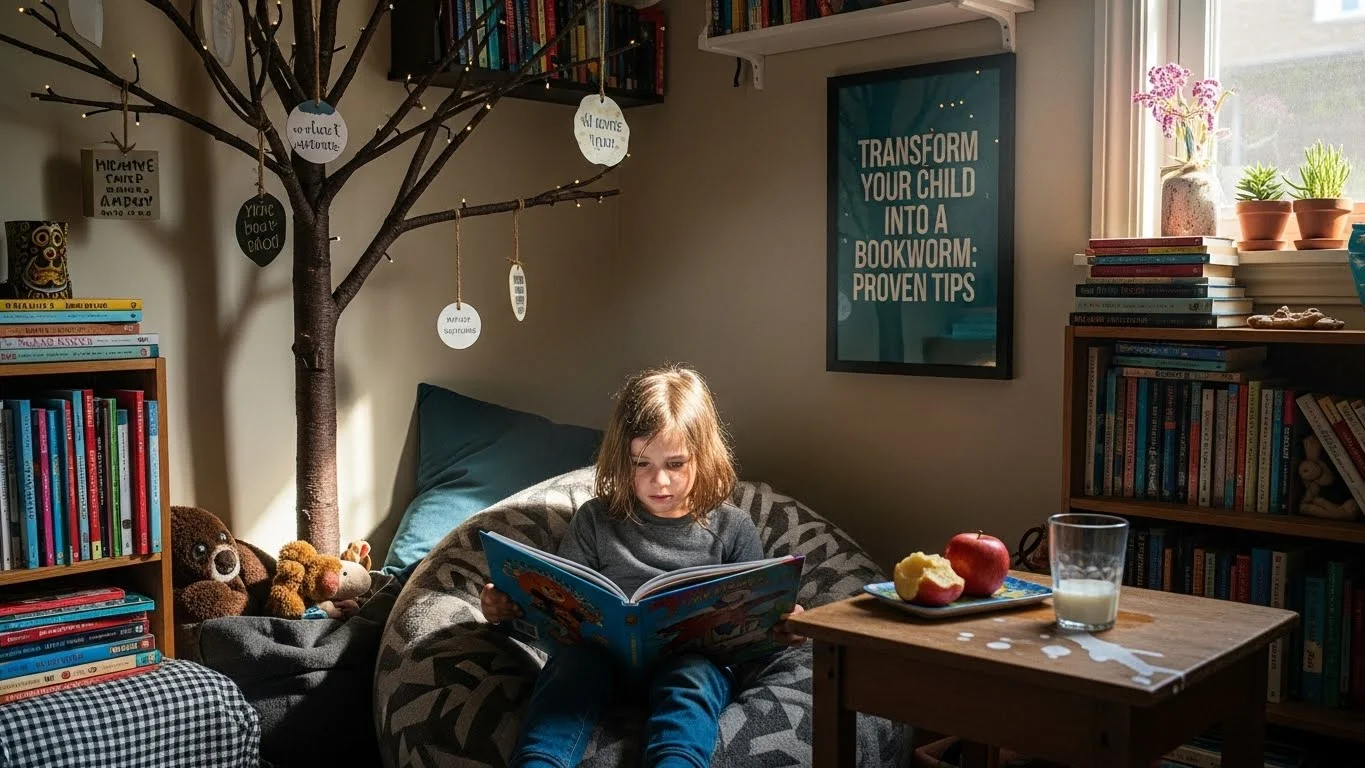
Creating a cozy reading nook has been a game-changer for us. I decided to carve out a small space in our living room, complete with a comfy chair, soft lighting, and a small bookshelf. I let my child help decorate it with their favorite cushions and a cozy blanket. This little corner became a sanctuary for us, where we could snuggle up and get lost in books together. I encourage you to create a space that invites your child to dive into stories. Make it special, and it will become a cherished routine.
Choosing the Right Bookshelves
The right bookshelves can make all the difference. I’ve learned that a shelf within reach empowers my child to pick books independently. We worked together to organize their books by genre, making it easier for them to find something they’re interested in. I love watching their eyes light up when they rediscover a favorite book or find a new one. It’s important to make books accessible; it encourages spontaneous reading moments throughout the day.
Minimizing Distractions
In our fast-paced world, distractions are everywhere. I found that creating a reading-friendly environment also means minimizing interruptions. We turn off the TV and put away devices during our reading time. I’ve noticed that when we eliminate noise, my child is more focused and engaged with the story. It’s amazing how a little quiet time can enhance the reading experience. I recommend making reading a dedicated time, free from distractions, to foster a deeper connection with the books.
These initial steps have helped shape my child’s reading journey. It’s a joy to see them grow into a passionate reader, and I can’t wait to share more tips on how to further nurture this love for books.
Choosing the Right Books for Your Child
Age-Appropriate Book Selections
Finding the right books for my child based on their age has been a rewarding challenge. I remember when they were just starting to read independently; I focused on picture books and simple stories that matched their interests. As they grew older, I made it a point to introduce chapter books that were a bit more challenging but still suitable for their age. I believe it’s crucial to choose books that are neither too easy nor too difficult, as this balance keeps them engaged and motivated. I often consult reading lists from educators or librarians that categorize books by age group, and I’ve discovered some fantastic reads that way! Exploring different genres can also be a delightful journey.
Exploring Different Genres
Diversifying the genres we read has been a delightful journey. I think it’s important for children to experience various storytelling styles, from fantasy to historical fiction, and even non-fiction. Each genre opens up new worlds and ideas. I recall the first time we picked up a science fiction book together. My child was fascinated by the possibilities of space travel and alien life. It sparked countless questions and discussions. I encourage parents to explore different genres with their kids; you might be surprised by what captures their imagination!
Incorporating Diverse Perspectives
One thing I’ve realized is the importance of incorporating books that present diverse perspectives. I want my child to understand the world from different angles, so I actively seek out stories featuring characters from various cultures and backgrounds. When we read books that celebrate diversity, it opens up conversations about empathy and understanding. I remember reading a book about a young girl from another country and how she faced challenges fitting in. It led to some heartfelt discussions about belonging and acceptance. I believe these books not only enrich my child’s understanding but also foster a sense of global awareness.
Utilizing Book Recommendations and Awards
When I’m unsure what to pick next, I often turn to book recommendations and award lists. There are so many organizations that celebrate exceptional children’s literature, and I find it helpful to look at award-winning books. I’ve discovered some real gems this way! I also like asking my child’s teacher for suggestions, as they often have insights into what’s popular among their peers. We even follow a few book blogs and social media accounts that highlight children’s literature. It’s a fun way to keep our reading list fresh and exciting! Tracking your child’s reading journey with these resources can be beneficial.
Incorporating Reading into Daily Routines
Establishing a Reading Schedule
Integrating reading into our daily routine has made a big difference. I understand how busy life can get, but I’ve found that setting aside specific times for reading has helped us both prioritize it. We decided on a consistent reading time after school when my child is still buzzing with energy. This has become a special time where we both anticipate diving into a new story together. It’s like our little ritual, and I believe it helps create a structure that nurtures their love for books.
Reading Before Bedtime
Reading before bedtime has become one of my favorite moments of the day. I remember when we first started this tradition; it was a way to wind down and bond. Now, it feels like a comforting routine that signals the end of the day. We cuddle up with a book, and sometimes my child picks out a series we’ve been reading together. It not only helps them relax but also allows them to end the day with exciting stories. I think this time has contributed significantly to their passion for reading.
Encouraging Family Reading Time
Family reading time is another wonderful way to foster a love for books. I proposed a weekly family reading night where everyone, including parents and siblings, picks a book or a story to share. We gather in our cozy nook, and each person gets a chance to read aloud. It’s amazing how this simple act creates a sense of togetherness while also encouraging my child to see reading as a shared experience. I’ve noticed that it sparks great discussions afterward, and often, we all end up discussing the different stories. I wholeheartedly recommend this practice; it’s not just about reading but also about creating memories together.
Engaging Your Child with Interactive Reading
Using Read-Aloud Techniques
Read-aloud sessions have transformed our reading experience. I remember my first attempts at reading aloud; I was unsure how to make it engaging. But I soon realized that using different voices for characters and adding dramatic pauses made a huge difference! I’ve seen my child’s eyes light up when I really get into a story. It encourages them to participate, and sometimes, they even mimic my voices. It’s a fun way to bring stories to life, and I think it also deepens their connection to the text.
Encouraging Questions and Discussions
After reading, I always encourage my child to ask questions. I’ve found that this not only enhances comprehension but also keeps them actively engaged with the story. I often ask open-ended questions about the plot or characters, inviting them to share their thoughts. It’s heartwarming to see them articulate their ideas and feelings about what we read. These discussions often lead to deeper understandings and can even branch out into real-life applications. I feel this practice has enriched our reading time significantly.
Integrating Multimedia Resources
Incorporating multimedia resources has been a fantastic way to enhance our reading experience. We sometimes watch film adaptations of books we’ve read, or I find audiobooks that we can listen to during car rides. I’ve noticed that these resources can provide different perspectives on the same story. For instance, we recently listened to an audiobook of a book we had read together, and it was fascinating to hear how the narrator brought the characters to life differently. I believe this integration keeps reading fresh and exciting for my child.
Encouraging Independent Reading
Setting Personal Reading Goals
Encouraging independent reading has been a wonderful part of my child’s journey as a reader. I found that setting personal reading goals can give them a sense of ownership over their reading habits. We started by discussing how many books they wanted to read in a month or even a year. It was exciting for us to create a list together, and I noticed my child felt proud when they accomplished their goals. Not only did it motivate them to pick up more books, but it also instilled a sense of responsibility. I recommend keeping the goals flexible; sometimes life gets busy, and that’s okay! Just making the effort to set goals has been a fun and engaging way to foster their independence in reading.
Creating a Reading Challenge
This past summer, we decided to take our reading to another level by creating a reading challenge. I remember sitting down with my child and brainstorming fun categories, like “read a book with a blue cover” or “read a book by a female author.” We turned it into a fun game, and I was amazed at how motivated they became to explore different types of stories. Keeping a checklist of completed challenges has been a great way for them to visualize their progress. I think that the competitive element made it more enjoyable while also encouraging my child to step outside their comfort zone. If you’re considering a reading challenge, I recommend customizing it to fit your child’s interests; it will make the experience even more engaging.
Providing Access to a Variety of Reading Materials
One of the best decisions I made was to ensure my child had access to a wide range of reading materials. I realized that different formats can appeal to their interests and reading levels. We explored everything from graphic novels to magazines and even comic books. I found that graphic novels, in particular, have a unique way of drawing in reluctant readers. I remember the first time my child picked up a graphic novel; they were instantly captivated by the illustrations and storytelling style. It opened up a whole new world for them! I believe it’s essential to create a diverse library at home, as it allows children to find joy in reading, no matter the format.
Making Reading Fun
Incorporating Games and Activities
To spice things up, I’ve started incorporating games and activities into our reading time. For instance, after finishing a book, we play a trivia game about the story or create a fun quiz together. I remember when we read a mystery novel; we set up a “detective” game where my child had to solve clues based on the story. It brought so much energy and excitement to our reading sessions! I’ve found that these playful approaches not only enhance comprehension but also make reading something to look forward to. I encourage you to think creatively about how to make reading interactive; it can transform the experience into something truly memorable.
Connecting Books to Real-Life Experiences
I’ve noticed that connecting books to real-life experiences can ignite a deeper interest in stories. For example, after reading a book about animals, we visited a local zoo. It was amazing to see my child’s face light up as they recognized the animals from the book. We even took a few pictures together and talked about what we had learned. I believe these connections enrich the stories and make them more relatable. If you can find ways to tie in real-life experiences with the themes of the books you read, it can create lasting memories and further foster a love for reading.
Celebrating Book-Related Events and Days
Participating in book-related events has been another exciting way to cultivate my child’s love of reading. I remember when we celebrated World Book Day; we dressed up as our favorite characters and visited the local bookstore for storytime. The energy in the air was contagious! I also keep an eye out for events at our library, like author visits or reading competitions. These gatherings not only bring the community together but also expose my child to the broader world of literature. I think celebrating these special days can create a sense of excitement and anticipation around reading, transforming it into a fun and shared experience.
Utilizing Technology to Foster a Love for Reading
Introducing E-Readers and Audiobooks
Technology has become an integral part of our lives, and I’ve found that introducing e-readers and audiobooks can offer fresh avenues for fostering a love of reading. My child was initially skeptical about reading on a screen, but once they got a hold of an e-reader, everything changed. The convenience of carrying multiple books at once and the interactive features really captivated them. Audiobooks have also been a huge hit in our family. We often listen to them during car rides, and it’s amazing how they can absorb stories in different formats. I believe utilizing these technologies can make reading more accessible and enjoyable, especially for kids who are always on the go.
Exploring Educational Apps and Websites
There are so many educational apps and websites dedicated to reading nowadays, and I’ve found them incredibly useful. I remember discovering an app that gamifies reading by allowing my child to earn points for every book completed. It made reading feel like a fun challenge rather than a chore. We also discovered websites that offer free access to digital books, which has expanded our reading options. I recommend exploring these resources with your child, as they can open up new worlds of stories and learning opportunities. Just be sure to balance screen time with traditional reading to maintain that love for physical books!
Balancing Screen Time with Traditional Reading
While technology can be beneficial, I think it’s crucial to find a balance between screen time and traditional reading. I’ve made it a point to create a structured reading schedule that includes both e-books and physical books. I believe that having a mix allows my child to experience the best of both worlds. We discuss the differences in how stories feel when read on paper versus a screen, and I encourage them to express their preferences. It’s all about finding what works best for them while ensuring that the joy of reading remains at the forefront of our journey together.
Frequently Asked Questions
What are the benefits of reading for children?
Reading enhances cognitive development, improves language skills, fosters imagination and creativity, and builds empathy and emotional intelligence.
How can reading improve a child’s cognitive development?
Reading helps children expand their ability to think critically and solve problems by introducing them to new ideas and perspectives, encouraging analytical thinking.
What is a cozy reading nook, and how can it benefit children?
A cozy reading nook is a special space designed for reading, complete with comfortable seating and soft lighting. It can encourage children to dive into stories and make reading a cherished routine.
How can parents choose age-appropriate books for their children?
Parents can select age-appropriate books by focusing on their child’s interests and utilizing reading lists from educators or librarians that categorize books by age group.
Why is it important to explore different genres in children’s reading?
Diversifying genres allows children to experience various storytelling styles, opening up new worlds and ideas, which can spark curiosity and discussions.
What role do book recommendations and awards play in selecting books?
Book recommendations and award lists can guide parents in choosing exceptional children’s literature, helping to keep reading lists fresh and exciting.
How can families incorporate reading into their daily routines?
Families can establish a reading schedule, read before bedtime, and hold family reading nights to foster a love for books and create shared experiences.
What are some interactive reading techniques parents can use?
Parents can use read-aloud techniques with different character voices, encourage questions and discussions after reading, and integrate multimedia resources to enhance the reading experience.
How can technology be used to foster a love for reading?
Introducing e-readers and audiobooks, exploring educational apps and websites, and balancing screen time with traditional reading can make reading more enjoyable and accessible for children.
What are some fun ways to make reading engaging for children?
Incorporating games and activities related to the stories, connecting books to real-life experiences, and participating in book-related events can make reading more interactive and enjoyable.