
Transforming our habits can feel daunting, but with the right techniques, it becomes an exciting journey. Positive reinforcement is a powerful tool that can help us make lasting changes and embrace new behaviors. Read Interesting article: Setting Boundaries with Positive Reinforcement Techniques
Understanding Positive Reinforcement
Definition of Positive Reinforcement
Positive reinforcement is a concept I first encountered during my journey to improve my habits. It refers to the process of encouraging a desired behavior by providing a reward or positive outcome following that behavior. Essentially, when we do something that leads to a positive result, we are more likely to repeat that action. For example, when I started exercising regularly, I would treat myself to my favorite smoothie afterward. This small reward motivated me to keep going, making the process enjoyable.
How Positive Reinforcement Works
The mechanics of positive reinforcement are fascinating. It operates on the principle of behavioral conditioning, where actions are influenced by their consequences. When we experience something rewarding after completing a task, our brain releases dopamine, which makes us feel good. This is why I felt so energized after my workouts; the smoothie was not just a treat but a signal to my brain that I had done something worthwhile. Over time, this practice can rewire our habits, making it easier to adopt new behaviors. Our brains start to associate the new habit with pleasure, reinforcing our commitment to it.
Benefits of Positive Reinforcement in Habit Formation
Embracing positive reinforcement has numerous benefits, especially when it comes to forming new habits. One of the first things I noticed was the boost in my motivation. Instead of viewing exercise as a chore, it became a rewarding experience I looked forward to. This shift in mindset can make a world of difference in how we approach our goals.
Another benefit is the increased likelihood of persistence. When we reward ourselves for small successes, we build momentum. I remember when I committed to reading more books—I set a goal of finishing one book a month. After completing each book, I would treat myself to a new one, which kept me excited and engaged in the process. I found that the more I celebrated my progress, even in small ways, the more committed I became to my reading habit.
Moreover, positive reinforcement can help us cope with setbacks. We all face challenges, but when we have a reward system in place, it encourages us to keep pushing forward. I learned that instead of giving up after a missed workout, I could focus on the next opportunity to succeed. For me, positive reinforcement was not just about celebrating wins but also about recognizing the effort I put in, regardless of the outcome.
As I delved deeper into this concept, I realized that positive reinforcement isn’t just about individual rewards. It also fosters a supportive environment. When I shared my goals with friends and family, their encouragement acted as a form of reinforcement. Their recognition of my efforts provided me with the external validation I needed to stay on track. This communal aspect of positive reinforcement can amplify our chances of success, making the journey feel less isolating.
In summary, positive reinforcement is a powerful strategy in habit formation. It not only motivates us but also builds resilience against setbacks. By rewarding ourselves and acknowledging our progress, we create a positive feedback loop that encourages consistency and growth.
Key Concepts in Habit Formation
The Habit Loop: Cue, Routine, Reward
When I first learned about the habit loop, it felt like my entire understanding of habits was turned upside down. The habit loop consists of three simple components: cue, routine, and reward. This framework helped me break down how my behaviors were formed and how I could intentionally create new ones. The cue is the trigger that initiates the habit, such as a time of day, an emotional state, or an environmental signal. I recall how my cue for exercising was often the time I set on my calendar. As soon as my phone buzzed, it reminded me it was ‘workout time’.
Next comes the routine, which is the actual behavior we engage in. For me, this was the workout itself, whether it was hitting the gym or going for a run. Lastly, there’s the reward—this is where positive reinforcement comes into play. After my workout, I would enjoy that refreshing smoothie, which reinforced the habit loop and made me eager to repeat the process the next day. Understanding this cycle made it easier for me to intentionally design new habits. I realized I could manipulate cues and rewards to support the routines I wanted to build.
Understanding Triggering Cues
Cues can be powerful, and I learned that identifying them was crucial to my success. I started paying attention to what motivated me to start a new habit or prompted me to fall back into old patterns. For instance, I noticed that my urge to snack while watching TV would trigger a craving for unhealthy food. So, I decided to change my environment. I replaced junk food with healthier options that I could enjoy guilt-free while watching my favorite shows. This small shift helped me redefine my routine without feeling deprived.
A helpful strategy I discovered was to associate new habits with existing ones. For example, I linked my mindfulness practice with my morning coffee routine. Every time I made coffee, it served as a cue to take a few moments to meditate. This simple technique made it easier to incorporate mindfulness into my life, and it felt like a natural extension of my morning ritual.
The Role of Consistency in Developing Habits
Consistency is another key player in habit formation. I’ve learned that establishing a new habit isn’t just about the initial excitement; it’s about showing up day after day. I remember when I decided to write in a journal every night. The first few days felt easy and enjoyable, but I quickly realized that my motivation fluctuated. To combat this, I committed to writing just a few sentences each night, which made the process less overwhelming. I found that even on days when I didn’t feel inspired, writing a couple of lines was manageable. This built the consistency I needed to make journaling a lasting habit.
Over time, I’ve noticed that consistency breeds confidence. The more I showed up for myself, the more I believed in my ability to stick to my commitments. I also learned to give myself grace when things didn’t go perfectly. Understanding that it’s okay to have off days helped me bounce back more quickly and stay on track with my goals.
Types of Positive Reinforcement Techniques
Verbal Affirmations
One positive reinforcement technique that I found particularly effective is using verbal affirmations. I started incorporating daily affirmations into my routine, speaking kind words to myself about my efforts and progress. For instance, after a workout, I would say, “I’m proud of myself for showing up today.” These affirmations helped me cultivate a positive mindset, reinforcing my commitment to my habits. I believe that the words we tell ourselves can significantly impact our motivation and self-image, making affirmations a simple yet powerful tool.
Rewards and Incentives
Another technique that worked wonders for me was setting up a reward system. I began by identifying small milestones in my habit journey that I could celebrate. For example, after completing a week of daily workouts, I would treat myself to a fun outing or a new workout outfit. These rewards acted as mini-incentives, making the hard work feel worth it. I found that having something to look forward to kept my enthusiasm high and motivated me to stay consistent. Read Interesting article: Backpacking with Kids: Using Positive Reinforcement Techniques
Social Recognition
There’s something incredibly uplifting about sharing our goals with others and receiving support. I discovered that social recognition can significantly enhance our habit formation journey. When I shared my fitness goals with my friends, their encouragement became a source of positive reinforcement. They would check in on me, celebrate my progress, and even join me for workouts. This sense of community created accountability and made the experience more enjoyable, proving that we often thrive better together.
Visual Reminders and Progress Tracking
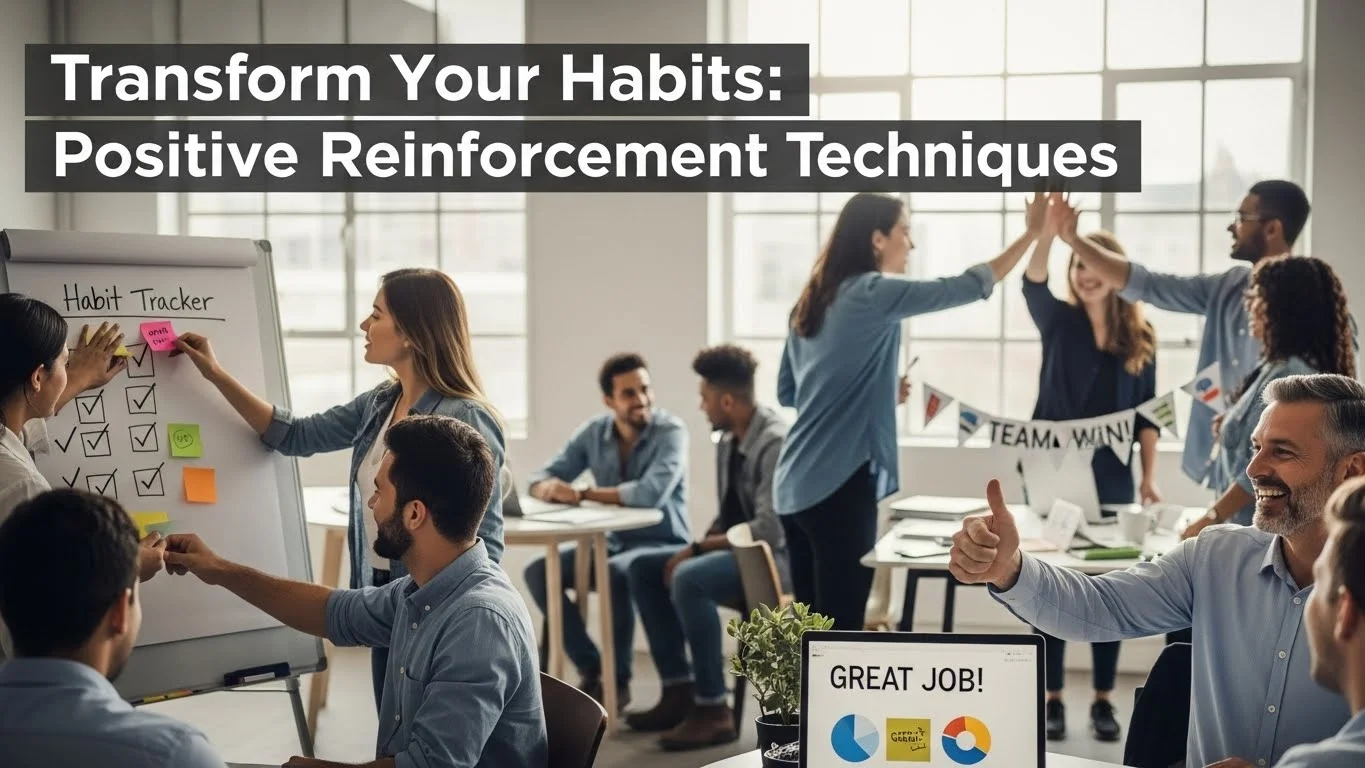
I’ve also realized the power of visual reminders in reinforcing my habits. I created a habit tracker where I could mark off each day I met my goals. Seeing that visual progress was incredibly satisfying. It served as a constant reminder of my dedication and motivated me to keep going. I became more aware of my actions and how they aligned with my goals, which deepened my commitment to the changes I was making.
Implementing Positive Reinforcement in Daily Life
Setting Clear Goals
One of the first steps I took in implementing positive reinforcement was setting clear and achievable goals. I realized that vague objectives often left me feeling lost and unmotivated. Instead, I started defining specific targets for my habits. For example, rather than saying, “I want to exercise more,” I committed to “working out three times a week.” This clarity gave me something concrete to aim for. I found that breaking my goals down into smaller, manageable steps made the process less overwhelming. Each small victory felt like a stepping stone, and celebrating those victories became an essential part of my journey.
Creating a Reward System
After establishing clear goals, I focused on creating a personalized reward system that resonated with me. Initially, I struggled with figuring out what would motivate me. So, I took some time to brainstorm what truly excited me. It could be anything from treating myself to a favorite dessert after a week of healthy eating to enjoying a movie night after completing a project. By linking rewards to specific accomplishments, I created a sense of anticipation that made the hard work worthwhile. I also learned to switch up the rewards regularly to keep things fresh and exciting, ensuring that my motivation remained high. Read Interesting article: Master Positive Reinforcement Techniques for Your Toddler
Incorporating Positive Self-Talk
Positive self-talk became another essential technique in my habit reinforcement toolkit. I realized that the way I spoke to myself could have a profound impact on my mindset and motivation. Instead of falling into negative thoughts after a setback, I began practicing self-compassion. When I missed a workout, instead of berating myself, I would say, “It’s okay; tomorrow is a new opportunity.” This shift helped me maintain a more positive outlook and encouraged me to keep pushing forward. I found that affirming my efforts, no matter how small, created a nurturing environment for my habit formation.
Enlisting Support from Friends and Family
One of the most rewarding aspects of my journey was the support I received from friends and family. I discovered that sharing my goals with them not only made me feel accountable but also created a network of encouragement. When I decided to run a 5K, I invited a couple of friends to join me. Their enthusiasm and shared commitment made the training process much more enjoyable. We celebrated each other’s milestones, which added a layer of positivity to the experience. I learned that when we involve others in our goals, it can enhance our motivation and make the journey feel less isolating.
Common Challenges and Solutions
Overcoming Resistance to Change
As I navigated my habit transformation, I faced resistance to change more often than I anticipated. There were days when the old habits felt more comfortable, and I found myself slipping back into familiar routines. To combat this, I started identifying the specific triggers that led to my resistance. By acknowledging them, I could prepare better strategies for pushing through. For instance, if I felt overwhelmed after a long day and tempted to skip my workout, I would remind myself of the joy I felt after exercising, focusing on that positive reinforcement rather than the initial discomfort.
Staying Motivated Through Setbacks
Setbacks are an inevitable part of any habit-building process. I learned that rather than viewing them as failures, I could see them as opportunities for growth. When I missed a week of workouts or struggled with my healthy eating plan, I took a step back to reflect on what went wrong. This reflection helped me adjust my strategies. I began to incorporate more flexibility into my goals, allowing for some wiggle room. By recognizing that consistency doesn’t mean perfection, I found it easier to bounce back after setbacks and stay committed to my journey.
Adjusting Rewards to Maintain Engagement
Another challenge I encountered was keeping my rewards engaging over time. Initially, the excitement of a new reward system was motivating, but as I progressed, I found that the same rewards started to feel less impactful. To combat this, I made it a point to regularly evaluate and adjust my reward system. I experimented with different incentives, such as trying a new class at the gym or booking a spa day. This variety helped keep my motivation high and reinforced my commitment to my habits. I learned that keeping things fresh not only made the journey enjoyable but also made me more resilient in the long run.
Long-Term Maintenance of New Habits
Tracking Progress Over Time
As I continued my habit formation journey, I discovered the importance of tracking my progress over time. I found that regularly recording my achievements, no matter how small, reinforced my commitment to my goals. I used a simple journal to jot down my daily efforts and any rewards I had earned. This practice not only held me accountable but also provided a visual representation of my progress. Looking back at my entries filled me with pride and motivation to keep going, reminding me of how far I had come.
Adjusting Techniques as Habits Evolve
Over time, I realized that my habits and goals were not static; they evolved as I did. I learned to be flexible and adjust my techniques accordingly. For instance, as my fitness level improved, I found that my initial workouts were no longer challenging enough. I embraced this change by setting new fitness goals and exploring different types of exercises. This adaptability kept my journey dynamic and exciting, preventing boredom from creeping in.
Building a Supportive Environment
Creating a supportive environment was another key to long-term maintenance of my new habits. I worked on surrounding myself with positivity, whether it was by decluttering my space, stocking up on healthy foods, or joining communities with similar interests. This supportive environment minimized distractions and made it easier for me to focus on my goals. I found that when my surroundings aligned with my aspirations, it became much simpler to stay committed and motivated.
Real-Life Examples of Successful Habit Transformation
Case Study: Fitness Goals
When I reflect on my own experiences, I think about how positive reinforcement transformed my fitness journey. I remember meeting a friend who had been struggling to stick with her workout routine. She decided to try a new approach by incorporating rewards into her plan. After each successful week of workouts, she treated herself to a spa day or a new workout outfit. This small tweak made a world of difference for her. She became more committed and enthusiastic about her fitness goals, proving that a little reward can go a long way in sustaining motivation.
Case Study: Healthy Eating Habits
Another inspiring case I witnessed was my cousin’s venture into healthy eating. Initially, she felt overwhelmed by the idea of drastically changing her diet. Instead of punishing herself for indulging in unhealthy food, she embraced positive reinforcement. After cooking a healthy meal or choosing nutritious snacks, she rewarded herself with a fun movie night or a new cookbook. This approach allowed her to enjoy the process rather than feeling deprived. I was amazed at how quickly she adopted healthy eating habits, all because she celebrated her successes along the way.
Case Study: Productivity and Time Management
A friend of mine faced challenges with productivity at work. To tackle this, he implemented a reward system where he would take short breaks after completing tasks. For every significant project milestone, he would treat himself to a nice lunch or a coffee break at his favorite café. This strategy kept him focused and energized throughout the day. I saw him transform from procrastination to productivity, demonstrating the powerful impact of positive reinforcement in a professional setting.
Additional Resources for Habit Transformation
Books on Positive Reinforcement
If you’re looking to dive deeper into the concept of positive reinforcement, I highly recommend exploring some insightful books on the topic. “The Power of Habit” by Charles Duhigg offers a comprehensive look at how habits work and how we can change them. Another great read is “Atomic Habits” by James Clear, which provides practical strategies for building better habits through positive reinforcement. I found both of these books enlightening and full of actionable advice that I could apply to my journey.
Online Courses and Workshops
There are also many online courses that focus on habit formation and positive reinforcement techniques. Websites like Coursera and Udemy offer courses led by experts in psychology and behavior change. I took a course on habit formation that helped me further understand the science behind my experiences. These courses often include practical exercises that encourage you to implement what you learn in real life.
Apps for Habit Tracking and Reinforcement
In today’s digital age, there are several apps designed to facilitate habit tracking and reinforce positive behaviors. Apps like Habitica and Streaks provide a gamified approach to habit formation, making it fun to track progress. I’ve used Habitica to turn my goals into a game, earning rewards for completing daily tasks. This added layer of enjoyment kept me engaged and motivated. I believe utilizing technology can be a game changer in our habit transformation journeys.
Final Thoughts
Transforming our habits through positive reinforcement has been one of the most fulfilling experiences in my life. It’s not just about achieving our goals; it’s about enjoying the journey and celebrating the small wins along the way. By understanding the mechanics of positive reinforcement, recognizing the power of community, and being open to adapting our techniques, we can create lasting change. As we embark on our habit transformation journeys, let’s remember to be kind to ourselves, embrace the process, and relish in the rewards that come from our dedication and hard work.
Frequently Asked Questions
What is positive reinforcement?
Positive reinforcement is the process of encouraging a desired behavior by providing a reward or positive outcome following that behavior. It increases the likelihood of repeating that action by associating it with a positive result.
How does positive reinforcement work in habit formation?
Positive reinforcement operates on the principle of behavioral conditioning, where actions are influenced by their consequences. When we experience something rewarding after completing a task, our brain releases dopamine, which reinforces our commitment to the new behavior.
What are the benefits of using positive reinforcement for habit formation?
Positive reinforcement boosts motivation, increases persistence, and helps cope with setbacks. It also fosters a supportive environment when shared with friends and family, making the habit formation journey feel less isolating.
What is the habit loop?
The habit loop consists of three components: cue, routine, and reward. The cue triggers the habit, the routine is the behavior we engage in, and the reward reinforces the habit, encouraging us to repeat the process.
How can I identify triggering cues for my habits?
Identifying cues involves paying attention to what motivates you to start a new habit or fall back into old patterns. Changes in environment or associating new habits with existing ones can help redefine routines effectively.
Why is consistency important in developing habits?
Consistency is crucial because it helps establish a new habit over time. Showing up regularly reinforces commitment and builds confidence, making it easier to stick to goals even when motivation fluctuates.
What are some effective positive reinforcement techniques?
Effective techniques include verbal affirmations, setting up a reward system, seeking social recognition, and using visual reminders or progress tracking to reinforce habits and maintain motivation.
How can I implement positive reinforcement in my daily life?
Implementing positive reinforcement involves setting clear goals, creating a personalized reward system, practicing positive self-talk, and enlisting support from friends and family to enhance motivation and accountability.
What common challenges might arise during habit transformation?
Common challenges include resistance to change, staying motivated through setbacks, and adjusting rewards over time. Recognizing these challenges and developing strategies to address them can help maintain progress.
How can I track my progress in habit formation?
Tracking progress can be done by regularly recording achievements in a journal or using habit tracking apps. This practice reinforces commitment and provides a visual representation of progress, motivating continued efforts.