
Transforming your newborn’s sleep can feel overwhelming, but it doesn’t have to be. With the right techniques and a bit of patience, you can help your baby develop healthy sleep habits that benefit both of you.
Understanding Newborn Sleep Patterns
When I first became a parent, I was shocked at how little I knew about newborn sleep. It’s easy to assume that babies just sleep, but there’s so much more to it. Understanding how newborns sleep can make a world of difference in how we approach sleep training. I found that learning about their sleep patterns not only helped me feel more confident but also allowed me to support my little one better. Ultimate Guide to Sleep Training Methods for Newborns is a great resource for parents looking to understand this better.
The Sleep Cycle of Newborns
Newborns sleep in cycles that are much shorter than those of adults. While we enjoy longer stretches of sleep, babies typically have sleep cycles lasting about 50-60 minutes. This is primarily divided into two phases: REM (rapid eye movement) sleep and non-REM sleep. I remember being fascinated to learn that babies spend about half of their sleep in REM, which is essential for brain development. This phase is light, making them more prone to waking up, which is why you might find your baby stirring more often than expected.
As my baby grew, I noticed that their sleep cycles began to lengthen. It was a gradual shift, but understanding that these changes would happen helped me remain patient during the sleepless nights. Recognizing the rhythm of my newborn’s sleep cycles allowed me to anticipate their wake times and be more proactive in helping them settle back down.
Common Sleep Challenges for Newborns
Every parent faces sleep challenges with their newborn at some point. For me, the most common ones were frequent awakenings, difficulty falling asleep, and short naps. I found myself researching why my baby wouldn’t sleep for longer than 30 minutes during the day. It turns out, many newborns struggle with self-soothing, which is completely normal. They often rely on us to help them drift off, leading to a cycle of dependency.
Another challenge I encountered was the witching hour, which often happened in the late evening. My baby would become fussy, and it felt like nothing I did would soothe them. I learned that this is very common due to the overstimulation of the day. Finding ways to calm my little one during this time became an essential part of our routine. It’s vital to remember that every baby is unique, and what works for one might not work for another.
The Importance of Sleep for Development
Understanding the significance of sleep for my newborn’s development was truly eye-opening. Sleep is not just about rest; it’s crucial for physical and cognitive growth. I learned that during sleep, babies are processing experiences and developing important connections in their brains. Those early months are foundational, and I wanted to ensure my baby had the best possible start.
As I navigated through the sleepless nights, I reminded myself that this phase wouldn’t last forever. Proper sleep helps regulate emotions and supports learning and memory. It’s essential for overall health, and I found that when my baby slept well, they were happier, more alert, and more engaged during their waking hours. Realizing the long-term benefits of good sleep habits motivated me to explore sleep training techniques further, including Expert Tips on Effective Sleep Training for Your Newborn.
Preparing for Sleep Training
Before diving into sleep training, I discovered that preparation is key. It’s not just about the techniques you choose but also about setting the right environment and establishing a routine that works for both you and your baby.
Creating a Sleep-Friendly Environment
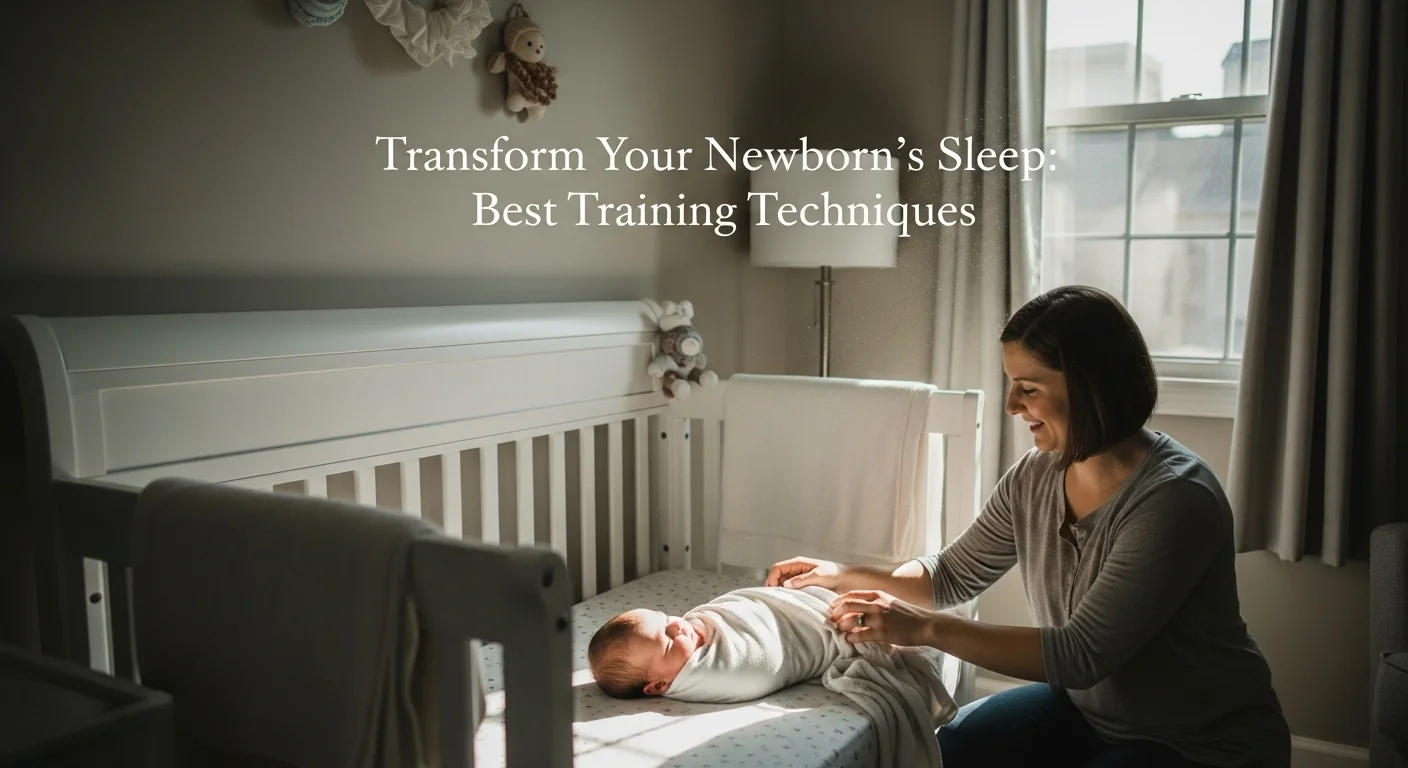
The first step I took was to create a sleep-friendly environment. I found that a dark, quiet, and cool room helped my baby feel more comfortable. I invested in blackout curtains and a white noise machine, which turned out to be game-changers in minimizing distractions. I also made sure the crib was safe, with a firm mattress and no extra bedding that could pose a suffocation risk.
I realized that the space should be inviting and relaxing. Soft, calming colors for the nursery and keeping the room tidy contributed to a soothing atmosphere. I remember playing soft lullabies and dimming the lights as a signal that it was time for sleep. This simple act helped my baby understand when it was time to wind down.
Establishing a Consistent Bedtime Routine
Establishing a consistent bedtime routine was another crucial step. I learned that babies thrive on predictability, and having a set routine helped my little one know what to expect. For us, it started with a warm bath, followed by a gentle massage, some quiet time reading a book, and then a feeding session. This routine became our cherished time together, and I felt it helped my baby transition smoothly into sleep.
Consistency was key. I found that sticking to the same sequence every night not only helped my baby relax but also made it easier for them to associate these activities with sleep. I often shared this routine with other parents who were struggling, and many found it beneficial as well.
Understanding Your Baby’s Sleep Cues
Learning to read my baby’s sleep cues was a game-changer. I noticed that my baby would rub their eyes, yawn, or even get fussy when they were tired. Recognizing these signs was essential in preventing overtiredness, which can lead to a longer time to fall asleep and more frequent wake-ups. I remember feeling proud when I could spot the cues early and act on them before the fussiness started.
By being attentive to my baby’s signals, I could create a more responsive sleep environment. In my experience, the earlier you can catch those cues, the easier it is for your newborn to settle down. I would encourage any parent to pay close attention to these signs, as they can help make sleep training smoother and more successful.
Popular Sleep Training Techniques
As I dived deeper into the world of sleep training, I discovered a variety of techniques that parents swear by. Each method has its own approach and philosophy, which I found fascinating. What worked for one family might not necessarily work for another, and I think that’s okay. I learned that being flexible and open-minded about different strategies was crucial for our journey. Here are some popular sleep training techniques I explored, including the Top 5 Sleep Training Methods for Newborns You Need to Know.
Ferber Method: Gradual Sleep Training
The Ferber Method, also known as graduated extinction, was one of the first techniques I researched. I was intrigued by the idea of teaching my baby to self-soothe while still providing support. The method involves letting your baby cry for gradually increasing intervals before intervening. Initially, this felt daunting. I remember the first time I tried it; my heart raced as I listened to my little one fussing. However, I found comfort in knowing that this approach aims to help babies learn to fall asleep independently.
As I practiced this method, I noticed my baby started to settle down more quickly. I think the key was consistency. Returning at set intervals reassured my baby while encouraging them to develop their own sleep skills. I appreciated how the Ferber Method didn’t involve completely leaving my baby to cry, allowing us to feel connected throughout the process.
No Tears Method: Gentle Sleep Training
In contrast to the Ferber Method, the No Tears Method appealed to me because of its gentler approach. This technique emphasizes comforting your baby without letting them cry it out. I found it particularly helpful when my baby was fussy during bedtime. Instead of letting them cry, I would hold, rock, or feed them to sleep, gradually reducing my involvement as they became more comfortable sleeping on their own.
This method resonated with my parenting style, as I preferred a more nurturing approach. I learned that using soothing techniques like gentle patting or singing soft lullabies could help ease my baby into sleep while allowing me to be present. The No Tears Method may take longer, but I felt it was worth the investment in our emotional bond.
Chair Method: Gradual Withdrawal of Parental Presence
The Chair Method was another technique I came across, which I found quite intriguing. This approach involves sitting in a chair next to the crib while your baby falls asleep, gradually moving further away each night. I remember feeling it created a sense of security for my little one, knowing that I was still nearby.
As I tried this method, I enjoyed the closeness it provided during the transition. It felt like a comforting compromise between being present and encouraging independence. I also appreciated that it allowed me to gently step back without leaving my baby alone. I often shared this method with other parents, and many found it beneficial as well!
Pick Up/Put Down Method: Balancing Comfort and Independence
The Pick Up/Put Down Method caught my attention as a great way to balance comforting my baby while also fostering independence. The premise is simple: when your baby cries, you pick them up to soothe them until they calm down, and then gently put them back in the crib awake. I found this technique particularly useful for my little one, who often needed reassurance in the early stages of sleep training.
Initially, it felt like a bit of a workout, but I noticed that this method helped my baby learn to self-soothe while still feeling secure. It was wonderful to see my little one slowly gaining confidence in their ability to fall asleep on their own. I think this method allowed me to be both nurturing and supportive as my baby developed their sleep skills.
Sleep Shaping: Encouraging Healthy Sleep Habits
Sleep shaping is another technique I stumbled upon that focuses more on establishing a routine rather than strict training. This method encourages healthy sleep habits by making small adjustments to your baby’s schedule. I found this approach refreshing because it felt less rigid and allowed for more natural development of sleep patterns.
By gradually adjusting my baby’s bedtime, I discovered what worked best for them. I remember experimenting with different nap times and durations, which helped us find a rhythm that suited our family. This method emphasized the importance of consistency and patience, two qualities I realized were essential in our sleep journey.
As I explored these different sleep training techniques, I learned that every baby is unique. What worked wonders for one family might not apply to us, and that’s perfectly okay. I think the key takeaway for me was being willing to try different methods and find the right fit for our little one. Sleep training can be challenging, but with the right approach, it can also be a rewarding journey.
When to Start Sleep Training
Signs Your Newborn Is Ready for Sleep Training
Determining the right time to start sleep training can feel like a guessing game, but there are some clear signs that can help guide us. I remember watching my baby closely, looking for indicators that they might be ready. One of the first signs I noticed was when my little one began to fall asleep during their feeds or when I was holding them. This made me realize that they might benefit from learning to fall asleep independently.
Another sign was when my baby started to develop more consistent sleep patterns. I noticed a certain rhythm to their naps and nighttime sleep, which gave me hope that they were becoming more aware of their sleep needs. If your baby seems to be able to stay awake for longer periods and is generally alert and happy during their awake time, that could also be a good indicator that they’re ready for more structured sleep training.
Additionally, if your baby is older than four months and still relying heavily on being rocked or fed to sleep, it might be time to explore sleep training. I found that the more I recognized these signs, the more confident I felt about starting the journey of sleep training, knowing that my baby was ready for this next step.
Recommended Age to Begin Sleep Training
When it comes to the recommended age for starting sleep training, most experts suggest that around four to six months is ideal. I remember feeling a bit intimidated by this timeline, but I also saw the potential for growth and independence in my baby. At this age, many newborns have developed more stable sleep patterns and are physically capable of self-soothing, which is essential for sleep training.
Before this age, sleep training can be more challenging since babies are still learning to regulate their sleep cycles. For me, starting around five months felt right. I noticed my baby could stay awake longer, and their naps were slowly beginning to consolidate. It was reassuring to know that other parents were on similar timelines, and we were all navigating this journey together.
However, it’s important to remember that every baby is different. I learned to trust my instincts and pay attention to my baby’s specific needs. If your baby seems ready before four months, it’s crucial to approach sleep training gently and consider their individual temperament. Ultimately, the goal is to ensure a positive experience for both baby and parent.
Addressing Common Concerns
How to Handle Night Wakings
One of the biggest concerns I faced during sleep training was handling night wakings. It’s completely normal for babies to wake during the night, and I quickly learned that not all wakings require intervention. I found myself having to decide whether to go in and soothe my baby or allow them to settle back down on their own. I remember the first few times my baby woke up crying; my instinct was to rush in immediately. But I found that sometimes, they would surprise me by settling back down without any help!
When my baby woke up at night, I learned to assess the situation. If they were just fussing but not fully crying, I would wait a few moments to see if they could self-soothe. This approach gradually helped me feel more comfortable with the idea that not every waking required my immediate attention. Over time, I found that my baby was learning to self-soothe and was able to go back to sleep more independently.
Dealing with Sleep Regression
Sleep regression can be a real challenge, especially during the first year. I remember feeling defeated when my baby suddenly started waking up more frequently after weeks of consistent sleep. I learned that sleep regression often occurs during developmental milestones, and it’s a normal part of a baby’s growth. When this happened to us, I reminded myself that it was just a phase and would eventually pass.
During these times, I focused on maintaining our established routines and keeping a calm environment. I also discovered that being patient and flexible was key. I learned that rather than introducing new sleep training techniques during a regression, it was often best to stick to what had been working and ride it out. Eventually, my baby would return to a more predictable sleep pattern, and I would feel a sense of relief and accomplishment.
Managing Separation Anxiety During Sleep Training
Separation anxiety is another concern that can pop up during sleep training. I remember how my little one would sometimes cry not just because they were tired, but also because they didn’t want to be apart from me. It was heartbreaking, and I felt torn between wanting to soothe them and encouraging independence.
I learned that it was essential to validate my baby’s feelings while still promoting self-soothing. Gradually, I started practicing short separations during the day, which helped my baby understand that even when I was out of sight, I would return. I found that using a consistent phrase, like “I’ll be back soon,” as I left the room created a sense of security.
During the sleep training process, I tried to be responsive to my baby’s needs while slowly allowing them the opportunity to settle themselves. It was a delicate balance, but over time, I saw my baby gain confidence and comfort in their own space, which made the process worthwhile.
Frequently Asked Questions
What are the typical sleep cycles of newborns?
Newborns typically have sleep cycles lasting about 50-60 minutes, which are divided into REM (rapid eye movement) sleep and non-REM sleep. Babies spend about half of their sleep time in REM, which is essential for brain development.
What common sleep challenges do newborns face?
Common sleep challenges for newborns include frequent awakenings, difficulty falling asleep, and short naps. Many newborns struggle with self-soothing, leading to dependency on parents for falling asleep.
How important is sleep for a newborn’s development?
Sleep is crucial for a newborn’s physical and cognitive growth. It helps babies process experiences, develop connections in their brains, regulate emotions, and supports learning and memory.
What should I do to create a sleep-friendly environment for my newborn?
To create a sleep-friendly environment, ensure the room is dark, quiet, and cool. Invest in blackout curtains and a white noise machine, and make sure the crib is safe with a firm mattress and no extra bedding.
What are some effective bedtime routines for newborns?
Establishing a consistent bedtime routine can help babies feel secure and ready for sleep. Common routines may include a warm bath, a gentle massage, quiet reading time, and a feeding session before sleep.
When is the right time to start sleep training?
The recommended age to start sleep training is typically around four to six months. By this age, many babies have developed more stable sleep patterns and are physically capable of self-soothing.
What signs indicate that a newborn is ready for sleep training?
Signs that a newborn may be ready for sleep training include falling asleep during feeds or being held, developing consistent sleep patterns, and being able to stay awake for longer periods while remaining alert and happy.
How can I handle night wakings during sleep training?
Not all night wakings require intervention. Assess the situation; if the baby is fussing but not fully crying, wait a moment to see if they can self-soothe. Over time, babies often learn to settle back to sleep independently.
What should I do during sleep regression?
During sleep regression, maintain established routines and keep a calm environment. It’s often best to stick to what has been working rather than introducing new techniques, as regressions are typically temporary phases.
How can I manage separation anxiety during sleep training?
To manage separation anxiety, validate your baby’s feelings while promoting self-soothing. Practice short separations during the day to help them understand you will return, and use consistent phrases to create a sense of security.