
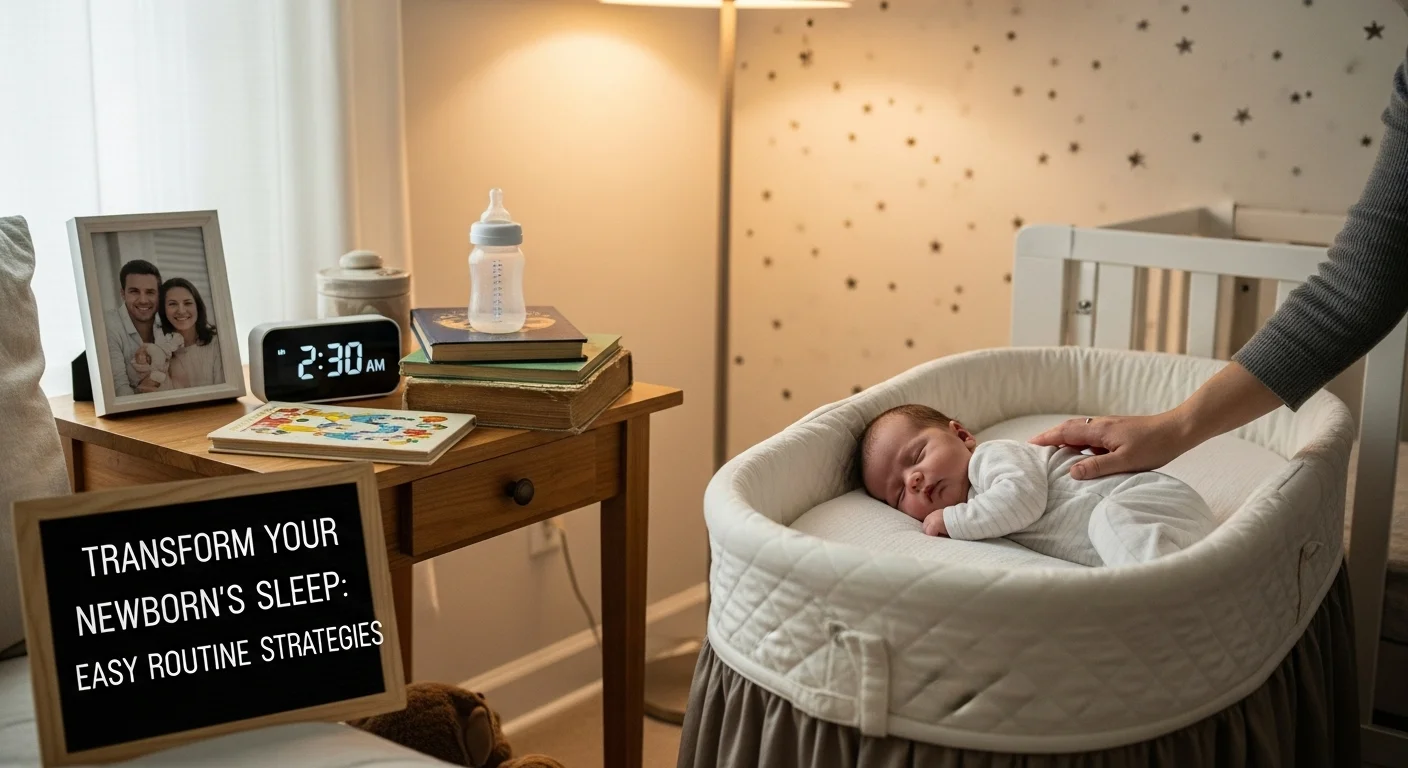
Transforming your newborn’s sleep can feel overwhelming, but it’s possible with a little guidance. Let’s dive into effective strategies that can help both you and your baby catch those precious Zs.
Understanding Newborn Sleep Patterns
When I first became a parent, I had no idea just how much my newborn’s sleep patterns would surprise me. It’s fascinating and a bit perplexing to realize that newborns have unique sleep cycles that differ significantly from older children and adults. Understanding these patterns can be a game changer in your approach to helping your little one sleep better.
Sleep Cycle Overview
Newborns have shorter sleep cycles than adults, lasting about 50 to 60 minutes. I remember learning that during these cycles, they shift between two sleep states: active sleep (similar to REM sleep) and quiet sleep. Active sleep is when they might twitch, make noises, or even smile in their dreams, while quiet sleep is deeper and more restorative. Recognizing these cycles can help us understand that when our baby stirs, it doesn’t always mean they’re awake and ready to play!
What to Expect in the First Few Months
In the first few months, my experience was that newborns typically sleep anywhere from 14 to 17 hours a day, but it’s often broken up into short stretches. This can leave us feeling exhausted, as they usually wake every few hours to eat. I realized it’s totally normal for newborns to not have a predictable sleep schedule. Their biological clocks are still developing, which means they may be up at odd hours, including the early morning when we wish they’d sleep in!
During this time, I found that keeping track of my baby’s sleep patterns was helpful. I started noticing that my little one was more likely to sleep longer stretches after a feed, which led me to find ways to gently encourage a more consistent sleep routine. Essential Tips for Creating a Sleep Routine for Newborns were particularly useful in this process.
Common Sleep Challenges
As any new parent can tell you, sleep challenges come with the territory. One major challenge I faced was the difficulty in getting my baby to settle down for sleep. I quickly learned that newborns can be easily overstimulated, which often leads to fussiness and difficulty falling asleep. I found myself asking, “Is it too bright in here?” or “Did I let them play too long?”
Another common issue is the “witching hour.” This is a period in the evening when many babies become fussy and irritable. I remember feeling so frustrated, thinking my baby was the only one who cried during this time. But after talking to other parents, I realized this is quite common. It helped me to know I wasn’t alone in this experience.
As we navigate these challenges, it’s essential to remember that every baby is different. What worked for one parent might not work for another, and that’s okay. The key is to be patient and flexible while trying different strategies to create a peaceful sleep environment.
Creating a Sleep-Friendly Environment
Once I began to understand my newborn’s unique sleep patterns, I knew it was time to create a sleep-friendly environment. I learned that the right setting can make all the difference for sleep quality. Here are some of the elements I focused on.
Optimal Room Temperature
One of the first things I discovered was the importance of room temperature. Babies sleep best in a cool, comfortable space. I aimed for a temperature around 68 to 72 degrees Fahrenheit. I remember checking the thermostat constantly because I wanted to ensure my baby was cozy without overheating. Keeping the room at the right temperature helped my little one settle down more easily.
Lighting Considerations
Lighting was another crucial factor. I used blackout curtains to create a dark environment during nap times and sleep periods. It’s amazing how much of a difference this made. I noticed that when the room was dark, my baby would drift off more quickly and stay asleep longer. I also made sure to keep the lights dim during nighttime feedings and diaper changes to maintain a calm atmosphere.
Noise Levels and White Noise Machines
Noise levels can be tricky. I learned that some babies sleep better in complete silence, while others benefit from a little background noise. For us, a white noise machine was a lifesaver. The soft hum created a comforting sound that mimicked the womb environment. I found that it not only helped my baby sleep but also drowned out household sounds that could wake them up.
Safe Sleep Practices
Finally, safety is paramount. I followed guidelines for safe sleep practices, such as placing my baby on their back to sleep, ensuring the crib was bare without toys or blankets, and using a fitted sheet. Knowing I was providing a safe sleep environment eased my worries and allowed me to relax more during those sleep-deprived nights.
Transforming a newborn’s sleep is definitely a journey filled with learning and adjustments. By understanding their sleep patterns and creating a conducive environment, we can make the process smoother for both ourselves and our little ones. In my next sections, I’ll share more about establishing routines and calming techniques that can further enhance sleep quality. Stay tuned!
Establishing a Consistent Sleep Routine
After navigating the initial challenges of newborn sleep, I realized how vital it was to establish a consistent sleep routine. I found that having a regular schedule helped my baby understand when it was time to wind down and get some rest. It also gave me a sense of control during those unpredictable early days.
Importance of Routine for Newborns
From my experience, babies thrive on routine. They may not have a developed sense of time, but they can sense patterns. I noticed that when I followed a consistent bedtime routine, my baby seemed more relaxed and ready to sleep. It’s like giving them a gentle nudge toward what to expect. This predictability helped reduce fussiness and made nighttime less stressful for us both.
Sample Sleep Schedule
Creating a sample sleep schedule was a fun challenge for me. I started with rough timings, knowing that flexibility is key with newborns. For instance, I aimed for my baby to have a consistent bedtime around 7:30 PM. Before that, we had a series of cues that signaled it was time to settle down. For example, we would do a calming activity like a warm bath or reading a book, followed by a feeding. This rhythm helped my baby understand that it was time for sleep. Mastering Newborn Sleep: Establishing Routines for Success provided great insights here.
Throughout the day, I tried to incorporate naps every 2 to 3 hours. I found that aiming for around 3 to 4 naps helped keep my little one from becoming overtired, which is something I learned the hard way! When my baby was overtired, it often took longer to fall asleep, leading to more frustration for both of us.
Signs of Sleepiness
Learning to recognize signs of sleepiness was another game-changer for me. Newborns can be tricky; they might show signs of being tired but then get an energy burst. I started looking for signs like eye rubbing, yawning, or staring blankly. When I noticed these cues, I would act quickly to transition to sleep. The sooner I could respond, the easier it was for my baby to drift off.
Incorporating Naptime
Naptime became a sacred part of our day. I quickly discovered that my baby thrived on regular naps, which helped prevent them from becoming cranky by evening. I learned that creating a cozy and quiet space for napping was essential. I would follow the same calming routine before naps as I did before bedtime. This consistency helped reinforce the idea that it was time to rest, whether it was day or night.
In the early days, I was often tempted to let my baby sleep on me during the day. While those moments were precious, I gradually learned the importance of putting my baby down in the crib for naps. This not only encouraged independent sleep but also gave me a chance to recharge my own batteries. I’d use that time to grab a quick snack or catch up on some much-needed rest myself!
Calming Techniques for Better Sleep
As I explored different ways to help my baby sleep better, I stumbled upon various calming techniques that made a world of difference. Many of these approaches became part of our bedtime routine, allowing my little one to transition into sleep more smoothly.
Swaddling Techniques
Swaddling was one of the first techniques I tried. I remember the first time I swaddled my baby; it felt like I was wrapping them in a warm hug. I found that swaddling helped reduce startle reflexes, which often woke them up unexpectedly. I learned to use a light blanket and wrap them snugly, ensuring their arms were close to their body while leaving enough room for their legs. This technique seemed to provide my baby with a sense of security, allowing them to settle down more easily.
Soothing Sounds and Music
Playing soothing sounds became a cherished part of our sleep routine. I experimented with various options, like soft lullabies and nature sounds. I noticed that gentle music or the sound of rainfall created a calming atmosphere that helped my baby relax. It was fascinating to see how quickly they would respond and drift off to sleep with just the right soundtrack.
Gentle Rocking and Movement
Rocking my baby was another comforting technique I loved. I would gently sway back and forth while holding them, creating a sense of rhythm that mimicked their experience in the womb. Sometimes I would use a rocking chair, which added an extra element of comfort. The gentle motion seemed to soothe them, making it easier for them to fall asleep.
Baby Massage and Relaxation Methods
Incorporating baby massage into our routine was one of my favorite discoveries. I found that gentle strokes and massages not only helped relax my baby but also strengthened our bond. I would use a calming lotion and focus on their arms, legs, and back, creating a peaceful environment. The combination of touch and soothing words created a relaxing atmosphere that made bedtime feel special. It became a lovely way to wind down and connect before sleep.
Through these calming techniques, I learned that fostering a sense of security and relaxation could significantly impact my baby’s sleep quality. Each method added a layer of comfort that helped both of us navigate the often challenging journey of newborn sleep.
Feeding and Sleep Connection
As I delved deeper into the world of newborn sleep, I quickly discovered the strong connection between feeding and sleep. It became clear to me that what I fed my baby, and when I fed them, played a significant role in how well they slept. Understanding this link was essential in helping both my baby and me get the rest we desperately needed.
Feeding Before Sleep: Best Practices
At first, I was unsure about how to approach feeding before sleep. I realized that establishing a feeding routine was crucial. I started to offer a feeding session right before bedtime. This not only filled my baby’s tummy but also created a calm and soothing atmosphere. I would dim the lights and reduce distractions during these moments, which helped signal to my baby that it was time to wind down. I found that when my baby had a good feed before sleep, they tended to sleep longer stretches, which was a win for both of us! Essential Feeding Schedules for Newborns: A Complete Guide provided helpful insights on this topic.
Understanding Hunger Cues
Learning to recognize my baby’s hunger cues was another game-changer. Early on, I often confused fussiness with tiredness, which led to many frustrating moments. I began to pay attention to specific signs that indicated my baby was hungry, like rooting, lip smacking, and putting their hands to their mouth. It took some time, but as I learned to respond to these cues promptly, my baby was less likely to become overly upset and more likely to settle down for a nap or nighttime sleep after a good feed.
Realizing that hunger cues vary from baby to baby also helped me. I would chat with fellow parents, and we’d share our experiences. It was comforting to know that while some babies were quick to signal their needs, others took their time. This made me appreciate my baby’s unique ways of communicating hunger, which ultimately improved our sleep routine.
Nighttime Feeding Strategies
Nighttime feedings were a whole other adventure. I quickly learned that keeping things calm and quiet during these sessions was essential. I established a strategy where I would keep the lights dim and avoid stimulating conversations or activities. This helped my baby understand that even though they were waking up to eat, it was still nighttime and not playtime. I often found myself whispering soothing words and gently rocking them back to sleep after the feed. This not only kept my baby relaxed but also worked wonders for my own sleepiness!
Another helpful tip I came across was to have everything I needed for nighttime feedings ready to go. I would keep extra diapers, a burp cloth, and a bottle all within arm’s reach. This made the whole process smoother and quicker. I could feed my baby, change them if necessary, and then gently place them back in the crib without much fuss. I think this strategy made a significant difference in how quickly my baby could return to dreamland.
Monitoring Sleep Progress and Adjustment
As I continued on this sleep journey, I realized the importance of monitoring my baby’s sleep progress. This wasn’t just about tracking hours slept; it was about understanding how their needs changed over time. I found that being attentive to these changes helped me adjust our routines accordingly.
Keeping a Sleep Diary
I started keeping a sleep diary, which was both insightful and somewhat therapeutic. I would jot down when my baby slept, how long they slept, and any notable behaviors. This helped me identify patterns that I might otherwise have missed. For instance, I noticed that my baby slept longer on days when we had a consistent routine, which reinforced my belief in the power of structure. Additionally, the diary allowed me to reflect on our progress and celebrate small victories, like those nights when my baby slept for a full five-hour stretch!
When to Seek Help from Pediatricians
There were moments when I felt overwhelmed and unsure if my baby’s sleep patterns were normal. I learned that it’s totally okay to seek help. If you’re feeling concerned about your baby’s sleep, it’s best to consult with a pediatrician. They can provide guidance and reassurance, helping to ease any worries. I remember one visit when I mentioned my concerns about my baby waking frequently at night. The pediatrician explained that it was completely normal for newborns and helped me feel more confident in my approach.
Adjusting Routines as Baby Grows
As my baby grew, so did their sleep needs. I found it essential to be flexible and ready to adjust our routines. For example, as my little one transitioned to longer wake periods, I had to shift our napping schedule to accommodate their changing energy levels. I learned to embrace these adjustments rather than resist them. Each stage brought new challenges and opportunities for us to connect, and I found joy in discovering what worked best for my baby as they developed.
Monitoring sleep progress and adjusting our routines not only helped improve my baby’s sleep but also strengthened our bond. By being attentive to their needs, I felt more in tune with them, and this connection made all the difference during those sleepless nights.
Frequently Asked Questions
What are the typical sleep hours for newborns?
Newborns typically sleep anywhere from 14 to 17 hours a day, but their sleep is often broken up into short stretches.
How long do newborn sleep cycles last?
Newborn sleep cycles last about 50 to 60 minutes, during which they shift between active sleep and quiet sleep.
What is the ‘witching hour’ for babies?
The ‘witching hour’ refers to a period in the evening when many babies become fussy and irritable, which is common among newborns.
How can I create a sleep-friendly environment for my newborn?
To create a sleep-friendly environment, ensure the room is at a comfortable temperature (around 68 to 72 degrees Fahrenheit), use blackout curtains to darken the room, and consider using a white noise machine to block out disturbances.
What are some signs of sleepiness in newborns?
Signs of sleepiness in newborns include eye rubbing, yawning, and staring blankly. Recognizing these cues can help transition them to sleep more smoothly.
How important is establishing a sleep routine for newborns?
Establishing a consistent sleep routine is vital for newborns as it helps them understand when it’s time to wind down, reduces fussiness, and makes nighttime less stressful.
What calming techniques can help my baby sleep better?
Calming techniques that can help include swaddling, playing soothing sounds or music, gentle rocking, and baby massage, all of which foster relaxation and comfort.
How does feeding affect a newborn’s sleep?
Feeding before sleep can create a calm atmosphere and help the baby sleep longer stretches. Recognizing hunger cues and maintaining a quiet environment during nighttime feedings are also important.
When should I seek help from a pediatrician regarding my baby’s sleep?
You should seek help from a pediatrician if you are concerned about your baby’s sleep patterns, as they can provide guidance and reassurance about what is considered normal.
How can I monitor my baby’s sleep progress?
Keeping a sleep diary can help monitor your baby’s sleep progress by tracking sleep times, duration, and notable behaviors, allowing you to identify patterns and make necessary adjustments.