
Transitioning to permissive parenting can feel like a daunting yet liberating journey. This guide is here to help you navigate the steps, understand the benefits, and embrace a more flexible parenting style. Read Interesting article: Understanding Permissive Parenting: A Guide for Parents
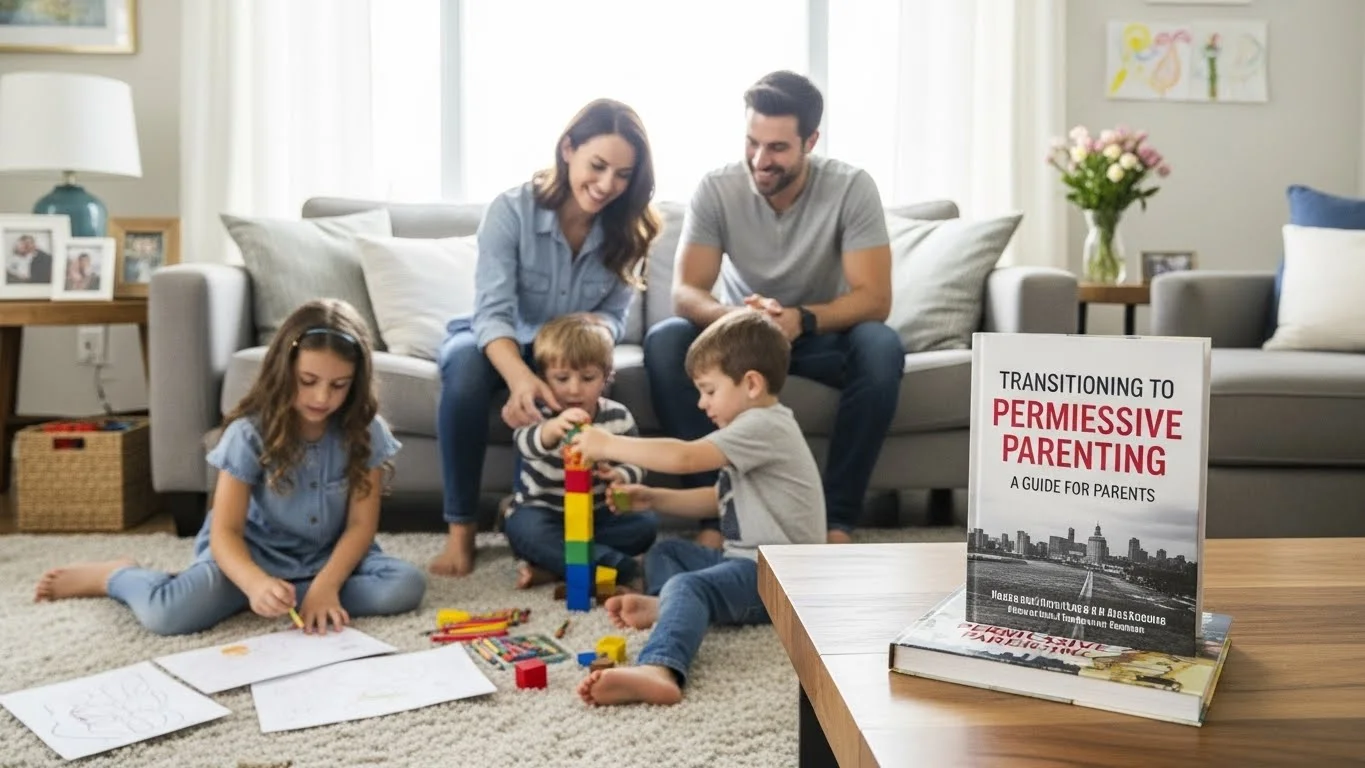
Understanding Permissive Parenting
Definition of Permissive Parenting
Permissive parenting is a style characterized by a high level of warmth and affection combined with a low level of control. I remember when I first learned about this approach, I found it fascinating how it contrasts with more traditional styles that emphasize strict rules and discipline. In permissive parenting, the focus shifts towards nurturing and supporting a child’s individual interests and desires, allowing them the freedom to express themselves and make choices.
Characteristics of Permissive Parenting
Several key traits define permissive parenting. First, there’s a strong emphasis on emotional connection. I’ve noticed that parents who adopt this style often prioritize their child’s feelings and thoughts. They encourage open dialogue and provide a safe space for children to share their ideas without fear of judgment. Additionally, permissive parents tend to avoid strict rules and regulations, instead opting for a more laid-back approach to discipline. They might set some guidelines, but these are flexible and often negotiated with the child rather than imposed unilaterally.
Another characteristic I find really interesting is the encouragement of independence. Permissive parents often allow their children to explore and learn from their experiences, which can lead to greater self-confidence. During our family outings, I’ve seen how my friend, who follows this parenting style, lets her kids choose what to do or where to go, and they thrive on that autonomy.
Benefits of Permissive Parenting
There are numerous benefits to adopting a permissive parenting style. For one, it fosters creativity and self-expression. Children raised in a permissive environment often feel free to explore their interests, leading to a more innovative mindset. I’ve observed this firsthand with my neighbor’s children who are both incredibly artistic and confident in their abilities. They aren’t afraid to try new things, which I believe stems from their parents’ supportive approach.
Moreover, permissive parenting can enhance the parent-child relationship. When parents prioritize emotional support and open communication, it lays a foundation of trust. I feel that kids are more likely to come to their parents with problems or challenges when they know they will be met with understanding rather than judgment. This can lead to more meaningful discussions and a stronger family bond.
Common Misconceptions About Permissive Parenting
Even though permissive parenting has many advantages, some misconceptions can cloud its perception. One common belief is that permissive parents are simply “too lenient” or lack authority. From my perspective, this isn’t quite accurate. While permissive parents may not enforce strict rules, they still provide guidance and boundaries. Instead of authoritarian control, they focus on collaboration with their children, which I believe encourages mutual respect.
Another misconception I often hear is that permissive parenting leads to undisciplined children. However, I think this oversimplifies the approach. Children raised in a permissive environment can still learn about responsibility and consequences; it just happens in a more supportive context. My friend’s children, for instance, are very aware of their responsibilities at home, but they also have the freedom to express themselves and learn from their mistakes.
In many cases, I’ve learned that understanding this parenting style requires looking beyond surface-level judgments. It’s about nurturing a child’s individuality while still guiding them towards becoming responsible, empathetic individuals. Through my experiences and observations, I’ve come to appreciate the delicate balance that permissive parenting offers.
Recognizing the Need for Transition
Signs You May Need to Transition to Permissive Parenting
Transitioning to permissive parenting might be on your mind if you notice your child is becoming more resistant to authority or if you feel that strict rules are causing friction in your home. I remember when my oldest child started pushing back against even the simplest rules, like cleaning up his toys or following a bedtime routine. It made me realize that perhaps the rigidity of my parenting style was creating more conflict than cooperation. Other signs might include your child expressing frustration or anxiety about expectations that feel overwhelming, or you feeling that your current approach isn’t allowing for the growth and independence you want to nurture in your child.
Impact of Authoritative and Authoritarian Styles
Understanding the differences among parenting styles can shed light on whether a transition is necessary. Authoritarian parenting, with its strict rules and little room for dialogue, often leads to children who are obedient but may struggle with self-esteem and decision-making. I’ve seen this in friends’ kids who follow their parents’ orders but often seem fearful of making mistakes. On the other hand, authoritative parenting strikes a balance between demandingness and responsiveness, which is often more effective. However, if you lean too heavily on authoritative methods, you might find that your child still feels constrained. Observing how your children react to different styles can be a real eye-opener. Read Interesting article: Navigating Change: From Authoritarian to Permissive Parenting
Assessing Your Parenting Style
Taking a step back to assess your own parenting style is crucial. I found it helpful to write down what I believe are my core parenting principles and how they manifest in everyday life. Are you more focused on compliance than connection? Do you emphasize rules over relationships? Reflecting on these questions can reveal a lot about your parenting approach. I often recommend discussing this with your partner or a trusted friend to gain a fresh perspective. It’s essential to recognize the areas where you might be too controlling or rigid, as this can hinder your child’s development and your relationship with them.
Key Principles of Permissive Parenting
Emotional Support and Nurturance
One of the fundamental principles of permissive parenting is the focus on emotional support and nurturing. I’ve found that when I prioritize my child’s emotional needs, we both enjoy a more harmonious relationship. This means being there to listen when they’re upset and validating their feelings. For instance, if my daughter has a tough day at school, I make it a point to sit down with her, ask questions, and let her know it’s okay to feel sad or frustrated. This kind of emotional availability fosters a safe space for her to express herself, which I believe is vital in building her self-worth.
Encouraging Independence in Children
Encouraging independence is another key principle that I’ve embraced in my own parenting journey. I’ve seen how allowing children to make choices, even small ones, can lead to greater confidence. For example, I let my kids pick out their outfits in the morning, which not only allows them to express their unique styles but also empowers them to make decisions. I remember the first time my son chose a mismatched outfit; instead of correcting him, I celebrated his choice. It sparked a conversation about personal expression and individuality that I believe will resonate with him for years to come.
Open Communication and Trust
Open communication is the backbone of permissive parenting. I strive to create an environment where my children feel they can share their thoughts and feelings without fear of judgment. This means asking open-ended questions and genuinely listening to their responses. I recall a moment when my daughter approached me about a friend who was being unkind at school. Instead of dismissing her concerns, I took the time to discuss it, which reinforced her belief that her voice matters. This nurturing dialogue builds trust, and I believe it encourages her to come to me with future issues, knowing we’ll tackle them together.
Setting Limits and Boundaries
While permissive parenting emphasizes freedom, it doesn’t mean a lack of boundaries. I’ve learned that setting limits is crucial for helping children understand the world around them. For example, while I allow my children the freedom to choose their activities, I still set boundaries around screen time or bedtime. We often sit together to discuss these limits, which I think helps them feel more involved in the decision-making process. This way, they learn about responsibility and the importance of balance, all while feeling supported in their choices.
Steps to Transitioning to Permissive Parenting
Step 1: Self-Reflection and Mindset Shift
Transitioning to permissive parenting starts with self-reflection. I found it essential to take a step back and really think about my parenting style. I asked myself questions like, “What do I truly value in my relationship with my children?” and “Am I prioritizing connection over control?” This kind of introspection can feel uncomfortable at first, but it’s a critical step in recognizing where I needed to shift my mindset. I remember sitting down with a cup of tea, jotting down my thoughts in a journal, and realizing that I often prioritized rules over emotional connection. This awareness was eye-opening and set the stage for my transition.
Step 2: Learning to Let Go of Control
One of the hardest parts of transitioning to permissive parenting for me was learning to let go of control. I used to feel the need to manage every aspect of my children’s lives, from their homework to their playtime. But I realized that this need for control often led to power struggles instead of cooperation. I made a conscious decision to embrace a more relaxed approach. I started small, allowing my kids to choose their own snacks or decide what game to play after school. It was nerve-wracking at first, but I noticed that as I loosened the reins, my kids became more engaged and excited about their choices.
Step 3: Encouraging Child Autonomy
Encouraging autonomy was another key step in my journey. I learned that allowing my children to make decisions—big or small—helped them develop confidence. For instance, I began encouraging my kids to plan family outings. I remember one weekend when my daughter suggested we visit a local museum instead of going to our usual park. Initially, I hesitated because I thought she wouldn’t enjoy it, but I decided to trust her judgment. To my surprise, we had a wonderful day filled with learning and laughter. This experience reinforced my belief that giving children the freedom to make choices can lead to delightful and unexpected adventures.
Step 4: Establishing Flexible Rules
Transitioning to permissive parenting doesn’t mean abandoning rules entirely; it’s about establishing flexible ones that can adapt to our family’s needs. I found it helpful to involve my children in discussions about the rules we wanted to set. For example, we sat down as a family to talk about screen time. Instead of imposing a strict limit, I asked my kids what they thought was a reasonable amount of time. They suggested an hour a day, and we agreed on that together. This collaborative approach not only made them feel heard but also made it easier for them to follow the rules since they had a say in creating them.
Step 5: Practicing Active Listening
Active listening became a cornerstone of my permissive parenting approach. I focused on being fully present during conversations with my kids. I remember a time when my son seemed upset about something at school. Instead of jumping in with advice or solutions, I took a breath, made eye contact, and encouraged him to share more about his feelings. I listened without interrupting, and it allowed him to express himself freely. This practice not only strengthened our connection but also taught my children that their feelings were valid and important.
Challenges of Transitioning to Permissive Parenting
Dealing with Resistance from Children
As I transitioned to permissive parenting, one challenge I faced was resistance from my children. They were used to a certain level of structure and control, and when I started to allow them more freedom, they didn’t always respond positively. There were moments when my kids pushed back against the new boundaries we set together. I remember my daughter arguing over her bedtime, trying to negotiate for just “five more minutes.” It was a test of patience, but I learned to stand firm while also being flexible. I explained the reasoning behind our rules, which helped them understand that even in permissive parenting, there are still limits meant to ensure their well-being.
Managing Parental Guilt
Another challenge I encountered was managing parental guilt. There were days when I questioned my decision to adopt a more permissive style. I worried that I was not being “strict enough” or that I was failing as a parent. I had to remind myself that parenting is not a one-size-fits-all approach. I learned to embrace the idea that nurturing my children’s autonomy and emotional well-being was just as important, if not more so, than strict adherence to rules. Accepting that it’s okay to make mistakes along the way helped me alleviate some of that guilt. I found comfort in connecting with other parents who were also navigating similar challenges.
Navigating Social Expectations
Lastly, I had to navigate social expectations and opinions about my parenting style. Friends and family sometimes questioned my choices, suggesting that I was being “too soft” or that my children needed more discipline. These comments could be disheartening, especially when I was still figuring things out myself. I learned to stay true to my values and remember why I chose to transition to permissive parenting in the first place. Surrounding myself with a supportive community of like-minded parents made a world of difference. It reminded me that every family is unique, and it’s essential to do what feels right for my family.
Effective Strategies for Successful Permissive Parenting
Building a Strong Parent-Child Relationship
One of the best strategies I’ve found for successful permissive parenting is building a strong relationship with my kids. This means spending quality time together and truly being present in those moments. I remember when we started having “family fun nights” where we play games or watch movies together. These relaxed settings allowed us to bond and opened up opportunities for conversations about their lives. I noticed that when my children feel connected to me, they are more receptive to my guidance and more willing to share their thoughts and feelings.
Creating a Safe and Supportive Environment
Creating a safe and supportive environment is vital for permissive parenting. I strive to make our home a place where my children feel free to express themselves without fear of harsh judgment. This means not only listening to their feelings but also validating them. I recall a time when my son was upset about a project at school. Instead of brushing it off, I made sure to acknowledge his feelings and helped him brainstorm solutions. By doing this, I reinforced that it’s okay to feel overwhelmed sometimes, and that together we can work through challenges.
Using Positive Reinforcement Techniques
Positive reinforcement has been a game-changer in our parenting approach. I found that celebrating my children’s successes—no matter how small—encouraged them to continue making good choices. For example, when my daughter completed her homework without being reminded, I took her out for ice cream as a reward. This not only reinforced her behavior but also showed her that I recognize and appreciate her efforts. I believe that focusing on the positive rather than the negative fosters a more encouraging atmosphere in our home.
Encouraging Problem-Solving Skills
Encouraging problem-solving skills is another effective strategy I’ve embraced. Instead of jumping in to solve every issue my children face, I’ve learned to guide them in finding their own solutions. I remember when my son was struggling with a disagreement with a friend. Instead of telling him what to do, I asked open-ended questions to help him think through the situation. This not only helped him gain confidence in his decision-making abilities but also taught him valuable skills he can use throughout his life.
Real-Life Examples and Case Studies
Case Study: Transitioning from Authoritative to Permissive
A friend of mine shared her experience transitioning from an authoritative style to permissive parenting. She realized that her strict rules were stifling her children’s creativity and independence. After making the shift, she involved her kids in decision-making about their schedules and activities. She told me that the change was challenging at first, as her children tested boundaries. However, over time, they became more responsible and engaged, thriving in their newfound freedom.
Success Stories from Permissive Parents
I’ve encountered many success stories from parents who have adopted permissive parenting. One mom I spoke with mentioned how her son, who once struggled with anxiety, has flourished since she began allowing him to make more choices. He now approaches challenges with confidence and is more willing to take risks. Hearing how others have positively impacted their children’s lives through this approach has been incredibly inspiring and reassuring for me.
Resources for Permissive Parenting
Books on Permissive Parenting
There are some fantastic books that delve deeper into permissive parenting. I’ve read titles that explore this philosophy from various angles, offering practical advice and insights. One of my favorites is “The Whole-Brain Child” by Daniel J. Siegel and Tina Payne Bryson, which provides strategies for nurturing a child’s emotional and intellectual growth.
Online Support Groups and Forums
Finding a community of like-minded parents has been incredibly helpful. Online support groups and forums provide a space to share experiences, ask questions, and gain encouragement. I’ve joined a few where parents discuss their successes and challenges in transitioning to permissive parenting, and it’s comforting to know I’m not alone in this journey.
Workshops and Parenting Classes
Attending workshops or parenting classes focused on permissive parenting can also provide valuable insights. I participated in a local workshop that covered various parenting styles, including permissive approaches. It was enlightening to connect with other parents and learn together, reinforcing my commitment to this parenting style. Read Interesting article: Traveling Through Cultures: Authoritarian Parenting Revealed
Final Thoughts
Transitioning to permissive parenting has been a rewarding journey for me and my family. It’s about finding that balance between freedom and guidance, nurturing emotional connections, and fostering independence. While it may come with challenges, the benefits—like stronger relationships and more confident children—are well worth the effort. I encourage anyone considering this style to take the leap and explore the possibilities. Remember, every family is unique, and what matters most is finding an approach that resonates with you and your children.
Frequently Asked Questions
What is permissive parenting?
Permissive parenting is a style characterized by a high level of warmth and affection combined with a low level of control. It focuses on nurturing a child’s individual interests and desires, allowing them the freedom to express themselves and make choices.
What are some characteristics of permissive parenting?
Key traits of permissive parenting include a strong emphasis on emotional connection, encouragement of open dialogue, a laid-back approach to discipline, and the promotion of independence, allowing children to explore and learn from their experiences.
What are the benefits of adopting a permissive parenting style?
Benefits of permissive parenting include fostering creativity and self-expression, enhancing the parent-child relationship through emotional support and open communication, and building trust, which encourages children to come to their parents with problems.
What are common misconceptions about permissive parenting?
Common misconceptions include the belief that permissive parents are too lenient or lack authority, and that permissive parenting leads to undisciplined children. In reality, permissive parents provide guidance and boundaries while focusing on collaboration with their children.
What signs indicate a need to transition to permissive parenting?
Signs that may indicate a need to transition include a child becoming resistant to authority, experiencing frustration or anxiety about overwhelming expectations, or a feeling that strict rules are causing friction in the home.
How can parents assess their current parenting style?
Parents can assess their style by reflecting on their core parenting principles and how they manifest in daily life, considering whether they prioritize compliance over connection and discussing their observations with a partner or trusted friend.
What steps can be taken to transition to permissive parenting?
Steps include self-reflection and mindset shifts, learning to let go of control, encouraging child autonomy, establishing flexible rules, and practicing active listening to strengthen communication with children.
What challenges might arise during the transition to permissive parenting?
Challenges can include dealing with resistance from children who are accustomed to structure, managing parental guilt about perceived leniency, and navigating social expectations and opinions about parenting choices.
What strategies can support successful permissive parenting?
Effective strategies include building a strong parent-child relationship, creating a safe and supportive environment, using positive reinforcement techniques, and encouraging problem-solving skills in children.
What resources are available for parents interested in permissive parenting?
Resources include books on permissive parenting, online support groups and forums for shared experiences, and workshops or parenting classes that focus on this style to provide valuable insights and community support.