
Traveling can be a whirlwind of excitement, especially when kids are involved. But keeping their diet balanced while on the go? That’s where the real challenge lies. Let’s explore how to make travel-friendly foods a breeze!
Understanding the Importance of Travel-Friendly Foods for Kids
As a parent, I’ve often felt the pressure of keeping my kids nourished during our adventures. It’s not just about filling their tummies; it’s also about giving them the right fuel to stay active and happy. I remember one trip when I packed a mix of snacks, only to see my kids get cranky because they were running low on energy. That moment made me realize how crucial a balanced diet is, especially while traveling. For more insights on nutritious options, check out Travel-Friendly Foods for Optimal Pregnancy Nutrition.
Benefits of a Balanced Diet While Traveling
When we travel, our routines often get tossed aside, and that includes meal times. A balanced diet helps maintain energy levels, improves mood, and supports overall health. I’ve noticed that when my kids eat well, they’re more engaged and less likely to throw tantrums. Foods rich in nutrients can help them handle the excitement (and exhaustion) of travel better.
Consider the benefits: proteins help with growth and repair; carbohydrates provide the energy they need to explore; and fruits and vegetables bring essential vitamins that support their immune systems. I’ve found that when I plan meals and snacks that include these elements, my kids are happier and more willing to try new things on our journeys.
How Travel Affects Children’s Eating Habits
Traveling often leads to irregular meal times and unfamiliar foods, which can disrupt kids’ eating habits. I’ve seen my own children become pickier about food when they’re in a new environment, sometimes refusing to eat altogether. This is where preparing travel-friendly foods can save the day. By offering familiar, nutritious options, we can help our kids feel more comfortable and ensure they’re getting the nutrients they need.
Moreover, travel can introduce kids to new flavors and textures, which is an excellent opportunity for expanding their palates. I remember a road trip where we stopped at a local market. I encouraged my kids to pick out a few fruits or snacks they hadn’t tried before. They ended up loving dried mangoes and nuts, which I now make sure to pack for future trips!
Essential Nutritional Components for Kids on the Go
Proteins: Building Blocks for Growth
Proteins are essential for children, supporting their growth and muscle development. I try to include protein-rich snacks like yogurt or cheese sticks in our travel bags. They’re easy to pack, require no preparation, and my kids love them. Plus, they help keep everyone feeling full longer, which is a lifesaver during long drives or flights.
Carbohydrates: Fuel for Energy
Carbs are our friends when it comes to energy, especially for active kids. Whole-grain wraps, crackers, or even homemade energy bites can do the trick. I often whip up a batch of energy bites with oats, honey, and nut butter before our trips. They’re chewy, yummy, and the kids can help make them, which makes it even more fun!
Fruits and Vegetables: Vital Vitamins and Minerals
Fruits and veggies are crucial for providing vitamins and minerals. I usually pack apple slices, baby carrots, or bananas in our cooler. They’re not only nutritious but also refreshing, especially during warm weather. I’ve found that having a colorful variety on hand can entice my kids to munch on healthier options instead of reaching for sugary snacks.
Dairy and Alternatives: Calcium and Vitamin D Sources
Dairy products are vital for strong bones and teeth. I often grab individual yogurt cups or cheese cubes for our trips. If dairy isn’t an option, I make sure to bring along fortified plant-based alternatives. These choices keep my kids’ calcium and vitamin D levels up, which is especially important when they’re running around exploring.
Traveling with kids can be a balancing act, but with a little planning, we can ensure they eat healthily on the go. By focusing on these essential nutritional components, we’re setting them up for success, both on our adventures and in their overall health. In the next section, we’ll dive into specific travel-friendly foods that can make healthy eating even easier for families on the move.
Best Travel-Friendly Foods for Kids
Nutritious Snacks
When we hit the road, having a stash of nutritious snacks is crucial. I’ve learned that keeping a variety of options not only satisfies my kids’ hunger but also helps maintain their energy levels. Here are some of my go-to snacks that are easy to pack and enjoyable for kids.
Granola Bars and Energy Bites
Granola bars are a lifesaver for us. They come in so many flavors, and I can easily find ones that are low in sugar and packed with whole grains. Sometimes, I even make our own granola bars at home. The kids love helping mix the ingredients, and I feel good knowing exactly what’s in them. Energy bites are another hit in our family. I blend oats, honey, nut butter, and add-ins like chocolate chips or dried fruit. They’re bite-sized, making them perfect for little hands, and they give a quick energy boost when we need it most.
Fruit Leather and Dried Fruits
Dried fruits and fruit leather are great for satisfying sweet cravings without the added sugars found in candies. I usually pack apples, apricots, or raisins. One time, I discovered fruit leather at a local farmers’ market, and my kids thought it was a treat! It’s also fun to try different varieties, keeping things interesting for them.
Portable Meal Options
Sometimes we need more than just snacks, especially on long drives or flights. Having portable meal options is a game changer. I’ve found that with a little creativity, we can have complete meals that are easy to manage.
Wraps and Sandwiches
Wraps and sandwiches are fantastic for travel. I love to use whole-grain tortillas and fill them with lean proteins like turkey or chicken, along with veggies and a spread of hummus or avocado. They’re easy to hold and eat, and you can customize them based on your kids’ preferences. I often involve my kids in the assembly process, which makes them more excited to eat what they’ve helped create!
Mini Pasta or Rice Bowls
Another favorite is mini pasta or rice bowls. I’ll cook up some whole-grain pasta or brown rice, toss in some diced veggies, and add a protein like chicken or beans. Then, I pack them in small containers. It’s amazing how these simple meals can keep everyone satisfied. I remember one trip where we had a mini picnic at a rest stop, and my kids couldn’t get enough of their pasta bowls.
Healthy Beverages
Staying hydrated is key, especially when we’re on the move. I’ve learned the hard way that kids can get cranky if they’re not drinking enough. So, planning healthy beverages is just as important as packing food.
Water and Hydration Tips
Water is the best choice for hydration. I always pack reusable water bottles for each of my kids. To make it more fun, we sometimes add slices of fruit like lemon or berries to their water. This little twist makes drinking water more enjoyable and encourages them to stay hydrated. I’ve noticed when they see their favorite fruits floating in the water, they drink more than usual!
Homemade Smoothies
Another hit with my kids are homemade smoothies. I blend yogurt, fruits, and a handful of spinach for added nutrition. I’ve found that packing these in insulated bottles keeps them cool and refreshing throughout the day. Plus, they’re easy to sip on the go, which is perfect for busy travel days. On one trip, we blended a tropical smoothie with pineapple and mango, and the kids loved it so much that I had to make it again for breakfast the next day!
Preparing Travel-Friendly Foods
Meal Prepping for Family Trips
Meal prepping has been a lifesaver for us when it comes to travel. I set aside some time before a trip to prepare meals and snacks. It helps ease the stress of packing and gives us more time to enjoy our travels. I usually plan a couple of different options for snacks and meals, ensuring there’s variety while keeping it manageable. This preparation has really helped me avoid those last-minute unhealthy choices when we’re on the road.
Storage Solutions for Freshness
Finding the right storage solutions is essential for keeping everything fresh. I use a mix of containers and bags, depending on the food. For fruits and veggies, I like to use small containers to keep them from getting squished. I’ve learned that having a designated cooler for perishables helps maintain their freshness, especially during long trips. It’s amazing what a little organization can do!
Using Insulated Bags and Containers
Insulated bags and containers are my best friends when it comes to keeping food at the right temperature. I definitely recommend investing in a good-quality insulated bag, especially for perishable items. We often pack sandwiches or yogurt in these bags, and they stay perfectly cool for hours. On one of our beach trips, this was a game changer; we enjoyed a refreshing lunch without worrying about food spoilage!
Dealing with Dietary Restrictions
Gluten-Free Options
When traveling, I’ve encountered families who need to navigate gluten-free diets for various reasons. It can be tricky, but I’ve learned that there are plenty of delicious options available. One of my go-to gluten-free snacks is popcorn. Not only is it light and easy to pack, but it also satisfies that crunch craving. I often make a batch at home before we head out, adding a touch of cinnamon or nutritional yeast for flavor. My kids love it, and it keeps them munching happily on the road.
Another great gluten-free option is rice cakes. They come in many flavors, and I’ve discovered they can be topped with peanut butter or avocado for a more filling snack. I also suggest packing some fruit, like bananas or apples, which are naturally gluten-free and provide energy. When we stop for meals, I always check to see if local restaurants offer gluten-free options. Many places have embraced this dietary need, making it easier to find something suitable for everyone.
Dairy-Free Alternatives
For families avoiding dairy, traveling can also require a bit of creativity. I’ve found some fantastic dairy-free alternatives that my kids enjoy. Plant-based yogurts made from almond or coconut milk are perfect for breakfast or snacks. They come in various flavors, and I often mix in fruits or granola for added texture and nutrition.
When it comes to cheese, there are some great vegan cheeses that melt nicely for wraps or sandwiches. I remember one trip where we made grilled cheese sandwiches using dairy-free cheese, and the kids couldn’t even tell the difference! For drinks, I always pack almond or oat milk boxes, which are a hit with my kids and easy to pack. These options allow us to enjoy meals without feeling restricted, and my kids appreciate having choices they love.
Nut-Free Snacks
Finding nut-free snacks can be especially important for families with allergies. I understand the concern, as I have seen firsthand how a nut allergy can impact travel plans. One of my favorite nut-free snacks is seed butter, like sunflower seed butter, which my kids love to dip their apple slices in. It’s a great alternative and provides healthy fats, just like nut butters do.
Instead of nut-based granola bars, I often opt for seed-based varieties or even homemade bars using oats and seeds. I’ve had success with creating energy bites that incorporate pumpkin seeds, oats, and honey. They’re sweet, chewy, and satisfy the kids during long trips. Additionally, I always carry a mix of popcorn and pretzels, which are nut-free and easy to munch on while we’re in transit. It’s all about finding those safe and enjoyable alternatives so everyone can feel included and satisfied.
Maintaining Balance While Eating Out
Choosing Healthy Options at Restaurants
Eating out while traveling can be a fun experience, but it can also be challenging to find healthy options. I’ve learned a few strategies that help us maintain balance without sacrificing enjoyment. First, I try to look for restaurants that emphasize fresh, local ingredients. When we do this, we often find dishes that are not only healthier but also highlight the local cuisine, which adds to our travel experience.
I’ve noticed that many restaurants offer customizable meals, like salads or grain bowls, allowing my kids to choose their toppings. This makes them feel involved and more likely to eat what they’ve picked. I often encourage them to add a protein and a variety of veggies. On one trip, we discovered a fantastic salad bar, and my kids loved creating their own masterpieces. It was a hit and a healthy win!
Understanding Menu Language for Healthier Choices
Sometimes, restaurant menus can be overwhelming, especially with all the culinary jargon. I’ve found that understanding a few key terms helps us make better choices. For instance, items described as “grilled,” “baked,” or “roasted” tend to be healthier than those that are “fried” or “creamy.” When I explain this to my kids, they feel empowered to choose wisely.
Also, asking questions about how dishes are prepared can lead to healthier options. I always encourage my kids to ask the server about cooking methods or ingredients. Once, while at a diner, we learned that the fries could be made with sweet potatoes instead of regular potatoes. It turned into a fun adventure, and my kids loved trying something new while still enjoying a meal out!
Tips for Encouraging Kids to Eat Healthy While Traveling
Involving Kids in Food Choices
One of the best strategies I’ve found for encouraging healthy eating is involving my kids in the food selection process. Before our trips, I sit down with them and brainstorm healthy snacks and meals we can pack. They love flipping through cookbooks or browsing online for ideas. When they have a hand in choosing what we eat, they’re more excited to try it.
I also let them pick out a few snacks at the grocery store before we leave. It’s a fun way to engage them and ensures they have something they’re looking forward to. I remember one time, my daughter picked out some colorful bell pepper slices, and it turned into her favorite snack during our trip!
Making Healthy Eating Fun
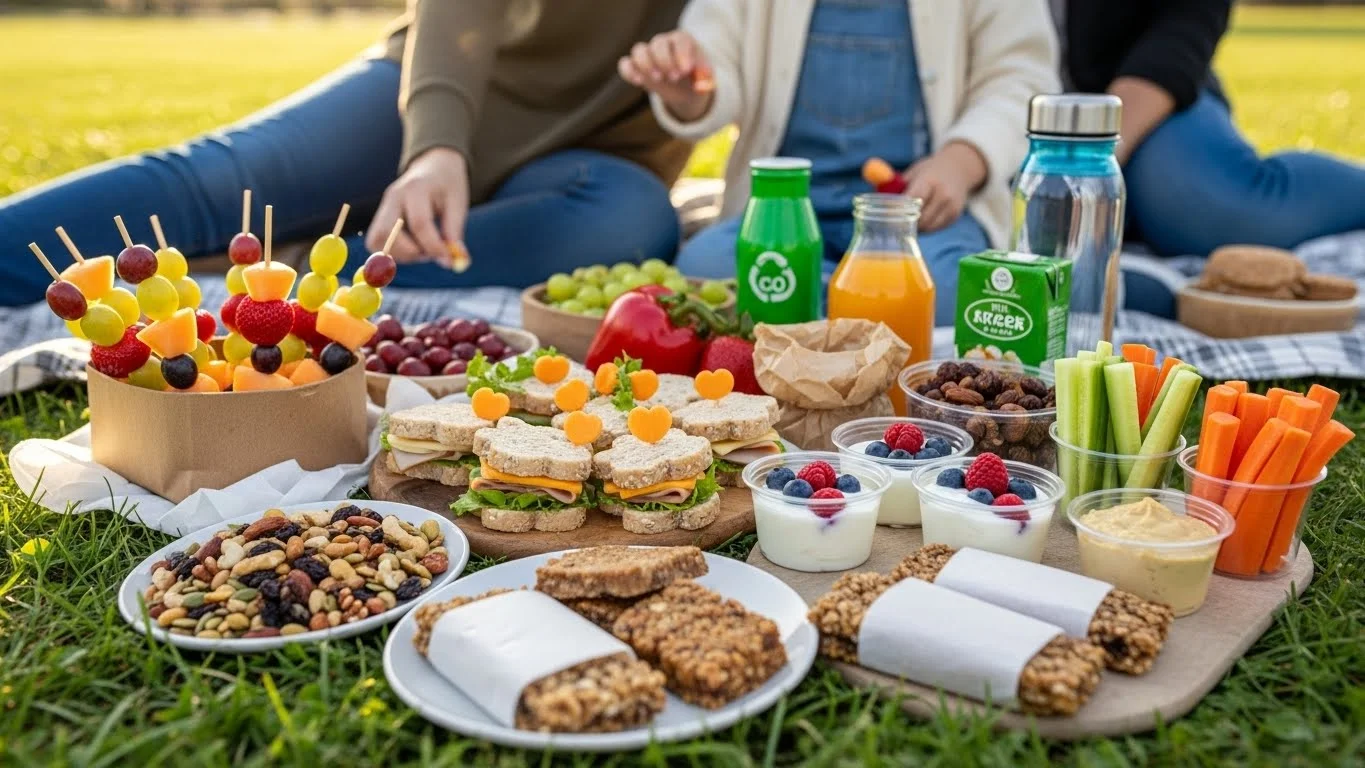
Traveling doesn’t have to mean sacrificing fun for health. I’ve found creative ways to make healthy eating enjoyable for my kids. One idea is to turn snack time into a mini picnic, even if we’re just at a rest stop. I pack a blanket and some of our favorite snacks, and we enjoy a leisurely break together. It becomes an event rather than just a meal, and my kids love it.
Another fun activity is to have themed food days during our travels, where we focus on the local cuisine or a particular type of food. For example, if we’re in a region known for its seafood, we might try to incorporate fish into our meals. This not only makes eating exciting but also helps my kids be more open to new foods.
Establishing a Routine on the Go
Lastly, maintaining some form of routine can really help with healthy eating while traveling. I’ve discovered that having set meal and snack times keeps my kids from getting too hungry, which can lead to poor food choices. Even if we’re on the road, I try to stick to a schedule as much as possible, and I communicate this to my kids. They feel more secure knowing when they’ll eat, and it reduces the “snack attacks” that often occur at the most inconvenient times.
Frequently Asked Questions
Why is a balanced diet important for kids while traveling?
A balanced diet helps maintain energy levels, improves mood, and supports overall health. When kids eat well, they are more engaged and less likely to throw tantrums, making travel more enjoyable for everyone.
What are some essential nutritional components to pack for kids on the go?
The essential nutritional components include proteins (like yogurt and cheese), carbohydrates (such as whole-grain wraps and energy bites), fruits and vegetables (like apple slices and baby carrots), and dairy or dairy alternatives (such as yogurt cups and fortified plant-based options).
What are some nutritious snacks recommended for travel?
Nutritious snacks include granola bars, energy bites, dried fruits, fruit leather, and portable meal options like wraps and sandwiches. These options are easy to pack and enjoyable for kids.
How can I keep beverages healthy for my kids while traveling?
Healthy beverage options include water and homemade smoothies. Packing reusable water bottles and adding fruit slices to water can make hydration more enjoyable for kids.
What are some storage solutions for keeping food fresh during travel?
Using a mix of containers and bags is essential for keeping food fresh. Small containers for fruits and veggies and a designated cooler for perishables help maintain freshness throughout the trip.
What tips are there for dealing with dietary restrictions while traveling?
For gluten-free options, consider snacks like popcorn and rice cakes. For dairy-free diets, plant-based yogurts and vegan cheeses are great alternatives. Always check for suitable options at local restaurants.
How can I encourage my kids to eat healthy while traveling?
Involving kids in food choices can encourage healthy eating. Let them brainstorm meal ideas and pick out snacks at the grocery store, making them feel more invested in what they eat.
What strategies can help maintain healthy eating when dining out?
Choosing restaurants that emphasize fresh ingredients and allowing kids to customize their meals can help maintain healthy eating. Understanding menu language and asking questions about preparation methods also aids in making healthier choices.
How can I make healthy eating fun for my kids while traveling?
Making healthy eating fun can include turning snack time into a mini picnic or having themed food days focusing on local cuisine. This approach keeps meals exciting and encourages kids to try new foods.
Why is meal prepping beneficial for family trips?
Meal prepping helps ease the stress of packing and provides a variety of healthy options for snacks and meals, preventing last-minute unhealthy choices on the road. For more meal planning tips, check out Travel-Friendly Family Meal Plans: Tips for Budget Backpackers.
Read Interesting article: Traveling While Pregnant: Must-Have Nutrients Explained