Traveling with little ones can be full of surprises, and diaper rash is one of those pesky challenges that can pop up unexpectedly. Luckily, there are effective remedies that travel well, keeping our babies comfortable on the go. To help prevent diaper rash while traveling, check out Essential Tips for Preventing Diaper Rash on the Go.
Travel-Friendly Remedies for Diaper Rash Relief
Understanding Diaper Rash
What is Diaper Rash?
Diaper rash, or dermatitis, is a common condition affecting babies and young children. It usually appears as red, inflamed skin in areas covered by a diaper. I remember the first time my little one developed a rash; it was heartbreaking to see that discomfort etched on her face. Diaper rash can happen for various reasons, and understanding it can help us tackle it effectively.
Common Causes of Diaper Rash
There are several reasons why diaper rash might strike. The most common culprits include:
Moisture: Prolonged exposure to wetness, whether from urine or stool, can lead to irritation. I’ve noticed that even a little extra moisture during hot weather can trigger a rash.
Friction: Rubbing against the diaper can irritate delicate skin. I remember adjusting the fit on my daughter’s diaper several times to help reduce friction.
New Products: Changes in diapers, wipes, or laundry detergents can sometimes cause reactions. Once, after trying a new brand of wipes, my baby developed a rash that took a few days to heal.
Infections: Yeast infections are quite common in the diaper area, especially after a round of antibiotics. I learned this the hard way when my daughter had a persistent rash that needed a doctor’s attention.
Symptoms to Look For
Recognizing the symptoms of diaper rash is crucial for prompt treatment. Common signs include:
Red, inflamed patches on the skin
Skin that feels warm to the touch
Swelling or bumps on the affected area
Discomfort and irritability in your child during diaper changes
Each time I noticed these signs, I felt a mix of urgency and concern. I always tried to act quickly to find a remedy, hoping to ease my baby’s discomfort as swiftly as possible.
Travel Considerations for Diaper Rash
Why Travel Can Trigger Diaper Rash
Traveling can sometimes increase the chances of diaper rash. Changes in routine, unfamiliar environments, and even stress can play a role. I found that long car rides and crowded airports often led to my daughter being in a diaper longer than usual. The combination of heat and confinement sometimes made her more prone to rashes.
Additionally, the limited access to changing facilities and the rush of travel can lead to missed diaper changes. I’ve experienced this firsthand when I thought I had enough time for one last stop only to find out I had to wait much longer than anticipated. This added stress can also make it harder to keep skin dry and clean.
Essential Travel Tips for Parents
To mitigate the risk of diaper rash while traveling, I’ve discovered several helpful tips:
Plan Ahead: Always know where changing stations are located when traveling. I often check maps or apps before heading out.
Frequent Changes: Change diapers more often than usual to prevent moisture buildup. I set reminders on my phone during long trips to ensure I don’t forget.
Pack Extra Supplies: Bring more diapers, wipes, and creams than you think you’ll need. I once ran out of wipes during a long flight, and it was a stressful situation!
Keep the Area Dry: If you can, let your baby go without a diaper for a little while to air out their skin. I found that taking short breaks during our road trips helped.
These little adjustments made a big difference for us. I felt more prepared and less anxious, knowing I had a plan to keep my baby comfortable. For more tips on maintaining hygiene while traveling with little ones, refer to How to Maintain Hygiene for Newborns: Parent’s Guide.
Travel-Friendly Remedies for Diaper Rash
Natural Remedies
When it comes to soothing diaper rash, I’ve found that natural remedies can be incredibly effective and gentle on my baby’s sensitive skin. They are easy to pack and often do wonders without the need for harsh chemicals.
Coconut Oil
Coconut oil is one of my favorite go-to remedies. It’s not only a moisturizer but also has anti-inflammatory and antibacterial properties. I always carry a small jar with me when we travel. After a diaper change, I apply a thin layer to my baby’s bottom. I remember the first time I used it; I was amazed at how quickly it helped soothe her irritation. Plus, it smells so nice!
Organic Aloe Vera
Another remedy I’ve loved is organic aloe vera. It’s incredibly soothing and helps reduce redness. I keep an aloe vera gel tube in our diaper bag. If I notice any irritation, I simply apply a little to the affected area. The cooling sensation seems to make my little one feel much better almost instantly. I feel like I’m packing a tiny bottle of relief in my bag!
Over-the-Counter Creams
While I prefer natural remedies whenever possible, there are some over-the-counter creams that I’ve found to be highly effective, especially during travel when time is of the essence.
Barrier Creams
Barrier creams are fantastic for preventing and treating diaper rash. They create a protective layer on the skin, keeping moisture at bay. I usually opt for creams with zinc oxide, as they provide excellent protection. I always make sure to apply it during every diaper change when we’re on the road to keep my baby’s skin safe from irritation. It’s reassuring to know that I’m actively working to prevent any discomfort.
Hydrocortisone Creams
In cases where the rash seems a bit more stubborn, I’ve consulted with our pediatrician about using hydrocortisone cream. This helps reduce inflammation and can provide quick relief. I’ve found that it’s best to use this sparingly and only when necessary. Having a small tube in our travel kit gives me peace of mind, especially during longer trips.
Homemade Remedies
If you’re looking for something a bit more hands-on, homemade remedies can be a fun way to tackle diaper rash while traveling.
Oatmeal Baths
Oatmeal baths are a soothing option that I’ve used in the past. If we find ourselves in a place with a bathtub, I’ll grab a handful of colloidal oatmeal and mix it into the warm water. It’s great for calming irritated skin. I’ve noticed that my baby enjoys the warm bath, and it helps her feel relaxed. It’s like a mini spa day, and honestly, I think we could all use a little pampering on the go!
Chamomile Tea Compresses
Another remedy I’ve experimented with is chamomile tea compresses. I brew a strong cup of chamomile tea, let it cool, and then soak a clean cloth in it. I gently apply the cloth to the affected area. Chamomile has anti-inflammatory properties, which can be soothing. I remember feeling a sense of relief when I saw the improvement in my daughter’s skin after using this method. It’s amazing how nature can help us out!
Preventive Measures While Traveling
Choosing the Right Diapers
Choosing the right diapers can make a world of difference when it comes to preventing diaper rash while we’re on the go. I’ve learned that opting for highly absorbent diapers can help keep moisture away from my baby’s skin. I often lean toward brands that offer extra protection and breathability. During our travels, I also make sure to select diapers that fit well to avoid any friction. A good fit is essential, and I’ve seen firsthand how it can prevent rashes from forming.
Maintaining Hygiene on the Go
Maintaining hygiene is crucial, especially while traveling. I always pack hand sanitizer and travel-size wipes to keep our hands clean before and after diaper changes. This has become a part of my routine. I’ve noticed that taking these extra steps helps reduce the chance of irritation and infections. It’s a simple way to ensure that my little one stays healthy and comfortable, no matter where we are. For more insights on overcoming feeding challenges, you can read Overcoming Common Newborn Feeding Challenges: A Guide.
Keeping the Diaper Area Dry
Keeping the diaper area dry is essential in preventing diaper rash. I’ve found that using a small towel or cloth to dab the area after a diaper change can work wonders. If we’re at a park or somewhere with limited access to changing tables, I make it a point to let my baby have a little diaper-free time when possible. It’s amazing how a bit of fresh air can help clear things up! I always feel like I’m doing my best for her comfort when I take these extra steps.
When to Seek Medical Help
Signs of Severe Diaper Rash
While most diaper rashes are mild and can be treated at home, there are times when seeking medical help is necessary. I’ve learned to keep an eye out for specific signs that indicate a more serious problem. If I ever notice that my baby’s rash is worsening instead of improving, I know it’s time to consult a pediatrician.
Some signs to look for include:
<strong>Persistent Rash:</strong> If the rash lasts more than three days despite treatment, I’ve found that it’s best to get professional advice.
<strong>Blisters or Open Sores:</strong> If I see any blisters, open sores, or oozing, I take that as a serious warning sign. This could indicate a secondary infection that needs attention.
<strong>Fever or Unusual Irritability:</strong> If my baby develops a fever or seems more irritable than usual, especially in conjunction with a rash, I make an appointment with the doctor.
<strong>Rash Spreading Beyond Diaper Area:</strong> If the rash spreads beyond the diaper area, it’s time to seek help. I’ve learned that this could mean it’s not just a simple case of diaper rash.
These symptoms can be alarming, and I always remind myself that it’s better to be safe than sorry. It’s comforting to know that I can reach out for help when needed.
Consulting a Pediatrician
When I do decide to consult a pediatrician, I always come prepared with notes about my baby’s symptoms and any treatments I’ve tried. I find that being organized helps the doctor understand the situation better. Sometimes, the pediatrician may recommend a prescription cream or medication, especially if they suspect a yeast infection or other skin condition.
It’s reassuring to have a healthcare professional’s guidance when dealing with persistent diaper rash. I remember the first time I took my daughter to the doctor for her rash; I was nervous but ultimately relieved to have a clear path forward. The doctor was able to provide me with a targeted treatment plan, which made all the difference.
Travel Packing List for Diaper Rash Relief
Essential Items to Bring
When it comes to traveling with little ones, packing smart is key. I always create a checklist to ensure I have everything I need to manage diaper rash effectively while we’re on the go. Here are some essentials I never leave home without:
<strong>Diapers:</strong> I always pack enough diapers for the journey, plus a few extra just in case. I learned the hard way that running out can lead to stressful situations!
<strong>Wipes:</strong> A travel-size pack of wipes is a must. They’re great for quick clean-ups and can also help keep the diaper area clean during changes.
<strong>Barrier Cream:</strong> I always include a tube of barrier cream in my bag. It’s essential for protecting my baby’s skin from moisture.
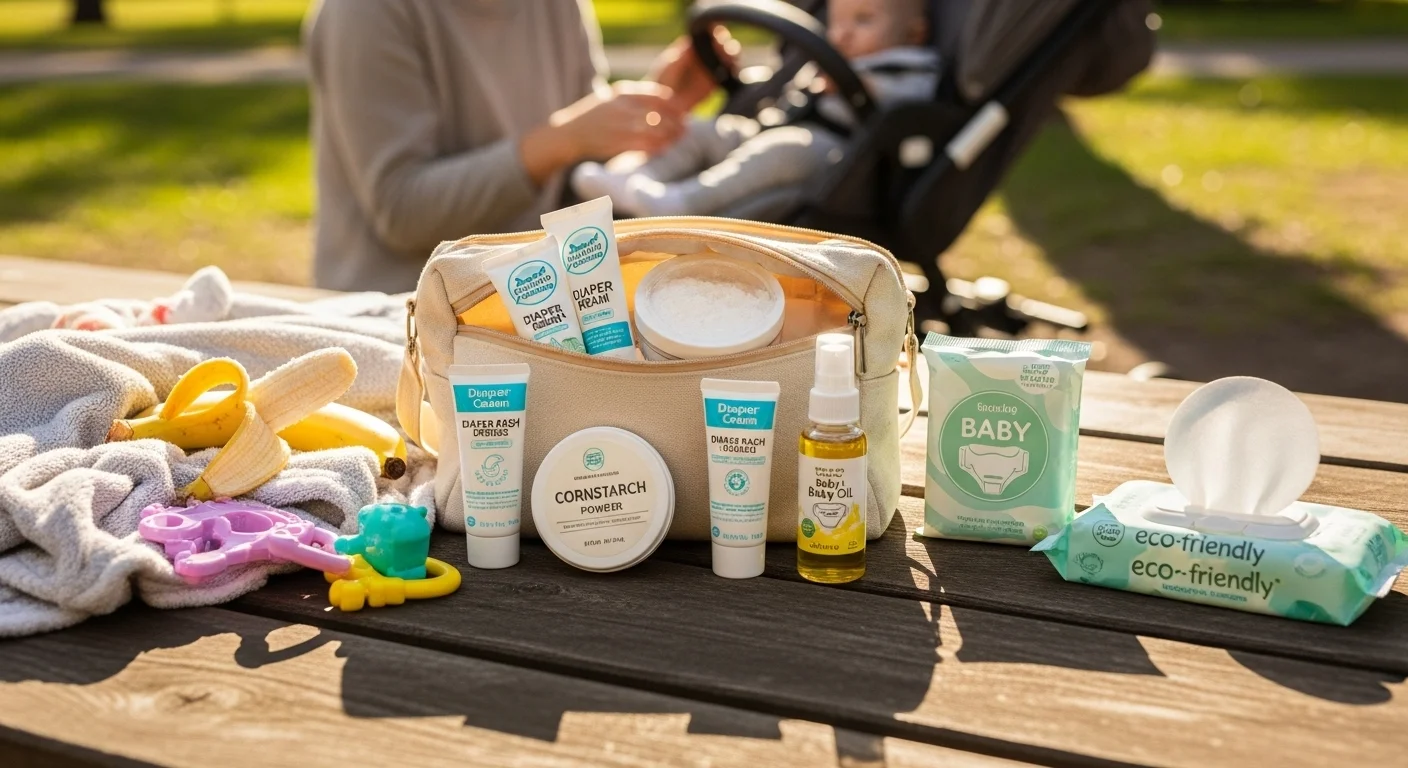
<strong>Natural Remedies:</strong> Coconut oil and aloe vera gel are staples in my travel kit. They’re compact, effective, and provide gentle relief.
<strong>Changing Pad:</strong> A portable changing pad makes diaper changes easier, especially in busy public spaces. It also adds a layer of cleanliness to the process.
<strong>Extra Clothes:</strong> I always bring a couple of extra outfits for my baby, just in case of leaks or messes. It helps me feel prepared for anything.
<strong>Hand Sanitizer:</strong> Keeping our hands clean is crucial, so I never forget to pack a travel-size hand sanitizer.
Having these items ready to go gives me peace of mind. I know I’m well-equipped to handle any diaper rash situation that might arise during our travels.
What to Include in Your Diaper Bag
The diaper bag is where I keep all the essentials for on-the-go diaper changes. Besides the items mentioned above, I also like to include:
<strong>Disposable Diaper Bags:</strong> These are perfect for disposing of dirty diapers discreetly while traveling.
<strong>A Small Towel or Cloth:</strong> This can be handy for drying the diaper area after a change or for quick clean-ups.
<strong>Soothing Creams or Lotions:</strong> I keep a small container of soothing cream just in case my baby needs a little extra comfort.
<strong>Comfort Item:</strong> Whether it’s a favorite toy or a blanket, having a comfort item can help soothe my baby during stressful travel moments.
I feel like being organized with our diaper bag not only makes traveling smoother but also keeps my baby happy and comfortable. It’s all about being prepared for whatever the adventure may hold!
Personal Experiences and Tips from Traveling Parents
Real-Life Stories
As I’ve connected with other parents, I’ve heard some memorable stories about battling diaper rash on the go. One friend recounted a family road trip where they were caught in unexpected traffic. They had planned everything perfectly, but the delay meant longer diaper-wearing times, leading to a nasty rash. They learned the hard way that in such situations, it’s crucial to have a backup plan for diaper changes.
Another parent shared a tale about their vacation at the beach. Their little one loved playing in the sand, but after a day in wet swim diapers, a rash developed. They had to act quickly and creatively, using some natural remedies they’d packed, and thankfully, the rash cleared up before the end of their trip.
Advice from Experienced Travelers
From my conversations with fellow parents, I’ve gathered some valuable advice that has shaped my own travel strategies. One tip that stood out was to always check the location of changing facilities at destinations ahead of time. This has saved me from scrambling during critical moments.
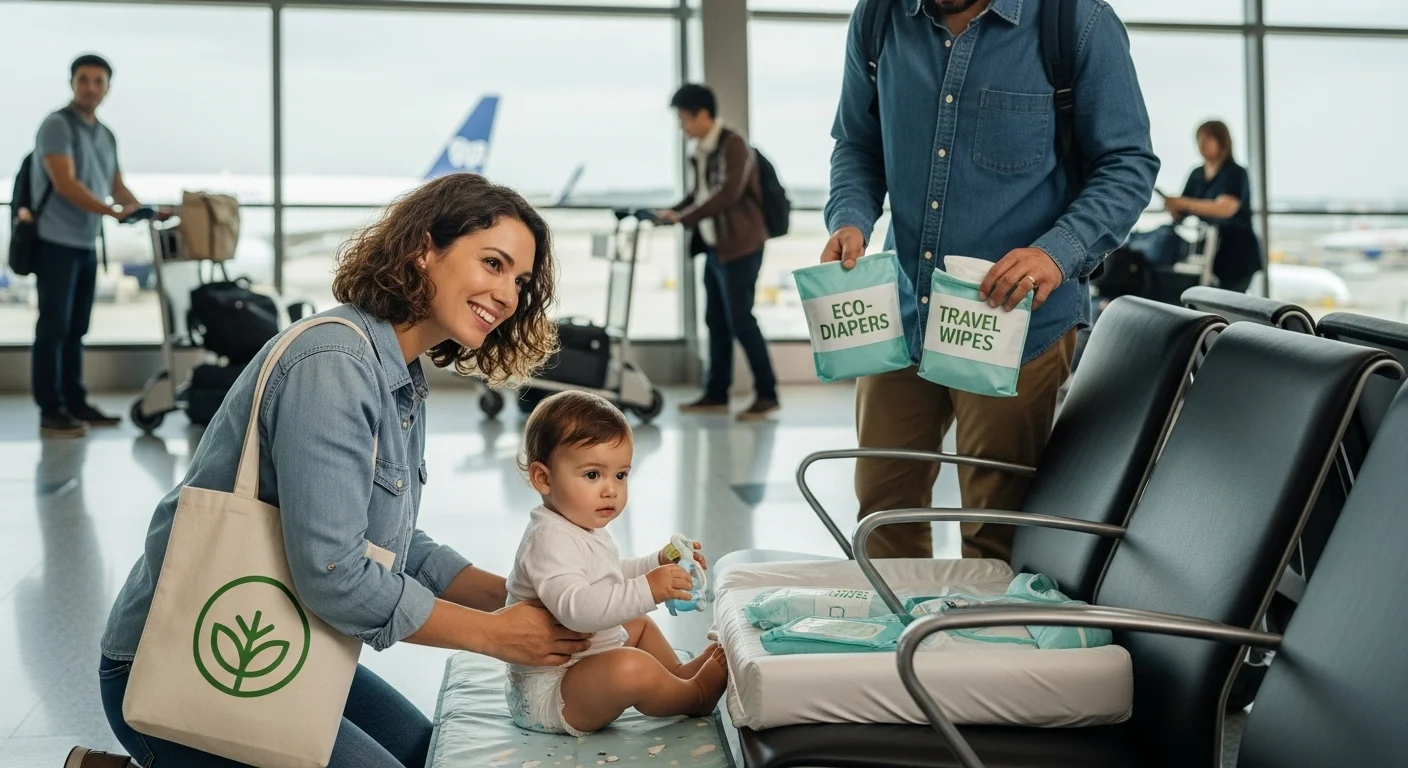
I also learned to embrace flexibility. Sometimes, the best laid plans go awry, and being adaptable can make all the difference. I remember a time when we missed a changing station in an airport. Instead of panicking, I found a quiet corner and managed a quick change. It wasn’t ideal, but it worked, and my daughter remained comfortable.
Traveling with little ones can be a challenge, especially when it comes to diaper rash. However, with the right preparation and mindset, I believe we can navigate these bumps in the road more smoothly. Whether it’s packing essentials, using effective remedies, or simply staying calm, I know we can make our travels enjoyable for the whole family.
Frequently Asked Questions
What is diaper rash?
Diaper rash, or dermatitis, is a common condition affecting babies and young children, characterized by red, inflamed skin in areas covered by a diaper.
What are the common causes of diaper rash?
The most common causes of diaper rash include moisture from prolonged exposure to wetness, friction from rubbing against the diaper, reactions to new products like diapers or wipes, and infections such as yeast infections.
What symptoms should I look for in diaper rash?
Common symptoms of diaper rash include red, inflamed patches on the skin, warm skin to the touch, swelling or bumps in the affected area, and discomfort or irritability during diaper changes.
How can travel increase the chances of diaper rash?
Travel can increase the chances of diaper rash due to changes in routine, unfamiliar environments, stress, and limited access to changing facilities, which may lead to missed diaper changes.
What travel tips can help prevent diaper rash?
To prevent diaper rash while traveling, parents should plan ahead for changing station locations, change diapers frequently, pack extra supplies, and allow the baby to go without a diaper for short periods to keep the area dry.
What natural remedies can be effective for diaper rash?
Natural remedies for diaper rash include coconut oil, which has anti-inflammatory and antibacterial properties, and organic aloe vera, which soothes irritation and reduces redness.
When should I seek medical help for diaper rash?
Medical help should be sought if the rash persists for more than three days, shows blisters or open sores, is accompanied by a fever or unusual irritability, or spreads beyond the diaper area.
What items should I pack for diaper rash relief while traveling?
Essential items to pack include enough diapers, travel-size wipes, barrier cream, natural remedies like coconut oil and aloe vera gel, a portable changing pad, extra clothes, and hand sanitizer.
What should I include in my diaper bag for on-the-go changes?
In addition to essentials, the diaper bag should include disposable diaper bags, a small towel or cloth, soothing creams or lotions, and a comfort item for the baby.
What advice do experienced travelers have for managing diaper rash?
Experienced travelers advise checking the location of changing facilities ahead of time and being flexible with plans, as adaptability can help manage unexpected diaper rash situations.
Traveling with little ones can be a challenge, especially when it comes to diapering. Thankfully, eco-conscious options are now both affordable and accessible for parents on the go. Read Interesting article: Top Eco-Friendly Diapering Options for Budget Backpackers
Affordable Eco-Conscious Diapering for Traveling Parents
Understanding Eco-Conscious Diapering
What is Eco-Conscious Diapering?
When I first became a parent, I was overwhelmed by the sheer number of choices available for diapering. After some research, I discovered eco-conscious diapering. This approach focuses on using products that are better for the environment and for our babies. Eco-conscious diapering typically involves cloth, biodegradable, or compostable diapers. Unlike traditional disposable diapers, which can take hundreds of years to decompose, eco-friendly options aim to reduce waste and limit the environmental impact of our parenting choices. I found that making this switch not only benefits my baby but also gives me peace of mind, knowing I’m contributing to a more sustainable future.
Benefits of Eco-Conscious Diapering
There are so many reasons to consider eco-conscious diapering. First and foremost, it helps minimize the amount of waste in landfills. I remember learning that the average baby can use around 6,000 diapers in their first few years. Imagine the impact if every parent switched to eco-friendly options! Additionally, many eco-conscious diapers are made from natural materials, which can be gentler on a baby’s sensitive skin. I’ve noticed fewer rashes and irritations since I made the switch.
Cost savings also play a significant role. Though some eco-friendly diapers may have a higher upfront cost, I’ve found that they can save money in the long run, especially if you opt for cloth diapers. Plus, they can be reused for future children or sold second-hand, making them an even smarter investment. I feel good knowing that my choices are not just good for my family but also for the planet. Read Interesting article: Top Diapering Techniques Every Budget Backpacker Should Know
Types of Eco-Friendly Diapers
As I explored eco-conscious diapering, I discovered three primary types: cloth diapers, bamboo diapers, and compostable diapers. Each has its pros and cons, and I’ve found that different options suit different traveling situations.
Cloth Diapers
Cloth diapers have been a game-changer for my family. They come in various styles, such as prefolds, pockets, and all-in-ones. What I love about cloth is that they are reusable, which means I can simply wash them and use them again. When we travel, I often bring a small stash of cloth diapers. They can be a bit bulky, but they save money and minimize waste, which is a trade-off I’m willing to make.
One of my favorite brands for cloth diapers is [insert favorite brand here]. They offer a wide range of designs and sizes, which makes finding the right fit easier than ever. I really appreciate how they cater to families on the go, providing options that can be folded up neatly and packed away without taking up too much space.
Bamboo Diapers
Bamboo diapers have also caught my attention. Made from natural, biodegradable materials, they are incredibly soft and absorbent. I remember the first time I tried them; my baby seemed so comfortable! They are a great option for traveling since they tend to be lighter than cloth and don’t require washing. Though they are disposable, they break down much more quickly than traditional diapers, which eases my eco-guilt when I have to throw them away.
When choosing bamboo diapers, I like to look for brands that source their materials sustainably. It’s important to me that I’m not just choosing a product that’s better for my baby, but also for the planet.
Compostable Diapers
Compostable diapers are another excellent option that I’ve discovered. They offer the convenience of disposables while ensuring that they break down in a composting environment. I’ve found these to be incredibly useful during our travels, especially when we’re visiting places without access to washing facilities. Compostable diapers can be a little more expensive, but I believe the trade-off is worth it for their reduced environmental impact.
When considering compostable options, I typically research which brands offer the best performance. I want to ensure that they are effective while also being eco-friendly. I’ve learned that some brands even provide services to collect used diapers for composting, which is a fantastic option for families who want to maintain their commitment to sustainability while on the go.
Traveling with Diapers: Key Considerations
Choosing the Right Diapering Method for Travel
When we plan trips, choosing the right diapering method has become an essential part of our preparations. I always consider the length of our travels and the availability of washing facilities. For short trips, I might pack a mix of cloth and bamboo diapers, while longer trips often call for compostable options. It’s all about finding a balance that makes our travels easier and more eco-friendly.
Weight and Space Considerations
As I learned from my own experiences, weight and space are crucial when traveling with babies. Diapers can take up a lot of room in a suitcase, especially cloth ones. I’ve started to pack strategically, rolling the diapers to save space and using wet bags to keep everything organized. It’s amazing how much more room I can create when I’m intentional about packing! Additionally, I always think about how many diapers we’ll need, ensuring I have enough without overpacking.
Availability of Washing Facilities
Washing facilities can make or break my diapering strategy when we travel. I usually try to book accommodations that offer laundry options, making it easier to maintain our cloth diaper routine. However, there have been times when I found myself in a pinch without washing facilities. In those moments, I’ve relied on bamboo and compostable diapers, which provide the convenience I need while still keeping our eco-conscious goals in mind.
Budget-Friendly Eco-Conscious Diapering Solutions
Cost Comparison: Eco-Friendly vs. Disposable Diapers
When I first started my eco-conscious journey, I was a bit shocked by the price tags on some eco-friendly diaper options. However, I’ve come to realize that comparing the costs of eco-friendly diapers to traditional disposable ones can be quite enlightening. For instance, while disposable diapers often seem cheaper at first, the amount spent over time really adds up. I remember calculating that the average baby uses around 6,000 diapers in their diapering years, which can mean thousands of dollars spent! In contrast, cloth diapers, while requiring a larger upfront investment, can be reused for multiple children or resold. This realization helped me appreciate how eco-friendly choices can be budget-friendly in the long run.
When I compare the costs, I also consider the environmental impact. Using cloth or compostable diapers can significantly lower the carbon footprint of my family. It’s a win-win situation! So, even if I might pay a little more initially, I feel like I’m making a responsible choice that benefits both my family and the planet. Read Interesting article: Ultimate Guide to Diaper Wipe Alternatives While Traveling
Buying in Bulk for Savings
One of my favorite strategies for maintaining an eco-conscious diapering routine without breaking the bank is buying in bulk. I remember the first time I ordered cloth diapers in bulk; it felt like a big investment, but it paid off. Many brands offer discounts for bulk purchases, and this can lead to significant savings over time. I’ve also discovered that buying large packs of bamboo or compostable diapers is a smart move, especially when planning for trips. This way, I ensure I have enough supplies without needing to make frequent purchases. Plus, I find it comforting knowing I have a stash ready to go, reducing the stress of diapering when we’re out and about.
Another tip I learned is to keep an eye out for sales or promotions from my favorite brands. Signing up for newsletters or following them on social media can keep you in the loop about upcoming discounts or special offers. I’ve snagged some fantastic deals this way!
DIY Cloth Diapering Options
As I dove deeper into eco-conscious diapering, I stumbled upon the world of DIY cloth diapering. I was initially intimidated by the idea of making my own diapers, but I soon realized it can be a fun and budget-friendly project. I found tons of tutorials online for making simple cloth diapers using materials like old t-shirts or towels. Not only is this a great way to save money, but it also allows for a personal touch. I even got my kids involved in picking out patterns and colors, turning it into a fun family activity!
One of my favorite DIY projects was creating a simple pocket diaper. With just a bit of sewing, I could customize the absorbency and fit perfectly for my baby. Plus, I felt a sense of accomplishment knowing that I was reducing waste while also providing my child with a comfortable diapering option. If you’re interested in trying this route, I recommend looking for local sewing classes or online workshops. It’s amazing how much you can learn and create!
Another fun aspect of DIY is that it encourages creativity. I’ve seen parents make their own wet bags, changing pads, and even diaper covers! It’s a great way to express yourself while being eco-conscious and budget-friendly. So, if you’re feeling adventurous, give it a try! You might surprise yourself with what you can create.
Best Eco-Conscious Diaper Brands for Traveling Parents
Top Cloth Diaper Brands
As I navigated through the world of eco-friendly diapering, I discovered some incredible cloth diaper brands that have made my life so much easier. One brand that quickly became my go-to is [insert favorite cloth diaper brand here]. Their products are super soft, easy to wash, and come in adorable prints that make diapering a little more fun. I love how their designs are not only functional but also aesthetically pleasing. It’s like dressing my baby in little works of art!
Another brand I can’t recommend enough is [insert another favorite cloth diaper brand here]. They offer a wide range of options, including all-in-ones and pocket styles, which have both become staples in my diaper bag. The quality is fantastic, and I appreciate how they prioritize sustainability in their manufacturing processes. It feels great to support a brand that aligns with my values!
Best Bamboo Diapers on the Market
When it comes to bamboo diapers, I have been consistently impressed with [insert favorite bamboo diaper brand]. Their diapers are not only incredibly soft but also leak-proof, which is a must-have when traveling. I remember using them for a long road trip, and I was so relieved that they held up perfectly throughout the journey. Plus, the fact that they are biodegradable gives me peace of mind when it’s time to dispose of them.
Another brand I’ve enjoyed for bamboo diapers is [insert second favorite bamboo diaper brand]. They offer eco-friendly options that are made from sustainably sourced bamboo, which makes me feel good about my choices. They are lightweight and easy to pack, perfect for our family adventures.
Recommended Compostable Diapers
In my search for the best compostable diapers, I found [insert favorite compostable diaper brand] to be a standout. They are designed to break down in composting environments, which is such a relief for my eco-conscious heart. I’ve used these diapers during vacations, and they have performed admirably. I also love that they come in a variety of sizes, making it easy to find the right fit for my growing baby.
Another compostable brand that has impressed me is [insert second favorite compostable diaper brand]. They are committed to sustainability and are transparent about their ingredients, which is something I really value. I appreciate how they focus on creating a high-quality product that respects both my child and the planet.
Essential Accessories for Traveling with Eco-Conscious Diapers
Wet Bags for Storage
One of the must-have accessories I discovered while traveling with eco-conscious diapers is a good wet bag. These bags are designed to hold dirty cloth diapers or wipes without leaking. I remember the first time I used one; I was amazed at how well it contained odors and messes! Wet bags come in various sizes, and I typically carry a couple—one for clean diapers and one for used ones. This keeps everything organized and makes diaper changes much smoother when we’re out and about.
When choosing a wet bag, I look for ones that are machine washable and made from water-resistant materials. Some brands even offer fun patterns and colors that make diapering feel a little more stylish. It’s such a simple addition to our diapering routine, but it has made a world of difference during travel.
Portable Changing Pads
Another essential item I always pack is a portable changing pad. I can’t tell you how many public changing stations I’ve encountered that were less than ideal. Having a changing pad allows me to create a clean, comfortable space for diaper changes, no matter where we are. I usually choose one that folds up easily and fits in my diaper bag without taking up too much space.
Some portable changing pads even come with pockets for diapers and wipes, which is a convenient feature. I found that having everything in one place not only speeds up the process but also reduces the likelihood of forgetting any essentials when we’re in a rush. Plus, I appreciate knowing that my baby is changing on a clean surface, which gives me peace of mind.
Eco-Friendly Wipes
Finding eco-friendly wipes has been another game changer for me. I used to buy conventional baby wipes without giving it much thought, but once I learned about the environmental impact, I started looking for better options. I discovered that there are many brands that offer biodegradable or reusable wipes, which is fantastic for our eco-conscious lifestyle.
Reusable wipes are particularly appealing because they can be washed and used over and over again. I usually bring a small stash of these along with a wet bag to keep them moist. On the other hand, if I go for disposable wipes, I choose biodegradable ones that break down more quickly than traditional wipes. This way, I feel like I’m making a responsible choice for my baby and the planet.
Tips for Diapering on the Go
Planning Ahead for Diaper Changes
One thing I’ve learned through experience is the importance of planning ahead for diaper changes when traveling. Before a trip, I always scout out the diaper-changing facilities at our destination. Many family-friendly locations, like parks or restaurants, have designated changing areas, but it’s good to know in advance where they are. I usually keep a list on my phone to refer back to during our travels.
Additionally, I make sure to pack enough diapers and wipes based on how long we’ll be out. I often overestimate to be on the safe side. There’s nothing worse than being caught without enough supplies when your little one needs a change!
Finding Changing Stations While Traveling
Finding changing stations while on the go can sometimes feel like a treasure hunt. When we travel, I often use apps or websites that list baby-changing facilities in public places. I remember one road trip where I relied heavily on these resources, and they saved me from some stressful moments. Many parents share their experiences, which helps others identify the best spots for diaper changes.
In addition, I try to be flexible. Sometimes, I’ve had to change my baby in the backseat of the car or on a picnic table when a proper changing station was nowhere in sight. Having a portable changing pad makes those situations much easier, and I always keep wipes handy for a quick clean-up.
Managing Diaper Disposal Responsibly
Managing diaper disposal is another critical consideration when traveling, especially if you’re using disposable options. I’ve learned that not every trash can is suitable for diaper disposal, and I always look for designated bins when available. If I can, I prefer to pack compostable diapers to minimize waste. However, if I’m using traditional disposables, I make sure to double-bag them in my wet bag to contain any odors.
Some parks and public places have specific waste bins for diaper disposal, which is helpful to know. In my experience, it’s always best to be respectful of the environment and dispose of diapers responsibly. I often remind myself that every little action counts in our journey toward eco-conscious living.
Travel Destinations with Eco-Conscious Facilities
Family-Friendly Eco-Resorts
Over the years, I’ve come across some family-friendly eco-resorts that cater specifically to parents who are keen on maintaining their eco-conscious practices. One of my favorite spots was an eco-resort in Costa Rica. They provided cloth diapering options and even had a dedicated laundry service for parents traveling with babies. It felt great to know that I could stick with my diapering routine while enjoying a beautiful environment.
These resorts often incorporate sustainability in their operations, from organic food options to renewable energy sources. Staying at a place like this not only enhances the family vacation experience but also reinforces our commitment to eco-friendly living. I recommend doing some research to find eco-resorts that align with your values; it can make a world of difference in your travels!
Traveling to Cities with Sustainable Practices
When planning our trips, I also look for cities that prioritize sustainability. Cities like San Francisco and Copenhagen have robust public transport systems, green spaces, and eco-friendly amenities that cater to families. These destinations often have initiatives for reducing waste, which is a huge plus for us. I can’t tell you how reassuring it is to know that we’re visiting places committed to protecting the environment.
I’ve found that many of these cities also offer resources for parents, like diaper-changing stations and eco-friendly products in local shops. It’s all about finding the right balance between enjoying our family adventures and ensuring they are aligned with our eco-conscious lifestyle. Traveling can be both fun and responsible, and I believe it’s all about making informed choices that reflect our values.
Frequently Asked Questions
What is eco-conscious diapering?
Eco-conscious diapering focuses on using products that are better for the environment and babies, typically involving cloth, biodegradable, or compostable diapers. This approach aims to reduce waste and limit the environmental impact of parenting choices.
What are the benefits of eco-conscious diapering?
Benefits include minimizing landfill waste, being gentler on a baby’s sensitive skin, and potential cost savings in the long run. Eco-friendly options can reduce rashes and irritations, and cloth diapers can be reused for future children or sold second-hand.
What types of eco-friendly diapers are available?
There are three primary types of eco-friendly diapers: cloth diapers, bamboo diapers, and compostable diapers. Each type has its own advantages and is suitable for different traveling situations.
How do cloth diapers work for traveling?
Cloth diapers are reusable and can be washed after each use. They can be a bit bulky when packed, but they save money and reduce waste. Many parents bring a small stash when traveling and pack them strategically to save space.
What are bamboo diapers and why are they a good option?
Bamboo diapers are made from natural, biodegradable materials that are soft and absorbent. They are lightweight and don’t require washing, making them a convenient option for traveling. They also break down more quickly than traditional disposable diapers.
What are compostable diapers?
Compostable diapers offer the convenience of disposables while breaking down in a composting environment. They are useful during travels, especially when washing facilities aren’t available, although they can be more expensive than other options.
How can I save money on eco-conscious diapering?
Parents can save money by buying eco-friendly diapers in bulk or during sales and promotions. While eco-friendly options may have higher upfront costs, they can lead to significant savings over time, especially with reusable cloth diapers.
What essential accessories should I use when traveling with eco-conscious diapers?
Essential accessories include wet bags for storing dirty diapers, portable changing pads for creating clean changing spaces, and eco-friendly wipes, which can be biodegradable or reusable, to align with an eco-conscious lifestyle.
How can I plan for diaper changes while traveling?
Planning ahead involves scouting diaper-changing facilities at the destination and ensuring enough diapers and wipes are packed for the duration of the outing. It’s best to overestimate supplies to avoid running out.
What should I consider for diaper disposal while traveling?
When disposing of diapers while traveling, look for designated bins for diaper disposal. If using traditional disposables, double-bag them in a wet bag to contain odors. Compostable diapers help minimize waste and are a preferable option.
Choosing the right diaper for your baby can feel overwhelming with so many options available. This guide will help you navigate through the various types and find the perfect fit for your little one!
The Ultimate Guide to Choosing the Right Diaper Type
Understanding Diaper Types
When I first became a parent, the sheer variety of diaper types left me scratching my head. I never realized there were so many options to consider! Let me walk you through the three main types of diapers: disposable, cloth, and hybrid. Each has its own unique pros and cons, and understanding them can help us make an informed choice. Read Interesting article: Travel Tips: Supporting Your Baby’s Emotional Growth
Disposable Diapers
Disposable diapers are probably the first type that comes to mind for many parents, including myself. They are convenient and designed for single use, which makes them an attractive choice for busy families. I remember the first time I tried them at a family gathering; it was so easy to just throw away the used diaper and not worry about washing anything. Most disposable diapers are made with absorbent materials that wick moisture away from your baby’s skin, which is a big plus when it comes to keeping them dry and comfortable.
However, I learned that not all disposable diapers are created equal. Some brands use fragrances and chemicals that can irritate sensitive skin, which is definitely something to keep in mind. I recommend looking for options that are labeled as hypoallergenic if your little one has any skin sensitivities. It’s all about finding the right balance between convenience and comfort.
Cloth Diapers
Cloth diapers were something I had heard about, but I was unsure if they were for me. They come in various styles, such as pre-folds, pocket diapers, and all-in-ones. I initially thought they would be too much work, but as I learned more, I realized that they also have their advantages. For one, cloth diapers are often more economical in the long run. While the upfront cost can be higher, I discovered that I could reuse them for subsequent children, which made them a more appealing option for our family.
Another aspect I found appealing was the variety of cute prints and colors available. I mean, who wouldn’t want their baby to sport a stylish diaper? The downside, as I experienced, is that cloth diapers require regular washing and maintenance. This wasn’t a problem for me, but I can see how it could be daunting for some busy parents. If you consider this option, a solid washing routine is essential to keep them fresh and hygienic.
Hybrid Diapers
Then there are hybrid diapers, which I found to be a mix between disposables and cloth. They typically consist of a washable outer cover and a disposable or reusable insert. This appealed to my desire for convenience while still being environmentally conscious. I remember trying out a hybrid diaper on a family trip, and it was a game-changer. I could use the disposable insert for ease while still having a reusable component that I could wash later.
The flexibility that hybrid diapers provide is fantastic, especially for outings where you might not have access to a washing machine. However, I did notice that they can be more expensive than traditional cloth diapers, so it’s essential to consider how frequently you’d use them. We found that they work well for travel, but at home, we leaned more towards traditional cloth options. Read Interesting article: Traveling Smart: Cognitive Milestones in Newborns Explained
Each diaper type has its strengths and weaknesses, and I realized that what works for one family may not work for another. It’s all about finding the right fit for our lifestyle and our baby’s needs. As we continue down this journey of diapering, knowing my options helps ease the decision-making process, making it less daunting and more enjoyable.
So, as we explore more about what factors to consider when choosing diapers, I can’t help but feel that understanding these basics has set a solid foundation for making those choices. Let’s dive deeper into what key factors we should keep in mind when selecting the best diapers for our little ones!
Key Factors for Choosing Diapers
When it comes to selecting the right diapers for our little ones, there are several key factors to consider. I remember feeling overwhelmed by the choices, but once I focused on specific criteria, it became much easier to make decisions. Here are the main factors I think we all should keep in mind when choosing diapers.
Absorbency
Absorbency is perhaps the most important aspect of any diaper. I quickly realized that a diaper’s ability to hold moisture can make a huge difference in my baby’s comfort and my peace of mind. I learned the hard way that some diapers just don’t cut it when it comes to absorbency, especially during the night. I had a few sleepless nights when my baby would wake up feeling wet and uncomfortable, which led me to look for diapers that offered higher absorbency levels.
Many brands now highlight their absorbency features in their marketing, but I found that it’s best to read reviews and ask other parents about their experiences. I felt much more confident using diapers that others recommended for their absorbency, especially those designed for overnight use. Trust me, a well-absorbing diaper can save us all from those midnight changes!
Comfort and Fit
Another factor that played a big role in my diaper choices was comfort and fit. I noticed that a good fit can make all the difference in preventing leaks and ensuring my baby can move freely. I remember trying out a few brands that were either too tight or too loose, and my little one seemed uncomfortable in them. The last thing I wanted was for my baby to feel restricted or irritable due to a poorly fitting diaper.
To find the right fit, I recommend paying attention to the sizing guidelines provided by manufacturers. I found that some brands run smaller or larger than others, so it’s worth experimenting a bit. Also, look for stretchy sides or adjustable fasteners that can help achieve a snug fit without being too tight.
Material Safety
Material safety is something I became very conscious of when selecting diapers. I quickly learned that babies have sensitive skin, and I wanted to avoid anything that could cause irritation or rashes. I remember feeling relieved when I discovered brands that used natural and organic materials, which tend to be gentler on delicate skin. Checking for certifications and reading ingredient lists became a part of my routine.
For those of us concerned about chemical exposure, I suggest looking for diapers that are free from fragrances, dyes, and harmful chemicals. I felt much more at ease knowing that the diaper I chose was made with safe materials. After all, our babies deserve the best, and we want them to be comfortable and happy!
Cost Considerations
Cost is another factor we can’t ignore. I learned early on that diapers can be a significant expense, especially when our babies are in diapers for several years. Disposable diapers can add up quickly, which is why I started looking for sales and bulk-buying options. I remember feeling like a savvy shopper when I found a great deal on a pack of my favorite brand!
Cloth diapers can be a more economical choice in the long run, but the initial investment can be daunting. I found myself weighing the upfront costs against potential savings over time. It helped to create a budget that factored in the cost of washing and maintenance for cloth options. I talked to other parents who made the switch to cloth and got their insights, which were invaluable in easing my concerns about costs.
Environmental Impact
As someone who cares about the environment, the ecological impact of diapers was an important factor for me. I was surprised to learn about the waste generated by disposable diapers and how they can take hundreds of years to decompose in landfills. While I wanted to make life easier with disposables, I also felt a nagging sense of responsibility to reduce our environmental footprint.
This realization led me to explore hybrid and cloth diapering options. By using cloth or hybrid diapers, I could minimize waste while still providing a comfortable and effective solution for my baby’s needs. I’ve seen a growing movement among parents who prioritize sustainability, and it’s inspiring to know that we can make choices that benefit both our little ones and the planet. Read Interesting article: Backpacking with a Newborn: Milestones in Cognitive Growth
In the end, understanding these key factors helped me make more informed choices about diapers. Each family is different, and what works for one might not work for another, but knowing what to consider certainly made the journey a lot smoother and less stressful.
Disposable Diapers: Pros and Cons
Convenience and Ease of Use
When I think about disposable diapers, convenience is the first thing that pops into my mind. The ease of just grabbing a diaper, changing my baby, and tossing it away is a huge relief, especially during the chaotic mornings we often face. I remember those first few weeks of parenthood, adjusting to sleep deprivation and the demands of a newborn. Disposable diapers allowed me to focus on my baby rather than laundry and cleaning up after diaper changes.
With disposable diapers, there’s no need to worry about washing or drying. I found it particularly helpful during outings or vacations, where I didn’t have to pack extra supplies for cleaning cloth diapers. Plus, the fact that they come in individually wrapped packages made them easy to carry around in the diaper bag. I’ve also noticed that many disposable options come with features like wetness indicators, telling me when it’s time for a change. For busy parents, these little conveniences can make a world of difference.
Cost and Bulk Buying Options
However, as convenient as they are, I also had to face the reality of costs associated with disposable diapers. While they can be convenient, they can also add up quickly. I remember feeling the pinch every time I visited the store for a new pack. Fortunately, I discovered that many stores offer discounts for bulk buying, which helped save some money. I began purchasing larger boxes of my favorite brand, which not only cut costs but also meant I didn’t have to make frequent trips to the store.
Another tip I picked up was to watch for sales or coupons. Many brands often have promotions that can make a significant difference in our diaper budget. I learned it was also smart to sign up for loyalty programs with popular diaper brands. This way, I could earn points toward future purchases. With a little planning, I found we could manage the costs without sacrificing quality.
Skin Sensitivity and Allergies
One thing that became very important to me while using disposable diapers was keeping an eye on my baby’s skin. I had heard horror stories from other parents about diaper rashes and allergies. I remember being particularly careful to choose brands that were labeled as hypoallergenic. As I tried out different products, I noticed that some diapers caused more irritation than others. I quickly learned that certain materials or fragrances could lead to discomfort for my baby.
It was a relief to find brands that focused on natural materials and were free from harsh chemicals. I started paying close attention to ingredient lists and made sure to ask for recommendations from other parents. I realized that while convenience is great, it’s essential to prioritize my baby’s comfort and safety above all. If you’re considering disposable diapers, I recommend doing a little research on brands that emphasize skin safety to avoid any unpleasant surprises.
Cloth Diapers: Pros and Cons
Types of Cloth Diapers
Moving on to cloth diapers, I discovered that they come in so many varieties, each with its unique features. At first, I was completely overwhelmed by the options: pre-folds, fitteds, pockets, and all-in-ones. I remember the first time I saw a pocket diaper; the idea of stuffing an absorbent insert into a cute cover was surprisingly appealing! I felt like I was entering a whole new world of diapering.
Each type of cloth diaper has its advantages and disadvantages. For example, all-in-ones are super convenient, just like disposables, but they can take longer to dry after washing. On the other hand, pre-folds are economical and versatile but require more work in terms of folding and fastening. I found it helpful to do a bit of research and maybe even join a local parenting group focused on cloth diapering. Hearing other parents share their experiences and preferences offered helpful insights into choosing what would work best for us.
Washing and Maintenance
Washing cloth diapers was something I initially feared would be a hassle. However, I quickly realized it was manageable with a good routine in place. I remember starting with a simple method: rinsing off any solid waste and storing the diapers in a wet bag until laundry day. It was surprisingly easy to get into the groove of washing them every few days. I learned to wash them on a hot cycle to ensure they were clean and sanitized.
One of the best pieces of advice I received was to use a specific detergent designed for cloth diapers. This made a noticeable difference in keeping them clean without leaving residues or causing skin irritation. I also found that having a dedicated drying rack or line for my diapers helped them air out properly while avoiding any potential damage from high heat in the dryer. If you’re considering cloth diapers, don’t let the thought of washing deter you—it can become part of your routine!
Initial Investment vs. Long-term Savings
Lastly, I had to weigh the initial investment against long-term savings when it came to cloth diapers. The upfront cost can be intimidating, especially when you see the price tags on some brands. But as I delved deeper, I realized that by investing in a good set of cloth diapers, I was setting myself up for significant savings over time. I found myself feeling excited about the idea of reusing them for future kids, which only added to the appeal.
With disposable diapers, I knew I would be continuously buying new packs, which would eventually add up to a substantial amount. In contrast, cloth diapers became an investment I felt good about, knowing they would last through multiple stages and children. I recommend doing a cost comparison based on your baby’s age and how long you plan to use them—it can be eye-opening! Making a thoughtful decision about diapering can truly make financial sense in the long haul.
Hybrid Diapers: The Best of Both Worlds?
How Hybrid Diapers Work
Hybrid diapers are like the middle ground for those of us looking for a balance between convenience and sustainability. I remember my excitement when I first learned about them. Basically, they combine the best features of disposable and cloth diapers. They usually have a washable outer shell and can accommodate either a disposable insert or a reusable one. This versatility is what really drew me in. On days when I was feeling a bit lazy or busy, I could pop in a disposable insert and be on my way. But when I had the time to wash, using a cloth insert felt eco-friendlier and more cost-effective.
Using hybrid diapers means you can tailor the diapering experience to fit your day-to-day needs. For instance, if we were going on a long outing, I would often choose disposable inserts for ease. But at home, I’d lean towards reusable inserts. This flexibility helped me feel like I wasn’t compromising on either convenience or environmental responsibility.
Benefits of Using Hybrid Diapers
One of the major benefits I found with hybrid diapers is the reduction in waste. I’ve always felt a little guilty about the amount of waste produced from disposable diapers, so knowing that I could reduce my carbon footprint while diapering was a huge relief. The washable outer shell cuts down on the number of diapers I’d need to buy over time, making them a more sustainable choice.
Another benefit is the comfort for my baby. I found that many hybrid brands prioritize materials that are gentle on sensitive skin, which was a critical factor for me. The absorbent inserts are often designed to wick moisture away, keeping my little one dry. I remember one particularly hot summer day when my baby seemed much more comfortable in a hybrid diaper compared to a disposable one. It was a small victory that made me appreciate the thoughtful design behind these products.
Lastly, hybrid diapers can also save us money in the long run. While the initial investment may be higher than buying a pack of disposables, the ability to reuse the outer shell can lead to significant savings over time. I calculated how many disposables I would have gone through and felt grateful for choosing the hybrid route. It felt like a win-win situation!
Age and Stage Considerations
Newborns: What to Choose
When my baby was first born, I remember being completely overwhelmed with choices, especially since newborns have such unique needs. I found that newborn diapers are specifically designed to fit their tiny bodies snugly. I tried both cloth and disposable options during those early months, but quickly learned that many parents recommend disposables for the first few weeks due to their ease. I noticed that they often come with umbilical cord cutouts, which I found super helpful in keeping my baby comfortable while healing.
Infants: Best Diaper Options
As my baby grew into the infant stage, I began experimenting more with cloth diapers. I found that they could be a fantastic option, given the increased mobility of little ones. I loved how they come in various sizes and styles, ensuring a good fit as my baby continued to grow. I also started investing in hybrid options, which worked wonderfully for outings, allowing me to switch between inserts based on our activity level.
Toddlers: Transitioning Diapers
When it came time for my baby to transition into toddlerhood, I quickly realized that I needed a more absorbent option. This is when I started leaning heavily on the hybrid diapers. They provided the flexibility I needed while also handling the increased output that comes with a more active lifestyle. I found that both cloth and disposable options were still viable, but as my little one became more independent, I often preferred disposables for their ease during potty training moments.
Tips for Choosing the Right Diaper
Understanding Your Baby’s Needs
One of the best tips I can share is to pay close attention to your baby’s specific needs. Every baby is different, and what works for one might not work for another. I remember taking note of my baby’s reactions to different diaper types and adjusting accordingly. It’s all about trial and error, so don’t hesitate to switch things up if something doesn’t feel right.
Trial and Error: Finding the Perfect Fit
It’s essential to remember that finding the right diaper can be a bit of a journey. I tried various brands and styles before settling on my favorites. I recommend taking advantage of sample packs or trial sizes, which many companies offer. This way, we can test out different options without committing to a full box.
Recommendations from Pediatricians
Lastly, seeking recommendations from pediatricians can be incredibly valuable. I found that many healthcare providers have insights into what works best for babies in general. They can provide guidance on what to look for, especially regarding material safety and skin sensitivities. I always felt more confident in my choices when I knew I was following expert advice.
Final Thoughts
Choosing the right diaper is a personal journey that every parent navigates differently. Whether you lean towards disposables, cloth, or hybrids, what matters most is finding the option that works best for your family. I’ve learned that it’s essential to be flexible and open-minded as our babies grow and their needs change. By considering the factors we discussed, we can make informed choices that will keep our little ones comfortable, happy, and healthy. Let’s embrace the adventure of parenting, one diaper at a time!
Frequently Asked Questions
What are the three main types of diapers?
The three main types of diapers are disposable, cloth, and hybrid diapers. Each type has its unique pros and cons that parents should consider when making a choice.
What are the advantages of disposable diapers?
Disposable diapers are convenient and designed for single use, making them an attractive choice for busy families. They are easy to use, require no washing, and often have features like wetness indicators to signal when a change is needed.
What should parents consider regarding skin sensitivity when choosing disposable diapers?
Parents should look for disposable diapers that are labeled as hypoallergenic to avoid irritation from fragrances and chemicals. It’s important to monitor the baby’s skin for any signs of discomfort and choose brands that prioritize skin safety.
What are the benefits of using cloth diapers?
Cloth diapers are often more economical in the long run, especially since they can be reused for subsequent children. They also come in various styles and cute prints, allowing for personal expression in diapering.
What maintenance is required for cloth diapers?
Cloth diapers require regular washing and maintenance. Parents need to rinse off solid waste, store them in a wet bag until laundry day, and wash them on a hot cycle using a detergent designed for cloth diapers.
What are hybrid diapers and their advantages?
Hybrid diapers combine features of both disposable and cloth diapers, usually consisting of a washable outer cover and either a disposable or reusable insert. They offer convenience while also reducing waste, making them a sustainable option.
How can cost factors influence diaper choices?
Diapers can be a significant expense, so it’s essential to consider the cost of disposables versus the initial investment and long-term savings of cloth diapers. Parents can also look for bulk buying options and sales to manage costs effectively.
What factors should be considered when selecting diapers for newborns?
For newborns, many parents recommend disposable diapers due to their ease of use and special features like umbilical cord cutouts. It’s important to choose diapers that fit snugly and comfortably for their tiny bodies.
How can parents determine the best diaper fit for their baby?
Finding the right diaper fit requires paying attention to sizing guidelines, experimenting with different brands, and looking for features like stretchy sides or adjustable fasteners to ensure comfort without being too tight.
What role do pediatricians play in choosing the right diaper?
Pediatricians can provide valuable insights and recommendations regarding diaper choices, especially concerning material safety and skin sensitivities, helping parents feel more confident in their selections.
Uninvolved parenting, also known as neglectful parenting, is a style characterized by a significant lack of responsiveness and engagement with a child's emotional and developmental needs [1]. This...
5Permissive and authoritative parenting represent two distinct styles that significantly impact child development [1]. Permissive parenting is characterized by high warmth and low boundaries, while...