
Traveling for sports can be exhilarating, but it also brings unique emotional challenges. Understanding how to maintain emotional well-being while on the go is essential for athletes like us. For parents, it’s also important to consider the top safe sports for kids to ensure their children have fun while staying active.
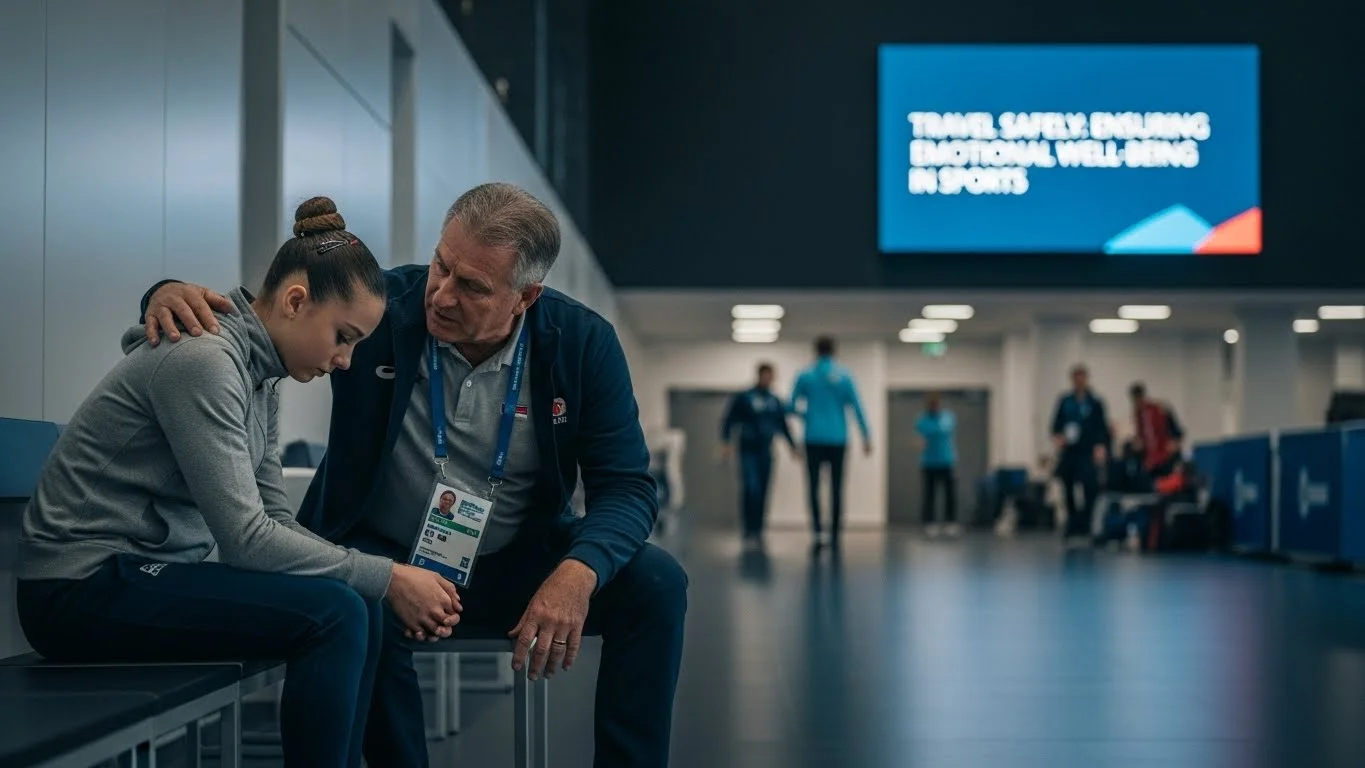
Understanding Emotional Well-being in Sports
The Importance of Mental Health for Athletes
As an athlete, I’ve often felt the pressure to perform at my best, whether it’s on the field, court, or track. What I’ve come to realize over the years is that mental health plays a massive role in athletic performance. Just like we train our bodies, we need to train our minds. Mental health isn’t just about avoiding stress or anxiety; it’s about thriving under pressure and maintaining a positive mindset. I’ve learned that when my mental health is in check, my physical performance improves dramatically. It’s like a domino effect—when I feel good mentally, everything else falls into place.
Common Emotional Challenges in Sports
During my time competing, I’ve encountered various emotional challenges. I remember feeling overwhelmed before big competitions, the fear of failure creeping in and overshadowing my excitement. Many athletes experience similar feelings: anxiety, self-doubt, and even burnout. These emotions can stem from external pressures, like expectations from coaches or sponsors, and internal pressures, such as our own ambitions and standards. Acknowledging these feelings is the first step towards managing them. Understanding that it’s not just me facing these challenges helps me feel less isolated. We should embrace conversations about these emotional hurdles and find ways to support one another.
The Connection Between Physical and Emotional Health
I’ve noticed that my physical health and emotional well-being are deeply intertwined. When I’m physically active, my mood often improves, and I feel more confident. Exercise releases endorphins, those wonderful chemicals that give us a natural high. On the flip side, when I’m feeling stressed or anxious, my physical performance can suffer. For example, during a particularly tough season, I found that my workouts felt harder, and my motivation dipped. I learned that paying attention to my emotional state and addressing it was just as crucial as any training regimen. Understanding this connection has helped me create a more holistic approach to my athletic journey.
Preparing for Travel: Mental Health Considerations
Planning Your Trip with Emotional Well-being in Mind
As I began to travel more for competitions, I realized how essential it was to plan my trips with mental well-being in mind. I found that mapping out my itinerary ahead of time, including downtime, helped reduce anxiety. When I travel, I try to incorporate activities that ground me—whether that’s setting aside time for meditation, reading, or even just taking a walk. I remember one trip where I scheduled in an extra hour each day to relax, and it made a world of difference in how I felt overall. I wasn’t just rushing from one event to the next; I was present and engaged.
Setting Realistic Expectations for Performance
One thing I’ve learned is the importance of setting realistic expectations for myself while traveling. It’s easy to fall into the trap of thinking I need to perform at my absolute best, no matter the circumstances. However, I’ve had to remind myself that travel can be exhausting. My performance might not always be at peak levels due to jet lag or unfamiliar environments. Instead of stressing about hitting personal records every time, I focus on doing my best given the conditions. This shift in perspective has eased a lot of pressure and allowed me to enjoy the experience more.
Identifying Personal Triggers and Stressors
Through my experiences, I’ve learned to identify my personal triggers and stressors when traveling. For instance, I tend to get anxious in crowded airports or when I’m in a rush. Knowing this, I take steps to minimize these triggers. I arrive at the airport early to avoid the last-minute chaos, and I’ve even avoided certain travel times that tend to be busier. I’ve also learned to recognize when I start feeling overwhelmed and take proactive steps, like deep breathing or stepping away for a moment of quiet. Understanding these triggers has empowered me to take control of my emotional health, especially during travel.
Travel Safety Tips for Athletes
Choosing the Right Travel Insurance
When I first started traveling for competitions, I didn’t think much about travel insurance. I figured I was young and healthy, and nothing would go wrong. But I quickly learned that unexpected situations can arise, whether it’s a missed flight, lost luggage, or even an injury. I now always choose travel insurance that covers not just cancellations but also medical emergencies. It gives me peace of mind knowing that if something were to happen, I wouldn’t be left scrambling or facing hefty bills. I recommend shopping around for plans that specifically cater to athletes, as they may cover things like sports equipment loss or trip interruptions due to injuries. Having the right insurance lets me focus on my performance rather than worrying about the “what-ifs.”
Staying Safe in Unknown Environments
Traveling to new places can be thrilling, but it can also come with its own set of challenges. I’ve learned to stay vigilant in unfamiliar environments. For me, this means researching the area I’ll be visiting ahead of time. I look up safe neighborhoods, local customs, and even public transportation options. I remember a time when I found myself in a bustling city where I didn’t speak the language. It could have been overwhelming, but having a plan helped me feel more secure. I also make sure to keep my belongings close and remain aware of my surroundings, especially when I’m out alone. Trusting my instincts is crucial; if something doesn’t feel right, I’ve learned to remove myself from the situation.
Health Precautions While Traveling
Maintaining my health while traveling is a top priority. I’ve been in situations where I didn’t have access to my usual diet or workout routine, and it affected my performance. To combat this, I always pack healthy snacks, like nuts or protein bars, to avoid unhealthy airport food. I also try to stay hydrated, carrying a reusable water bottle with me. It’s amazing how much better I feel when I’m well-hydrated. Before heading out, I check if there are local gyms or parks where I can squeeze in a workout. Even a short run or a quick session of bodyweight exercises can do wonders for my mood and energy levels. Staying proactive about my health helps me feel more grounded and ready to tackle whatever challenges come my way.
Maintaining Emotional Well-being During Travel
Practicing Mindfulness and Relaxation Techniques
Travel can be a whirlwind, and I’ve found that practicing mindfulness has been incredibly beneficial for my emotional well-being. I make it a point to carve out time each day to slow down and breathe. Whether it’s through meditation, yoga, or simple deep-breathing exercises, taking a few moments to center myself helps me manage stress. On one particularly hectic trip, I discovered a local park and took my meditation practice outdoors. The nature around me allowed me to feel connected and calm, despite the busyness of travel. I encourage others to look for quiet moments to reconnect with themselves, no matter where they are.
Establishing a Routine While Away
One of the biggest challenges I faced when traveling was maintaining a sense of routine. I realized that keeping some consistency helped keep my anxiety in check. I try to stick to my usual sleep schedule as much as possible, even if it means adjusting to time zone changes. Additionally, I include familiar activities in my day, like a morning stretch or evening journaling. These little rituals ground me and provide a sense of normalcy amidst the chaos. I remember a trip where I struggled with sleep, but once I started my nightly routine, I felt more relaxed and ready for the upcoming competition.
Staying Connected with Support Systems
When I’m away from home, it’s easy to feel isolated, especially during high-pressure competitions. I’ve learned the importance of staying connected with my support system. Whether it’s sending a quick text to a friend or scheduling a video call with family, these connections remind me that I’m not alone in my journey. I’ve also found that sharing my experiences—both the highs and lows—can help me process my feelings. Reaching out for encouragement or simply talking about my day helps lift my spirits. I recommend finding ways to stay connected with your loved ones, as their support can be a powerful tool for maintaining emotional well-being while traveling. For parents, understanding childhood sports injuries and the best practices for prevention and care is essential, which can be found in this article.
Strategies for Coping with Stress and Anxiety
Utilizing Visualization and Positive Affirmations
One tool that has become invaluable for me is the practice of visualization. Before an important event, I spend time imagining myself succeeding—seeing each movement, feeling the excitement, and experiencing the joy of my accomplishments. This technique helps me build confidence and reduce anxiety. I remember before a major competition, I visualized not just winning, but also how I would handle any challenges that came my way. It’s like creating a mental blueprint of success, which calms my nerves and prepares me for what’s ahead. Along with visualization, I also incorporate positive affirmations into my routine. Telling myself things like “I am capable,” “I am prepared,” or “I can overcome challenges” shifts my mindset from self-doubt to self-empowerment. I’ve seen firsthand how these simple phrases can uplift my spirits and help me approach competitions with a healthy mindset.
Engaging in Physical Activity to Boost Mood
Physical activity has always been a significant aspect of my life, but when it comes to emotional well-being, it becomes even more crucial. I’ve discovered that even short bursts of exercise can do wonders for my mood, especially when I’m feeling stressed or anxious while traveling. I often set aside time for a quick jog or even a bodyweight workout in my hotel room. There’s something about breaking a sweat that releases tension and boosts my endorphins, making me feel more centered and focused. I remember traveling to a competition in a new city and not having access to a gym. Instead of feeling defeated, I took a brisk walk around the area, exploring the sights while getting my heart rate up. The combination of being active and exploring a new environment lifted my spirits immensely. I encourage everyone to find ways to stay active, no matter where we are—our mental health will thank us for it.
Accessing Mental Health Resources While Traveling
Sometimes, despite our best efforts, we may need extra support. I’ve learned the importance of knowing how to access mental health resources while traveling. Thankfully, many sports organizations offer mental health resources for athletes, including helplines and counseling services. I always make it a point to have this information on hand before I travel. For example, during a particularly challenging trip, I found myself feeling overwhelmed with anxiety. Knowing that I could reach out to a mental health professional through a hotline made a significant difference. If you’re ever in a tough spot while away from home, don’t hesitate to seek help. It’s okay to reach out for support; taking care of our emotional health is just as vital as our physical health.
Post-Travel Emotional Care
Reflecting on the Travel Experience
Once I return from a trip, I find it helpful to take some time to reflect on the experience. I often journal about what went well, what challenges I faced, and how I felt throughout the journey. This reflection allows me to process my emotions and gain insights into my performance and overall well-being. For instance, after a recent competition, I wrote about the excitement I felt during my warm-up and the nerves I experienced before the event. By acknowledging these feelings, I can understand my emotional responses better and prepare for future trips. I encourage fellow athletes to take a moment to reflect after travel, as it fosters personal growth and helps us learn from our experiences.
Reintegrating into Routine After Travel
Returning home after traveling can sometimes feel jarring. I’ve experienced moments where I struggled to slip back into my routine, especially after a high-pressure event. To make this transition smoother, I prioritize re-establishing my regular schedule. I focus on getting back to my usual workouts, meal planning, and sleep patterns. For me, returning to familiar activities grounds me and eases any residual anxiety from the competition. I also allow myself a little grace during this period—sometimes it takes a few days to feel fully back on track. I remember one time when I had just returned from a competition; rather than jumping straight into intense training, I eased back in with lighter workouts, which felt right for my body and mind. This gradual reintegration helps me reconnect with my daily life and promotes emotional stability.
Seeking Professional Help if Needed
There’s no shame in seeking professional help if you’re feeling overwhelmed, especially after a demanding travel experience. I’ve always believed in the importance of mental health, and sometimes we need a little extra support to navigate our emotions. I’ve personally sought counseling when I felt the weight of stress and anxiety becoming too much to handle alone. Having someone to talk to who understands the unique pressures athletes face can be incredibly beneficial. If you’re feeling stuck or struggling, don’t hesitate to reach out to a mental health professional. It’s a brave step toward prioritizing your emotional well-being, and it can lead to a healthier and happier you. Also, understanding childhood sports safety and injury prevention strategies can greatly benefit young athletes; check out this resource for more information.
Resources for Athletes’ Emotional Well-being
Books and Literature on Sports Psychology
As someone who values continuous learning, I’ve found that reading about sports psychology has enriched my understanding of emotional well-being. There are several excellent books that provide insights into mental resilience, visualization techniques, and coping strategies for athletes. Some of my favorites include “The Mind Gym” by Gary Mack, which offers practical exercises to enhance mental skills, and “Mindset” by Carol S. Dweck, which discusses the power of having a growth mindset. These resources have helped me gain new perspectives on the mental game and provided tools I can apply in my training. I believe that investing time in reading can be a game-changer for any athlete looking to bolster their mental health.
Online Support Communities and Forums
In today’s digital age, connecting with others who share similar experiences is easier than ever. I’ve turned to online support communities and forums dedicated to athletes’ mental health. These platforms not only offer a space to share our stories but also provide valuable tips and encouragement from others who understand the unique challenges we face. I’ve found comfort in reading about others’ journeys and learning from their shared experiences. Joining a community can make us feel less isolated and remind us that we’re not alone in our struggles. I encourage athletes to seek out these online spaces; they can be a fantastic resource for emotional support.
Professional Organizations and Hotlines
Several professional organizations focus on athletes’ mental health and well-being. Many of them offer hotlines and resources tailored to athletes at all levels. I’ve always kept the contact information for organizations like the National Athletic Trainers’ Association (NATA) and the American Psychological Association (APA) handy. They provide valuable resources, including counseling services and crisis hotlines. Knowing that help is just a phone call away adds an extra layer of comfort, especially when I’m traveling or facing challenges in my athletic journey. Remember, reaching out for help is a sign of strength, and we can all benefit from the resources available to us.
Frequently Asked Questions
What is the importance of mental health for athletes?
Mental health plays a significant role in athletic performance. When athletes maintain good mental health, their physical performance improves dramatically, creating a positive domino effect.
What are some common emotional challenges faced by athletes?
Athletes often encounter feelings of anxiety, self-doubt, overwhelm, and burnout, particularly before major competitions. These emotions can arise from external pressures, such as expectations from coaches, as well as internal pressures from personal ambitions.
How can athletes prepare for travel with emotional well-being in mind?
Athletes can prepare for travel by planning their itineraries ahead of time, incorporating downtime, and scheduling activities that help them relax, such as meditation or reading.
What strategies can athletes use to manage their expectations while traveling?
Athletes should set realistic expectations for their performance while traveling, recognizing that travel can lead to exhaustion and that their performance may not always be at peak levels due to factors like jet lag.
What safety tips should athletes consider when traveling to unknown environments?
Athletes should research the areas they are visiting, stay vigilant, keep their belongings close, and trust their instincts to ensure their safety while traveling.
How can athletes maintain their health while traveling?
Athletes can maintain their health by packing healthy snacks, staying hydrated, and seeking out local gyms or parks for workouts. Even short bursts of exercise can boost mood and energy levels.
What mindfulness techniques can athletes practice during travel?
Athletes can practice mindfulness by taking a few moments each day to engage in meditation, yoga, or deep-breathing exercises, which can help manage stress during hectic travel.
How can athletes stay connected with their support systems while traveling?
Staying connected with support systems, such as friends and family, through texts or video calls can help athletes feel less isolated and provide emotional support during high-pressure competitions.
What resources are available for athletes seeking mental health support?
Athletes can access mental health resources through various sports organizations that offer helplines and counseling services, providing support for those who may need extra help while traveling.
Why is reflecting on travel experiences important for athletes?
Reflecting on travel experiences through journaling allows athletes to process their emotions, gain insights into their performance, and foster personal growth after returning from trips.