
Backpacking on a budget can be a thrilling adventure, but it also comes with its own set of emotional challenges. By learning to regulate our emotions, we can enhance our travel experience and truly enjoy the journey. Read Interesting article: Master Emotional Regulation: Travel Tips for Backpackers
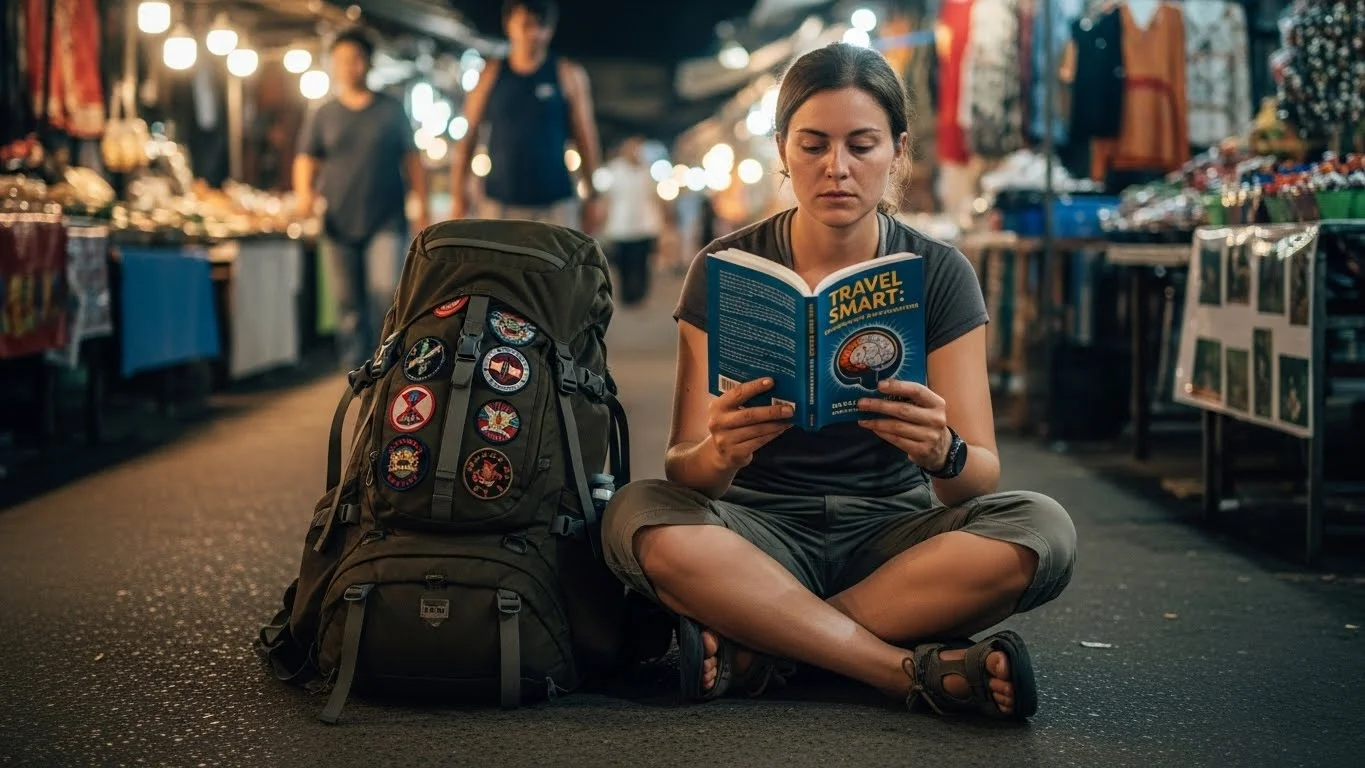
Understanding Emotional Regulation for Travelers
What is Emotional Regulation?
Emotional regulation, in simple terms, is the ability to manage and respond to our emotions in a healthy way. I remember the first time I faced a challenging situation while traveling. I felt overwhelmed, and I struggled to keep my emotions in check. Over time, I learned that being aware of my feelings and finding ways to cope with them made all the difference. Emotional regulation involves recognizing our emotions, understanding why we feel them, and applying strategies to deal with them effectively. It’s not about suppressing emotions; it’s about managing them so they don’t control us.
The Importance of Emotional Regulation in Travel
Traveling is a rollercoaster of emotions. From the excitement of new experiences to the anxiety of unexpected changes, it’s crucial to have a grip on our emotional responses. I’ve seen how emotional regulation can transform a challenging travel situation into an opportunity for growth. For instance, when I missed a train in Europe, my initial reaction was frustration. But by practicing emotional regulation, I learned to take a deep breath, assess my options, and move forward positively. This skill not only enhances our enjoyment but also equips us to handle the ups and downs of backpacking. Embracing emotional regulation can lead to a more fulfilling travel experience, helping us savor every moment, even the tough ones.
Challenges Faced by Budget Backpackers
Financial Stress and Its Impact
One of the biggest challenges for budget backpackers is financial stress. I’ve been there—counting coins at a cafe to see if I could afford that second cup of coffee or debating whether to splurge on a nice meal. Budget constraints can lead to feelings of anxiety and frustration, which can easily spiral out of control. I’ve learned that acknowledging this stress is the first step in managing it. It’s about finding balance; I often remind myself that it’s okay to spend a little more sometimes if it brings joy to my experience. Setting a realistic budget and sticking to it helps alleviate some of that pressure, allowing me to focus on enjoying my travels instead of constantly worrying about money.
Coping with Uncertainty and Unexpected Situations
Travel is often unpredictable. I can’t count the number of times my plans changed at the last minute. From flight delays to sudden weather changes, these unexpected situations can trigger anxiety. I’ve found that preparing for the unexpected has been my best strategy. I always keep a flexible mindset, which helps me adapt when things don’t go as planned. Embracing uncertainty can be liberating. I often remind myself that some of my favorite travel stories come from those unplanned moments, such as stumbling upon a hidden gem of a restaurant or meeting interesting people along the way. Accepting that change is a part of the travel experience has made my adventures much more enjoyable. Read Interesting article: Traveling with Kids: Strategies for Emotional Regulation Success
Social Anxiety in Hostels and Group Settings
Another challenge that budget backpackers often face is social anxiety. Hostels can be bustling places full of strangers, which can be intimidating. I remember my first hostel experience; I was nervous about meeting new people and feared I wouldn’t fit in. Over time, I learned to approach social situations with an open heart. I started by joining group activities, like pub crawls or tours, where the pressure to engage was lower because everyone was there to socialize. I’ve found that connecting with fellow travelers can be incredibly rewarding. Sharing stories and experiences often leads to meaningful connections, and I’ve met some of my closest friends this way. It’s all about taking that first step, even when it feels daunting.
As I’ve navigated these challenges, I’ve realized that emotional regulation is a key skill for any traveler. It allows us to enjoy the journey, embrace the unexpected, and build connections while keeping our mental well-being in check. In our next sections, we’ll dive into essential strategies that can help us manage our emotions effectively while traveling.
Essential Emotional Regulation Strategies
Mental Techniques for Stress Relief
When I think about the moments that felt overwhelming while I was traveling, I realize that having a few mental techniques in my pocket helped me cope. One method I discovered is visualization. For instance, when I was feeling anxious before a big outing, I would take a moment to close my eyes and picture myself in a calm, beautiful place. This could be a serene beach I had visited or a cozy café in Paris. By immersing myself in this mental image, I found that my stress levels would decrease. I also practiced positive affirmations. Telling myself phrases like “I am capable” or “This is an adventure” helped shift my mindset. I encourage you to try these techniques; they can be surprisingly effective in turning a stressful moment into a more manageable one.
Mindfulness Practices on the Road
Mindfulness became a game-changer for me during my travels. I remember sitting on a train, feeling the vibrations beneath me, and noticing the scenery rushing past the window. Instead of letting my mind race with worries about my itinerary, I focused on the present moment. Simple mindfulness exercises, such as paying attention to my breath or noticing the sounds around me, grounded me in the experience. I’ve found that even a few minutes of mindfulness can help me reset my emotions and enjoy my surroundings more fully. Whether it’s taking a mindful walk in a new city or simply savoring a meal without distractions, these practices can enhance our travel experience tremendously.
Journaling as a Tool for Emotional Clarity
Journaling has been one of my favorite ways to process my thoughts and feelings while traveling. I remember a particularly challenging day when nothing seemed to go right. I took out my journal, and just by writing about my frustrations, I felt a weight lift off my shoulders. It’s like talking to a friend who listens without judgment. I found that journaling about my daily experiences not only helped me articulate my emotions but also allowed me to reflect on what I was grateful for. I recommend carrying a small notebook or using a journaling app on your phone. Whether you jot down highlights of your day or vent about challenges, it’s a powerful tool for emotional regulation.
Breathing Exercises and Grounding Techniques
Breathing exercises are another simple yet powerful strategy I’ve relied on during my travels. Whenever I felt anxiety creeping in, I would practice deep breathing. I’d inhale deeply, hold it for a few seconds, and then exhale slowly. This technique helps calm the nervous system and clears my mind. Grounding techniques also became part of my routine. Whenever I felt overwhelmed, I would focus on my senses—what I could see, hear, feel, and smell. This practice brings me back to the present moment and helps me regain control over my emotions. I’ve learned that these exercises can be done anywhere, whether I was waiting at a bus station or exploring a bustling market.
Building a Positive Travel Mindset
Setting Realistic Expectations
One thing I’ve realized over time is the importance of setting realistic expectations when I travel. I used to expect every moment to be perfect, which often led to disappointment. There was a trip where I thought every day would be filled with adventure and joy, but instead, I faced delays and unexpected hiccups. I learned to embrace imperfections and understand that not every moment would be Instagram-worthy. Now, I remind myself that it’s okay if things don’t go as planned. Setting realistic expectations allows me to appreciate the journey, even the bumps in the road.
Embracing Flexibility and Adaptability
Flexibility has been another crucial aspect of my travel mindset. I’ve discovered that the best memories often come from unplanned experiences. One time, I missed a bus and ended up having a spontaneous picnic with fellow travelers at a nearby park. Those moments taught me that being open to change can lead to unexpected joys. I now approach my travel plans with a flexible attitude, allowing myself to adapt when things don’t go as expected. This mindset shift has made my adventures not just about the destinations but about the experiences along the way.
Practicing Gratitude During Your Travels
Practicing gratitude has enriched my travel experience immensely. I often take a moment each day to reflect on what I’m thankful for, whether it’s the kindness of a stranger or the beauty of a sunset. Keeping a gratitude journal has been a wonderful way to document these moments. When I look back at my travels, I see not just the sights I visited but also the warmth of the connections made and the lessons learned. Cultivating gratitude helps me stay positive, even during challenging times, making my journey all the more meaningful. Read Interesting article: Backpacking Ideas to Foster Emotional Growth in Early Childhood
Connecting with Others: Social Emotional Support
Making Friends While Backpacking
One of the most rewarding aspects of backpacking is the opportunity to meet new people from all walks of life. I remember feeling nervous about approaching strangers at first, but I quickly learned that most travelers are just as eager to connect. I started by striking up conversations in shared spaces, like kitchens or lounges. Whether it was asking someone about their travel plans or sharing a meal, those small interactions often blossomed into friendships. I found that being genuine and showing interest in others made it much easier to forge connections. Sometimes, it’s as simple as asking, “Where are you from?” or “What’s been the highlight of your trip so far?” These questions can open the door to deeper conversations and shared experiences.
Finding Community in Hostels and Shared Spaces
Hostels are a treasure trove for socializing. I’ve discovered that many hostels host events like pub crawls, game nights, or group dinners. Participating in these activities turned out to be one of my favorite ways to meet fellow travelers. I recall one night when I joined a cooking class organized by my hostel. Not only did I learn to make a local dish, but I also bonded with others over our shared love for food and travel. Creating or joining groups for day trips can also build camaraderie. There’s something about facing challenges together, like navigating a new city or hiking a scenic trail, that strengthens friendships. I’ve been surprised at how quickly I felt a sense of community in places I’d only just arrived at.
Utilizing Social Media for Connection
In today’s digital age, social media is another fantastic tool for connecting with fellow travelers. I’ve found Facebook groups dedicated to backpackers and solo travelers to be extremely helpful. These groups often share tips, plan meetups, and provide a space for asking questions. I remember posting in one such group when I was planning a trip to Southeast Asia, and I ended up meeting up with a traveler who had been in the same area. We explored together and shared our experiences, which added depth to my adventure. Platforms like Instagram or Meetup can also help you find events or gatherings happening in your travel destination. Sharing your journey online not only connects you to others but can also inspire fellow travelers.
Budgeting for Emotional Well-Being
Financial Planning for Peace of Mind
One of the most challenging aspects of backpacking can be managing finances while staying emotionally balanced. I learned that creating a realistic budget was crucial for my peace of mind. I always allocate funds not just for accommodation and transportation but also for activities that bring me joy. For example, I might set aside a little extra for a unique experience, like a cooking class or a guided tour. Knowing that I have a financial cushion for these moments helps me feel more at ease during my travels. I’ve also found that tracking my expenses regularly helps me stay on top of my budget, reducing the anxiety that comes from uncertainty.
Finding Affordable Activities That Boost Mood
When I’m on a tight budget, it’s tempting to cut back on activities that bring joy. However, I discovered that there are often many free or low-cost options available that can enhance my emotional well-being. Exploring local parks, attending free community events, or visiting museums on discount days are just a few examples. I remember visiting a city where a free outdoor concert was happening, and it turned into one of my favorite memories. Connecting with nature through hikes or beach days can also be incredibly rejuvenating. I encourage you to seek out these budget-friendly activities; they can lift your spirits and enrich your travel experience without breaking the bank.
Managing Money Stress While Traveling
Money stress can sneak up on us while traveling, even when we’re trying to stick to a budget. I’ve faced days when I felt overwhelmed by financial pressures. During those times, I found that taking a moment to reflect on my priorities helped me regain my focus. I often remind myself that travel isn’t just about spending money but about the experiences I gain along the way. If I find myself feeling anxious about expenses, I take a step back and assess what’s truly essential for my journey. This shift in perspective allows me to manage my money stress more effectively, focusing on what truly matters—making memories.
Resources for Emotional Support on the Go
Apps for Mindfulness and Meditation
In this fast-paced world, I’ve found that having a few mindfulness apps on my phone can be a game-changer during my travels. Apps like Headspace or Calm offer short guided meditations that are perfect for a quick emotional reset. I remember waiting at an airport, feeling anxious about my flight, and using a meditation app to help me center myself. It allowed me to breathe and find peace amid the chaos. I highly recommend exploring different apps to see which resonates with you, as they can provide valuable tools for emotional regulation no matter where you are.
Books and Podcasts on Emotional Resilience
Books and podcasts can also be great companions while traveling. I’ve read several travel-related books that not only inspire adventure but also offer insights into emotional resilience. Listening to podcasts on topics like mindfulness or personal growth during long bus rides has been another way to boost my emotional well-being. I found that hearing stories of others overcoming challenges and embracing travel can be incredibly motivating. If you’re looking for a good read or listen, I suggest searching for titles that focus on emotional health and resilience—they can provide comfort and encouragement on your journey.
Travel Forums and Online Communities
Lastly, engaging with travel forums and online communities can be a fantastic resource for emotional support. I often visit platforms like Reddit or specific travel forums where fellow backpackers share their experiences and advice. When I’ve felt lost or overwhelmed, posting my thoughts in these communities has resulted in helpful feedback and reassurance from others who understand what I’m going through. These spaces foster connection and provide a sense of belonging, reminding us that we’re not alone on this journey. I encourage you to join these conversations; you might find comfort in the shared experiences of others.
Frequently Asked Questions
What is emotional regulation in the context of travel?
Emotional regulation is the ability to manage and respond to our emotions in a healthy way. It involves recognizing our emotions, understanding why we feel them, and applying strategies to deal with them effectively.
Why is emotional regulation important for travelers?
Emotional regulation is crucial for travelers because it helps them handle the rollercoaster of emotions that come with travel, such as excitement and anxiety. It allows travelers to transform challenging situations into opportunities for growth and enhances their overall travel experience.
What are some challenges faced by budget backpackers?
Budget backpackers often face challenges such as financial stress, coping with uncertainty and unexpected situations, and social anxiety in hostels or group settings. These challenges can impact their emotional well-being while traveling.
What mental techniques can help with stress relief while traveling?
Some effective mental techniques for stress relief include visualization, practicing positive affirmations, and focusing on the present moment through mindfulness exercises.
How can journaling assist in emotional regulation during travel?
Journaling helps travelers process their thoughts and feelings, allowing them to articulate their emotions and reflect on their experiences. It serves as a tool for emotional clarity and can alleviate feelings of frustration.
What is the significance of setting realistic expectations while traveling?
Setting realistic expectations is important because it helps travelers embrace imperfections and understand that not every moment will be perfect. This mindset allows them to appreciate the journey, even when faced with challenges.
How can budget backpackers manage financial stress?
Budget backpackers can manage financial stress by creating a realistic budget, tracking expenses regularly, and allocating funds for activities that bring joy. This approach helps them stay focused on the experiences rather than worrying about money.
What are some ways to connect with others while backpacking?
Travelers can connect with others by joining group activities in hostels, participating in events, or utilizing social media platforms to meet fellow travelers. Approaching social situations with an open heart can lead to meaningful connections.
How can mindfulness practices enhance the travel experience?
Mindfulness practices help travelers stay grounded in the present moment, reducing anxiety and enhancing their enjoyment of surroundings. Simple exercises, like paying attention to breath or sensory experiences, can make travel more fulfilling.
What resources are available for emotional support while traveling?
Resources for emotional support while traveling include mindfulness and meditation apps, travel-related books and podcasts on emotional resilience, and engaging with online communities or travel forums for shared experiences and advice.