
Traveling can be a thrilling adventure, but managing food allergies on a budget trip adds a unique twist. Join me as we explore how to navigate this challenge while making unforgettable memories. Read Interesting article: Essential Tips for Managing Food Allergies While Traveling
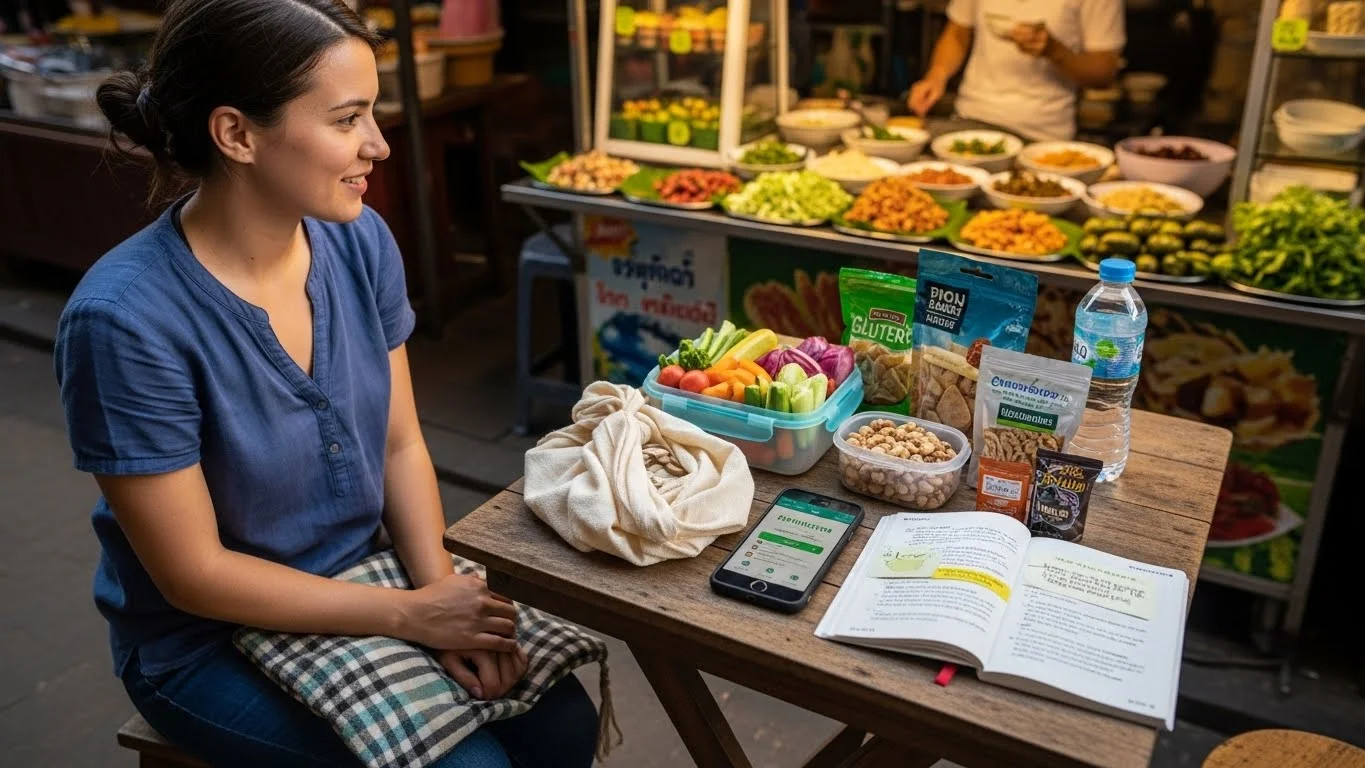
Understanding Food Allergies While Traveling
When I first started traveling with food allergies, I quickly realized how crucial it was to have a solid understanding of my limitations. Food allergies can vary greatly from person to person, and they can significantly impact travel plans. As I began to familiarize myself with the most common allergies and how they could affect my adventures, I felt more empowered to tackle my trips.
Common Food Allergies and Intolerances
There are several food allergies that travelers frequently encounter. Some of the most common include:
- Peanuts and Tree Nuts: These are among the most serious allergies, often requiring strict avoidance to prevent severe reactions.
- Dairy: Lactose intolerance or milk allergies can lead to discomfort or allergic reactions, making it essential to read labels carefully.
- Gluten: Celiac disease and gluten intolerance mean that even trace amounts can be harmful, so gluten-free options are a must.
- Shellfish and Fish: These allergies can result in severe reactions, and many people with these allergies must be vigilant about cross-contamination.
Understanding these allergies not only helps with personal safety but also aids in planning meals and snacks while traveling.
How Food Allergies Affect Travel Plans
Traveling with food allergies often requires more planning than trips without those concerns. In my experience, I’ve learned that it’s important to research destinations beforehand. I found that some places, particularly those with vibrant street food scenes or less regulated food industries, can be riskier for those with food allergies. Knowing where I can safely eat makes a huge difference in overall enjoyment.
Additionally, I’ve had to consider where I stay. Some hotels may not be as accommodating when it comes to food allergies. I remember one trip where my hotel had limited dining options, which added unnecessary stress. I realized that having a place with a kitchen or kitchenette allows me to prepare my meals, ensuring I stay safe while saving a few bucks.
Moreover, traveling with food allergies means I need to be more vigilant about what I pack. I’ve learned that having my own snacks and meals on hand can save me from some sticky situations. Packing wisely helps me stick to my budget and avoid overpriced airport food or restaurants that don’t cater to my needs.
Budget-Friendly Travel Planning
Planning a budget trip with food allergies can feel overwhelming, but it doesn’t have to be. I’ve discovered several ways to make it easier while staying safe and healthy.
Choosing Budget Destinations with Allergy-Friendly Options
Some destinations are more accommodating for travelers with food allergies. When I’m planning a trip, I often look for places with a reputation for allergy-friendly dining. Cities like San Francisco and Portland, for example, have a variety of restaurants that cater specifically to people with food sensitivities. In contrast, I’ve found that rural areas may have fewer options, which can limit my choices.
Another consideration I keep in mind is local customs around food. Some cultures may have different approaches to allergens and food safety. Researching this ahead of time allows me to gauge the risk of dining out in certain areas. I remember one trip where I was able to find a local community that embraced gluten-free options, and it opened up a whole new world of dining experiences for me.
Comparing Costs: Hotels vs. Vacation Rentals
When budgeting for travel, I often weigh the pros and cons of staying in hotels versus vacation rentals. While hotels can offer convenience, they may not always have allergy-friendly meals. In contrast, vacation rentals, like Airbnbs, usually come equipped with kitchens. This allowed me to shop at local markets and prepare my own meals, which not only saved money but also gave me control over what I ate.
During one trip, I opted for a vacation rental and enjoyed exploring the local grocery store. I bought fresh ingredients and made my meals, which were not only more affordable but also tailored to my dietary needs. This approach also allowed me to immerse myself in the local culture, cooking with local ingredients while ensuring my safety.
Using Travel Apps for Budgeting
In this age of technology, I’ve found that travel apps can be a game-changer for budgeting. Apps like Hopper help me find the best flight prices, while others like Skyscanner let me compare hotel rates. But beyond just flights and accommodations, I also use food-specific apps. For instance, I love using HappyCow to find vegetarian and vegan restaurants that often cater to food allergies too. Having these resources at my fingertips helps me stay on budget while ensuring my travel experience is enjoyable and safe.
Additionally, I often track my expenses using apps like Trail Wallet. It helps me set daily spending limits, making it easier to stick to my budget without missing out on experiences. By planning and budgeting effectively, I’ve been able to enjoy traveling without the constant stress of overspending or managing my food allergies.
Researching Food Options Before You Go
One of the most important steps I’ve found in preparing for a trip with food allergies is researching food options before I even pack my bags. This preparation can make a world of difference in how smoothly my travels go. I usually start by diving deep into the culinary landscape of my destination.
Identifying Allergy-Friendly Restaurants
As I’ve traversed various cities, I’ve learned the value of identifying allergy-friendly restaurants. I often use websites like Yelp or TripAdvisor to read reviews specifically mentioning allergy accommodations. I remember a trip to New Orleans where I stumbled upon a restaurant that not only offered gluten-free options but also had an extensive menu catering to other allergies. The staff was incredibly knowledgeable about their ingredients, which gave me peace of mind.
Sometimes, I also reach out to local allergy support groups on social media. They can provide firsthand accounts of their experiences in specific restaurants. I was pleasantly surprised when a local group in Austin shared a list of their favorite allergy-friendly spots, which made my culinary exploration much easier and more enjoyable.
Reading Labels and Ingredients in Local Cuisine
Understanding local cuisine is another crucial aspect of my research process. I’ve made it a habit to read up on traditional dishes and their ingredients. In some places, ingredient lists can be quite different from what I’m used to back home. For instance, I learned that certain sauces or marinades might contain hidden allergens that aren’t always obvious. When I visited Thailand, I found out that some curry pastes contained shrimp paste, which I had to avoid. This knowledge helped me navigate menus with confidence.
In addition, I’ve started to carry a small pocket guide with common allergens listed in the local language. This has helped me communicate my dietary restrictions more effectively while dining out. It feels empowering to know that I’m taking proactive steps to ensure my safety while enjoying the local cuisine.
Utilizing Online Resources and Community Forums
Online resources have become invaluable in my travel planning. Websites like glutenfreeworldwide.com or allergyeats.com are fantastic for finding safe dining options. I love that these platforms often include reviews from fellow travelers who share their experiences and tips. Additionally, community forums can be a treasure trove of information. I remember joining a food allergy group on Facebook before a trip to Europe, where members shared lists of allergy-friendly bakeries and cafes in different cities.
These online communities create a support system that makes traveling with food allergies feel less isolating. It’s comforting to know that others have walked the same path and are willing to share their insights. I’ve even made friends through these forums, and we’ve exchanged recommendations and tips, enhancing our travel experiences together.
Smart Packing for Allergies
When it comes to traveling with food allergies, packing smartly is essential. I’ve learned that being prepared can save me from potential mishaps. Here are some strategies that have worked for me.
Essential Allergy Medications and Supplies
I always ensure to pack my allergy medications, including antihistamines and my emergency epinephrine auto-injector. I remember a trip where I forgot my epinephrine at home, which left me feeling anxious throughout the journey. Now, I double-check my packing list every time to avoid a repeat of that situation. I also keep a copy of my prescriptions in case I need to refill any medications while I’m away.
In addition, I carry a small first-aid kit that includes items like band-aids, antiseptic wipes, and any other essentials I might need. This kit gives me peace of mind, knowing I’m equipped to handle minor issues while on the road. Read Interesting article: Top First Aid Gear for Budget Travelers and Backpackers
Snacks and Meals to Bring Along
Packing snacks has become a non-negotiable part of my travel routine. I find that having my own safe snacks on hand not only keeps me from feeling hungry but also saves money. I often prepare trail mix, energy bars, or homemade granola before I leave. These snacks come in handy during long travel days or when I’m exploring a new city and can’t find suitable options.
When I traveled to Europe, I brought along some gluten-free crackers and nut butter. They kept me full and satisfied during day trips, especially when I couldn’t find a suitable place to eat. I recommend checking local laws about bringing food into the country you’re visiting. Some places have strict regulations, but it’s often allowed to bring packaged snacks.
Communicating Your Allergies While Traveling
One of the biggest challenges I’ve faced while traveling with food allergies is communicating my dietary restrictions. I’ve found that clear communication can make a huge difference in ensuring my safety and enjoyment during meals. Here are some strategies I’ve picked up along the way.
Language Barriers and Translation Tools
When I travel to a country where I don’t speak the language, I sometimes feel anxious about how to communicate my allergies effectively. To ease this worry, I always download translation apps like Google Translate. They help me quickly translate phrases related to my allergies or dietary restrictions. I’ve learned to create a list of key phrases that are important for me to communicate, such as “I am allergic to…” or “Does this contain…?”
On one trip to Japan, I was grateful for my translation app when I needed to explain my gluten allergy at a restaurant. Though some menus had English translations, not all staff spoke fluent English. The app helped me convey my needs clearly, and the staff were extremely accommodating once they understood my situation. Having these tools handy not only eases my mind but also helps me connect better with locals who are often eager to assist.
Card or Document for Allergies in Local Language
In addition to using translation apps, I’ve also created a small card that lists my food allergies in both English and the local language. This card has been a lifesaver on multiple occasions. I remember dining in a bustling market in Mexico City, where the language barrier was quite significant. I handed the vendor my allergy card, which clearly stated my restrictions. The vendor read it carefully and even called over someone who spoke English to ensure I was safe. It felt reassuring to know I had a tangible way to communicate my needs.
You can easily make such a card using online translation tools, or you can ask for help from friends or family who are fluent in the language you’re visiting. Having this card makes me feel more secure and allows me to enjoy my meals without the constant worry of misunderstanding.
Dining Out on a Budget
Finding affordable dining options that cater to my allergies is a task I approach with a blend of excitement and caution. I’ve realized that there are plenty of opportunities to enjoy delicious meals without breaking the bank. Here are some methods that have worked well for me.
How to Find Affordable, Allergy-Friendly Meals
I often start by searching for local restaurants that specifically mention allergy-friendly options. Using apps like Yelp or TripAdvisor, I can filter reviews to find places that cater to my dietary needs. When I visited Barcelona, I found several tapas bars that offered gluten-free options. I was able to indulge in traditional dishes while staying safe, and the prices were surprisingly reasonable.
Sometimes, I’ll also ask locals for their recommendations. I’ve learned that people are usually happy to share their favorite spots, and they often know hidden gems that aren’t in the tourist guides. I remember chatting with a shop owner in Florence who pointed me to a small café that served amazing gluten-free pasta at a fraction of the cost of the more touristy places. Not only did I find an affordable meal, but I also enjoyed a delightful conversation with the locals.
Strategies for Eating at Local Markets
Local markets are another treasure trove for finding budget-friendly meals. I love exploring these vibrant spaces, where I can often find fresh produce, homemade snacks, and even meals that cater to my allergies. I’ve enjoyed grabbing fresh fruit or gluten-free baked goods from market stalls while traveling in places like Thailand and Italy.
During one of my trips to a farmer’s market in New Zealand, I discovered a vendor specializing in gluten-free treats. I ended up sampling a delicious slice of gluten-free cake that was both affordable and delightful. Markets give you a chance to interact with local vendors, and they often share their cooking methods and ingredient sources, making me feel more confident in what I’m eating.
Using Food Apps for Discounts and Deals
Another great way to dine out on a budget is to utilize food apps that offer discounts and deals. I’ve found that platforms like Groupon or local discount apps often feature deals at restaurants that can cater to my dietary restrictions. Before I travel, I spend some time checking these apps to see what discounts I can find.
During a recent trip to Portland, I discovered a deal for a local restaurant that specialized in vegan and gluten-free meals. Not only did I save money, but I also had the chance to try some incredible dishes that I might not have considered otherwise. I always keep an eye out for these types of promotions, as they can make dining out more affordable while still accommodating my food allergies.
Staying Safe While Traveling
For me, one of the most critical components of traveling with food allergies is ensuring my safety at all times. It’s easy to get caught up in the excitement of new surroundings and delicious foods, but I’ve learned that staying vigilant can make all the difference.
Emergency Preparedness for Allergic Reactions
Before I embark on any trip, I always prepare for the unexpected. I remember a time when I was hiking in the mountains and accidentally ingested a snack that contained an allergen I didn’t notice at first. The panic that set in was overwhelming. Since then, I’ve made it a priority to have a clear plan in case of an allergic reaction. I always carry two epinephrine auto-injectors, as they recommend having a backup. I also keep antihistamines readily accessible, just in case I experience a mild reaction.
To further ensure my safety, I’ve created an emergency action plan. I write down my allergies and the steps to take in case of an emergency, including who to contact and where to find the nearest hospital. I keep this information in my wallet and on my phone. Sharing this plan with travel companions is also essential; I want them to know how to help if something goes wrong.
Local Healthcare Resources and Contacts
Researching local healthcare options at my destination has become a regular part of my travel prep. I take the time to find out where the nearest hospital or urgent care facility is located, as well as their contact information. During one trip to a remote area, I discovered that the nearest hospital was over an hour away. Knowing this ahead of time allowed me to stay extra cautious during that particular trip. I also make a note of local emergency numbers and save them on my phone. Being aware of these resources gives me peace of mind and helps me feel more secure while exploring.
Traveling with Kids and Food Allergies
Traveling as a family with kids who have food allergies adds another layer of complexity, but it’s also a rewarding experience. I’ve learned some valuable lessons along the way that have made our trips enjoyable and safe.
Tips for Managing Allergies in Family Travel
When traveling with kids, I believe communication is key. I always sit down with my family before the trip to talk about food allergies and what to look out for. We create a game plan together, discussing how to identify safe food options and what to do if someone experiences an allergic reaction. I find that involving my kids in this process not only empowers them but also makes them more aware of their surroundings.
Another strategy I’ve adopted is to familiarize myself with kid-friendly restaurants that cater to allergies. During a recent family trip to Orlando, we found a restaurant that specialized in allergy-safe meals, and the kids loved it. They felt comfortable ordering without worrying about hidden allergens, which made our dining experience much more relaxed.
Kid-Friendly Allergy-Safe Snacks and Meals
Snacking is an important part of our travel routine, especially for kids. I often prepare a selection of allergy-safe snacks before our trips, such as homemade energy balls, fruit, and gluten-free crackers. These snacks not only keep the kids satisfied during long outings but also save us money and stress when we can’t find suitable options. I can’t tell you how many times I’ve been grateful for a stash of safe snacks while waiting at an airport or exploring a new city.
We also enjoy involving the kids in meal preparation when we have access to a kitchen. It’s a fun way for them to learn about cooking and food safety, and it gives them a sense of control over their meals. Plus, cooking together creates lasting memories that we cherish long after the trip is over.
Final Thoughts
Traveling with food allergies can be challenging, but my experiences have taught me that with careful planning, clear communication, and a proactive approach, it is absolutely possible to enjoy amazing adventures. I’ve discovered that understanding my allergies, researching destinations, and being prepared for emergencies are all crucial components of a successful trip. By sharing these insights, I hope to inspire others who face similar challenges and encourage them to explore the world without fear. Every trip is an opportunity to learn, grow, and create unforgettable memories—even with food allergies in tow. Read Interesting article: Top Vaccinations Your Child Needs Before Traveling Abroad
Frequently Asked Questions
What are some common food allergies travelers may encounter?
Some of the most common food allergies include peanuts and tree nuts, dairy, gluten, shellfish, and fish. Each of these allergies can lead to severe reactions, making it important for travelers to understand their limitations and plan accordingly.
How do food allergies affect travel plans?
Traveling with food allergies requires more planning than typical trips. It’s essential to research destinations for allergy-friendly dining options, consider accommodations that can accommodate dietary needs, and pack safe snacks to avoid overpriced or unsuitable food.
What are some budget-friendly tips for traveling with food allergies?
Travelers can choose destinations known for allergy-friendly options, compare costs between hotels and vacation rentals, utilize travel apps to find deals, and research food options ahead of time to ensure safe and affordable dining experiences.
How can travelers identify allergy-friendly restaurants?
Travelers can use websites like Yelp or TripAdvisor to read reviews specifically mentioning allergy accommodations. Additionally, reaching out to local allergy support groups on social media can provide recommendations from people with similar dietary restrictions.
What should I pack when traveling with food allergies?
Travelers should pack essential allergy medications, a small first-aid kit, and safe snacks. Preparing snacks such as trail mix or energy bars can help avoid hunger and save money during travel.
How can I communicate my allergies while traveling in a foreign country?
Using translation apps like Google Translate can help travelers communicate their allergies effectively. Additionally, creating a card that lists allergies in both English and the local language can be a useful tool when dining out.
What strategies can I use to find affordable dining options that accommodate food allergies?
Travelers can search for local restaurants that cater to food allergies using apps like Yelp, ask locals for recommendations, and explore local markets for fresh produce and allergy-friendly meals.
How can I prepare for allergic reactions while traveling?
Travelers should carry two epinephrine auto-injectors and antihistamines, create an emergency action plan detailing allergies and steps to take in case of a reaction, and research local healthcare resources before traveling.
What tips can help families manage food allergies while traveling?
Families should communicate about food allergies before the trip, involve kids in identifying safe food options, and prepare allergy-safe snacks ahead of time. Familiarizing with kid-friendly restaurants that cater to allergies is also beneficial.
How can I ensure my safety while traveling with food allergies?
Staying safe involves being vigilant, preparing for emergencies, carrying necessary medications, researching local healthcare options, and having clear communication about dietary restrictions with restaurant staff.