
Traveling on a budget doesn’t mean sacrificing experiences. It’s about making smart decisions and setting boundaries that enhance your adventure without breaking the bank. Let’s dive into how we can do just that!
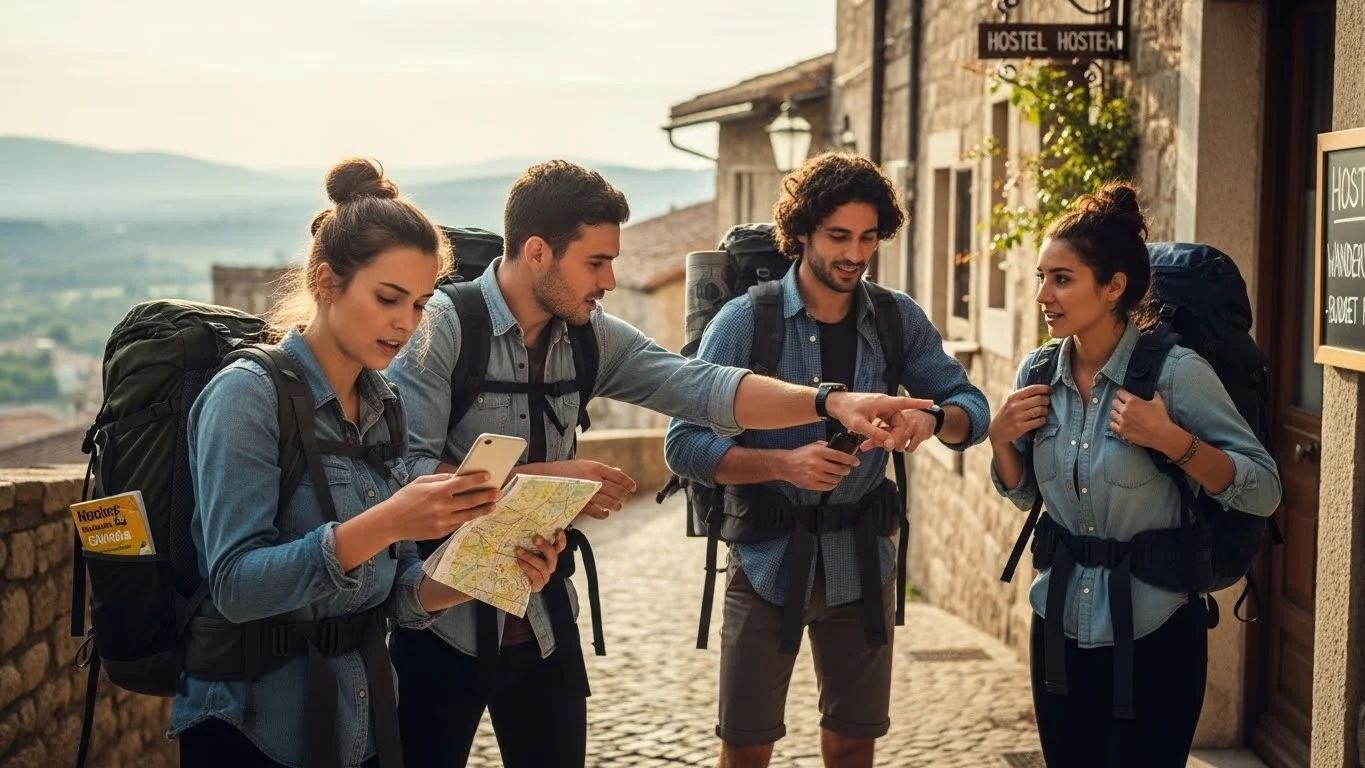
Understanding the Concept of Travel Boundaries
What Are Travel Boundaries?
When I first started traveling, I didn’t fully grasp the idea of travel boundaries. I thought it simply meant deciding where to go and what to see. Over time, I learned that travel boundaries encompass much more than that. They define the limits we set for ourselves regarding time, finances, and experiences. Setting these boundaries helps ensure that our trips remain enjoyable and stress-free, allowing us to focus on what truly matters—creating lasting memories. For more insights, check out Setting Travel Boundaries: Tips for Budget Backpackers.
Importance of Setting Boundaries While Traveling
From my experience, traveling can be overwhelming, especially when trying to fit everything into a limited budget. Setting clear boundaries allows us to prioritize our spending and time, reducing the chances of burnout. I remember one trip where I tried to squeeze in too many activities each day. I ended up exhausted and missed out on truly enjoying the places I visited. By learning to set boundaries, I began to appreciate my travels more. I felt more relaxed and in control, which made a world of difference.
In my opinion, understanding travel boundaries is essential for a fulfilling experience. It’s not just about how much money we spend; it’s about how we allocate our time and resources. By setting these limits, we allow ourselves to be present in the moment, savoring each experience instead of rushing through them. This mindset transforms a chaotic trip into a more enriching journey. For more about this topic, consider Mastering Boundaries: A Backpacker’s Guide to Travel Discipline.
Budgeting for Your Trip
Creating a Realistic Travel Budget
Creating a budget was a game-changer for me. It allowed me to see the bigger picture and helped me make informed decisions. To start, I sit down and list all my potential expenses, from transportation to accommodation and activities. I also include a bit for unexpected costs, because let’s be honest, something always comes up! By setting a realistic travel budget, I can enjoy my trip without constantly worrying about my bank balance.
Identifying Fixed vs. Variable Expenses
One of the most important lessons I learned is to distinguish between fixed and variable expenses. Fixed expenses are those that I know I have to pay—like plane tickets and accommodation. Variable expenses, on the other hand, can fluctuate, such as how much I spend on meals or souvenirs. By breaking down my budget into these categories, I can better control my spending and adjust as needed throughout the trip.
For example, during one trip to Europe, I opted for cheaper accommodations, which freed up more of my budget for dining out at local restaurants. I found that by prioritizing where I wanted to splurge, I could still have an incredible experience without overspending.
How to Use Budgeting Apps
I’ve experimented with several budgeting apps, and they have transformed how I plan my trips. Apps like Mint or GoodBudget allow me to track my expenses in real-time. I love that I can categorize my spending and see where my money is going throughout the trip. It’s like having a financial assistant in my pocket! Plus, I can set spending limits for different categories, which encourages me to stick to my budget. Using these apps has made budgeting less of a chore and more of an enjoyable aspect of my travel planning.
Choosing Your Destination Wisely
Factors to Consider When Selecting a Budget Destination
When selecting a destination, I always consider affordability first. Some places are simply more budget-friendly than others. Factors like the cost of living, local currency exchange rates, and available activities can greatly influence how far my money stretches. For instance, I found traveling to Southeast Asia or Eastern Europe offered rich experiences at much lower costs compared to Western Europe.
Off-Peak Travel: Benefits and Destinations
Traveling during off-peak seasons can make a significant difference in my budget. I remember visiting Thailand in September, which is considered off-peak. The prices for flights and hotels dropped dramatically, and I enjoyed fewer crowds at popular attractions. Not only did I save money, but I could also immerse myself more fully in the local culture without the hustle and bustle of peak season. I highly recommend looking into destinations that are less crowded and more affordable during their off-peak times!
Free and Low-Cost Attractions in Popular Destinations
I’ve found that many popular destinations have a wealth of free or low-cost attractions. For example, during my trip to Paris, I discovered that many museums offer free entry on the first Sunday of the month. This little tip helped me explore the Louvre without spending a dime! Researching these options ahead of time can significantly enhance our travel experience while keeping our budget intact.
Planning Your Itinerary
How to Prioritize Activities and Experiences
When it comes to planning an itinerary, I’ve learned that prioritizing activities is key to a fulfilling trip. I remember my early travel days when I felt the urge to see every single attraction. It led to a whirlwind of activities that left me feeling rushed and disappointed. Now, I start by identifying the top three or four experiences that I absolutely don’t want to miss. These are the things that excite me the most, whether it’s visiting a historical site, trying a specific dish, or attending a local event. By focusing on these highlights, I can ensure that my trip feels meaningful and enjoyable.
Additionally, I try to consider the time I realistically have for each activity. For instance, if I know a museum might take a couple of hours, I don’t want to plan something right after that. Instead, I schedule some downtime or a leisurely meal nearby to recharge. I’ve found that this thoughtful approach alleviates stress and allows me to immerse myself in each experience fully.
Setting Time Limits for Attractions
Setting time limits for attractions can seem counterintuitive, but it has worked wonders for me. I remember standing in line for hours at a popular site, only to rush through it and barely appreciate what I was seeing. Now, I set a time limit for each attraction based on my interest level and the amount of time I have. For example, if I know I need to leave a museum after two hours, I can plan my visit accordingly. I can prioritize which exhibits to see first and still enjoy a bit of spontaneity without the pressure of running late for my next activity.
This strategy also encourages me to be more mindful. I’ve found that when I know I have a set amount of time, I tend to focus more on the experience rather than getting distracted by everything around me. Plus, it helps me avoid the dreaded “FOMO” that can lead to over-scheduling my days.
Incorporating Downtime in Your Schedule
One of the best lessons I learned along my travel journey is the importance of downtime. I used to pack my itinerary so tightly that there was little room for relaxation. Now, I make it a point to carve out moments of rest. This could be as simple as enjoying a coffee in a local café, taking a stroll through a park, or just sitting and people-watching. These little breaks help recharge my batteries and allow me to soak in the atmosphere of my surroundings.
In fact, I find that some of my most memorable moments happen during these downtime sessions. I’ve met locals, discovered hidden gems, and even had deep conversations with fellow travelers while taking a break. So, I encourage you to be intentional about incorporating downtime into your itinerary. It not only enhances the overall experience but also helps maintain a balanced approach to travel.
Accommodation Strategies
Choosing Budget-Friendly Accommodations
Finding budget-friendly accommodations has been a game-changer for my travels. I used to think that the cheapest option would always be the best. However, I’ve learned that it’s important to consider the value of what you’re getting. I now look for accommodations that offer the essentials and are close to the attractions I want to visit. This way, I can save on transportation costs and have more time to explore. For instance, a hostel in a central location might cost a bit more than one further out, but the savings on transport and time can make it worthwhile.
Another strategy I use is to book accommodations with kitchen facilities. This gives me the option to prepare some of my meals, which not only saves money but also adds to the experience of living like a local.
Hostels, Hotels, and Alternative Stays
Over the years, I’ve dabbled in various types of accommodations, including hostels, hotels, and alternative stays like Airbnb or Couchsurfing. Hostels, in particular, have become one of my favorite choices, especially for solo travel. They offer not just affordability but also opportunities to meet other travelers. I’ve made some great friends and shared experiences that I wouldn’t have if I had stayed in a hotel alone.
On the other hand, I also love the unique character of boutique hotels or local guesthouses. They often provide a more personalized experience and a chance to connect with hosts who are passionate about their city. I remember staying at a charming guesthouse in Lisbon where the owner shared wonderful tips about the local scene that I wouldn’t have found in a guidebook.
Negotiating Prices and Finding Deals
Negotiating prices might sound intimidating, but I’ve found it can be quite rewarding. When booking accommodations, especially in markets or hostels, I’ve had success in politely asking for discounts or upgrades. It’s amazing how often a friendly approach can lead to a better deal! I also recommend keeping an eye out for special promotions or last-minute deals online. Websites often have flash sales or offer discounts for longer stays. I’ve snagged some fantastic deals this way, which allowed me to allocate more of my budget toward experiences instead.
Transportation on a Budget
Public Transportation vs. Car Rentals
When it comes to getting around, I’ve found that public transportation is often the best way to go. It’s not only budget-friendly, but it also allows me to experience the local culture more intimately. I remember my trip to Tokyo, where the subway system was efficient and easy to navigate. I bought a day pass, which gave me unlimited rides and allowed me to hop on and off as I pleased. This flexibility made my exploration much more enjoyable without the stress of finding parking or paying for gas.
On the other hand, there are times when renting a car can be beneficial. For example, during my road trip through the Pacific Coast Highway, having a car meant I could stop wherever I wanted, soaking in the breathtaking views and exploring hidden gems along the way. I learned that it’s all about weighing the pros and cons based on my itinerary and destination. If I plan to visit remote areas or travel with a group, renting a car can be a cost-effective choice. Just remember to factor in additional costs like fuel and parking!
Finding the Best Deals on Flights
Finding affordable flights can be a bit of a challenge, but I’ve picked up some tricks that work for me. I always start by being flexible with my travel dates. Sometimes, flying mid-week instead of on weekends can save a significant amount of money. I often use flight comparison websites to check prices across different airlines, and I’ve noticed that setting up price alerts has helped me snag great deals. I once booked a round-trip ticket to Italy for half the price because I kept an eye on the fares for a few weeks!
Another strategy I use is to consider nearby airports. While it might be a bit more effort to travel to a different airport, the savings can be worth it. I remember flying into a smaller airport in the UK instead of London, which saved me a good chunk of money. Plus, it opened up the opportunity for a scenic train ride into the city, which turned out to be a highlight of my trip!
Walking and Biking: Cost-Effective Ways to Explore
One of my favorite ways to explore a new city is by walking or biking. It’s completely free and allows me to discover places I might have missed if I were taking public transport. I love the feeling of getting lost in a new city, stumbling upon quaint shops and local eateries. During my time in Amsterdam, I rented a bike, and it was one of the best decisions I made. Biking along the canals gave me a unique perspective of the city, and I felt like a local whizzing by the crowds.
Many cities have bike rental services or free bike-sharing programs, which can be incredibly budget-friendly. I recommend checking out local maps or apps that show bike paths, so you can safely navigate and enjoy the scenery. Plus, it’s a great way to stay active while traveling!
Meal Planning and Dining Out
Setting a Daily Food Budget
Food is one of the most enjoyable parts of traveling, but it can quickly eat into your budget if you’re not careful. I typically set a daily food budget based on my overall expense plan. This helps me prioritize where I want to splurge and where I can save. For example, on one trip, I decided to treat myself to a nice dinner one night but kept my lunches simple. I found that this balance allowed me to indulge without feeling guilty about overspending.
Eating Like a Local: Affordable Food Options
I’ve discovered that some of the best meals come from local street vendors or small eateries rather than high-end restaurants. For me, it’s about immersing myself in the local cuisine without breaking the bank. During my travels in Mexico, I often opted for street tacos, which were not only delicious but incredibly affordable. I love that I could try different flavors and combinations without worrying about my budget!
Researching local food markets is another great way to find affordable options. I remember visiting a bustling market in Barcelona, where I sampled various local delicacies at a fraction of the cost of a sit-down restaurant. Plus, the experience of eating among locals made it even more special.
Cooking Your Own Meals: Tips and Tools
If I’m traveling for an extended period, I often look for accommodations with kitchen facilities. Cooking my own meals not only saves money but also allows me to try my hand at local recipes. Whenever I go to a new destination, I love visiting local grocery stores or markets to see what fresh produce they have. It’s a fun challenge to whip up something simple and delicious with local ingredients.
To make cooking easier while traveling, I usually bring along a few basic tools like a portable knife and a small cutting board. I also like to make simple meals that require minimal cooking, such as salads or pasta. This not only keeps costs down but also gives me a chance to relax and enjoy a quiet meal in my accommodation after a busy day of exploring.
Staying Connected and Safe
Setting Boundaries with Social Media and Connectivity
In our hyper-connected world, it’s easy to get lost in sharing every moment of our travels on social media. I’ve learned to set boundaries for myself, so I can truly enjoy the experience rather than just documenting it. I typically limit my social media time to once a day, which allows me to be present and soak in my surroundings without distraction. There’s something so liberating about putting the phone down and experiencing a sunset without the lens of a camera.
Emergency Plans and Safety Protocols
Safety is always a priority when I travel, and having a plan in place gives me peace of mind. Before I leave, I research emergency numbers and the nearest hospitals or clinics at my destination. I also make sure to store important documents, like my passport and travel insurance information, securely. I’ve learned that having a backup plan can make all the difference when unexpected situations arise. For instance, I remember losing my wallet during a trip, but because I had a copy of my identification and a separate stash of cash, I was able to handle the situation without too much stress.
Travel Insurance: Is It Worth It?
Travel insurance is something I always consider before embarking on a trip. While it can seem like an extra expense, I believe it’s worth the peace of mind. I’ve had friends who faced unexpected medical issues abroad or had their flights canceled, and their insurance saved them a lot of headache and money in the long run. I recommend doing some research to find a policy that fits your needs and offers adequate coverage for your travel plans. In my experience, it’s better to be safe than sorry!
Maximizing Experiences Without Overspending
Finding Free Events and Activities
One of the best parts of traveling is discovering free events and activities. I love checking local event calendars or community boards to find free concerts, festivals, or art exhibits. During my time in Melbourne, I stumbled upon a free outdoor movie night in a park, which turned out to be a memorable evening spent with locals and fellow travelers alike. It’s amazing how much a city has to offer beyond the usual tourist attractions!
Engaging with Locals: Cost-Free Cultural Experiences
Connecting with locals can lead to some of the most enriching experiences, often at no cost. I’ve found that free walking tours are a fantastic way to learn about a city from a local’s perspective. During my travels in Lisbon, I joined a free walking tour led by a local who shared not only the history but also personal stories that made the city come alive. Engaging with the culture in this way often leads to meaningful interactions and memorable experiences without costing a dime.
Managing Expectations: Quality Over Quantity
It’s easy to fall into the trap of wanting to see and do everything, but I’ve learned the importance of managing my expectations. I think quality is far more valuable than quantity. Instead of trying to check off a long list of attractions, I focus on a few key experiences that truly resonate with me. This approach has allowed me to immerse myself fully, making each moment more worthwhile. I remember a trip where I prioritized visiting a stunning national park over a long list of touristy spots, and that decision turned out to be the highlight of my journey.
Reflection and Adjustment
Evaluating Your Trip Budget and Boundaries
After returning home from a trip, I always take some time to reflect on my budget and the boundaries I set. I look at what worked, what didn’t, and how I can improve my travel planning for next time. This practice has helped me become a more mindful traveler, allowing me to continuously adjust and refine my approach based on my experiences.
Learning from Each Travel Experience
Every trip teaches me something new, whether it’s about budgeting, navigating a new culture, or simply enjoying the moment. I’ve learned to embrace the unexpected and appreciate the lessons that come from challenges. In my opinion, these lessons are what make traveling so rewarding. I keep a journal of my travels to jot down insights and experiences that I can refer back to in the future, helping me grow as a traveler.
Frequently Asked Questions
What are travel boundaries and why are they important?
Travel boundaries define the limits we set for ourselves regarding time, finances, and experiences. They are important because they help prioritize spending and time, reducing the chances of burnout and allowing us to focus on creating lasting memories.
How can I create a realistic travel budget?
To create a realistic travel budget, list all potential expenses, including transportation, accommodation, activities, and unexpected costs. This helps in making informed decisions and enjoying the trip without constant financial worries.
What is the difference between fixed and variable expenses in travel budgeting?
Fixed expenses are costs that are known and must be paid, such as plane tickets and accommodation. Variable expenses can fluctuate, such as meals or souvenirs. Understanding these categories helps in better controlling spending during the trip.
How can I choose a budget-friendly travel destination?
When selecting a budget-friendly destination, consider factors like the cost of living, local currency exchange rates, and available activities. Some regions, like Southeast Asia or Eastern Europe, offer richer experiences at lower costs compared to Western Europe.
What are some tips for prioritizing activities while planning an itinerary?
Identify three or four key experiences you don’t want to miss and plan your itinerary around those. Consider the time realistically needed for each activity and allow for downtime to recharge, ensuring a more meaningful and enjoyable trip.
What strategies can I use to find budget-friendly accommodations?
Look for accommodations that offer essential amenities and are close to attractions to save on transportation costs. Consider hostels, boutique hotels, or places with kitchen facilities to prepare meals and save money.
How can I save money on transportation while traveling?
Using public transportation is often more budget-friendly and provides a local experience. Additionally, consider renting a car for remote areas or group travel, and always look for the best deals on flights by being flexible with travel dates and airports.
What are some affordable dining options while traveling?
Opt for meals from local street vendors or small eateries, which often provide delicious and affordable options. Research local food markets to find budget-friendly meals and consider cooking your own meals if accommodations allow.
Why is travel insurance worth considering?
Travel insurance offers peace of mind by covering unexpected medical issues or cancellations. It can save you from significant headaches and costs in the long run, making it a worthwhile investment for any trip.
How can I maximize my travel experiences without overspending?
Look for free events and activities, engage with locals through free walking tours, and focus on quality over quantity in your experiences. This approach allows for meaningful interactions and memorable moments without straining your budget.