
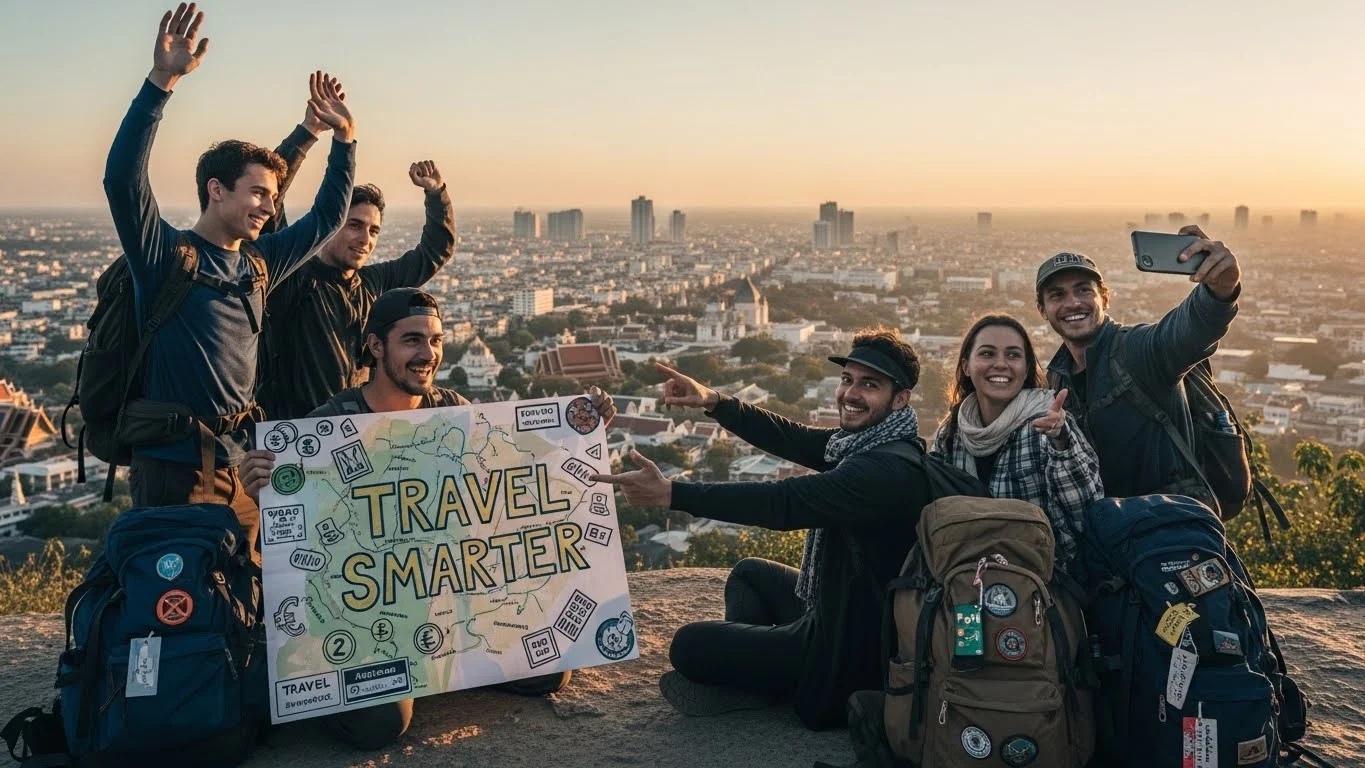
Traveling on a budget doesn’t mean sacrificing adventure. With the right mindset and techniques, we can explore the world without breaking the bank while enjoying every moment. Let’s dive into the art of budget backpacking!
Understanding Budget Backpacking
What is Budget Backpacking?
Budget backpacking is a style of travel that emphasizes adventure and exploration while minimizing costs. I remember my first backpacking trip; I had a small pack filled with essentials, a camera, and a heart full of wanderlust. Instead of luxurious hotels and expensive tours, I opted for hostels, local buses, and street food, immersing myself in new cultures and experiences. This approach allows us to travel longer and see more places without the financial strain. It’s all about being resourceful and open to the unexpected adventures that come our way.
Benefits of Budget Backpacking
One of the most significant benefits of budget backpacking is the freedom it provides. When I travel on a budget, I find that I am more flexible with my plans. I can spontaneously decide to visit a nearby town or take a detour to catch a local festival. This flexibility often leads to the most memorable experiences. Additionally, budget backpacking encourages deeper connections with locals and fellow travelers. I’ve shared stories and laughter over cheap meals and discovered hidden gems that aren’t in guidebooks. Setting travel boundaries is also essential in managing your resources effectively.
Another perk is learning how to prioritize spending. Budget backpacking teaches us to differentiate between needs and wants. I’ve learned to appreciate the little things, like a breathtaking sunset or a friendly conversation, over material possessions. Plus, traveling on a budget can be incredibly empowering. It boosts our confidence as we navigate unfamiliar places, make decisions on the fly, and manage our finances. I’ve found that each trip not only broadens my horizons but also strengthens my self-reliance.
Common Challenges for Budget Backpackers
While budget backpacking is rewarding, it does come with its fair share of challenges. One of the most common hurdles I’ve encountered is managing expenses. Sometimes, it’s easy to underestimate how much things cost, especially in popular destinations. I’ve had moments where I’ve splurged on a meal or an attraction, only to find myself tight on funds later in the trip. Keeping track of expenses has become crucial for me. I often jot down my daily spending in a travel journal to stay aware of my budget.
Another challenge is finding safe and affordable places to stay. Not all hostels are created equal, and I’ve had some experiences that were less than ideal. I recall one night in a hostel where the bed was lumpy, and the noise was relentless. Researching accommodations ahead of time and reading reviews has become part of my pre-trip routine. It’s worth taking the time to find places that are both budget-friendly and comfortable.
Lastly, the unpredictability of travel can sometimes lead to stress. Whether it’s a missed bus, bad weather, or unexpected closures, things don’t always go as planned. I’ve learned to embrace the unexpected and find joy in the journey itself. When plans go awry, I try to remind myself that some of the best stories come from these moments. Keeping a positive attitude and practicing flexibility has made my travels much more enjoyable.
Positive Reinforcement Techniques
What is Positive Reinforcement?
Positive reinforcement is a psychological concept that involves rewarding desired behaviors to encourage them. In my travels, I’ve found that recognizing and celebrating small victories can enhance my experience. Whether it’s sticking to my budget for the day or making a new friend while exploring, acknowledging these moments makes the journey more rewarding.
How Positive Reinforcement Can Enhance Travel Experiences
In my experience, using positive reinforcement during travel can create a more fulfilling adventure. When I reward myself after a long day of exploring, it boosts my motivation for the next day. It can be as simple as treating myself to a delicious dessert or taking a moment to relax and enjoy the view. Celebrating these little wins helps maintain a positive mindset and keeps me excited about my travels.
Examples of Positive Reinforcement in Travel
There are many ways to implement positive reinforcement on the road. I often set small goals for each day, like visiting three attractions or trying a local dish. When I meet these goals, I reward myself—maybe with a souvenir, a special meal, or an extra hour of relaxation. Even taking the time to journal about my experiences can serve as a reward in itself, allowing me to reflect on my journey and appreciate what I’ve accomplished.
Traveling with friends is another way to incorporate positive reinforcement. I remember a trip where we made a pact to celebrate each other’s achievements, whether it was trying a new food or making a successful navigation through a foreign city. We would treat each other to small rewards, which not only motivated us but also strengthened our camaraderie. Positive reinforcement adds an element of joy to our travels, reminding us that every step of the journey is worth celebrating.
Planning Your Budget Backpacking Trip
Setting a Realistic Budget
Creating a budget is one of the first steps I take when planning any trip. It helps me understand what I can afford and allows me to make informed decisions. I usually start by outlining all potential expenses, including accommodation, food, activities, and transportation. I remember my first serious backpacking trip, where I thought I could wing it financially. It didn’t take long for me to realize that without a budget, I was constantly stressed about money. So, I’ve learned that setting a realistic budget is crucial.
To create my budget, I often use a simple formula. I research typical costs in my destination. Websites and travel blogs are great resources for this. I then allocate a daily spending limit based on how long I plan to stay. For example, if I’m traveling for two weeks and want to spend $700 total, I’ll aim for around $50 a day. This helps me control my spending and ensures I have enough to cover unexpected expenses. I also like to leave a little wiggle room in my budget for those spontaneous adventures that might come up! Top virtual classroom tools can also assist in planning and budgeting effectively.
Choosing Your Destination
Selecting a destination that aligns with my budget is another essential step. I often consider places that are known for being affordable. For me, Southeast Asia has been a fantastic choice. The cost of living is generally low, making it easier to stretch my dollars while enjoying incredible experiences. I also look for destinations that offer a range of free or low-cost activities, such as hiking, local festivals, or cultural sites. I’ve found that immersing myself in the local culture often comes with little to no cost.
Additionally, I pay attention to the time of year I plan to visit. Traveling during the off-peak season not only helps me avoid crowds but also saves money on flights and accommodations. I’ve traveled to Europe in the spring and found it much cheaper than during the summer tourist rush. This not only helped my wallet but also allowed me to experience the destinations more authentically.
Creating a Flexible Itinerary
When planning my trips, I’ve learned the importance of flexibility. While I like to have a rough itinerary in place, I also leave room for spontaneity. I remember a trip to Thailand where I had a detailed plan, but after meeting fellow travelers, I ended up changing my course entirely. We hopped on a bus to an island I hadn’t even considered, and it turned out to be one of the highlights of my journey!
I typically outline a few key activities or places I want to visit each day, but I keep my schedule open to exploration. I find that some of the best moments happen when I wander off the beaten path or follow a recommendation from a local. To help with this, I often use travel apps that allow me to bookmark places of interest while on the go. This way, I can easily add them to my itinerary if time permits.
Moreover, creating a flexible itinerary means I can adjust my plans based on how I feel each day. Some days, I might want to explore a bustling market, while other days, I might crave a quiet afternoon at a beach. Listening to what I need in the moment enhances my travel experience and keeps me energized throughout the trip.
Essential Packing Tips for Budget Backpackers
Choosing the Right Backpack
The backpack I choose can make or break my travel experience. I remember when I first started backpacking; I had a large, heavy pack that ended up being a burden rather than a help. After some uncomfortable experiences, I learned the importance of selecting the right size and style for my needs. Now, I typically go for a pack around 40-60 liters, which offers enough space for essentials without being overly cumbersome.
Comfort is key! I always ensure that the backpack has padded shoulder straps and a hip belt, which makes carrying it much easier. I also look for features like multiple compartments, which help me stay organized. A good packing system means I can quickly access what I need without rummaging through my entire bag. I’ve found that packing cubes are a lifesaver for this—keeping my clothes, toiletries, and gear organized and easy to find!
Must-Have Gear for Budget Travel
When it comes to gear, I’ve discovered a few items that are essential for budget backpacking. First and foremost, a reliable water bottle is a must. Staying hydrated while on the go can save money as well, as I can refill it at water stations instead of buying bottled water constantly. I also bring along a portable charger for my devices, ensuring I can capture memories and stay connected without worrying about battery life.
Another item I never travel without is a compact travel towel. It dries quickly and takes up minimal space, which is perfect for hostels or camping. I also recommend having a small first aid kit with basics like band-aids, antiseptic wipes, and any personal medications. It has saved me on more than one occasion!
Packing Light: The Art of Minimalism
Packing light is an art form I’ve slowly mastered over the years. The first step for me is to lay out everything I think I need and then start removing items. I ask myself, “Will I really use this?” If the answer is uncertain, it often stays behind. I also opt for versatile clothing that I can mix and match, which makes it easier to create different outfits without overpacking. For instance, a lightweight scarf can double as a fashion accessory or a blanket on a chilly bus ride.
Additionally, I embrace the idea of laundry on the road. I’ve found that I can pack fewer clothes if I plan to do laundry every few days. Many hostels have laundry facilities, or I can easily wash a few items in the sink if needed. This approach not only lightens my load but also helps me stay organized and fresh throughout my travels!
Accommodation Options for Budget Backpackers
Hostels: Community and Cost-Effectiveness
When I think of budget travel, hostels immediately come to mind. I’ve stayed in some fantastic ones that not only saved me money but also connected me with amazing people. Hostels are often located in prime areas, making it easy to explore nearby attractions without spending much on transportation. Sharing a room with fellow travelers has led to countless late-night conversations, shared meals, and even spontaneous day trips. I remember one hostel in Barcelona where we all chipped in for a communal dinner, and it turned into a beautiful evening filled with laughter and stories from around the world.
Another great aspect of hostels is their affordability. Many offer dormitory-style rooms, which can be incredibly cheap compared to hotels. I’ve found some places charging as little as $15 a night! Plus, many hostels provide free breakfast, which is a wonderful way to start the day without dipping into my budget. I always recommend checking reviews before booking, as they can guide you to places with great atmospheres and services. And don’t forget to look for hostels with kitchens – cooking your meals can save you a bundle!
Couchsurfing: The Power of Hospitality
Couchsurfing is another option I’ve embraced on my travels, and it has truly changed the way I experience new places. The idea of staying with locals for free might seem daunting at first, but I’ve found it to be one of the most rewarding aspects of budget backpacking. I remember my first Couchsurfing experience in Lisbon; my host not only provided me with a place to sleep but also shared insider tips about the city that I would have never discovered on my own.
Couchsurfing allows for a genuine cultural exchange. It’s a fantastic way to meet locals who can introduce you to their favorite spots, foods, and hidden gems. I’ve enjoyed countless meals cooked by my hosts, learning about their lives and traditions. Plus, it’s often much cheaper than traditional accommodations, allowing me to stretch my budget further. Just make sure to read profiles and reviews carefully to ensure a good match and safety!
Camping and Alternative Lodging
If you’re feeling adventurous, camping can be an excellent way to save money while embracing nature. I remember camping in national parks, where I fell asleep under a blanket of stars and woke up to breathtaking views. Campsites are usually much cheaper than hotels, plus they often come with the added bonus of beautiful surroundings. I’ve learned to pack a lightweight tent and sleeping bag, making it easy to set up camp wherever I go.
Additionally, there are alternatives like glamping, which offers a more comfortable camping experience without the hefty price tag of a hotel. I tried it once and found it to be a delightful mix of nature and comfort. Some places even offer unique lodging options, like treehouses or yurts, which can enhance your travel experience while still being budget-friendly. Just be sure to research the amenities and book in advance, especially during peak seasons!
Smart Transportation Choices
Public Transportation: Budget-Friendly Options
When traveling on a budget, I swear by public transportation. It’s often the most economical way to get around, and it allows me to experience a destination like a local. I’ve taken trains, buses, and even trams that have connected me to various parts of the cities I’ve explored. I remember taking a night bus through Vietnam, which not only saved me a night’s accommodation but also gave me the chance to meet other travelers and share stories.
Many cities offer transportation passes that can save you even more money. I’ve found that purchasing a week-long metro pass is a game changer in cities like Paris or London, allowing me to hop on and off public transport without worrying about individual ticket costs. I also enjoy walking as much as possible. Not only is it free, but it often leads to unexpected discoveries, like charming cafes or street performers.
Hitchhiking and Ridesharing
While hitchhiking might not be for everyone, it’s an option I’ve tried and found to be quite thrilling. I remember standing on the side of a road in New Zealand, holding a sign, and within minutes, a friendly couple picked me up and shared their travel stories. It’s a unique way to connect with locals and fellow travelers, though I always keep safety in mind. I make sure to trust my instincts and only get into cars that feel right.
Ridesharing apps have become another way to save money on transportation. I’ve used them in many cities to get from point A to point B without the hassle of public transport. Often, splitting the fare with other travelers can make it even more affordable, and I’ve met some interesting people along the way. I recommend checking for local apps, as they sometimes offer better rates and reliability.
Walking and Biking for Exploration
One of my favorite ways to explore a new place is simply by walking. It allows me to soak in the surroundings, discover hidden nooks, and engage with locals. I’ve walked miles through cities like Florence and Kyoto, often stumbling upon beautiful parks or local markets. Walking can also be a great way to save money on transportation costs while getting some exercise!
Biking is another fantastic option, especially in cities that prioritize cyclists. I’ve rented bikes in Amsterdam and San Francisco, and it was one of the best choices I made. Exploring on two wheels not only gives you the freedom to cover more ground but also enhances the experience by allowing you to see things you might miss when using public transport. Many cities have bike-sharing programs that are affordable and easy to use.
Eating on a Budget While Traveling
Street Food: Affordable Local Cuisine
One of the joys of traveling is indulging in local cuisine, and street food is often the best way to do this on a budget. I’ve tasted some of my favorite meals from street vendors, from tacos in Mexico to pho in Vietnam. Not only is it typically cheaper than dining in a restaurant, but it also allows you to experience authentic local flavors. I remember a night in Bangkok, where I tried pad thai from a street stall for just a couple of dollars, and it was one of the best meals I’ve ever had!
Eating street food also comes with the bonus of social interaction. I’ve met locals who were excited to share their recommendations and even teach me how to eat certain dishes the right way. I always recommend keeping an eye on the vendors with long lines – it’s usually a sign of delicious food and fresh ingredients!
Cooking Your Own Meals: Hostel Kitchens
Many hostels come equipped with kitchens, which I’ve found to be a lifesaver for my budget. Cooking my own meals not only saves money but also gives me a chance to experiment with local ingredients. I remember a time in Italy where I bought fresh produce from a local market and whipped up a simple pasta dish. It was both fun and fulfilling, not to mention significantly cheaper than dining out every meal.
Shopping at local grocery stores can also be an adventure in itself. I enjoy browsing through aisles filled with unfamiliar products and trying to decipher labels. Plus, cooking with other travelers can lead to great bonding moments and shared experiences. I often find that some of the best meals I’ve had on the road were made with fellow backpackers in a hostel kitchen!
Finding Hidden Gem Restaurants
While eating out can add up, I’ve learned that there are often hidden gem restaurants where you can enjoy delicious meals without the hefty price tag. I love asking locals for their favorite spots or checking food blogs for recommendations. I remember stumbling upon a tiny family-run restaurant in Lisbon that served the most incredible grilled sardines – it was packed with locals, a sure sign of great food!
Sometimes, exploring neighborhoods away from tourist traps can lead to delightful discoveries. I often take a walk off the beaten path and find cozy cafes or diners that serve authentic dishes at reasonable prices. It’s a fun way to experience the culture and meet friendly locals who are eager to share their culinary traditions.
Frequently Asked Questions
What is budget backpacking?
Budget backpacking is a style of travel that emphasizes adventure and exploration while minimizing costs. It involves opting for hostels, local buses, and street food to immerse oneself in new cultures and experiences.
What are the benefits of budget backpacking?
Budget backpacking offers freedom and flexibility in travel plans, encourages deeper connections with locals and fellow travelers, teaches prioritization of spending, and boosts self-reliance and confidence.
What common challenges do budget backpackers face?
Common challenges include managing expenses, finding safe and affordable accommodations, and dealing with unpredictability in travel plans.
How can positive reinforcement enhance travel experiences?
Positive reinforcement can enhance travel experiences by recognizing and celebrating small victories, which boosts motivation and maintains a positive mindset throughout the journey.
What should be included in a realistic travel budget?
A realistic travel budget should include potential expenses such as accommodation, food, activities, and transportation, along with a daily spending limit based on the total budget and duration of the trip.
How can travelers choose affordable destinations?
Travelers can choose affordable destinations by considering places known for a low cost of living, looking for free or low-cost activities, and traveling during off-peak seasons to save on flights and accommodations.
What are essential packing tips for budget backpackers?
Essential packing tips include choosing the right backpack size, packing light, selecting versatile clothing, and ensuring to bring must-have gear like a water bottle, portable charger, and first aid kit.
What types of accommodations are recommended for budget backpackers?
Recommended accommodations for budget backpackers include hostels, Couchsurfing, camping, and alternative lodging options like glamping or unique stays such as treehouses or yurts.
What transportation options are budget-friendly for travelers?
Budget-friendly transportation options include public transportation, ridesharing apps, hitchhiking, and exploring by walking or biking to save on costs and experience destinations like a local.
How can travelers eat on a budget while traveling?
Travelers can eat on a budget by indulging in street food, cooking their own meals in hostel kitchens, and seeking out hidden gem restaurants recommended by locals to enjoy affordable and authentic cuisine.