
Traveling the world opens doors to incredible experiences, but speaking the local language can transform your journey. For budget backpackers, language skills aren’t just a nice-to-have; they’re essential for connecting with cultures and maximizing adventures. Read Interesting article: Top Budget Backpacking Tips for Early Language Learning
Why Language Skills Matter for Backpackers
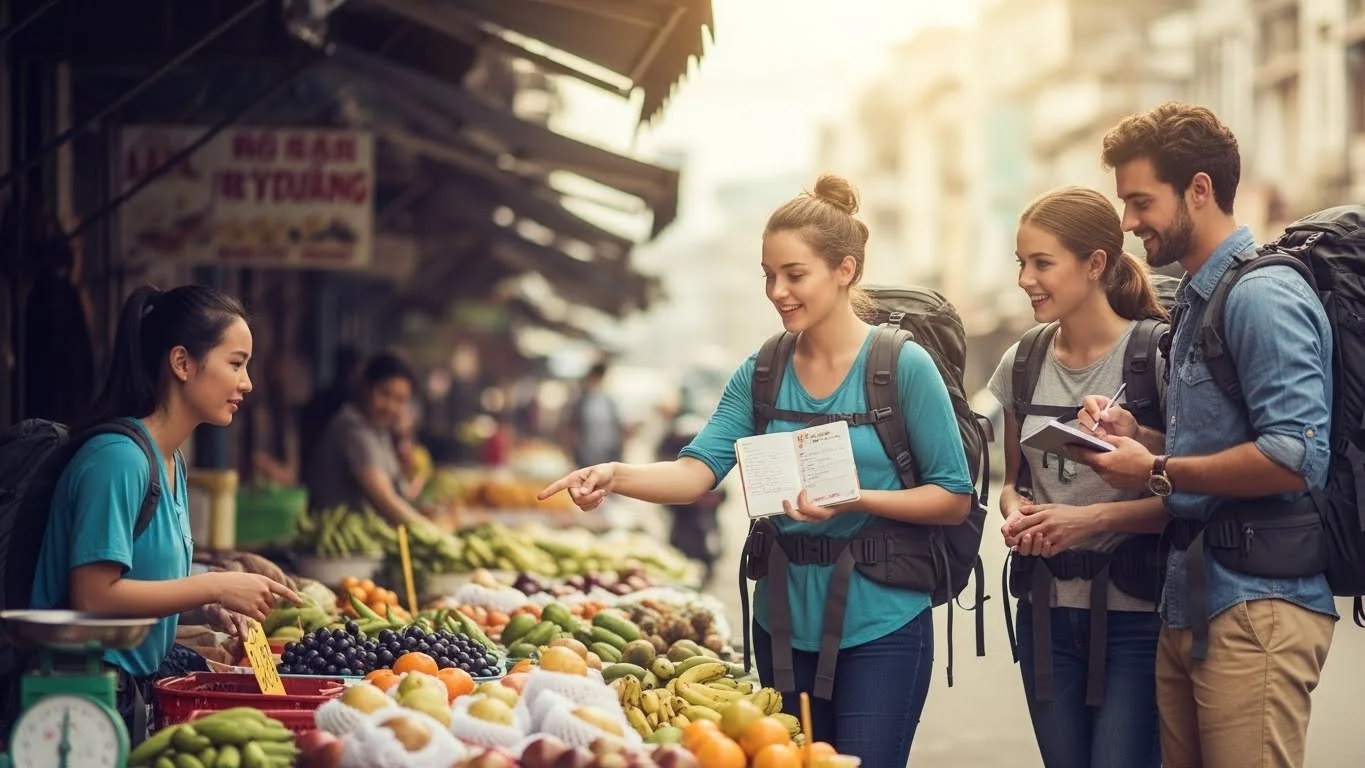
When I first set out on my backpacking journey, I quickly learned that language skills are more than just words; they are the bridge to deeper connections and richer experiences. I can’t count the number of times a simple “hello” or “thank you” created instant smiles and opened up conversations. It’s fascinating how much a few language skills can enhance our travels.
The Role of Language in Cultural Immersion
Language is an integral part of culture. When we attempt to communicate in the local tongue, we show respect and a willingness to engage. I remember wandering the vibrant streets of Barcelona, struggling to remember basic Spanish phrases. The locals appreciated my efforts, and it lit up my experience. I found myself invited to a small gathering where I learned about their traditions and cuisine. Without those few phrases, I would have missed out on that genuine cultural immersion.
Overcoming Communication Barriers
Communication barriers can feel intimidating. In my travels through Southeast Asia, I encountered situations where English was not widely spoken. At first, I felt frustrated trying to navigate menus or ask for directions. However, I soon realized that even rudimentary language skills could break down those barriers. Using gestures, facial expressions, and a few learned words helped me connect with locals, turning potential miscommunication into shared laughter and understanding. I felt more at home in unfamiliar places, which is something I cherish.
Enhancing Travel Experiences Through Language
Speaking the local language enriches our travel experiences in countless ways. Whether it’s bargaining at a market in Marrakech or ordering street food in Bangkok, knowing the right words can lead to better deals and tastier meals. I remember sitting at a roadside café in Thailand, struggling to order food in Thai. After a few attempts, the owner chuckled and started teaching me names of dishes. The meal was not just delicious, but I also left with a sense of accomplishment and new vocabulary. Language creates moments like these, turning a simple meal into an unforgettable experience.
Essential Language Skills for Budget Backpackers
Basic Conversational Phrases
For budget backpackers, mastering basic conversational phrases can make a world of difference. I found that greetings, polite expressions, and simple questions can open doors. Phrases like “hello,” “please,” “thank you,” and “how much?” became my lifelines. I often practiced these before my trips, and it felt great to use them in real conversations. Even a simple attempt at a greeting can lead to a warm smile and a friendly response. It’s a reminder that travel is not just about the destination, but the connections we make along the way.
Essential Vocabulary for Travel
As I journeyed through different countries, I realized that having a grasp of essential vocabulary is crucial. Words related to transportation, food, and accommodation helped me navigate more smoothly. I remember being in a bustling market in Istanbul, trying to find my way back to the hostel. Knowing basic terms like “bus,” “train,” and “hotel” allowed me to ask for directions confidently. I often jotted down key phrases in a small notebook, which became my trusty travel companion. With just a bit of preparation, I turned language into a tool for exploration.
Understanding Local Customs and Etiquette
Language isn’t just about words; it’s also about understanding the culture behind them. I learned that many cultures have unique customs and etiquette that are tied to their language. For instance, in Japan, bowing while greeting is as important as saying “Konnichiwa.” I made it a point to learn about these nuances before my travels. It not only helped me avoid faux pas but also made me feel more respectful and engaged with the locals. Embracing their customs through language truly deepens the travel experience.
To sum it up, language skills serve as a powerful tool for budget backpackers. They pave the way for meaningful interactions, enriching our travels in ways we might not expect. I’ve seen firsthand how a little effort can lead to amazing adventures and lasting memories. Whether it’s learning a few key phrases or understanding local customs, investing time in language skills pays off immensely in the world of travel. Read Interesting article: Traveling Smart: Montessori Principles for Budget Backpackers
Popular Languages to Learn for Backpacking
Spanish: The Language of Many Destinations
Spanish has always held a special place in my heart. As I wandered through the streets of South America, I realized just how beneficial it was to learn this beautiful language. With over 20 countries where Spanish is the official language, picking up some basic phrases opened up a world of opportunities. I remember sitting in a small café in Quito, Ecuador, where I could converse with the locals about their traditions and favorite dishes. It was incredible how a simple “¿Qué recomiendas?” (What do you recommend?) led to a delightful culinary adventure. I felt a deeper appreciation for the culture, and it even helped me make lifelong friends during my travels.
French: Key Phrases for Europe
When I traveled to France, I was reminded of the elegance and charm that comes with the French language. While English is widely spoken in tourist areas, knowing a few key phrases can truly enhance your experience. I discovered that a polite “Bonjour” (Hello) or “Merci” (Thank you) could lead to warmer interactions, especially in smaller towns. One memorable moment was at a local market in Provence. After attempting to ask for fresh produce in French, the vendor smiled and started sharing stories about the local farming traditions. That small effort to communicate transformed my shopping experience into something far beyond just buying groceries.
Mandarin: Navigating Asia
Mandarin can seem daunting, but I found that learning a few essential phrases made my travels through China much more enjoyable. While in Beijing, I often relied on simple words like “xièxiè” (thank you) and “zěnme zǒu?” (how to get there?). I remember one day when I was lost in the bustling streets. Using my limited Mandarin to ask for directions led to a delightful conversation with a local who insisted on helping me find my way. Not only did I get to my destination, but I also learned about the city’s history from someone who lived there. It felt like stumbling upon a hidden gem simply because I made the effort to try.
Arabic: Connecting in the Middle East
Arabic is another language that has enriched my travel experiences. During my trips to Morocco, I learned that speaking even a few words could break down barriers and create connections. “Marhaban” (hello) and “shukran” (thank you) became my go-to phrases. I remember sitting in a bustling souk in Marrakech and using my basic Arabic to engage with shop owners. They responded with enthusiasm, and I found myself invited to share mint tea, a gesture that would have been unlikely without my attempt to communicate in their language. It was a heartwarming reminder of how language fosters connection.
Portuguese: Exploring Brazil and Beyond
Brazil’s vibrant culture captivated me, and learning Portuguese was essential for truly diving into the experience. While in Rio de Janeiro, I realized how helpful phrases like “tudo bem?” (how are you?) and “obrigado” (thank you) were in connecting with locals. I’ll never forget the night I joined a group of locals at a samba club. My attempts to speak Portuguese led to laughter, dance lessons, and a genuine camaraderie that I wouldn’t have experienced otherwise. Language, I discovered, can transform a night out into an unforgettable celebration of culture. Read Interesting article: Backpacking with Toddlers: Boosting Cognitive Skills on a Budget
Tools and Resources for Learning Languages
Language Learning Apps and Platforms
Using language learning apps has been a game changer for me. I found platforms like Duolingo and Babbel particularly helpful for picking up phrases and vocabulary before my trips. They made it easy to incorporate language practice into my daily routine. I remember using these apps while waiting in airports or during downtime at hostels. The interactive nature of these tools kept me engaged, and it felt rewarding to see my progress in real-time. I highly recommend setting aside just a few minutes each day to practice; it’s amazing how quickly you can learn!
Online Language Exchange Communities
Engaging with native speakers through online language exchange communities has also enriched my language learning. Websites like Tandem and HelloTalk allowed me to connect with people from around the world. I recall having conversations with a Spanish speaker who wanted to practice English. Our exchanges not only improved my conversational skills but also provided insights into cultural nuances. It’s like having a pen pal, but in real-time! These connections often turned into friendships, and I felt more confident when I finally met them in person during my travels.
Books and Audio Resources
Books and audio resources have been invaluable in my language learning journey. I’ve picked up several phrasebooks and audio guides tailored for travelers. Listening to native speakers helped me with pronunciation, which I found particularly useful. I remember using an audio guide while hiking in the Andes; it kept me company and allowed me to learn on the go. Whenever I had downtime, I would review vocabulary or practice phrases, which made me feel more prepared for the conversations ahead.
Local Language Schools and Courses
Finally, I’ve had great experiences attending local language schools during my travels. Immersing myself in a class not only helped me learn but also introduced me to fellow travelers with similar goals. I took a Spanish course in Granada, and the interactive environment was fantastic. The teachers were passionate and made learning fun. We practiced conversational skills through games and role-playing, which helped me feel more comfortable speaking in real-life situations. If you have the opportunity, I encourage you to seek out local classes; they can be a fantastic way to deepen your understanding of the language and culture.
Tips for Practicing Language Skills While Traveling
Engaging with Locals
One of the best parts of traveling is the chance to meet new people. Engaging with locals can really help boost your language skills. I remember sitting in a small park in Buenos Aires, and I struck up a conversation with an elderly gentleman who was feeding the pigeons. My Spanish was far from perfect, but he was patient and encouraged me to keep trying. We talked about everything from soccer to his favorite places in the city. Those moments of connection not only improved my language skills but also gave me insights into the culture that I wouldn’t have found in a guidebook. I believe that the more we engage with locals, the more we learn, and the more meaningful our travel experiences become.
Using Language in Everyday Situations
Everyday situations are perfect opportunities to practice language skills. I made it a point to use the local language whenever I could, whether I was ordering a coffee, buying a ticket, or asking for directions. I recall my first time in Rome, where I hesitated to order in Italian at a bustling café. But after a deep breath, I went for it, and to my surprise, the barista responded with a smile and even threw in a few extra tips about local attractions. Using the language in these small moments not only improved my confidence but also made my interactions richer and more authentic. I think it’s about embracing the little challenges and celebrating the small victories.
Participating in Cultural Activities
Participating in cultural activities is another fantastic way to practice a language. I took a cooking class in a small village in Thailand, where I not only learned to make Pad Thai but also practiced my Thai with the chef. The experience was a delightful mix of language and culture, and it felt rewarding to communicate while creating something delicious. I found that these immersive experiences allow us to learn and practice in a fun, relaxed environment. It’s amazing how much easier it becomes to remember words and phrases when you’re using them in context. If you have the chance to join a local class or workshop, I highly recommend seizing it!
Budget-Friendly Strategies for Language Learning
Free Online Resources and Websites
One of the best parts about learning languages today is the plethora of free resources available online. Websites like BBC Languages and Open Culture have a wealth of materials for various languages. I spent hours watching videos and doing exercises, often while lounging in my hostel. It felt like a sneak peek into the culture I was about to dive into. I learned a lot about the language while also getting a handle on the local customs and traditions. With a little creativity, we can turn everyday internet browsing into language learning sessions.
Utilizing Social Media for Language Practice
Social media can be a fantastic tool for language learning. I started following accounts that posted in the languages I wanted to learn, which helped me get accustomed to the way the language looks and sounds. I’d often find myself commenting in Spanish on posts, which became a fun way to practice. I also joined Facebook groups dedicated to language learners. Not only did I find tips and resources, but I also met fellow travelers who were on the same journey. It’s like having a community cheering you on as you tackle the challenges of language learning.
Finding Language Buddies for Exchange
Finding a language buddy can be a game changer. I discovered this when I met someone through a language exchange app who was keen on learning English while helping me with Spanish. We set up regular video chats, and it was a win-win situation. I practiced my conversational skills, and he taught me colloquial phrases that I wouldn’t find in textbooks. Plus, it was a great way to maintain motivation. I think forming connections while learning makes the process much more enjoyable and less intimidating.
Challenges of Language Learning While Traveling
Dealing with Language Anxiety
Language anxiety is something I think many travelers experience at some point. I’ll never forget the first time I had to order food in a local restaurant in Vietnam. My heart raced as I approached the counter, and I nearly chickened out. But I took a deep breath, reminded myself that everyone makes mistakes, and went for it. I learned that it’s totally okay to mess up; in fact, it often leads to laughter and helpful corrections. Embracing those anxious moments as part of the journey is key, and over time, I found my confidence grew with each interaction.
Understanding Accents and Dialects
Another challenge I faced was understanding different accents and dialects. I remember struggling to understand a local in Scotland who spoke incredibly fast. It felt like learning a new language altogether! What helped me was actively listening and asking for clarification when needed. I found that people usually appreciated the effort and were happy to repeat themselves. I learned that every region has its unique flavor, and instead of feeling overwhelmed, I tried to embrace it as part of the adventure.
Handling Miscommunication
Miscommunication is another hurdle we might encounter while traveling. I’ve had my fair share of mix-ups, like the time I accidentally ordered something I didn’t want because I misunderstood the waiter’s question. At first, I felt embarrassed, but I soon realized it was a great conversation starter. We ended up laughing about it, and the waiter even helped me learn the correct phrase for next time. I believe that these little miscommunications often lead to memorable stories and unexpected connections, making them more of a blessing than a burden.
Frequently Asked Questions
Why are language skills important for budget backpackers?
Language skills are essential for budget backpackers as they facilitate deeper connections with locals and enhance travel experiences. A few simple phrases can lead to meaningful interactions and cultural immersion.
How can language skills help with cultural immersion?
Attempting to communicate in the local language shows respect and willingness to engage, which can lead to invitations to gatherings and opportunities to learn about local traditions and cuisine.
What are some basic conversational phrases that backpackers should learn?
Basic conversational phrases such as “hello,” “please,” “thank you,” and “how much?” are crucial for budget backpackers, as they can open doors and create friendly interactions with locals.
What essential vocabulary should travelers focus on?
Travelers should focus on essential vocabulary related to transportation, food, and accommodation. Knowing these terms can help navigate new environments and communicate effectively.
How can understanding local customs enhance language learning?
Understanding local customs and etiquette tied to the language helps avoid faux pas and fosters respectful interactions, deepening the overall travel experience.
What are some popular languages to learn for backpacking?
Popular languages for backpacking include Spanish, French, Mandarin, Arabic, and Portuguese, as they are commonly spoken in many travel destinations and can greatly enhance communication and cultural experiences.
What tools and resources are available for learning languages?
Language learning apps like Duolingo and Babbel, online language exchange communities like Tandem and HelloTalk, phrasebooks, audio resources, and local language schools are effective tools for learning languages.
How can travelers practice their language skills while on the road?
Travelers can practice language skills by engaging with locals, using the language in everyday situations, and participating in cultural activities, which provide immersive learning experiences.
What are some budget-friendly strategies for language learning?
Free online resources and websites, utilizing social media for practice, and finding language buddies for exchange are effective, budget-friendly strategies for language learning.
What challenges might travelers face when learning languages abroad?
Travelers may experience language anxiety, difficulties with understanding different accents and dialects, and miscommunication, but these challenges can lead to memorable interactions and learning opportunities.