
Traveling with toddlers can be a delightful adventure, especially when we encourage their independence. As we explore new places together, we can foster their growth, making travel memorable for everyone involved. For more insights, check out Top Strategies to Foster Independence in Your Toddler Abroad.
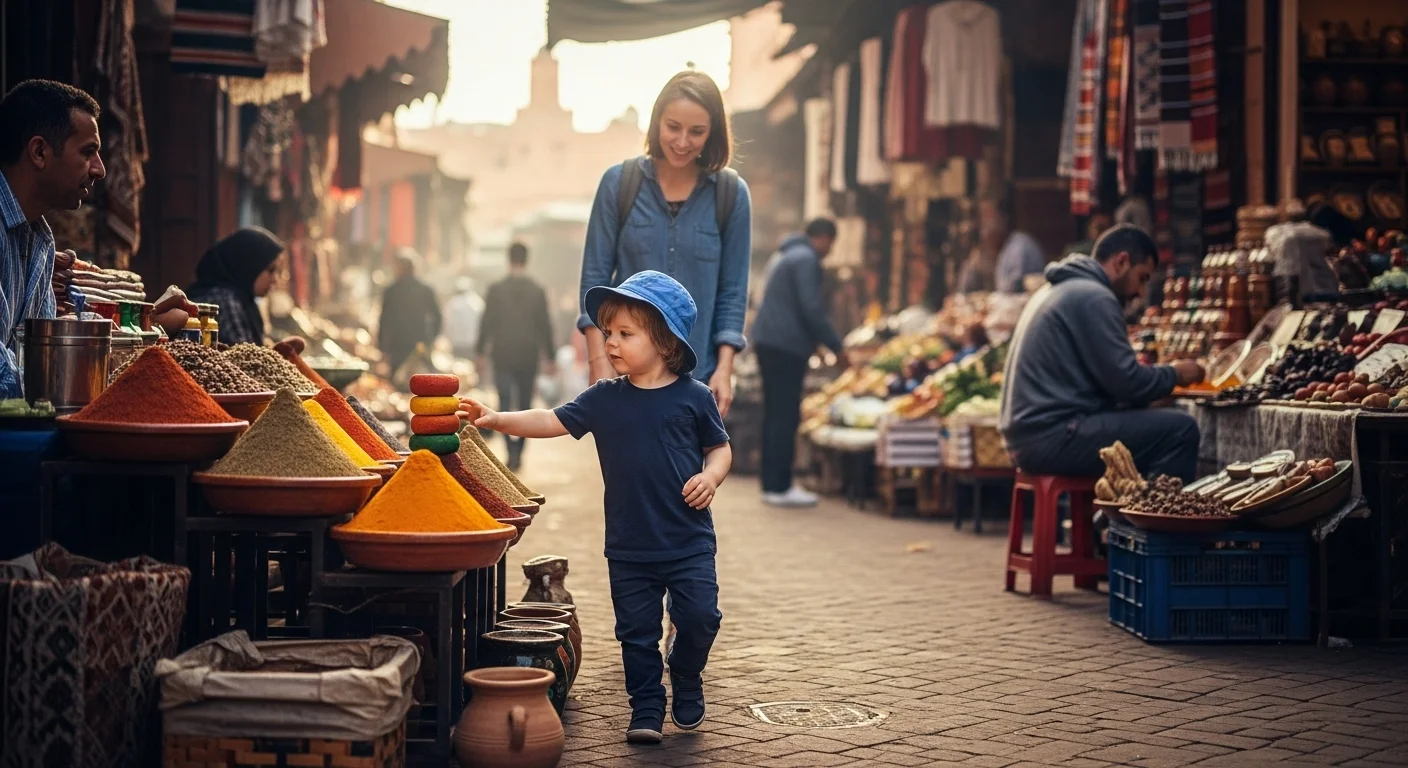
Understanding Toddler Independence
What is Toddler Independence?
When I think about toddler independence, I picture my little one exploring the world with curiosity and confidence. Toddler independence refers to the stage where children begin to assert themselves and make choices, from picking their outfits to deciding what games to play. This drive for autonomy is not just natural; it’s essential for their development. As a parent, I’ve seen how allowing my toddler some freedom can lead to moments of pride and joy, both for them and for me.
Why Encouraging Independence is Important
Encouraging independence in toddlers is crucial for their self-esteem. I remember the first time my child insisted on tying their shoes alone. It took longer than if I had done it, but the look of accomplishment on their face was priceless. When toddlers are given the chance to make decisions and solve small problems, they learn valuable skills, like critical thinking and resilience. They begin to trust their abilities, which creates a foundation for confidence in their future endeavors.
Moreover, fostering this independence during travel can help toddlers adapt to new environments. Traveling often brings unexpected situations—long waits at airports, changes in routine, or unfamiliar places. When my child feels empowered to explore and make choices, they adapt more easily, which makes the trip enjoyable for all of us. For more tips on managing travel with toddlers, see Traveling with Toddlers: Smart Discipline Strategies to Use.
Typical Developmental Milestones
As toddlers grow, they reach different developmental milestones that are essential for their independence. For instance, around the ages of 1 to 2, they begin to walk and explore their surroundings. I noticed that as my child became more mobile, they also desired to make decisions about where to go and what to look at. By the time they hit age 3, they might start saying “no” more often, asserting their preferences and opinions. This is a beautiful and sometimes challenging phase, but understanding these milestones helps us nurture their growing independence.
At around age 4, many toddlers can start dressing themselves with some assistance and can understand simple instructions. I’ve found that encouraging my child to choose their outfits—even if they clash—helps them feel more in control. This sense of autonomy is vital for their emotional growth. In my experience, each milestone is an opportunity to boost their confidence and independence, especially during travel when everything feels new.
Preparing for Travel with Toddlers
Selecting the Right Destination
Choosing a travel destination that suits toddlers can make all the difference. I’ve learned that places with family-friendly activities, parks, and open spaces are perfect for little explorers. When we decided to visit a coastal town, I made sure it had beaches and playgrounds. This way, my toddler had the freedom to play and explore safely. I recommend considering not only what the destination offers but also how it aligns with your child’s interests. Are they fascinated by animals? A trip to a zoo or aquarium could be a hit!
Choosing Family-Friendly Accommodations
Finding the right place to stay is another key factor in encouraging independence. I always look for hotels or rentals that provide kid-friendly amenities, like play areas or pools. Having a secure space where my toddler can roam freely gives both of us a sense of comfort. I particularly remember staying in a rental with a fenced backyard; it allowed my child to explore while I relaxed nearby. Family-friendly accommodations often have kitchens too, making it easier to prepare snacks or meals that cater to my child’s preferences.
Creating a Travel Itinerary with Flexibility
Travel itineraries can be tricky, especially with toddlers in tow. I’ve found that keeping our schedule flexible is essential. While planning our last trip, I made a list of activities we wanted to do but allowed room for spontaneity. If my child showed interest in a local park or a fun festival, we could adjust our plans. This approach not only encourages independence—by allowing them to express their desires—but also helps reduce stress for everyone involved. We discovered that some of our best memories came from unplanned adventures!
Tools and Resources for Encouraging Independence
Travel Gear for Toddlers
When it comes to travel gear, I’ve found that having the right tools can significantly boost a toddler’s sense of independence. For instance, a sturdy and lightweight backpack can be a game-changer. I remember the first time I let my child carry their own backpack filled with snacks and a favorite toy. They felt so proud and were eager to help with the journey. It’s amazing how something as simple as a backpack can empower toddlers to take ownership of their belongings. I recommend looking for backpacks with fun designs that your child loves, as this can make them even more excited about using it.
Another essential item is a travel-friendly stroller. I’ve learned that a good stroller can provide a safe spot for my toddler to rest when they get tired. But it also allows them to observe their surroundings more freely. When we traveled to a bustling city, having a stroller meant I could easily maneuver through crowds while my little one could still see everything. Plus, it’s a great way for them to feel secure while still having the freedom to explore when they want to hop out and walk. A stroller with a reclining seat is also beneficial for those unexpected nap times!
Interactive and Educational Apps
In today’s digital age, I’ve discovered that there are numerous interactive apps that can help encourage independence while also keeping toddlers engaged. I’ve used apps that focus on problem-solving and creativity, which my child enjoys immensely. For instance, I found a delightful app that allows kids to create their own stories or plan virtual adventures. This not only sparks their imagination but also helps them practice decision-making skills.
During long flights or road trips, I make sure to download a few educational games that are both fun and informative. This way, my toddler can learn about the places we’re visiting or the animals we might encounter. I’ve noticed that engaging them in these ways not only keeps them entertained but also makes them feel involved in the travel experience. It’s incredible to see how technology can complement our adventures while still promoting independence. For more on this topic, check out Backpacking with Toddlers: Encourage Independence on the Go.
Books and Stories About Travel
Books have always been an essential part of our family routine, and I believe they play a significant role in fostering a sense of independence. Before a trip, I love to read stories that relate to our destination. For example, before visiting a national park, I found a delightful children’s book about animals in the wilderness. Sharing these stories allows my toddler to connect with the location we’re about to explore.
I also discovered travel-themed books that encourage kids to think about their own travel adventures. These stories often feature characters embarking on journeys, making choices, and discovering new things. Reading together not only sparks excitement but also gives my child a sense of control over what they might expect. I encourage you to explore your local library or bookstore to find books that resonate with your family’s travel plans. The stories we share can create lasting memories long before the trip even begins.
Travel Tips for Encouraging Independence
Involving Toddlers in Packing
One of my favorite strategies for promoting independence is involving my toddler in the packing process. I remember the first time I asked my child to help choose which clothes and toys to bring along. At first, I was worried they would pick out everything they owned, but to my surprise, they were thoughtful about what they wanted. It turned into a fun game, and my child felt included in the adventure ahead.
To make it easier, I suggest creating a checklist together. My child loves checking off items as we pack them. This not only helps them feel involved but also reinforces their understanding of what they need for the trip. I’ve learned that giving them this responsibility can lead to excitement and anticipation for our travels, making the experience even more special.
Letting Them Choose Activities
While planning our travel itinerary, I’ve found it helpful to present my toddler with a few activity options. Instead of just telling them what we’ll do, I let them pick from two or three choices. For example, I might say, “Would you like to visit the zoo or the aquarium today?” This way, they feel a sense of control over their experience. It’s fascinating to see how enthusiastic they become when they have a say in our plans.
Moreover, allowing toddlers to choose activities can lead to unexpected and joyful experiences. I’ve noticed that when my child picks an activity, they are more engaged and eager to participate. It also encourages them to express their preferences and express themselves, which is a vital part of their growth.
Encouraging Exploration in Safe Environments
When we travel, I always look for opportunities for my toddler to explore in safe environments. I remember visiting a botanical garden where the paths were wide and well-defined. I allowed my child to wander a bit ahead of me, always within sight but with enough distance to feel independent. This small act opened up a world of curiosity for them, as they could choose which flowers to inspect or where to run.
It’s essential to find places that feel secure for exploration. Whether it’s a park, a beach, or a child-friendly museum, having the freedom to roam can help toddlers build confidence. I often remind myself that while safety is a priority, giving my child the chance to explore their surroundings allows them to learn and grow in a way that simply staying close wouldn’t provide.
Setting Small, Achievable Goals
Setting small, achievable goals during travel has become part of our family tradition. For instance, I might say, “Today, we will find three different types of leaves at the park,” or “Let’s look for five colorful boats at the marina.” These little challenges not only engage my toddler but also give them a sense of accomplishment when they meet these goals.
I’ve found that celebrating these small successes enhances their confidence and independence. When my child finds that third leaf or spots a blue boat, their joy is contagious. It reinforces the idea that they can achieve what they set their mind to, even in a new environment. I encourage you to try setting similar goals on your travels; you might be surprised by how much more engaged your child becomes!
Engaging Activities to Foster Independence
Nature Walks and Outdoor Exploration
One of my favorite ways to encourage independence in my toddler is through nature walks. I remember our first hike together; it was a simple trail in a nearby park, but it turned out to be an adventure filled with exploration. As we walked, I let my little one lead the way, choosing which paths to take and what to investigate. This autonomy not only made them feel empowered but also sparked their natural curiosity about the world around them. I noticed them stopping to examine leaves, pick up interesting rocks, and even observe insects. It was a beautiful moment of learning and discovery.
To make nature walks even more engaging, I suggest turning them into a scavenger hunt. We create a simple list of items to find, like a specific flower, a feather, or a certain type of leaf. This gives my toddler a purpose and reinforces their independence as they search for each item. Plus, the excitement of ticking things off the list adds an element of fun to our outings!
Interactive Museums and Learning Centers
Visiting interactive museums and learning centers has been another fantastic way to foster my toddler’s independence. I remember taking my child to a children’s museum where they could touch exhibits and engage with hands-on activities. It was amazing to see them take the lead, exploring different stations and deciding what to do next. Allowing them to choose which exhibits to visit empowered them to follow their interests, whether it was a water play area or an art section.
These environments are designed for exploration, making it easy for toddlers to feel comfortable and confident. I suggest looking for places that have age-appropriate activities, allowing your child to experiment and learn at their own pace. We’ve had some unforgettable moments where my toddler discovered how to create a simple circuit or build a structure, all while feeling excited about their newfound skills.
Local Festivals and Cultural Events
Attending local festivals and cultural events can be a wonderful way to expose toddlers to new experiences while encouraging their independence. I remember going to a community fair where there were various booths, activities, and performances. My child was captivated by the music and colors, and I allowed them to wander around with a small group of friends. They felt so grown-up making decisions about which activities to try, whether it was face painting, jumping in a bouncy castle, or trying out a new snack.
These events often provide opportunities for toddlers to engage with their environment in unique ways. I recommend checking out local events happening in your area. Not only do they promote independence, but they can also be a fun way for families to bond and learn about different cultures together.
Safety Considerations While Traveling
Establishing Boundaries and Safety Rules
While I love encouraging my toddler’s independence, I also recognize the importance of safety, especially while traveling. Before heading out on our adventures, I sit down with my child to discuss some basic safety rules and boundaries. For example, I always remind them about staying close when we’re in crowded places and what to do if they get separated from me.
I’ve found that using clear and simple language helps my toddler understand these boundaries better. We practice saying things like, “If you can’t see me, find a safe adult,” which reinforces their ability to navigate situations independently while still being mindful of safety. I believe that teaching them these skills can empower them to explore confidently without feeling overwhelmed.
Identifying Safe Spaces for Exploration
When we travel, I make it a point to identify safe spaces where my toddler can explore freely. Whether it’s a park with well-defined boundaries or a family-friendly beach, knowing that my child can roam without too much worry gives me peace of mind. I remember discovering a local park during one trip that had a fenced area specifically for young children. This allowed my toddler to run around and interact with other kids, fostering their independence while I watched from a comfortable distance.
Finding such safe spaces helps reinforce their confidence as they explore. It’s crucial to find environments that allow them the freedom to learn and grow while ensuring they are still within a safe zone. I recommend looking for family-friendly venues that cater to young children, as they often have built-in safety features.
Emergency Preparedness and Communication
In addition to establishing safety rules, I always take a moment to discuss emergency preparedness with my toddler before we travel. We practice what to do in case of an emergency, like finding a police officer or another trusted adult. I also ensure they know my phone number and how to recognize a safe adult. These simple steps can go a long way in empowering them to handle unexpected situations independently.
When we travel, I make sure to have a plan for communication. I often create a “family meeting spot” where we can regroup if we lose sight of each other. This gives my toddler a sense of security, knowing there’s a designated place to go if they feel lost. From my experience, these preparations not only enhance their sense of independence but also give me peace of mind as a parent. The balance between encouraging exploration and ensuring safety is vital for a successful travel experience.
Frequently Asked Questions
What is toddler independence?
Toddler independence refers to the stage where children begin to assert themselves and make choices, such as picking their outfits or deciding what games to play. This drive for autonomy is essential for their development and helps foster confidence.
Why is it important to encourage independence in toddlers?
Encouraging independence in toddlers is crucial for their self-esteem and development of skills like critical thinking and resilience. It helps them trust their abilities and adapt to new environments, especially during travel.
What are some typical developmental milestones for toddlers related to independence?
Typical developmental milestones include starting to walk and explore between ages 1 to 2, asserting preferences around age 3, and beginning to dress themselves with assistance around age 4. Each milestone is an opportunity to boost their confidence and independence.
How can I select a suitable travel destination for toddlers?
Choosing a travel destination with family-friendly activities, parks, and open spaces is key. It’s important to consider the child’s interests, such as visiting a zoo or aquarium if they are fascinated by animals.
What kind of accommodations should I look for when traveling with toddlers?
Look for family-friendly accommodations that offer kid-friendly amenities like play areas, pools, and secure spaces where toddlers can roam freely. Rentals with fenced backyards can also provide a safe environment for exploration.
How can I create a travel itinerary that encourages toddler independence?
Creating a flexible travel itinerary allows for spontaneity. Include a list of activities while allowing toddlers to express their desires, which can lead to unexpected and joyful experiences during the trip.
What travel gear can help boost a toddler’s sense of independence?
A sturdy, lightweight backpack can help toddlers feel empowered by carrying their own snacks and toys. Additionally, a travel-friendly stroller provides a safe spot for rest while allowing them to observe their surroundings.
What types of apps can promote independence in toddlers during travel?
Interactive and educational apps focused on problem-solving and creativity can keep toddlers engaged while promoting independence. These apps can also teach them about the places they are visiting or the animals they may encounter.
How can I involve toddlers in the packing process for a trip?
Involving toddlers in packing by allowing them to choose which clothes and toys to bring can promote independence. Creating a checklist together makes the process fun and helps them feel included in the adventure.
What safety considerations should I keep in mind while traveling with toddlers?
Establishing basic safety rules and boundaries, identifying safe spaces for exploration, and discussing emergency preparedness are vital. Teaching toddlers what to do in case of separation or emergencies empowers them to navigate situations independently.