
Traveling with kids can be a thrilling adventure, especially when you incorporate play-based learning. This approach not only keeps them engaged but also enriches their experiences in meaningful ways. For more ideas on destinations that cater to this method, check out Affordable Destinations for Play-Based Learning Adventures.
Understanding Play-Based Learning
Definition and Importance of Play-Based Learning
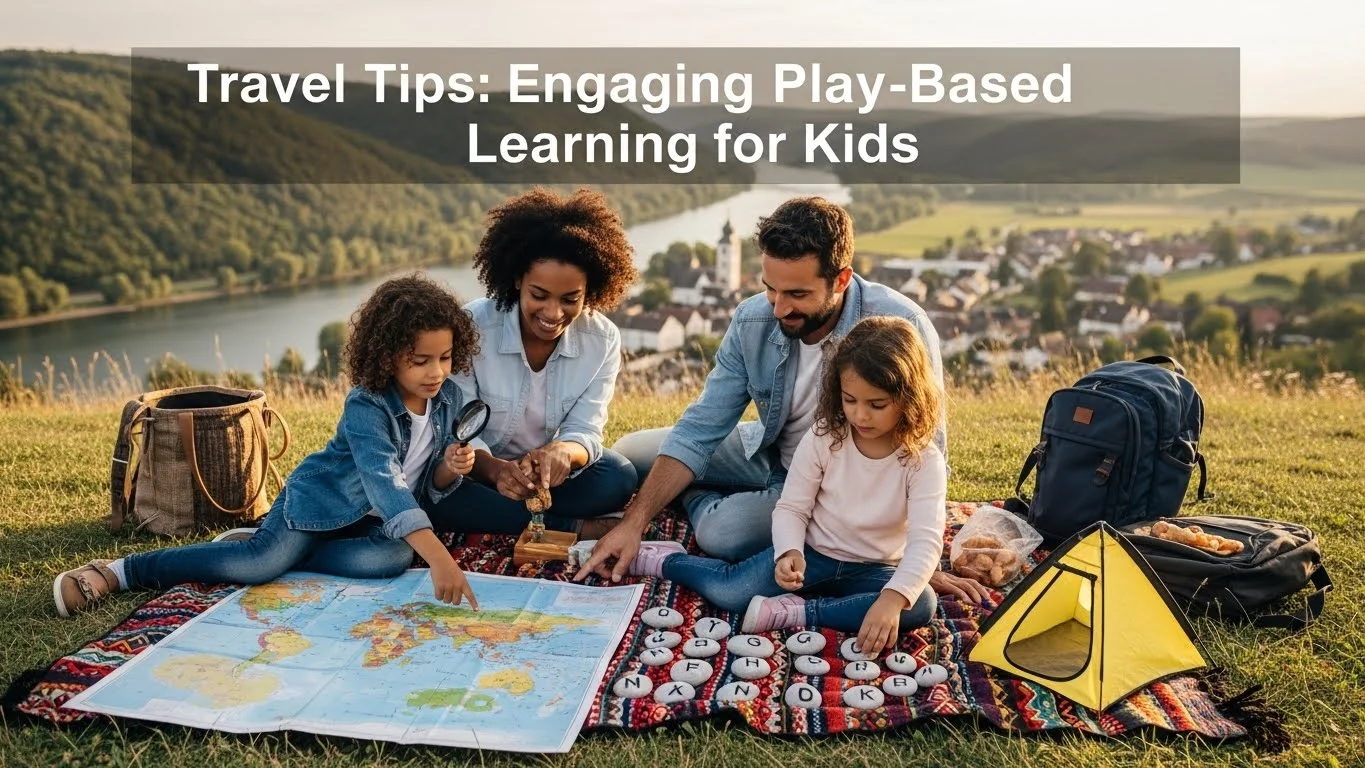
Play-based learning is a teaching method that encourages children to engage in activities that feel like play. It’s all about using games and imaginative activities to help kids learn new concepts and develop skills. I remember the first time I realized just how powerful this method could be; it was during a family trip to a historical site. Instead of just walking through the exhibits, my kids jumped into role-playing, pretending to be explorers discovering new lands. This made the experience unforgettable for them, and I saw them absorb so much more than they would have if we simply read the information plaques.
Benefits of Play-Based Learning for Kids
There are countless benefits to this style of learning. First off, it boosts creativity. Children engage their imaginations and think outside the box when they learn through play. I’ve seen how my kids come up with wild ideas during play that they wouldn’t think of in a more traditional learning environment. It also enhances problem-solving skills. When they encounter challenges in their play, they learn to navigate and find solutions. Additionally, play-based learning encourages social skills. As kids play and interact with each other, they learn to communicate, collaborate, and negotiate, which are essential life skills.
Furthermore, play-based learning can help build resilience. When things don’t go as planned in a game or activity, kids learn to adapt and try again. This sense of perseverance is invaluable in real-world situations. The emotional aspect is also significant; I’ve noticed my children become more aware of their feelings and those of others during play, which fosters empathy. Overall, this type of learning creates a well-rounded development environment that nurtures not just academic skills but emotional and social growth too.
How Play-Based Learning Enhances Travel Experiences
Incorporating play-based learning into travel transforms ordinary trips into extraordinary adventures. When we travel, I aim to find ways for my kids to connect with the places we visit through play. For instance, while visiting a new city, we often create scavenger hunts. I’ll make a list of things to find or types of people to interact with, allowing them to explore their surroundings actively. This not only keeps them engaged but also makes them feel like explorers on a mission. There was a time we visited a vibrant market, and while I was busy shopping for souvenirs, my kids were off on their own treasure hunt. They found unique items, met local vendors, and learned about the culture in a hands-on way. It was pure magic watching them immerse themselves in the experience.
Furthermore, play-based learning promotes curiosity. Kids naturally want to learn and discover new things, but sometimes, a museum or historical site can feel overwhelming or dull without some interactive element. In our travels, I often look for museums that offer interactive exhibits or special children’s programs. For example, at a science museum, my kids could engage in experiments and hands-on displays, which turned a potentially boring day into an exciting adventure where they learned without even realizing it. That’s the beauty of learning through play; it seamlessly blends education with enjoyment. If you’re interested in more activities, check out Top 10 Play-Based Learning Activities for Young Travelers.
Another way I have enhanced our travel experiences is through storytelling. I encourage my kids to create stories based on the places we visit. For instance, while exploring ancient ruins, they might imagine what life was like back then, crafting narratives about the people who lived there. This not only makes history come alive for them but also strengthens their storytelling abilities. I’ve seen how much they enjoy sharing their stories with family and friends after our trips, and it feels great knowing they carry a piece of their adventures with them.
Lastly, play-based learning helps children retain information better. When they engage in activities that require them to think critically and problem-solve, they are more likely to remember what they learned. After our travels, I often notice my kids recall specific facts or stories from our adventures, showcasing how play-based experiences leave a lasting impression. I am continually amazed at how much they absorb when they are having fun! It’s a win-win situation for us; they learn while I get to enjoy their joy and enthusiasm.
Preparing for Travel with Kids
Choosing Family-Friendly Destinations
When planning our family trips, choosing the right destination is crucial. I’ve found that family-friendly destinations can make all the difference when it comes to play-based learning. For instance, places that offer interactive museums, parks with engaging play areas, or cultural festivals geared toward families tend to be more enjoyable for my kids. I remember a trip we took to a coastal town that featured a marine science center. The exhibits were hands-on, and the staff offered workshops where the kids could touch marine animals. This kind of experience not only kept them entertained but also sparked their interest in ocean life, which they still talk about today.
Another aspect I consider is the availability of outdoor spaces. Parks, beaches, and nature reserves provide countless opportunities for play and exploration. One of our favorite destinations was a national park where my kids could hike, identify plants, and even participate in guided nature walks. These experiences cultivated their curiosity about the natural world and allowed them to learn through exploring their surroundings. I often involve my kids in the destination selection process, letting them share what interests them, which I believe makes the trips even more special for all of us.
Essential Packing Tips for Engaging Learning
Packing wisely can significantly enhance our travel experiences. I’ve learned to pack not just clothes and essentials, but also items that facilitate play-based learning. For example, I always include a small backpack filled with art supplies — sketchbooks, colored pencils, and even a few travel games. These items encourage creativity during downtime, whether we’re waiting at the airport or relaxing at a hotel.
Additionally, I like to bring along educational materials related to our destination. For instance, if we’re visiting a historical site, I might pack a book about that era or print out some fun facts and activities for my kids to engage with during our visit. This makes them feel more connected to the place we’re exploring. I also consider packing lightweight, portable learning games that can be played anywhere. I’ve noticed that having these materials on hand keeps my kids engaged, turning wait times into learning opportunities.
Traveling with Educational Toys and Games
In my experience, the right toys can turn a long journey into a fun and educational experience. I usually travel with a selection of educational games and toys that stimulate learning in playful ways. For example, we love bringing along travel-sized board games that promote critical thinking and strategy. These games not only keep my kids entertained during long flights or car rides but also foster teamwork and problem-solving skills.
I also pack puzzle books or activity sets that align with our travel theme. If we’re visiting a city known for its architecture, I might include a building kit or a book on famous structures. This way, my children can create or solve puzzles related to what they’re seeing. I’ve found that this not only makes the journey more enjoyable but also leads to meaningful conversations about what we’re experiencing. I love that it adds another layer of learning to our travel adventures.
Engaging Activities During Travel
Interactive Learning Experiences at Museums
Museums are often the highlight of our trips, especially when they offer interactive learning experiences. I make it a point to research ahead of time for museums that cater to children. When we visited a natural history museum, there were numerous hands-on exhibits that allowed my kids to touch fossils and even participate in a simulated archaeological dig. It was fascinating to see their eyes light up as they uncovered “ancient” artifacts buried in the sand. I’ve learned that these interactive experiences not only keep them engaged but also help them remember what they learned long after we leave.
We also look for museums that offer guided tours specifically designed for kids. These tours often include storytelling elements or scavenger hunts, making the experience much more relatable and fun. After one such tour at a science museum, my kids were buzzing with excitement, sharing all the facts they learned. It’s a great reminder that learning can happen anywhere, especially when it involves getting hands-on.
Outdoor Play and Exploration in Nature
Nature has always been a fantastic classroom for my family. When we travel, I love to incorporate outdoor activities that allow my kids to explore and learn simultaneously. Hiking is one of our favorite activities; it offers a wonderful opportunity to observe wildlife, plant life, and geographical features. I often encourage my kids to take notes or sketch what they see, which helps them engage more deeply with their surroundings.
We also enjoy visiting local parks or nature reserves. Many have educational programs, like guided nature walks or workshops on local ecology. I remember a trip where we joined a ranger-led program to learn about birdwatching. My kids were so excited to identify different species, and it ignited a passion for nature that we still nurture today. The beauty of outdoor exploration is that it fosters a love for the environment while also teaching important lessons about conservation and respect for nature.
Using Local Culture for Play-Based Learning
One of the most enriching aspects of travel is immersing ourselves in local culture. I’ve discovered that engaging with local traditions can be a wonderful way to incorporate play-based learning. For example, during one trip, we participated in a cooking class focused on traditional dishes. Not only did my kids learn about the ingredients and techniques, but they also gained insight into the culture and history behind the food. Cooking together became a fun, hands-on experience that left lasting memories.
Engaging with Local Communities
Connecting with local communities is essential for play-based learning. I often seek out opportunities for my kids to interact with local families, whether through community events or volunteer opportunities. This not only helps them understand different ways of life but also fosters empathy and social skills. During a visit to a rural village, we participated in a local craft fair where my kids could learn traditional crafts from artisans. They loved the experience and gained a sense of connection to the community.
Participating in Festivals and Events
Attending local festivals or events is another fantastic way to enhance our travel experience. These events often showcase local traditions, music, and art, bringing culture to life. I remember when we stumbled upon a cultural festival celebrating local history; my kids got to participate in traditional dances, listen to stories, and even try their hand at crafting local art. It was incredible to see them engage in such a lively atmosphere, and they learned so much in the process. I always encourage my kids to ask questions and interact with festival-goers, which helps them gain a deeper understanding of the culture we’re experiencing.
Incorporating Learning into Daily Travel Routines
Making Travel Itineraries Fun and Educational
Crafting our travel itineraries is one of my favorite parts of planning a trip. I’ve learned that making them fun and educational can greatly enhance our experiences. Instead of just listing attractions, I try to incorporate activities that spark curiosity. For example, if we’re visiting a city known for its art, I’ll schedule a visit to a local gallery, but I’ll also include a stop at a nearby park where my kids can create their own art inspired by what they’ve seen. This not only keeps them engaged but also allows them to express themselves creatively.
To keep things interesting, I often include themed days in our itinerary. If we’re exploring a historical city, we might dedicate one day to discovering local legends and myths. We’ll visit historic landmarks, read stories related to those sites, and even play games or do crafts that relate to the theme. I’ve found that when we have a focus, it makes our adventures feel more purposeful and memorable.
Incorporating Storytelling and Role-Playing
Storytelling is a powerful tool I love using to deepen our travel experiences. Before a trip, I often share stories related to our destination—whether they are myths, historical tales, or personal anecdotes from previous travels. This helps set the stage for what we might encounter. For instance, prior to a visit to a castle, I might regale my kids with stories of knights and dragons, making them even more excited about exploring the castle grounds.
While we’re traveling, I encourage my kids to create their own narratives based on what they see. They might pretend to be characters from the stories we’ve discussed, acting out scenes as we explore. I remember when we visited a medieval village; my children took on roles of villagers and knights, transforming our exploration into a playful adventure. This not only makes learning fun but also allows them to process and internalize what they are experiencing in a creative way.
Utilizing Technology for Learning on the Go
In today’s digital age, technology can be a fantastic ally in enhancing play-based learning during travel. I’ve discovered several educational apps and websites that make learning interactive and engaging. For instance, we often use language apps to learn a few basic phrases of the local language before our trips. This not only helps us communicate better but also makes my kids feel more connected to the culture we are experiencing.
We also enjoy using apps that allow us to explore local landmarks through augmented reality. There are apps that can bring historical sites to life, showing kids what the area looked like in the past through their devices. It’s amazing to see their faces light up as they interact with history in a way that feels immersive and exciting. I always encourage my kids to take photos and videos during our travels, helping them document their experiences and create a digital scrapbook of their adventures.
Another tool I find helpful is travel blogs and vlogs. These often provide tips and insights into destinations from a family perspective. Watching videos about places we plan to visit helps build anticipation and gives my kids a sense of involvement in our plans. Plus, it can spark discussions about what they’re most excited to see and do, making the entire experience more engaging. For younger travelers, Exploring the World: Play-Based Learning for Toddlers offers great insights.
Post-Travel Reflection and Learning
Creating a Travel Journal or Scrapbook
After returning from our trips, I encourage my kids to reflect on their experiences by creating a travel journal or scrapbook. This has become a cherished tradition in our family. We gather photos, ticket stubs, and other memorabilia to include, and I love watching my kids relive their adventures as they piece everything together. They often write about their favorite moments or what they learned, and it’s wonderful to see their perspectives evolve as they capture their thoughts on paper.
In addition, I encourage them to illustrate their experiences and share stories about their travels. Sometimes we even host a little “presentation” at home where they can show off their journals to family members. This not only reinforces what they learned but also builds their confidence in sharing their experiences with others.
Encouraging Discussions about Experiences
Having discussions about our travels is another way to reinforce what we’ve learned. I often set aside family time to talk about our favorite moments, what surprised us, and what we’d like to explore further next time. I’ve noticed that these conversations help solidify the knowledge they gained during our adventures while also encouraging critical thinking. It allows them to express their thoughts and feelings about what they experienced, fostering a deeper understanding of the world around them.
Sometimes, we’ll even create a “what we learned” list together, highlighting interesting facts or new skills they picked up. It’s amazing how much they remember when we take the time to discuss and reflect on our journey. I believe this practice not only enriches their learning but also strengthens our family bond.
Activities to Reinforce Learning After Travel
Once we’re home, I love to plan activities that reinforce what we learned during our travels. This might include cooking a dish inspired by the cuisine we experienced, conducting a small science experiment related to a museum exhibit we saw, or even organizing a mini-exhibit at home to showcase their favorite memories. For example, after visiting a science center, we might do experiments to explore scientific concepts they found fascinating.
Incorporating art projects is also a hit. My kids love creating art inspired by the cultures or landscapes we encountered. Whether it’s painting, crafting, or even writing poetry, these activities allow them to express their creativity while reinforcing their experiences. I’ve found that these post-travel activities can be just as enriching as the trip itself, ensuring that the learning continues long after we return home.
Frequently Asked Questions
What is play-based learning?
Play-based learning is a teaching method that encourages children to engage in activities that feel like play, using games and imaginative activities to help them learn new concepts and develop skills.
What are the benefits of play-based learning for kids?
Benefits of play-based learning include boosting creativity, enhancing problem-solving skills, encouraging social skills, building resilience, fostering empathy, and promoting overall emotional and social growth.
How can play-based learning enhance travel experiences?
Incorporating play-based learning into travel can transform trips into adventures by engaging kids in activities like scavenger hunts, storytelling, and interactive museum exhibits, which helps them connect with the places they visit.
What should I consider when choosing family-friendly travel destinations?
When choosing destinations, look for places that offer interactive museums, engaging parks, and cultural festivals. Outdoor spaces like parks and nature reserves also provide opportunities for play and exploration.
What packing tips can enhance learning during travel with kids?
Pack art supplies, educational materials related to your destination, and lightweight learning games. These items can encourage creativity and keep kids engaged during downtime or wait times.
What types of engaging activities can I include during travel?
Engaging activities can include visiting interactive museums, participating in outdoor explorations, immersing in local culture through cooking classes, and connecting with local communities through events and festivals.
How can I make travel itineraries more fun and educational?
Make itineraries engaging by incorporating activities that spark curiosity, such as themed days focused on specific topics, and including opportunities for creative expression based on what you see.
How can storytelling and role-playing enhance travel experiences?
Storytelling and role-playing can deepen travel experiences by allowing kids to create narratives based on their observations, making learning fun and helping them internalize their experiences in a creative way.
What are some ways to encourage reflection and learning after travel?
Encourage reflection by creating travel journals or scrapbooks, discussing experiences as a family, and planning post-travel activities that reinforce learning, such as cooking dishes or conducting related experiments.
How can technology be used to support learning while traveling?
Technology can support learning through educational apps for language and local culture, augmented reality apps for exploring landmarks, and travel blogs or vlogs that provide insights into destinations from a family perspective.