
Backpacking isn’t just about exploring new places; it’s about creating deep connections and memories that last a lifetime. Let’s dive into how we can enhance our emotional bonding while on the road. Read Interesting article: How Backpacking Enhances Your Baby’s Emotional Skills
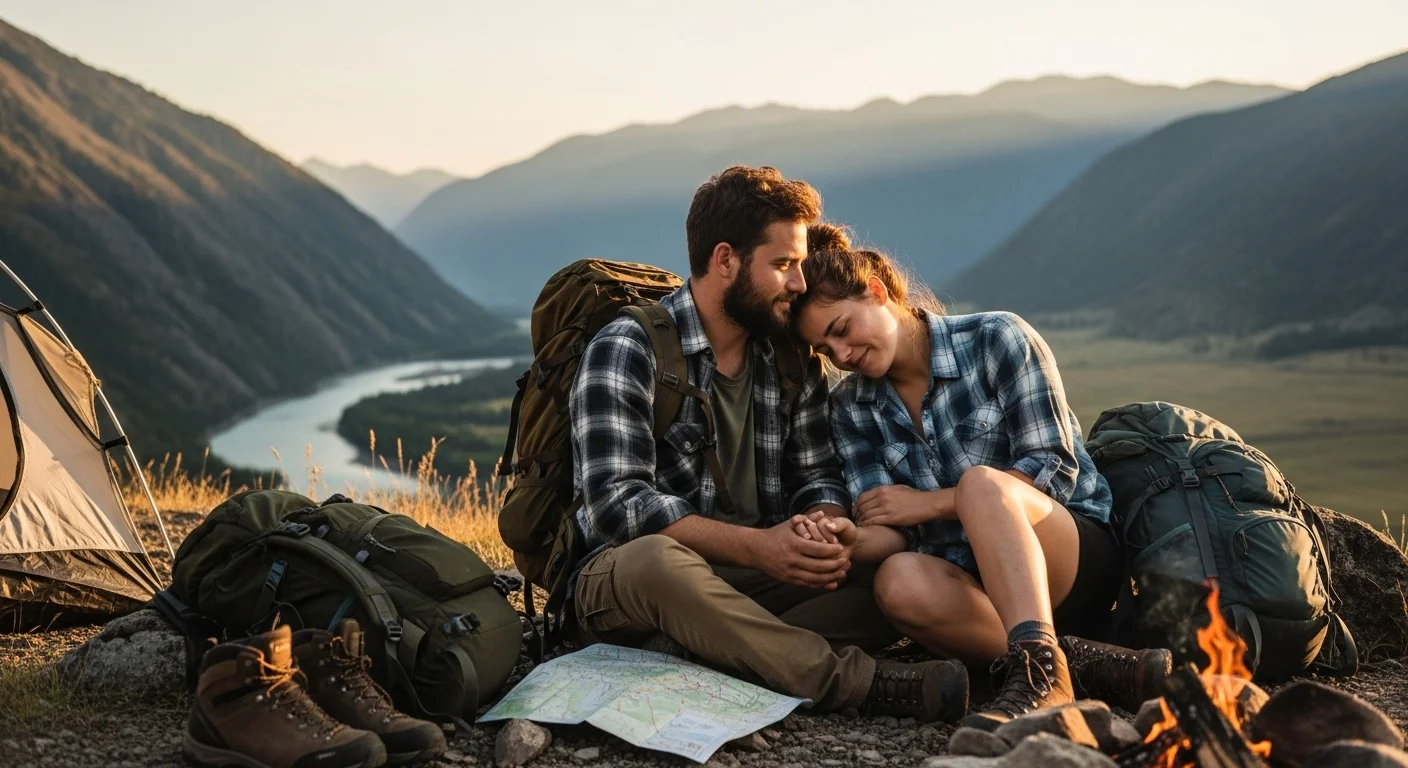
Understanding Emotional Bonding in Travel
The Importance of Connections While Backpacking
When I think back to my adventures backpacking across different countries, one thing stands out: the relationships I built along the way. Whether it was sharing a meal with locals or huddling around a campfire with fellow travelers, those moments of connection have shaped my experiences far beyond the landscapes I visited. Emotional bonding during travel creates a sense of belonging, allowing us to feel more deeply connected to the places we explore and the people we meet.
Having these connections can significantly enhance our overall travel experience. For me, it turns a simple journey into a rich tapestry of shared stories and laughter. I’ve found that when I traveled alone, I often felt like an outsider looking in, but when I made an effort to connect with others, my adventures became vibrant and memorable. It’s about building relationships that can lead to lifelong friendships or even just fleeting moments that leave a lasting impact.
How Travel Influences Emotional Well-being
Travel, at its core, is an emotional journey. I’ve noticed that stepping out of my comfort zone—whether it’s navigating a foreign city or trying local cuisine—can stir up a mix of excitement and anxiety. However, these feelings often lead to personal growth. Engaging with others during my travels has helped me develop coping skills and resilience. I remember one time in Thailand, I joined a group of travelers at a street food market. Sharing our experiences and indulging in delicious food together transformed my nervousness about being in an unfamiliar place into a sense of camaraderie and adventure.
Emotional bonding also boosts our mental health. Studies show that social connections can reduce stress and increase happiness. I can certainly attest to that! The laughter shared with new friends or the heartfelt conversations with locals have lifted my spirits during tough moments on the road. It’s like a reminder that we are all part of something bigger, and each connection enriches our travel experience. So, the next time you’re on a backpacking trip, take a moment to appreciate the people around you. They might be the highlight of your journey. Read Interesting article: Travel Tips: Supporting Your Baby’s Emotional Growth
Preparing for Your Backpacking Journey
Choosing the Right Backpacking Destination
As I plan my backpacking trips, I always consider how the destination can foster emotional connections. Some places are known for their welcoming cultures, while others might be more isolating. Think about what kind of experience you’re looking for. I’ve found that locations with a rich local culture often provide more opportunities for interaction. For instance, I cherished my time in Colombia, where the locals were incredibly warm and eager to share their traditions. Researching destinations that encourage community and connection can set the stage for meaningful experiences.
Travel Companions: Friends, Family, or Solo?
Deciding who to travel with is another vital step in preparing for a backpacking journey. I love traveling with friends or family because I believe shared experiences deepen bonds. However, I’ve also had incredible solo trips where I had the freedom to meet new people and forge connections that I might not have otherwise. If you’re traveling solo, be open to meeting fellow travelers. I often found that backpacker hostels are great places to strike up conversations and make new friends. In my experience, the choice between traveling with others or alone depends on what you hope to achieve emotionally from the trip.
Essential Gear for Emotional Comfort
While packing for my backpacking adventures, I never forget to include items that enhance my emotional comfort. A lightweight journal is a must for me; I love jotting down my thoughts and feelings as I navigate new places. It helps me document my journey while processing my experiences. I also pack comfort items like a cozy scarf or a favorite book. These little things make me feel more at home while I’m away. It’s amazing how familiar items can provide comfort in unfamiliar settings. When preparing for your trip, consider what makes you feel secure and happy, and bring those items along.
Building Connections on the Road
Engaging with Locals: Tips for Authentic Interactions
One of the most rewarding aspects of backpacking is the opportunity to engage with locals. I remember my first trip to Vietnam, where I learned that simply smiling and saying “hello” in the local language opened so many doors. It’s amazing how a small gesture can break down barriers. I recommend making an effort to learn a few basic phrases in the language of the country you’re visiting. Even if it’s just “thank you” or “where is…?” locals often appreciate the effort, and it can lead to more authentic interactions.
Another great way to connect is through shared activities. I’ve had the chance to join cooking classes, where I not only learned to make traditional dishes but also got to know the instructors and other participants. Sharing a meal cooked together creates a sense of camaraderie that goes beyond mere conversation. I also found that asking locals about their favorite places to eat or visit can lead to unexpected recommendations and deeper connections. When you show genuine interest in their culture, you often find that people are eager to share their stories with you. Read Interesting article: Cognitive Development Tips for Backpacking Parents
Joining Group Activities and Tours
One of my favorite ways to bond while traveling is by joining group activities or tours. These experiences often bring together like-minded travelers, and I’ve found that sharing the excitement of exploring a new place can lead to instant friendships. For instance, I took a guided hike in the mountains of Peru, and by the end of the day, my group and I were laughing like old friends. We had navigated challenges together, shared breathtaking views, and created memories that felt even more special because we experienced them side by side.
Whether it’s a group tour, a cooking class, or even a local dance lesson, these shared experiences create a platform for connection. I think it’s also important to approach these activities with an open mind and a willingness to engage. Many times, I’ve struck up conversations with fellow participants during breaks or meal times, and those moments have often turned into lasting connections. Plus, the excitement of a shared experience tends to spark conversations effortlessly!
Utilizing Social Media and Travel Apps
In today’s digital age, social media and travel apps can be fantastic tools for building connections. I’ve had some of my best travel experiences through platforms designed for travelers. For instance, I’ve used apps like Couchsurfing to find local hosts who are eager to share their culture and stories. Staying with someone from the area allows for deeper insights into their way of life, and often, we end up forming friendships that extend beyond the trip.
Social media can also be a great way to reach out to fellow travelers or locals before arriving in a new place. I often post in travel groups to ask for recommendations or even to see if anyone else is in the area at the same time. I remember posting about my upcoming trip to Greece and connecting with a fellow traveler who ended up joining me for a few days. We explored, shared meals, and created memories that I wouldn’t have if I had kept to myself. I think social media can amplify the connections we make while traveling, helping us meet others who share our interests.
Communicating Effectively While Traveling
Overcoming Language Barriers
Language barriers can often seem intimidating, but I’ve found that there are many ways to communicate effectively, even when you don’t speak the same language. When I traveled to Spain, I faced a few challenges, but I learned quickly that gestures, body language, and facial expressions can go a long way. I recall being lost in a small town and trying to ask for directions. I ended up pointing at my map and mimicking walking, and the locals were incredibly helpful despite the language gap.
Using translation apps can also be a lifesaver. I’ve downloaded apps that allow me to translate phrases on the go, which has made ordering food or asking for help much easier. Additionally, I’ve found that patience and a friendly demeanor can make a significant difference. Most people appreciate the effort you’re making to communicate, and it often leads to smiles and laughter, making the experience enjoyable for both sides.
Active Listening Skills
Being an active listener is just as important as speaking when it comes to building connections. I remember a time in Portugal when I met a local artist at a café. I made it a point to listen to her stories about her work and her life in the city. By showing genuine interest and asking follow-up questions, I could engage in a meaningful conversation that really enriched my experience.
Active listening also involves being present in the moment. When we put our phones down and focus on the person we’re talking to, it sends a message that we value their thoughts and experiences. I believe this simple practice can lead to deeper and more fulfilling connections while traveling.
Non-Verbal Communication Techniques
Sometimes, words aren’t necessary. I’ve often relied on non-verbal communication to connect with people, especially when language isn’t a barrier. Smiling, maintaining eye contact, and using hand gestures can communicate kindness and openness. I’ve had moments where a smile exchanged with a stranger led to a conversation, or a nod of appreciation opened up a dialogue. Simple actions can convey emotions and intentions, breaking down walls and fostering connections in surprising ways.
In my experience, embracing non-verbal cues can enhance our interactions while traveling. It reminds us that connection transcends language, and often, it’s the feelings we share that leave the most lasting impressions.
Creating Shared Experiences
Cooking Classes and Cultural Workshops
One of the most enjoyable ways to bond while traveling is through cooking classes and cultural workshops. I remember taking a cooking class in Italy, where we learned to make traditional pasta from scratch. The atmosphere was warm, filled with laughter and the delightful smell of fresh ingredients. As we chopped vegetables and kneaded dough, I connected with fellow participants from different corners of the world. We shared stories about our lives and our love for food, creating an experience that felt intimate and enriching.
These classes often provide insights into local culture and traditions, which deepens our understanding of the place we’re visiting. I find that cooking together can break down barriers and create a shared sense of accomplishment. Plus, there’s something inherently joyful about enjoying a meal you’ve prepared with newfound friends. It’s a celebration of culture and connection that brings people together effortlessly.
Participating in Local Festivals and Events
Local festivals and events offer a unique opportunity to immerse ourselves in the culture of a place while fostering connections. I’ve been fortunate enough to experience vibrant festivals, from the bustling markets in Thailand during Songkran to the colorful Carnival in Brazil. These events are often filled with music, dance, and local cuisine, allowing travelers to engage with the community in a festive atmosphere.
At these gatherings, I often find myself chatting with locals who are just as eager to share their traditions as I am to learn about them. I recall dancing in the streets of a small village in Portugal, surrounded by locals who welcomed me with open arms. The sense of belonging was palpable, and I felt like I was part of something much larger than myself. These experiences leave lasting impressions and often create friendships that transcend borders.
Volunteering Opportunities Abroad
Volunteering while traveling is another incredible way to bond with others while making a positive impact on the community. I’ve participated in various volunteer projects, from working with children in an orphanage in Guatemala to helping with environmental conservation in Costa Rica. These experiences not only allow us to give back but also provide a platform to connect with like-minded individuals who share our values.
Through volunteering, I’ve met people from diverse backgrounds, each with their own stories and motivations for being there. The shared goal of helping others fosters a sense of camaraderie that’s hard to replicate in traditional tourist settings. I remember working alongside locals to plant trees; our conversations flowed effortlessly as we discussed our hopes for the environment and the future. These genuine connections often lead to friendships that last long after the trip has ended.
Reflecting on Your Travel Experience
Keeping a Travel Journal
Journaling during my travels has been one of the most rewarding practices I’ve adopted. I love taking the time to reflect on my experiences, jotting down my thoughts, feelings, and the connections I’ve made along the way. It’s a space for me to process everything from the breathtaking landscapes to the moments of laughter shared with new friends.
Each entry becomes a snapshot of my journey, allowing me to revisit those emotions and memories long after I’ve returned home. I often find that writing helps me gain clarity and insight into my experiences. I recommend carrying a small notebook or using a travel app to document your adventures. It’s not just about the places you visit; it’s about the people you meet and the stories you collect.
Creating Photo Books or Scrapbooks
After returning from a trip, I love compiling my photos into a scrapbook or photo book. It’s a creative way to preserve memories and reflect on the connections I’ve made. I enjoy arranging photos alongside ticket stubs, maps, and notes from my travels. Crafting these books allows me to relive those moments and share them with others.
Each page tells a story, reminding me of the laughter, the friendships, and the experiences that shaped my journey. If you’re not into scrapbooking, there are many digital options available to create beautiful photo books that you can cherish forever. It’s a great way to keep those memories alive and relive the emotions associated with each adventure.
Sharing Stories with Friends and Family
Once I’m back home, I love sharing my travel stories with friends and family. I believe that recounting these experiences not only helps me process them but also allows others to feel a part of my journey. I often host get-togethers where I share photos, stories, and even cook a dish inspired by my travels. It’s a way to keep the memories alive and inspire others to embark on their adventures.
When I share my experiences, I can see the excitement in their eyes, and it reminds me of the bonds I created while traveling. Those conversations often spark curiosity and can lead to discussions about future trips or shared experiences. I think it’s important to keep that connection alive, allowing those travel memories to enrich our lives even after we return home.
Frequently Asked Questions
What is the significance of emotional bonding while backpacking?
Emotional bonding during travel creates a sense of belonging and allows travelers to feel more deeply connected to the places and people they encounter. These connections enhance the overall travel experience, turning a simple journey into a rich tapestry of shared stories and laughter.
How does travel influence emotional well-being?
Travel is an emotional journey that often involves stepping out of one’s comfort zone, leading to personal growth. Engaging with others can help develop coping skills and resilience, while social connections reduce stress and increase happiness, contributing positively to mental health.
What should I consider when choosing a backpacking destination?
When selecting a backpacking destination, consider how the location can foster emotional connections. Places known for warm cultures and community interactions often provide more opportunities for meaningful experiences.
Is it better to travel with companions or alone?
Whether to travel with friends, family, or solo depends on what you hope to achieve emotionally. Traveling with companions can deepen bonds, while solo trips can offer freedom to meet new people and form connections.
What essential gear can enhance emotional comfort while backpacking?
Packing items that enhance emotional comfort is important; this can include a lightweight journal for documenting experiences, comfort items like a cozy scarf, or a favorite book, which can provide a sense of security in unfamiliar settings.
How can I engage with locals while traveling?
Engaging with locals can be done through simple gestures like smiling and learning basic phrases in the local language. Participating in shared activities, such as cooking classes or asking for recommendations, can also lead to authentic interactions.
What are the benefits of joining group activities while traveling?
Joining group activities or tours can bring together like-minded travelers, fostering instant friendships. Shared experiences create a platform for connection and often lead to lasting memories and bonds.
How can social media and travel apps help in building connections?
Social media and travel apps like Couchsurfing can help travelers connect with locals and fellow travelers before arriving at a destination. These platforms can enhance travel experiences by facilitating recommendations and potential meet-ups.
What strategies can be used to overcome language barriers while traveling?
To overcome language barriers, travelers can use gestures, body language, and translation apps. Patience and a friendly demeanor also help in communicating effectively, often leading to enjoyable interactions despite the language gap.
Why is journaling important during travels?
Journaling during travels allows individuals to reflect on their experiences, document thoughts and feelings, and process the connections made along the way. It serves as a personal record of the journey, helping to revisit emotions and memories long after returning home.