
Traveling with children can be a joyful adventure, but for those dealing with childhood anxiety, it can also be quite challenging. Understanding how to manage this anxiety while backpacking can make all the difference. Read Interesting article: Top 10 Tips to Prevent Toddler Tantrums While Traveling
Understanding Childhood Anxiety in Travel
When I first started taking my kids backpacking, I was excited about the adventures waiting for us. However, it didn’t take long to realize that travel could trigger anxiety in my children. Understanding childhood anxiety is crucial for making our trips enjoyable, and it’s something I’ve learned through experience.
Common Triggers for Anxiety in Children
Every child is unique, but I noticed some common triggers that could set off anxiety during our travels. Changes in routine often left my kids feeling uneasy. From the moment we packed our bags, they sensed a departure from their normal surroundings, which can be unsettling. I also found that unfamiliar environments, such as different hotels or campsites, could heighten their worries. Even the excitement of new experiences sometimes led to anxiety, especially if they felt overwhelmed or unprepared.
For instance, I remember our first trip to the mountains. The vastness of the landscape and the sound of wildlife made my youngest feel small and isolated. I learned that discussing our plans in advance and preparing them for what to expect could help ease these feelings. It’s crucial to acknowledge that anxiety can stem from various sources, including fear of the unknown, uncertainty about safety, or even social anxiety when meeting new people. Read Interesting article: Decoding Tantrums: Your Essential Travel Survival Guide
The Impact of Travel on Children’s Mental Health
Traveling can be a double-edged sword for kids with anxiety. On one hand, it opens up a world of experiences that can enhance their mental health. Exposure to new cultures, environments, and activities can boost their confidence and resilience. I’ve seen my kids grow through travel, discovering not only the beauty of nature but also their own strengths. On the other hand, the stress of travel can exacerbate existing anxiety. The unpredictability of travel can lead to meltdowns or withdrawal, which is something I had to navigate carefully.
What I found helpful was to create a balance. We established a routine that included both adventure and downtime. I learned that integrating small moments of calm amidst our busy schedule could help ground my children, making the travel experience more enjoyable for everyone involved. Understanding this delicate balance was key in our journey as a family.
Pre-Trip Preparation
Preparing for our trips became an essential part of managing anxiety. I’ve learned that the more involved my kids were in the planning process, the more invested and excited they felt about the journey ahead.
Choosing the Right Destination
The first step in our preparation was selecting a destination that suited my children’s comfort levels. I realized that quieter places with nature trails and fewer crowds were more suitable for my anxious child than bustling cities. We often researched potential places together, looking at pictures and reading stories. It helped them feel a sense of control and anticipation rather than fear of the unknown.
Involving Children in Planning
Involving my kids in the planning process was a game-changer. We would sit down together and create a travel bucket list of activities they were excited about. I found that when they had a say in our itinerary, their anxiety levels decreased significantly. It was empowering for them to envision our adventures, whether it’s hiking, visiting a museum, or just relaxing by a lake. Their input made the trip feel like a shared adventure, rather than something I was imposing on them.
Creating a Visual Itinerary
To further ease their worries, I started making visual itineraries. I used pictures and simple drawings to map out our daily activities. Having a visual representation helped them know what to expect. I remember when we created a fun poster for our beach trip; my kids loved crossing off each activity as we completed them. This simple practice not only made it easier for them to cope with the day’s events but also gave them a sense of accomplishment.
Packing Essentials for Comfort
Packing essentials was another aspect of our pre-trip preparation that significantly helped manage anxiety. I learned to let my kids choose a few items that made them feel comfortable, like their favorite stuffed animal or a cozy blanket. These comfort items became anchors during our travels. On long bus rides or during unfamiliar hotel stays, having something familiar nearby reassured them. I also made sure to pack snacks and activities to keep them occupied, which lessened the chances of anxiety creeping in.
As I reflect on our journeys, I see how much planning and preparation can ease the strain of anxiety during travel. It’s about creating a sense of safety and excitement. In my experience, the more we prepared together, the more equipped my children felt to handle the ups and downs of backpacking adventures. This foundational work has transformed our trips from stressful challenges into enjoyable experiences filled with laughter and discovery.
Backpacking Tips for Reducing Anxiety
Maintaining a Routine While Traveling
One of the biggest lessons I learned while traveling with my kids is the importance of maintaining some semblance of a routine, even when we’re far from home. Kids thrive on predictability, and I found that keeping certain elements of our daily schedule helped ease their anxieties. For example, we made it a point to wake up and go to bed at similar times to what we did at home. This consistency provided a sense of normalcy in a world that often felt chaotic.
Also, incorporating familiar activities into our travels was beneficial. Whether it was having breakfast together before heading out for the day or setting aside time for reading or quiet play, these small routines worked wonders. I remember on a trip to a national park, we made it a tradition to have a morning meeting over pancakes. We would discuss our plans for the day, which not only gave my kids something to look forward to but also allowed them to express any concerns they had.
Setting Realistic Expectations
When it comes to travel, I discovered that setting realistic expectations is crucial for everyone’s enjoyment, especially for my children who struggle with anxiety. I learned quickly that trying to cram too many activities into one day often led to meltdowns. So, I started to plan our adventures with a balanced approach, mixing busy days with some downtime. Instead of hiking three trails in one day, we would explore one trail and then relax at a local café or park.
This method not only reduced stress but also allowed us to savor our experiences more. I remember one day when we visited a gorgeous beach. Instead of rushing to see everything, we spent the entire afternoon just relaxing on the sand, building sandcastles, and splashing in the waves. It was a simple day, but we all left feeling fulfilled and happy. Setting these kinds of expectations helped my kids feel more secure and less overwhelmed by the prospect of travel.
Incorporating Relaxation Techniques
Learning some relaxation techniques has been a game-changer for us. I found that simple practices, such as deep breathing exercises or stretching, could effectively ease anxiety during our travels. Before heading out for the day, we would take a few moments to breathe deeply together, inhaling through our noses and exhaling through our mouths. It became a calming ritual that helped us all start the day on a positive note.
Additionally, I introduced mindfulness moments. Whenever we found ourselves in potentially stressful situations, like waiting in long lines or navigating crowded areas, we would pause and take a moment to observe our surroundings. I encouraged my kids to notice the colors, sounds, and smells around us. This practice not only redirected their focus but also helped ground them in the present moment. I remember during a busy festival, we took a break to find a quiet corner. We sat together for a few minutes, focused on our breathing, and by the time we resumed our activities, my kids felt much more relaxed and ready to engage.
Using Comfort Items from Home
One of the easiest ways to ease anxiety during our travels has been incorporating comfort items from home. I noticed that having something familiar nearby made a world of difference for my kids. We made it a habit to pack their favorite toys, cozy blankets, or even family photos. These items became anchors for them during our trips. On particularly long travel days, I found that having their stuffed animals or a comforting book provided solace when everything felt overwhelming.
For example, on a long train ride, my youngest held onto her favorite stuffed bunny and spent time reading a book that reminded her of home. It was fascinating to see how a simple item could help her feel safe and calm in a new environment. I encourage other parents to let their children choose a few comfort items to bring along; it can be a powerful tool for managing anxiety while traveling.
As we continued our journey, I realized that these simple yet effective strategies gave my kids the confidence to navigate their feelings while we explored new places. By maintaining routines, setting realistic expectations, incorporating relaxation techniques, and utilizing comfort items, we transformed our travel experiences from potential sources of stress into opportunities for joy and connection.
Traveling with Anxiety: Practical Strategies
Recognizing Signs of Anxiety
One of the most important lessons I’ve learned while traveling with my kids is the need to recognize the signs of anxiety as they arise. Children may express their anxiety in various ways, and understanding these signs can help us respond effectively. I remember a time when my eldest started to cling to me more than usual, her smile fading and her voice becoming quieter. It was a clear indication that she was feeling overwhelmed, and I knew I needed to step in.
Some common signs of anxiety in children can include restlessness, crying, irritability, or even physical symptoms like stomachaches. I found that when I paid close attention, I could often spot these signs before they escalated into a full-blown meltdown. Acknowledging their feelings and validating their emotions—the idea that it’s okay to feel scared or anxious—was crucial. I would say things like, “I can see you’re feeling worried right now. Let’s take a moment to breathe together.” This approach not only made them feel understood but also gave them a sense of security.
Communication Techniques for Kids
Effective communication has been a game-changer for us. I realized that how I spoke to my kids about our travel plans could significantly impact their anxiety levels. Instead of overwhelming them with too much information, I learned to share details in a way that felt manageable. For instance, I would break down our day into small, digestible parts. I found that using simple language and visuals helped my kids grasp what to expect, reducing their anxiety about the unknown.
Additionally, I encouraged open dialogue. I would often ask them how they felt about specific activities or places we were visiting. This practice not only helped me understand their fears but also empowered them to express themselves more freely. I remember during a particularly busy museum visit, my son expressed his discomfort with the crowds. We took a break outside, where I reassured him that it was okay to take a step back. It was a learning moment for both of us on the importance of listening and adapting to each other’s needs.
Engaging in Mindfulness Activities
Mindfulness has become an essential tool in our travel toolkit. I discovered that engaging in mindfulness activities could help my kids manage their anxiety and stay present in the moment. One technique we adopted was the “Five Senses” exercise. Whenever we found ourselves feeling anxious or rushed, I would ask them to take a deep breath and identify five things they could see, four they could touch, three they could hear, two they could smell, and one they could taste.
This simple practice transformed our experiences, especially during stressful situations like long waits or crowded places. I remember sitting in a busy airport, surrounded by noise and people. Instead of letting anxiety take over, we engaged in this exercise together. Suddenly, my kids were focused on the colors of the walls, the feel of their chairs, and even the scent of the coffee nearby. It not only calmed them down but also helped us bond as we shared little discoveries about our surroundings.
Establishing ‘Safe Spaces’ During Travel
Creating ‘safe spaces’ has been another effective strategy for managing anxiety on the road. I realized that having a designated area where my kids could retreat to whenever they felt overwhelmed made a significant difference. These spaces didn’t have to be elaborate; sometimes, it was as simple as finding a quiet corner in a park or a cozy nook in our hotel room.
During our trips, I encouraged my kids to identify places where they felt comfortable. When we traveled to a new city, we would scout out spots that felt calm and inviting. I remember during one of our hikes, we found a little clearing with a stunning view. We made it our go-to ‘safe space’—a place to unwind, chat about our feelings, or simply enjoy the scenery. Establishing these zones gave my kids the freedom to express themselves and regroup when things felt too chaotic, reinforcing the idea that it’s okay to need space when feeling anxious.
As I reflect on these strategies, I’m grateful for the growth they’ve brought to our family. By recognizing signs of anxiety, fostering open communication, engaging in mindfulness, and creating safe spaces, we’ve built a toolkit of comfort that prepares us for our adventures. It’s been a journey of discovery, not just for my kids but for me as well, as we navigate the ups and downs of traveling together.
Activities to Distract and Engage
Interactive Games and Apps for Kids
Finding ways to keep my kids engaged during travel has been a lifesaver. I discovered that interactive games and apps can be both fun and educational, helping to distract them from any anxiety they might be feeling. Before our trips, I would download a few kid-friendly apps that catered to their interests, whether it was puzzles, drawing, or even learning about the places we were visiting. I remember during a particularly long flight, my kids were glued to an interactive map app that let them explore our destination before we arrived. It not only kept them entertained but also built excitement about our adventure.
We also played classic travel games like “I Spy” or “20 Questions” to pass the time. These games encouraged teamwork and laughter, creating a positive atmosphere. I noticed that when their minds were engaged in these fun activities, their anxiety levels decreased significantly. It was a win-win situation that made traveling much more enjoyable for all of us.
Nature and Outdoor Activities
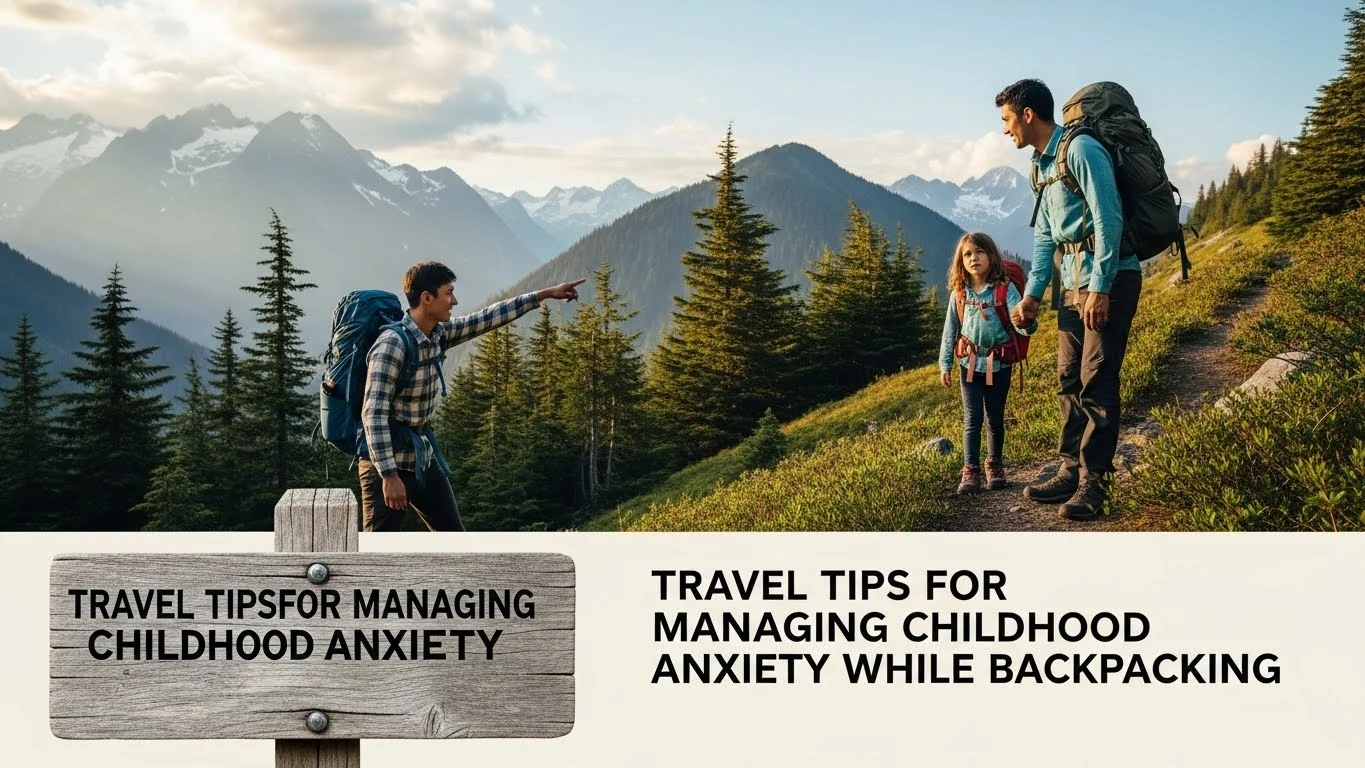
One of the best parts of traveling is the opportunity to explore the great outdoors. I found that nature itself can be incredibly therapeutic for kids dealing with anxiety. Whether we were hiking, biking, or simply walking through a park, being in nature helped my children connect with their surroundings and ground themselves. I remember our hike through a serene forest where we identified different plants and animals. The fresh air, the sounds of rustling leaves, and the sights of beautiful landscapes worked wonders for their mood.
We also made it a point to incorporate physical activities into our travels. Swimming in the ocean, climbing rocks, or even playing tag in an open field not only kept them active but also provided a healthy outlet for any pent-up energy or anxiety. Engaging in these outdoor activities became a cherished part of our trips, allowing my kids to explore without feeling overwhelmed.
Involving Kids in Local Culture
Another way to make travel less daunting and more exciting is by immersing my children in the local culture. I learned that when they felt connected to the places we visited, their anxiety often diminished. On our trips, we would visit local markets, try new foods, or participate in cultural festivals. For instance, I remember a fantastic experience at a local fair where my kids got to learn traditional dances and even try their hand at crafting with local artisans. They were so fascinated that they forgot about their anxieties and fully embraced the experience.
Additionally, encouraging my children to interact with locals helped them feel more comfortable in unfamiliar environments. I noticed that simple conversations, whether it was asking for directions or trying out a few phrases in the local language, built their confidence. It turned travel into an enriching experience rather than a stressful one, allowing them to appreciate the diversity of the world around us.
Managing Anxiety on the Road
Handling Unexpected Changes or Challenges
No matter how well we plan, unexpected changes can and do happen while traveling. I found that teaching my kids to adapt to these surprises was crucial for managing anxiety. When we faced delays, missed connections, or changes in our itinerary, I made it a point to stay calm and reassure them. For example, during one trip, our flight was delayed, and instead of panicking, I suggested we explore the airport together. We found a cozy little café, sat down, and enjoyed some snacks while discussing how we could make the most of our extra time. This approach helped my kids understand that while changes can be frustrating, they can also lead to new adventures.
When to Seek Professional Help
There were moments during our travels that made me realize that some levels of anxiety might need additional support. I believe it’s important for parents to recognize when professional help might be necessary. If my children’s anxiety seemed more persistent or intense than usual, I didn’t hesitate to consult a pediatrician or a child psychologist before our trips. They provided me with valuable resources and tools to better support my kids. I learned that there’s no shame in seeking help; it’s all part of ensuring our children feel safe and understood.
Emergency Contacts and Local Resources
Having a plan in case of emergencies has also been a critical part of our travel preparation. I’ve made it a habit to research local resources, such as hospitals or mental health services, in the areas we visit. I also keep a list of emergency contacts handy, both for my family and local authorities. This preparation gave me peace of mind, knowing that we had support if needed. I’ve taught my kids about these resources too, so they know where to turn if they ever feel overwhelmed during our travels. This approach empowered them, knowing they had a plan in place for any situation.
Final Thoughts
Traveling with children who experience anxiety is undoubtedly a journey filled with challenges and rewards. Through our experiences, I’ve learned that with understanding, preparation, and the right strategies, we can transform potential stress into joyful adventures. Embracing the unpredictability of travel while reinforcing routines, engaging in mindfulness, and cherishing those comfort items have made our trips more enjoyable. I look back on our travels with gratitude, knowing we’ve grown closer as a family while exploring the world around us. Together, we’ve built a toolkit that equips us to navigate not just travel, but life’s uncertainties with confidence and resilience.
Frequently Asked Questions
What are common triggers for anxiety in children while traveling?
Common triggers for anxiety in children during travel include changes in routine, unfamiliar environments, and the excitement of new experiences that may feel overwhelming or unprepared. Fear of the unknown, uncertainty about safety, and social anxiety when meeting new people can also contribute to their anxiety.
How can travel impact children’s mental health?
Traveling can enhance children’s mental health by exposing them to new cultures and environments, boosting their confidence and resilience. However, it can also exacerbate existing anxiety due to the unpredictability of travel, leading to meltdowns or withdrawal.
What strategies can help reduce anxiety during travel?
Some effective strategies for reducing anxiety during travel include maintaining routines, setting realistic expectations, incorporating relaxation techniques, and using comfort items from home. Establishing a balance between adventure and downtime is also crucial.
How can parents prepare children for a trip to manage anxiety?
Parents can prepare children for a trip by involving them in the planning process, choosing suitable destinations, creating visual itineraries, and packing comfort items. Engaging children in research and planning can help them feel more in control and excited about the journey.
What role does maintaining a routine play in reducing anxiety for children while traveling?
Maintaining a routine while traveling provides predictability for children, which can help ease their anxieties. Keeping certain elements of their daily schedule, such as waking up and going to bed at similar times, contributes to a sense of normalcy in chaotic travel environments.
How can mindfulness activities be beneficial for children during travel?
Mindfulness activities, such as deep breathing exercises and the “Five Senses” exercise, can help children manage anxiety by redirecting their focus and grounding them in the present moment. These practices can be particularly useful in stressful situations, like waiting in lines or being in crowded areas.
What are ‘safe spaces’ and how can they help with anxiety during travel?
‘Safe spaces’ are designated areas where children can retreat when feeling overwhelmed. These spaces can be simple, such as a quiet corner in a park or a cozy nook in a hotel room. Having a safe space allows children to express themselves and regroup when they feel anxious.
How can engaging with local culture reduce anxiety for children while traveling?
Engaging with local culture can help children connect with the places they visit, reducing their anxiety. Participating in local activities, trying new foods, and interacting with locals can build their confidence and turn travel into a more enriching experience.
When should parents consider seeking professional help for their children’s anxiety while traveling?
Parents should consider seeking professional help if their children’s anxiety seems more persistent or intense than usual. Consulting a pediatrician or child psychologist can provide valuable resources and tools for better supporting anxious children during travel.
What preparations can help parents manage emergencies related to anxiety during travel?
Parents can manage emergencies related to anxiety during travel by researching local resources, such as hospitals or mental health services, and keeping a list of emergency contacts. Teaching children about these resources empowers them to know where to turn if they feel overwhelmed.