
Traveling with kids opens up a world of adventure, but it also presents a unique opportunity to teach them essential social skills. Here’s how we can make the most of our journeys while helping our little ones connect with others. Read Interesting article: Travel Tips: Engaging Play-Based Learning for Kids
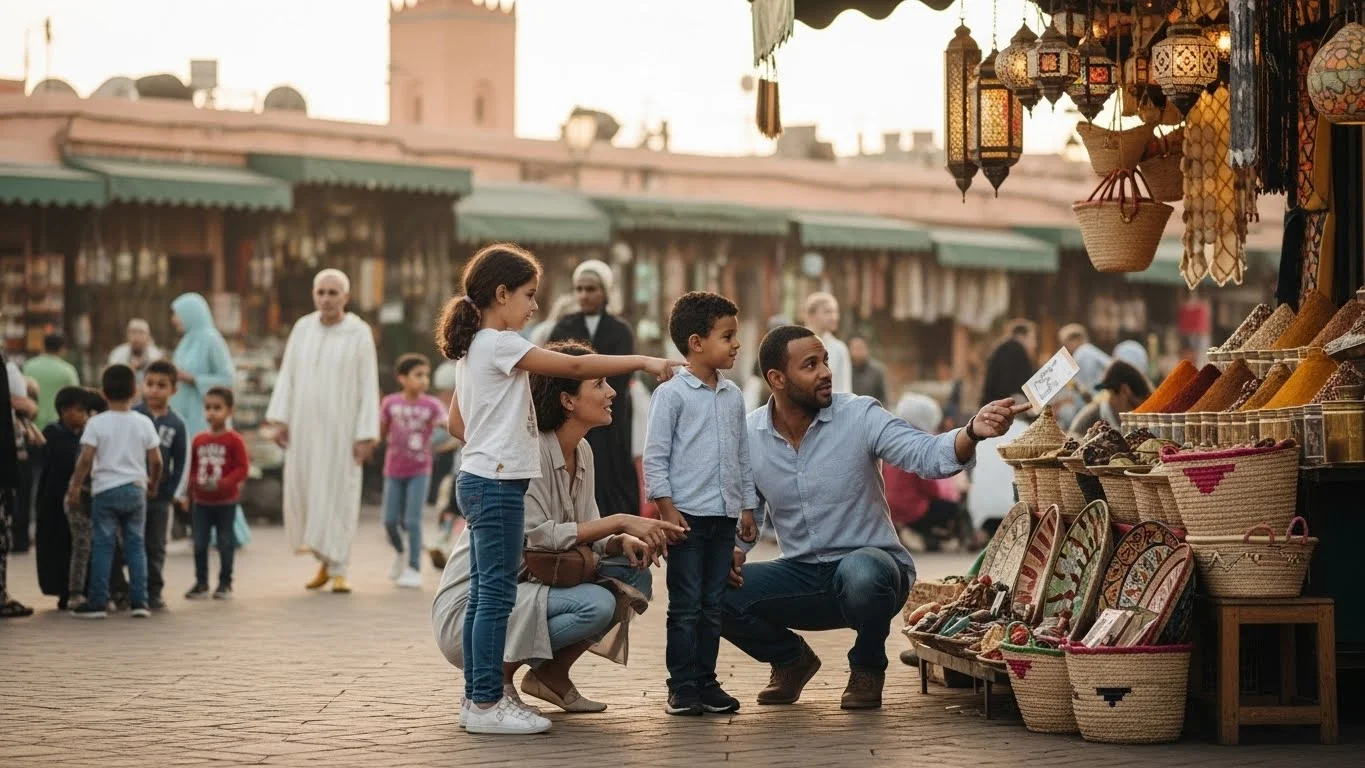
Why Teaching Social Skills During Travel is Important
When I think about the times my family traveled, I realize how much those experiences shaped my children’s social skills. Teaching kids social skills during travel is not just about etiquette; it’s about creating memories and fostering their ability to connect with the world around them. Traveling introduces children to diverse cultures, new friends, and various social situations that can help them navigate real-life interactions better.
The Benefits of Travel for Kids
Travel is an incredible teacher. I’ve seen firsthand how it encourages curiosity, adaptability, and resilience in my kids. Whether it’s navigating through an airport or trying new foods, these experiences teach them to be flexible and open-minded. Traveling also broadens their understanding of different lifestyles, which can deepen their empathy and appreciation for others. I remember how my daughter struck up a conversation with a child from a different country during a family trip. It was heartwarming to see them bond over their shared love for a particular toy, despite the language barrier.
How Travel Enhances Social Interaction
Every trip comes with opportunities for social interaction. Airports, hotels, and tourist attractions are filled with families from diverse backgrounds. I’ve noticed that when my kids are exposed to different environments, they become more confident in approaching other children. These moments teach them how to introduce themselves, ask questions, and engage in conversations. For example, during our last trip, my son learned to approach a group of kids at a playground. He was initially nervous, but with a little encouragement, he joined their game and made new friends in no time. It was a proud moment for me as a parent, witnessing him step out of his comfort zone.
Preparation Before the Trip
Before we embark on a journey, I always take the time to prepare my kids for what to expect. Preparation can make a world of difference in how they handle social situations once we’re on the go. Read Interesting article: Budget Backpacking with Kids: Fun Play Learning Ideas
Choosing Family-Friendly Destinations
When selecting our travel destinations, I look for family-friendly places that promote interaction among kids. Parks, museums, and family resorts are excellent choices. I remember one trip where we went to a themed amusement park, which offered plenty of opportunities for my kids to meet others their age. The attractions encouraged them to engage with other children, sparking conversations and shared laughter. Researching destinations where kids can connect with peers ensures they have ample chances to practice social skills.
Setting Travel Goals for Social Skill Development
Before our trips, I like to set specific goals for my kids regarding social skills. One time, I told my children, “This trip is a chance to make at least one new friend.” We discussed what that might look like and how they could approach someone new. Involving them in this process makes them feel empowered and accountable for their social interactions. They begin to see travel not just as an adventure but as a way to grow and learn.
Discussing Expectations and Boundaries
Having an open conversation about expectations and boundaries is crucial. I always remind my kids about personal space and the importance of respecting others’ feelings. For instance, I tell them that if someone seems shy or uninterested, it’s okay to step back and give them space. This was particularly valuable during our travels in crowded places, where personal boundaries can sometimes be overlooked. By discussing these topics beforehand, I find my kids are more mindful and considerate when interacting with others.
Engaging Activities to Foster Social Skills
Once we’re on the road, I like to incorporate activities that encourage my kids to practice their social skills in a fun and engaging way.
Group Games and Icebreakers
During our travels, I’ve noticed that group games are a fantastic way to break the ice. Whether we’re waiting for a flight or sitting in a restaurant, we play games like “20 Questions” or “I Spy.” These games not only entertain but also prompt kids to talk to one another and share their thoughts. The laughter and conversations that stem from these games create a relaxed atmosphere where friendships can blossom.
Volunteer Opportunities at Destinations
We also seek out volunteer opportunities during our travels. This can be as simple as participating in a beach clean-up or visiting a local animal shelter. I love how these experiences teach my kids empathy while connecting them with others who have similar values. Last summer, we volunteered at a community garden, and it was amazing to see my kids engage with other families who were also there to help. They learned about teamwork and the joy of giving back, which naturally led to friendships.
Encouraging Conversations with Locals
When we visit new places, I encourage my children to talk to locals. I teach them simple phrases in the local language or fun facts about the place we’re visiting. I remember one time in Italy when my son struck up a conversation with a gelato vendor. They chatted about flavors, and my son even tried ordering in Italian. It was a delightful moment that made him feel proud and confident. These interactions allow my kids to practice social skills while immersing themselves in different cultures. Read Interesting article: Explore Montessori Method: Backpacking with Kids on a Budget
Strategies for Navigating Social Situations
When we’re traveling, there are countless social situations that arise, and I’ve found that having some strategies in place can really help my kids navigate these moments with confidence. I’ve learned that it’s not just about the experiences themselves, but also about how we prepare our kids to handle them.
How to Introduce Yourself and Others
One of the first social skills I encourage my children to practice is introducing themselves and others. I remember a time when we were at a family reunion, and my son was hesitant to approach his cousins. I took a moment to role-play with him, showing him how to confidently say, “Hi, I’m Jake! What’s your name?” We practiced a few times, and when he finally approached his cousins, I could see the excitement mixed with nervousness in his eyes. But he did it! He introduced himself and even introduced his sister, which made me feel so proud. Teaching kids how to introduce themselves and others builds their confidence and helps them feel more comfortable in new social settings.
Practicing Active Listening Skills
Active listening is another essential skill I make sure to emphasize during our travels. I explain to my kids that listening is just as important as speaking when it comes to conversations. We often practice this by playing a game where one person shares a story, and the other has to repeat back what they heard. This not only helps them develop their listening skills but also teaches them how to respond thoughtfully. I recall a moment during a guided tour where my daughter was so engaged in what our tour guide was saying. Afterward, she excitedly shared her favorite part, showing how well she had listened and processed the information. It was a clear reminder that being a good listener can open doors to deeper conversations and connections.
Understanding Non-Verbal Communication
Traveling also presents the perfect opportunity to talk about non-verbal communication. I often point out how body language, facial expressions, and even tone of voice can convey so much meaning. For instance, while visiting a local market, I noticed how the vendors interacted with customers using smiles and gestures. I encouraged my kids to observe these interactions and discuss what they saw. We practiced our own non-verbal cues by acting out different scenarios. I feel that this understanding helps my children read the room better, which is crucial in making new friends or navigating social situations. Recognizing that not everything is said with words can enhance their social awareness immensely.
Making Friends on the Road
Making new friends while traveling can be one of the most rewarding experiences for my kids. I’ve found a few strategies that have worked wonders in helping them connect with others, no matter where we are.
Finding Playgroups or Family Meetups
Whenever we travel, I try to look for local playgroups or family meetups. Websites like Meetup or local community boards often list events that are family-friendly. During one of our trips to the beach, I discovered a local parent group organizing a playdate at a park. We joined in, and it was fantastic! My kids made friends with kids from different backgrounds while playing games and sharing snacks. This experience not only allowed them to practice their social skills but also gave them a sense of belonging, even far from home. I strongly recommend keeping an eye out for these gatherings, as they can lead to lasting friendships and enriching experiences.
Using Technology to Connect with Other Families
In today’s digital age, technology can be a great ally for making connections while traveling. I sometimes use social media groups or apps designed for traveling families to find other parents in the area. I remember during a trip to a national park, I posted in a family travel group online, asking if anyone wanted to join us for a hike. We ended up meeting another family with kids of similar ages! The kids quickly bonded over their mutual love for adventure, and we all had a fabulous time exploring together. Utilizing technology not only helps find friends but can also ease some of the anxiety that comes with meeting new people, knowing there are others out there looking for the same connection.
Dining Out: A Social Skills Opportunity
Dining out while traveling can feel like a simple necessity, but I’ve come to realize that it’s also a fantastic opportunity for my kids to practice social skills in a real-world setting.
Table Manners and Etiquette
We always emphasize table manners and etiquette when we dine out. I believe that respecting others in a shared space is a crucial social skill. Before we sit down for a meal, I remind my kids about the importance of saying “please” and “thank you” and waiting for everyone to be served before starting to eat. On one of our trips to a restaurant in a foreign country, I saw my kids practicing their manners, and it filled my heart with pride. They not only impressed the servers but also made a great impression on the other diners. It’s in these moments that I see how they’re internalizing the lessons we’ve discussed, which reinforces their understanding of social interactions.
Ordering Food: Building Confidence in Communication
Another way we build their communication confidence is by involving them in the ordering process. I encourage my kids to look at the menu and choose what they want to eat, and then ask the waiter for their meal. I remember the first time my daughter ordered her meal in a different language. She was nervous but excited, and when she successfully communicated her order, her face lit up with pride. It’s moments like these that help them overcome shyness and build their confidence in speaking with adults, which is so important as they continue to grow.
Handling Conflicts and Difficult Situations
Traveling is not always smooth sailing; there can be bumps along the way. I’ve learned that teaching my kids how to handle conflicts and difficult situations while traveling is just as important as socializing with new friends.
Role-Playing Scenarios Before the Trip
Before we head out, I often set aside some time to role-play different scenarios that might come up during our travels. I remember one family trip where I anticipated my kids might get frustrated in a crowded airport. So, we acted out a situation where they had to wait in line for a long time. I played the role of an impatient traveler, and they practiced how to express their feelings calmly and seek help if needed. This practice helped them feel more prepared, and it was reassuring to see them use those techniques when we actually faced a similar situation. They learned to breathe, stay calm, and communicate effectively, which made a world of difference in how they managed their emotions in real-life situations.
Teaching Conflict Resolution Techniques
When conflicts arise, I emphasize the importance of problem-solving and negotiation skills. I teach my kids to express their feelings and listen to others when disagreements happen. For instance, during a recent trip, my son and daughter had a disagreement over which game to play in the hotel room. I encouraged them to talk through their feelings and find a solution together. We brainstormed ideas, and they eventually agreed to take turns. It was a proud moment for me to see them using their conflict resolution skills rather than resorting to frustration. They learned that it’s okay to disagree, but it’s how you handle those disagreements that counts.
Reflecting on the Experience
After each travel adventure, I like to take time to reflect on what we experienced as a family. I believe this reflection is crucial for reinforcing the lessons learned along the way.
Debriefing After Each Day
Each evening, we gather to talk about our day. I ask my kids open-ended questions about what they learned, who they met, and how they felt during different experiences. This reflection helps them process their emotions and solidify their social skills. I remember during our trip to a national park, we had an engaging conversation about the different people we encountered. My daughter shared how she felt comfortable talking to a family from another state, while my son expressed his nerves about trying to join a group of kids playing soccer. These discussions not only boost their confidence but also help us connect as a family. We celebrate their wins and discuss what they might do differently next time, creating a safe space for them to grow.
Encouraging Journaling and Sharing Experiences
I also encourage my kids to keep a travel journal where they can write about their encounters and feelings. I find that this practice allows them to express themselves creatively and reflect on their social interactions. They can jot down memorable conversations, friendships they made, or even challenges they faced. During one trip, my son wrote about a new friend he made at a playground, detailing their shared interests. When we got home, he enjoyed sharing those journal entries with friends and family, which helped reinforce his excitement and connection to the experiences we had. Journaling not only fosters their writing skills but also teaches them the valuable lesson of reflection and appreciation for their journey.
Additional Resources for Parents
As we navigate the world of travel and social skills, I’ve discovered some fantastic resources that can support us in this journey.
Books and Guides on Social Skills for Kids
There are some great books available that focus on teaching social skills to children. I’ve found that reading these together can spark discussions and provide relatable scenarios. One of my favorites is “How to Win Friends and Influence People for Teen Girls,” which offers practical advice in a kid-friendly way. I also recommend “The Social Skills Guide for Teens,” which is specifically designed for older kids. These books provide insights on communication, empathy, and friendship building, perfect for reinforcing what we practice during our travels.
Websites and Online Communities
Exploring websites and online communities dedicated to parenting and social skills can also be incredibly helpful. Websites like Common Sense Media provide resources on emotional intelligence and social skills development. Additionally, forums on platforms like Reddit or Facebook can connect us with other parents facing similar challenges. These communities often share tips and personal experiences, which can inspire new ideas for teaching our kids about social interactions while traveling. I’ve personally learned so much from fellow parents who’ve been in the same boat, and it’s comforting to know we’re not alone in this journey.
Frequently Asked Questions
Why is teaching social skills during travel important for kids?
Teaching social skills during travel is important because it helps children create memories and fosters their ability to connect with the world around them. Travel introduces kids to diverse cultures and social situations, enhancing their real-life interaction skills.
What are the benefits of travel for kids?
Travel encourages curiosity, adaptability, and resilience in children. It helps them navigate new environments, broadens their understanding of different lifestyles, and deepens their empathy and appreciation for others.
How can parents prepare their kids for social interactions before a trip?
Parents can prepare their kids by discussing expectations, setting social skill development goals, and teaching them about personal space and respecting others’ feelings. This preparation helps children handle social situations better during travel.
What activities can parents incorporate to foster social skills while traveling?
Parents can incorporate group games, volunteer opportunities, and encourage conversations with locals. These activities provide fun ways for kids to practice their social skills and connect with others.
How can children practice active listening skills while traveling?
Children can practice active listening skills by playing games where one shares a story, and the other has to repeat back what they heard. This reinforces their ability to listen attentively and respond thoughtfully during conversations.
What strategies can help kids make friends while traveling?
Kids can make friends by finding local playgroups, participating in family meetups, and using technology to connect with other families. These strategies provide opportunities for social interaction in a friendly setting.
How can dining out serve as an opportunity to practice social skills?
Dining out allows kids to practice table manners and etiquette, such as saying “please” and “thank you.” Involving them in the ordering process also builds their confidence in communication with adults.
What techniques can help children handle conflicts and difficult situations while traveling?
Role-playing different scenarios before the trip and teaching conflict resolution techniques can help children manage conflicts. Practicing how to express feelings and negotiate can prepare them for real-life situations.
Why is reflection important after a travel experience?
Reflection is important because it helps children process their experiences, solidify their social skills, and boosts their confidence. Debriefing and journaling about their encounters encourage appreciation for their journey.
What additional resources can parents use to support their kids’ social skills development?
Parents can utilize books and guides focused on social skills for kids, as well as websites and online communities dedicated to parenting and social skills. These resources provide valuable insights and tips for effective teaching.