
Traveling with toddlers is a unique adventure that opens up a world of opportunities for their growth. Backpacking not only allows us to explore new places but also fosters our little ones’ physical development in exciting ways. For parents looking for additional insights, check out Top Budget Destinations to Enhance Your Toddler’s Gross Motor Skills.
Understanding Toddler Development While Traveling
When I first started backpacking with my toddler, I quickly realized how essential movement is for their development. Toddlers are naturally curious and energetic, and travel provides the perfect backdrop for them to explore and learn through physical activity. Their little bodies are designed to move, and each step they take contributes to their physical and cognitive growth. I believe that understanding this aspect of toddler development is crucial for parents planning a trip.
The Importance of Physical Activity for Toddlers
Physical activity is vital for toddlers, as it helps them develop strength, coordination, and balance. I remember watching my little one joyfully run up a hill during a hike, laughing as they stumbled but quickly got back up. It was a moment that reinforced how important it is for them to be active. Engaging in varied physical activities, from running to climbing, supports muscle and bone development, which is critical at this age. For more tips on how to enhance gross motor skills while traveling, consider reading Backpacking with Toddlers: Boost Gross Motor Skills on the Go.
Additionally, these activities enhance their motor skills, which are key for daily tasks as they grow. I found that when we took breaks during our backpacking trips, allowing my toddler time to explore their surroundings and climb over rocks or logs, they not only enjoyed themselves but also developed their motor skills in a fun and organic way. It’s amazing how nature can be the best playground!
How Travel Influences Developmental Milestones
Traveling also plays a significant role in helping toddlers reach their developmental milestones. Each new environment offers new challenges and learning experiences. For instance, I noticed my child’s social skills improving as they interacted with other children at parks and campsites. This interaction is vital for their emotional development and builds their confidence.
Moreover, the different terrains we encountered while backpacking introduced new physical challenges. My toddler learned to navigate uneven ground, which improved their balance and coordination. I found that these experiences made them more aware of their bodies and how to control their movements, a skill that was useful even when we returned home.
Every hike, every climb, and every new playground we visited contributed to their development in ways I hadn’t anticipated. It showed me that travel isn’t just about seeing new sights but also about personal growth and learning.
It’s important to remember that each child develops at their own pace. What’s crucial is providing them with opportunities to explore and engage in physical activities suitable for their age. In my experience, even short walks or gentle hikes can provide toddlers with the necessary stimulation to thrive physically and mentally.
As we plan our trips, I always keep in mind the balance of activities. I want my child to have a mix of structured play and unstructured exploration. This balance is essential because while I want them to enjoy the wonders of nature, I also want to ensure they have the physical outlets they need.
Incorporating play into our travels has been a game-changer. I often pack a small ball or a frisbee so my toddler can run around during breaks. Seeing them kick the ball or throw it in excitement is one of my favorite parts of our trips. It’s an easy way to ensure they are staying active while also enjoying their surroundings.
Ultimately, it’s all about making the most of every opportunity to move while we travel. I encourage other parents to think creatively about physical activities when planning trips. Whether it’s stopping at a local park or allowing time for free play at a campsite, every bit counts toward our toddlers’ development.
Preparing for Your Backpacking Trip
Choosing the Right Destination for Toddlers
Choosing the right destination is a crucial first step in preparing for a backpacking trip with toddlers. I remember when we were planning our first adventure, I felt overwhelmed with options. It was essential to find a place that would not only be enjoyable for us as adults but also safe and engaging for my little one. We decided on a location with gentle trails and plenty of opportunities for exploration. This made all the difference!
When selecting a destination, consider the accessibility of trails and the availability of family-friendly amenities. National and state parks often have designated areas perfect for families. I found that places with shorter, well-marked trails helped keep our pace manageable. We could stop and take breaks whenever needed, allowing my toddler to explore without feeling rushed. I think this flexibility is key when traveling with little ones, as it lets them enjoy the journey just as much as the destination.
Essential Gear for Backpacking with a Toddler
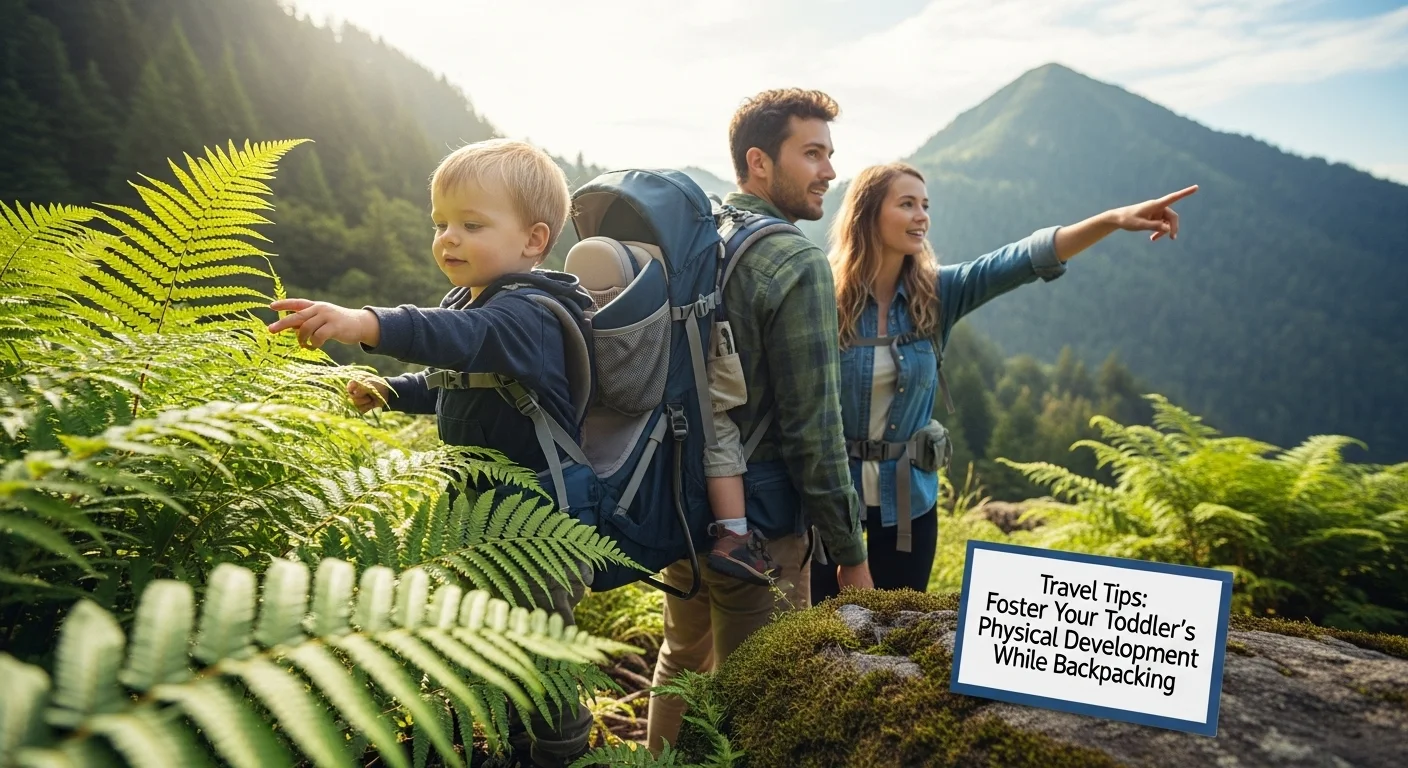
Equipping ourselves with the right gear was a game-changer for our backpacking experiences. I quickly learned that comfort and convenience are paramount when traveling with toddlers. A good-quality child carrier became our best friend. I opted for one that had ample padding and support, which made long hikes much more enjoyable for both of us. I remember the day we hiked to a beautiful viewpoint, and my toddler fell asleep comfortably in the carrier while I took in the stunning scenery.
In addition to the carrier, I recommend packing lightweight, weather-appropriate clothing for your child. Layering is essential; it allows you to adjust easily to changing temperatures throughout the day. I also found that bringing a small first-aid kit, sunscreen, and insect repellent helped us feel prepared for almost anything. And, of course, don’t forget to pack some favorite toys or books for downtime, as these can be lifesavers when you need to keep your little one entertained.
Health and Safety Considerations
Health and safety should always be at the forefront of our minds when traveling with toddlers. I learned this the hard way during one of our early trips when my child had a mild allergic reaction to something we encountered. It was a wake-up call for me to always be prepared. Before heading out, I recommend checking for any health advisories or potential hazards in the area you plan to visit.
Staying up to date on vaccinations is also important. I made sure we had all the necessary vaccinations before embarking on our trips. Additionally, I keep a list of emergency contacts and nearby medical facilities handy, just in case. I also found that teaching my toddler basic safety rules, like staying close and looking both ways before crossing paths, helped us enjoy our adventures with peace of mind.
Planning a Family-Friendly Itinerary
Creating a family-friendly itinerary is another essential step in our travel preparations. I learned from experience that flexibility is key. While it’s tempting to fill our schedule with a packed list of activities, I found that toddlers thrive with a balance of planned events and free play. I typically planned a few key activities for each day, like a visit to a local park or a short hike, but left plenty of time for spontaneous exploration.
During one trip, we had planned to visit a famous landmark, but my toddler was more interested in chasing butterflies in a nearby meadow. Instead of insisting we stick to our itinerary, I embraced the moment, and it turned out to be one of our most memorable experiences. Allowing for these unscripted moments not only enriches the trip but also provides opportunities for our toddlers to learn and grow in different ways.
Incorporating downtime into our itinerary is just as important. My toddler often needs a nap or some quiet time to recharge, so I made sure to schedule in breaks at the hotel or campsite. This balance helps prevent meltdowns and keeps everyone happy. After all, a well-rested toddler is a much more adventurous one!
Activities to Foster Physical Development
Nature Walks and Hiking Trails
One of my favorite ways to get my toddler moving while exploring new places is through nature walks and hiking trails. There’s something incredibly invigorating about being surrounded by nature, and I noticed that my little one loves it just as much. We often look for trails that are short and manageable, allowing my toddler to lead the way at their own pace. I think it’s important to let them feel like they are in control, as it builds their confidence and encourages them to engage with their environment.
During our hikes, I try to make it interactive. We play games like “I Spy” to keep them engaged, pointing out different plants, animals, or even interesting rocks along the way. I remember one hike where we stumbled upon a family of deer. The excitement in my toddler’s eyes was priceless! It turned into a lesson on wildlife, and I felt grateful for such moments that foster an appreciation for nature while encouraging physical activity.
Interactive Playgrounds and Parks
After a long day of hiking, we often find ourselves at a local park or playground. These places are wonderful for letting toddlers run free and explore various equipment. Climbing structures, swings, and slides provide fantastic opportunities for physical development. I recall a time when my toddler mastered the slide after some initial hesitation. The joy on their face was contagious, and it reminded me that every small victory is a step toward building their physical abilities.
Additionally, I always make it a point to join in on the fun. Whether it’s climbing up the jungle gym or giving them a push on the swing, it’s a great way for us to bond while promoting active play. I’ve discovered that my involvement not only keeps them motivated but also makes the experience more enjoyable for both of us. Plus, it serves as a wonderful reminder that being active can be fun, no matter our age!
Swimming Opportunities and Water Play
During our travels, if we’re near a lake or beach, swimming becomes a key part of our itinerary. Water play is another fantastic way to develop physical skills and gain confidence. I remember taking my toddler to a calm lake where they could splash around safely. They were hesitant at first, but with a little encouragement and some floaties, they soon were kicking and splashing without a care in the world. It was incredible to see them conquer their fear, and it made for some unforgettable moments.
Swimming helps improve coordination and strength, and it’s often easier for toddlers to move in water than on land. I also find that it’s a great way to cool off after a day of hiking. We typically bring along some beach toys, like buckets and shovels, which not only keep my toddler entertained but also promote creative play. There’s something magical about watching them build sandcastles or collect shells—each activity boosts their motor skills while they are having a blast.
Engaging in Local Sports and Games
Whenever we travel, I make a point to explore local parks and facilities that offer sports or recreational activities suitable for toddlers. I’ve found that many areas provide opportunities for kids to engage in games like soccer, frisbee, or even simple tag. I remember discovering a community playground that had a small soccer field, and my toddler was eager to join in with some local kids. It was heartwarming to see them make new friends and learn about teamwork through play.
Introducing toddlers to new sports or games can help develop their social skills and physical coordination. Even if it’s just kicking a ball around or throwing a frisbee back and forth, these activities create an enjoyable way for them to stay active. Plus, it gives them a chance to learn about rules and fair play, which are valuable lessons at this stage. I believe that these experiences not only contribute to their physical development but also foster a sense of community and belonging.
Ultimately, incorporating a variety of activities into our travels has been crucial in supporting my toddler’s physical development. Each adventure, whether it’s a hike, a visit to a playground, a splash in the water, or participating in local games, contributes to their growth. I encourage other parents to consider how they can incorporate fun and engaging experiences into their trips, helping their little ones thrive while exploring the world around them.
Nutrition and Hydration on the Go
Healthy Snacks for Backpacking
Nutrition plays a crucial role in keeping our toddlers active and happy while we’re on the move. I remember our first backpacking trip when I made the mistake of packing snacks that were quick but not particularly healthy. My little one experienced a sugar crash, leading to a cranky afternoon. After learning from that experience, I decided it was essential to bring along healthy snacks that would provide sustained energy throughout our adventures.
I typically pack a variety of snacks such as sliced fruits, whole grain crackers, nuts (if there are no allergy concerns), and veggies like baby carrots or cucumber sticks. I also love including nut butter packets; they’re easy to carry and can be enjoyed with fruits or crackers. I’ve found that these nutritious options not only keep my toddler fueled but also help to create better eating habits while traveling.
Involving my toddler in the snack selection process has also been a fun way to get them excited about healthy eating. They enjoy choosing their favorites, and it creates an opportunity for us to discuss the benefits of different foods. This approach turns snack time into a little adventure of its own!
Staying Hydrated While Traveling
Hydration is just as important as nutrition. I’ve always made it a priority to ensure my toddler drinks plenty of water while we explore. When backpacking, I find that bringing a reusable water bottle is essential. I like to choose one that’s lightweight and easy for my toddler to handle. There’s something empowering about letting them take charge of their own hydration.
To make drinking water more fun, I often add slices of fruits like lemons or berries for a little flavor. It’s amazing how such a simple addition can make them excited about drinking water! During our hikes, I make it a point to take regular breaks for water, reminding my toddler that staying hydrated is crucial for having fun and staying energized.
Local Cuisine: Introducing New Foods
One of the joys of traveling is exploring local cuisine, and I’ve found it to be an exciting way to introduce new foods to my toddler. I remember visiting a farmers’ market during one of our trips, and my little one was thrilled to try fresh fruits and vegetables they had never tasted before. It sparked their curiosity and opened conversations about different cultures and foods.
When planning meals, I try to incorporate local specialties into our diet. It’s a wonderful way for my toddler to learn about the places we visit. I love encouraging them to choose one new dish to try at each meal. This approach not only expands their palate but also makes mealtime an adventure! Plus, it gives us plenty to talk about and share at the end of each day.
Encouraging Exploration and Curiosity
Incorporating Educational Experiences
Traveling with toddlers provides a fantastic opportunity to incorporate educational experiences into our adventures. Whenever we visit a new area, I try to include visits to local museums or historical sites that offer family-friendly activities. I remember taking my toddler to a science museum where they could engage with hands-on exhibits. Their eyes lit up with curiosity, and it became a wonderful learning experience.
Making these visits interactive helps keep my toddler engaged. I often ask questions or encourage them to share what they think about what they see. I’ve noticed that this not only fosters their curiosity but also improves their ability to communicate and express themselves.
Hands-on Activities with Nature
Nature itself is a fantastic classroom. I love to create hands-on learning experiences during our hikes by encouraging my toddler to observe and interact with their surroundings. We often collect leaves, rocks, or even small flowers to examine later. This practice turns a simple walk into a fun science lesson!
We also enjoy activities like scavenger hunts, where I create a list of items for my toddler to find along the trail, such as specific plants, animals, or colors. This not only enhances their observation skills but also keeps them actively engaged during our explorations.
Encouraging Free Play and Imagination
One of the best things about traveling is the chance for free play. I’ve learned to give my toddler plenty of opportunities to explore and use their imagination. Whether it’s letting them roam around a park or encouraging them to build a fort with sticks and leaves, these moments cultivate creativity and independence.
I often step back and observe how they interact with their environment. I’m amazed at the imaginative games they come up with, from pretending to be animals to creating stories about their discoveries. Allowing time for unstructured play helps them learn vital skills like problem-solving and cooperation.
Managing Challenges While Traveling
Dealing with Fatigue and Overstimulation
Traveling with toddlers can sometimes lead to fatigue and overstimulation, especially after a long day of activities. I’ve faced moments when my little one simply needed to unwind. I’ve learned to recognize the signs of tiredness and plan for downtime. Whether it’s a quiet moment in the shade or some time back at our accommodation, these breaks make a world of difference.
I find that creating a calm environment during these times helps my toddler recharge. Bringing along a favorite stuffed animal or blanket can provide comfort. We often read a book together or listen to soft music during these breaks, helping to soothe any overactive energy.
Keeping Toddlers Engaged During Downtime
When we have downtime, I always look for creative ways to keep my toddler engaged. I pack a small bag of travel-friendly activities, like coloring books, puzzles, or simple games. I remember a rainy day during one of our trips when we were stuck in our tent. We turned that challenge into fun by having an indoor picnic and playing games. It turned out to be one of the most memorable parts of our trip!
Handling Travel Sickness and Emergencies
Traveling can sometimes come with unexpected challenges, like motion sickness or minor injuries. I always pack a small first-aid kit and some basic medications to be prepared. I learned this the hard way after my toddler experienced a mild headache during a long car ride. Now, I’m always ready for anything, and it gives me peace of mind.
Post-Trip Reflections on Development
Assessing Growth and Learning from the Trip
After returning from our adventures, I love to reflect on how much my toddler has grown and learned during the trip. I often sit down with them to talk about their favorite moments, what they discovered, and how they felt during our travels. This practice not only reinforces their learning but also strengthens our bond as we share those experiences together.
Continuing Physical Activities at Home
One of the best parts of traveling is bringing back the excitement of physical activity into our daily lives. I’ve found that incorporating elements from our trips into our routine helps maintain that adventurous spirit. We’ve started creating our mini-adventures at home, whether it’s a backyard obstacle course or nature scavenger hunts in our local park.
Sharing Experiences: Reinforcing Learning and Memories
Finally, I’ve found that sharing our travel experiences with family and friends reinforces everything my toddler learned during our adventures. We often create a scrapbook or a photo album to document our trips. This not only keeps the memories alive but also provides an opportunity for my toddler to express what they enjoyed and learned during our travels.
Final Thoughts
Traveling with toddlers has been one of the most rewarding experiences of my life. It allows us to grow together, explore new worlds, and create lasting memories. Every trip, every hike, and every new experience contributes to their development in ways I cherish. Embracing the challenges and joys of traveling with little ones has taught me that these moments are valuable for their growth and our bond. I encourage every parent to embark on this journey, embracing the adventure with open arms. It’s not always easy, but the rewards are immeasurable.
Frequently Asked Questions
What are the benefits of traveling with toddlers?
Traveling with toddlers opens up opportunities for their physical and cognitive growth through exploration and movement. It allows them to engage in physical activities that enhance strength, coordination, and balance.
How does physical activity contribute to toddler development?
Physical activity is vital for toddlers as it supports muscle and bone development, enhances motor skills, and contributes to overall physical and cognitive growth. Activities like hiking, climbing, and playing help toddlers develop strength and balance.
What should parents consider when choosing a travel destination for toddlers?
Parents should look for destinations with gentle trails, family-friendly amenities, and accessibility. It’s important to select locations that allow for exploration and have manageable pacing, enabling toddlers to enjoy the journey as much as the destination.
What essential gear should be packed for backpacking with toddlers?
Essential gear includes a good-quality child carrier, lightweight weather-appropriate clothing, a small first-aid kit, sunscreen, insect repellent, and favorite toys or books to keep toddlers entertained during downtime.
How can parents ensure their toddlers stay hydrated while traveling?
Parents should bring a reusable water bottle for their toddler and encourage regular water breaks. Adding slices of fruit to the water can make it more appealing and exciting for toddlers to drink.
What types of activities can help foster physical development during travel?
Activities such as nature walks, hiking, playing at interactive playgrounds, swimming, and engaging in local sports or games provide fantastic opportunities for toddlers to stay active and develop physically.
How can parents incorporate educational experiences into their travels with toddlers?
Parents can include visits to local museums or historical sites with family-friendly activities, engage in hands-on nature activities, and encourage exploration and curiosity by asking questions and fostering discussions about their surroundings.
What strategies can help manage fatigue and overstimulation in toddlers while traveling?
Recognizing signs of tiredness and planning for downtime is essential. Creating a calm environment with familiar items, like a favorite stuffed animal, and incorporating quiet activities can help toddlers recharge during travel.
How can parents involve toddlers in healthy eating while on trips?
Parents can pack healthy snacks like fruits, whole grain crackers, and veggies, and involve toddlers in the snack selection process. This makes healthy eating exciting and helps develop better eating habits.
What should parents do after returning from a trip to assess their toddler’s growth?
After a trip, parents can reflect on their toddler’s experiences by discussing favorite moments and discoveries, creating a scrapbook or photo album, and incorporating elements of the trip into their daily routine to maintain the adventurous spirit.