
Traveling with a little one can be overwhelming, especially when it’s time to introduce solids. But fear not! With the right tips, you can make this transition smooth and enjoyable for both you and your little backpacker. Read Interesting article: How to Travel Stress-Free While Pregnant on a Budget
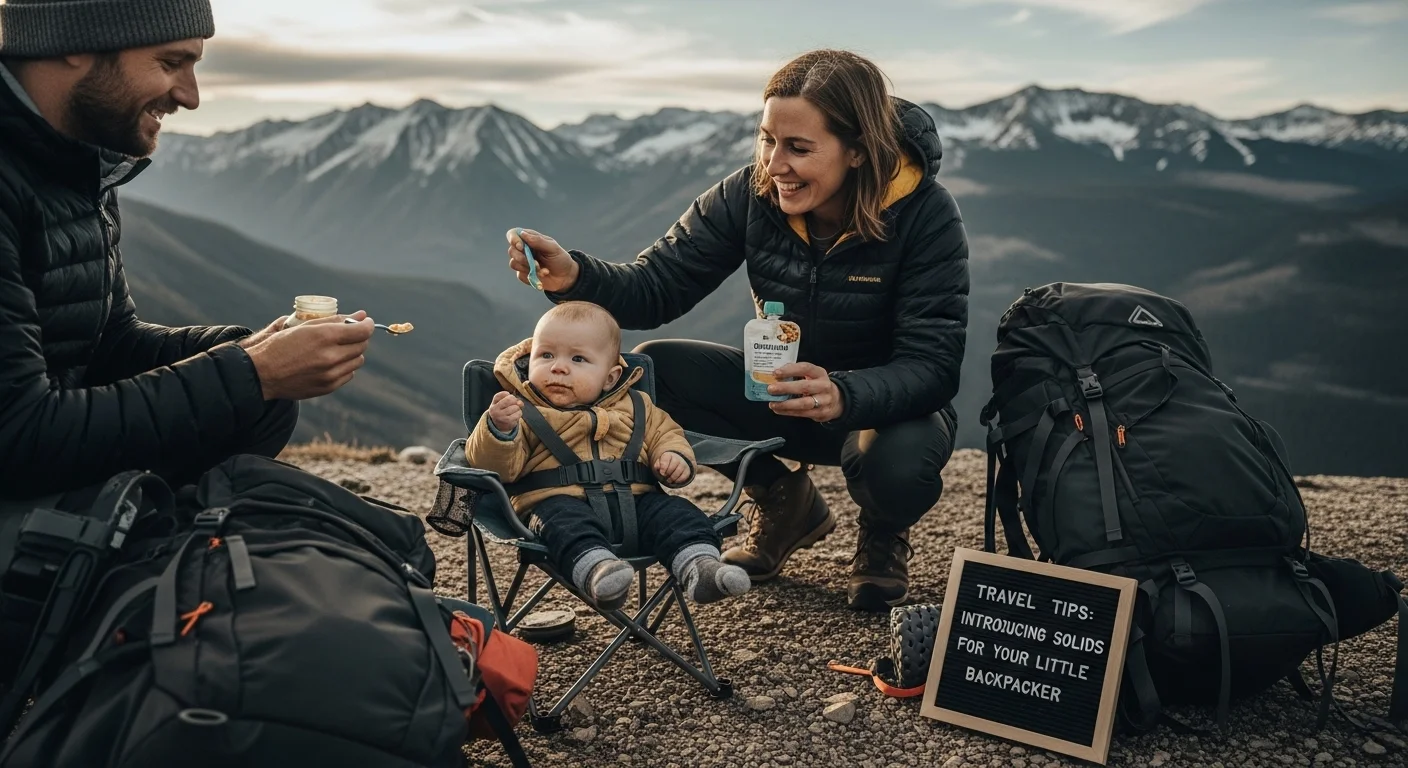
Understanding the Transition to Solids
What Are Solids?
When I first heard the term “solids,” I thought it sounded a bit intimidating. But really, it just refers to the first few non-liquid foods that we can introduce to our babies. Typically, this happens around six months old, when babies begin to develop the skills needed to handle more textured foods. These solids can range from pureed fruits and vegetables to small, soft pieces of food that they can gum or chew. I remember the excitement of watching my baby try their first bite of mashed bananas—it was a messy but delightful experience!
Why Introduce Solids While Traveling?
Traveling can be the perfect opportunity to introduce solids. For me, the thought of feeding my little one their first solid food in a new place added excitement to our journey. Introducing solids while on the road helps them adapt to new tastes and textures, broadening their palate and making mealtimes more fun. Plus, it gives you a chance to share local flavors with your little explorer, creating lasting memories. I found that sharing a bite of my delicious avocado toast with my baby while overlooking a stunning view made the experience even more special.
Benefits of Early Introduction to Solids
There are numerous benefits to introducing solids during travel. For starters, it can help your baby develop better eating habits and preferences as they are exposed to a variety of foods. I noticed that my child became more adventurous with food after trying different local cuisines while we traveled. It also fosters independence; as they learn to self-feed, it gives them a sense of accomplishment. I was amazed at how proud my little one felt when they managed to pick up a piece of steamed carrot all by themselves! Additionally, introducing solids can help with nutritional balance, ensuring that they get the necessary vitamins and minerals to support their growth, even while on the go. Read Interesting article: Essential Posture Techniques for Pregnant Travelers
Preparing for the Journey
Choosing the Right Time to Start Solids
Timing is everything, right? Before setting off on our adventures, I made sure to choose the right moment to introduce solids. I waited until my baby showed signs of readiness—like sitting up with support, showing interest in food, and losing the tongue-thrust reflex. I found it easier to start solids when we were settled in one location, rather than in the middle of an airport or on a bumpy bus ride. It’s all about making your little one feel comfortable and secure.
Consulting with Pediatricians
One of the best decisions I made before starting this journey was consulting with our pediatrician. They provided valuable insights on what foods to start with and how to recognize allergies. I felt reassured knowing I had professional guidance, especially when it came to navigating potential allergies. I learned that some foods, like peanuts or eggs, may be introduced earlier than previously thought, which allowed us to explore more diverse options.
Traveling with Baby Food: Homemade vs. Store-Bought
When it came to baby food, I faced a dilemma: should I make my own or buy pre-packaged? I tried my hand at making homemade baby food for a while, blending fresh fruits and veggies, but I quickly realized that store-bought options provided convenience during our travels. I found that grabbing organic, ready-to-go pouches made it easier to feed my baby on the move. However, I still kept some homemade options in my bag for special moments—like when we had access to a kitchen. It was all about balance for me.
Travel-Friendly Solid Foods
Best First Foods for Traveling
As I began to explore solid food options for my little one, I discovered some fantastic first foods that are travel-friendly. I often packed bananas, avocados, and sweet potatoes, as they are not only nutritious but also easy to mash and serve. I loved how versatile they were! For instance, I could easily blend the sweet potato with some breast milk for a smoother consistency or give my baby soft chunks to explore. Pears and apples were also favorites—easy to pack and always a hit!
Portable Snack Options
Snacks are essential when traveling with a little one. I found that small, portable snacks were a lifesaver during long journeys. Things like rice cakes, puffed snacks, and small pieces of cheese worked wonders. I loved packing homemade oat bars for a nutritious option. Not only were they filling, but my baby also enjoyed the chewy texture, and they were a great way to keep them satisfied between meals!
Nutritious Options for Different Age Groups
As my baby grew, I learned to adapt our food choices to meet their developmental needs. For younger babies, pureed foods worked best, but as they reached around 8-9 months, I began introducing small, soft pieces of food. I found that things like steamed veggies, small pasta, and soft fruits were perfect for this stage. For older toddlers, I made it a point to pack healthy, bite-sized meals that they could eat independently. I believe this gradual introduction helped my little one develop their motor skills and confidence in eating.
Feeding Essentials for Your Little Backpacker
Must-Have Feeding Gear
When it comes to feeding our little ones while traveling, I quickly realized that having the right gear can make a world of difference. I remember packing my diaper bag and thinking about all the essentials I’d need. First and foremost, a good portable high chair or travel booster seat is a game changer. I found a lightweight, foldable booster that strapped onto regular chairs, making it easy to set up anywhere we went. It provided my baby with a secure spot to eat, and I felt more relaxed knowing they wouldn’t be trying to climb out of their seat!
Another essential is a spill-proof snack container. I often used it for keeping little snacks like puffs or cut-up fruit. It’s amazing how many times that container saved us from messy accidents in the car or on a plane. I also recommend a good bib—preferably a silicone one that’s easy to clean. My favorite had a pocket at the bottom to catch any spills, which was incredibly helpful during our many mealtime adventures.
Travel-Friendly High Chairs and Booster Seats
If you’re like me and enjoy dining out while traveling, you’ll want to consider travel-friendly high chairs. While many restaurants provide high chairs, they aren’t always the best quality or the most sanitary. I found that bringing a portable high chair was worth the extra luggage space. The one I chose was lightweight and could attach to a regular chair, making it perfect for restaurants or even picnics in the park. It gave my baby a familiar spot to enjoy their meals.
There were times when we stayed in rental homes or places without high chairs, and having our own allowed us to maintain a sense of consistency for our little one. Plus, it’s a great conversation starter with other parents, who often asked where I got it. I felt like I was spreading the word about all these nifty tools we discovered while traveling!
Essential Feeding Accessories (Spoons, Bibs, Containers)
Along with the main gear, I found that having the right feeding accessories was crucial for smooth mealtimes. I invested in some soft-tipped spoons, which were gentle on my baby’s gums while they were learning to feed themselves. I also kept a few reusable containers handy for packing homemade meals or snacks. These containers were perfect for portioning out food for our day trips, and I felt good knowing they were eco-friendly too.
When we were out and about, I made sure to bring along a set of bibs. I preferred the waterproof kind that could easily be wiped down after meals. They saved us from countless laundry loads and made clean-up a breeze. I remember one particularly messy lunch where my baby decided to wear half of their avocado instead of eating it. Thankfully, that bib kept the mess contained, and we were able to enjoy our meal without too much fuss.
Managing Mealtimes on the Go
Finding Family-Friendly Restaurants
One of the joys of traveling is trying new foods, but I learned that finding family-friendly restaurants can be a challenge. I often used apps and websites to search for places that catered to families. I remember one day in a new city when we stumbled upon a cafe specifically designed for families—complete with a play area! It was a relief to know my little one could safely play while we enjoyed our meal. When searching for restaurants, I looked for places that offered high chairs, kid-friendly menus, and a relaxed atmosphere.
Another great tip I discovered was to ask locals for recommendations. They often know hidden gems that may not be listed online, and you might find some incredible spots that cater to families. Plus, it’s a fun way to interact with people and learn about their culture through food!
How to Handle Different Cuisines
Traveling means encountering a variety of cuisines, and I found it important to adapt our meals to suit my baby’s palate. I learned to look for softer textures and avoid overly spicy foods during our travels. For example, I loved exploring Asian cuisine, but I made sure to ask for dishes without added spices. Many restaurants were happy to accommodate our needs, and I often ended up with delicious steamed vegetables or plain rice that my little one could enjoy.
It was also a fun opportunity to introduce my baby to new flavors! I remember my little one’s face lighting up when trying ripe mango for the first time while in Southeast Asia. It felt amazing to be able to share these experiences and broaden their taste buds, even while being mindful of what they can handle.
Tips for Feeding Toddlers in Public Places
Feeding toddlers in public can be a bit daunting, but I found that with a little planning, it can be a breeze. First, I made sure to always have a stash of snacks on hand—something to keep my little one satisfied while waiting for our meals. I also learned to stay calm and flexible. If my baby decided they weren’t hungry at that moment, I would simply offer them their favorite snack instead, knowing that they would eat when they were ready.
Another tip I picked up was to choose restaurants with outdoor seating. It provided a more relaxed atmosphere and allowed my baby to move around a bit if they wanted to. Plus, it was easier to clean up any messes! With a bit of patience and creativity, I discovered that mealtime could be an enjoyable experience, no matter where we were.
Dealing with Allergies and Dietary Restrictions
Identifying Common Allergens
One of the biggest concerns I had while introducing solids to my little one was the possibility of food allergies. I remember feeling overwhelmed at the thought of navigating this while we were traveling. Through research and conversations with our pediatrician, I learned about the most common allergens, including milk, eggs, peanuts, tree nuts, fish, shellfish, soy, and wheat. I realized how crucial it was to introduce these foods one at a time and monitor for any reactions. In my experience, patience was key. I would wait a few days between introducing new foods to ensure my baby was adjusting well without any adverse reactions. This process helped me feel more confident, especially when we were in unfamiliar places.
Communicating Dietary Needs While Traveling
Traveling to new countries means encountering different culinary practices, and I found it essential to communicate our dietary needs clearly. While dining out, I would often explain my baby’s allergies or dietary restrictions to the staff. I discovered that many restaurants were accommodating and willing to help. I made it a habit to learn a few key phrases in the local language, like “no nuts” or “dairy-free,” which made a big difference in ensuring my little one’s safety. It also opened up conversations with locals, who were often eager to share their cuisine knowledge. I remember one evening in Italy when the chef himself came out to talk to us about the ingredients in the pasta sauce, and it felt reassuring to know my baby would be safe while trying something new.
Safe Eating Practices for Allergic Children
When it came to feeding my baby in public places, I adopted certain practices to keep mealtime safe and enjoyable. I always carried my own snacks or homemade baby food when we went out, just in case I couldn’t find anything suitable. It was comforting to know I had a backup plan! Additionally, I learned to wipe down surfaces before placing my baby in a high chair or booster seat, ensuring there were no lingering allergens from previous diners. I also brought along a small first aid kit with antihistamines just in case, which provided me with extra peace of mind. Through these measures, I felt empowered to navigate our travels without the constant worry of allergens derailing our adventures.
Maintaining a Healthy Diet While Traveling
Incorporating Fruits and Vegetables
Throughout our travels, I found it important to keep my baby’s diet balanced and healthy. I loved incorporating fruits and vegetables into our meals, and I discovered that they could be just as easy to find on the go. Fresh fruit stands became my go-to when exploring new cities. I remember stopping at a vibrant market in Spain, where I picked up ripe peaches and juicy strawberries. They not only made for nutritious snacks but were also a fun way for my little one to explore different flavors. I would often squish fruits into my baby’s food to mix things up or offer them as finger foods to encourage self-feeding.
Hydration: Importance for Young Travelers
Keeping my baby hydrated while traveling was another priority. I learned that even if we were in cooler climates, babies can still become dehydrated. I always made sure to have plenty of water or breast milk available, especially during long outings. I found that using a sippy cup was a great way to introduce my baby to drinking on their own. I remember one particularly hot day at the beach when I kept refilling the cup with water, and my baby loved sipping it while playing in the sand. It was essential for me to keep track of their hydration, as it helped maintain their energy levels and overall mood.
Keeping Meals Balanced on the Road
Maintaining a balanced diet on the road sometimes felt challenging, but I learned to make it work by being creative with our meals. I often combined different food groups to ensure my baby was getting a variety of nutrients. For instance, I would mix quinoa with steamed veggies and shredded chicken for a wholesome meal. I also discovered that many hotels offer breakfast options, and I could grab yogurt, fruit, and oats to create a mini buffet for my little one. It was fun to experiment and find new combinations, and I felt satisfied knowing I was providing nutritious meals even while traveling.
Tips for Stress-Free Mealtime Preparation
Batch Cooking and Freezing for Travel
Prior to our trips, I found batch cooking to be a lifesaver. I would spend a day preparing various baby food purees and freezing them in small portions. This not only saved time during our travels but also ensured I had familiar food for my little one. I remember filling ice cube trays with purees and then transferring them to reusable bags for easy packing. It felt great to have homemade meals on hand, and I loved knowing exactly what my baby was eating. During our travels, I would just thaw a portion each night for the next day, making mealtime effortless.
Utilizing Local Markets for Fresh Ingredients
One of the joys of traveling for me was exploring local markets. I often made it a point to visit these markets to pick up fresh ingredients. Not only did it allow us to support local vendors, but it also gave me the opportunity to introduce my baby to fresh, seasonal foods. I remember picking up fresh basil and tomatoes in a bustling market in Thailand and using them to whip up a simple pasta for dinner. It was a beautiful experience to connect with the culture while ensuring my little one had healthy options.
Adapting to Unfamiliar Cooking Facilities
Sometimes, traveling meant staying in accommodations with limited cooking facilities. I learned to adapt by using whatever kitchen gadgets were available. A simple pot and a stovetop could work wonders, and I would often prepare quick meals like scrambled eggs or steamed veggies. I also became a pro at one-pot meals. I found that being flexible and resourceful made cooking easier, even in unfamiliar kitchens. There were times when I didn’t have a blender, so I relied on a fork and a little elbow grease to mash foods for my baby. I learned that with a little creativity, I could still provide nutritious meals no matter where we were.
Frequently Asked Questions
What are solids in the context of baby food?
Solids refer to the first few non-liquid foods introduced to babies, typically around six months old. These can include pureed fruits and vegetables to small, soft pieces of food that babies can gum or chew.
Why is traveling a good time to introduce solids?
Traveling can be an exciting opportunity to introduce solids as it helps babies adapt to new tastes and textures, broadening their palate and making mealtimes more enjoyable. Sharing local flavors can create lasting memories for both the parent and the child.
What are some benefits of introducing solids while traveling?
Introducing solids during travel can help babies develop better eating habits, foster independence through self-feeding, and ensure they receive necessary vitamins and minerals for growth, even while on the go.
How do I know when to start introducing solids?
It’s best to start introducing solids when your baby shows signs of readiness, such as sitting up with support, showing interest in food, and losing the tongue-thrust reflex. Choosing a time when you are settled can help your baby feel comfortable.
Should I consult a pediatrician before introducing solids?
Yes, consulting with a pediatrician is recommended as they can provide valuable insights on what foods to start with and how to identify allergies, ensuring a safe introduction to solids.
What are some travel-friendly first foods for babies?
Travel-friendly first foods include bananas, avocados, and sweet potatoes as they are nutritious, easy to mash, and serve. Pears and apples are also great options as they are easy to pack.
What feeding gear is essential for traveling with a baby?
Essential feeding gear includes a portable high chair or travel booster seat, spill-proof snack containers, and easy-to-clean bibs. These items can help make mealtime more convenient and less messy.
How can I find family-friendly restaurants while traveling?
To find family-friendly restaurants, use apps and websites that cater to families, ask locals for recommendations, and look for places with high chairs and kid-friendly menus.
What practices should I follow to manage food allergies while traveling?
Identify common allergens and introduce new foods one at a time while monitoring for reactions. Communicate dietary needs clearly at restaurants, and carry your own snacks or homemade baby food to ensure safety.
How can I maintain a balanced diet for my baby while traveling?
Incorporate fruits and vegetables into meals, keep hydration a priority, and creatively combine different food groups to ensure your baby receives a variety of nutrients, even while on the road.